Unlocking Global Audiences: A Comprehensive Guide to Thriving in the Online Art Market

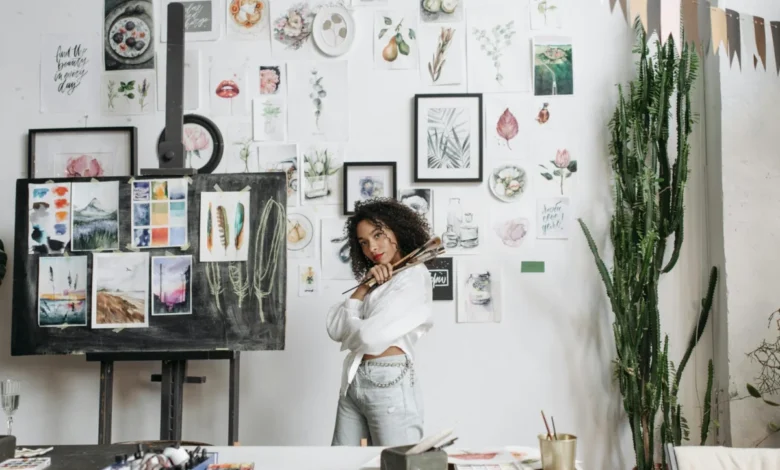
The digital revolution has fundamentally reshaped how art is created, consumed, and most importantly, sold. For artists worldwide, the internet has transcended its role as a mere communication tool to become a vibrant and increasingly lucrative marketplace. Whether an established artist seeking to expand their reach or an emerging talent navigating the initial stages of their career, understanding the multifaceted landscape of online art sales is paramount to achieving both financial success and widespread recognition. This guide delves into the strategic imperatives and best practices for artists aiming to cultivate a robust online presence and capitalize on the global demand for original works.
Building a Digital Foundation: The Professional Website as a Virtual Gallery
At the core of any successful online art venture lies a professionally designed website. This digital space serves as the artist’s primary virtual gallery, a curated environment designed to showcase their talent and establish a distinct brand identity. A visually appealing, intuitively navigable, and mobile-responsive website is not just an aesthetic choice; it’s a critical business tool. High-quality, high-resolution images of artwork are non-negotiable, allowing potential buyers to appreciate the detail, texture, and scale of each piece. Detailed descriptions should go beyond mere dimensions and medium, offering insights into the inspiration, narrative, and artistic process behind each creation. Furthermore, an artist’s biography, often referred to as an "artist statement," should be compelling and authentic, highlighting their journey, influences, and artistic philosophy, thereby fostering a deeper connection with viewers and collectors.
Key elements that contribute to a powerful artist website include:
- High-Quality Visuals: Professional photography or high-resolution scans of artwork are essential. Consider including detail shots and in-situ images to help buyers visualize the artwork in a real-world setting.
- Comprehensive Artwork Details: Each listing should include title, dimensions, medium, year of creation, and a brief, engaging description. Pricing and availability should be clearly indicated.
- Artist Biography and Statement: A well-written narrative about the artist’s background, artistic journey, and motivations builds credibility and personal connection.
- Contact Information and Inquiry Form: Making it easy for potential buyers and collaborators to get in touch is crucial.
- E-commerce Functionality: A secure and user-friendly payment gateway is vital for direct sales.
- Blog or News Section: Regularly updated content can engage visitors, improve SEO, and provide updates on new work, exhibitions, and events.
- Testimonials and Press Mentions: Social proof from satisfied clients or media coverage can significantly enhance trust.
The global e-commerce market for art has seen significant growth, with projections indicating continued expansion. According to a report by Art Basel and UBS, the online art market accounted for approximately 25% of total sales in 2022, a figure that has steadily increased over the past decade. This underscores the immense potential for artists to leverage their own digital platforms to tap into this expanding market.
Harnessing the Power of Social Media for Artist Visibility
In today’s hyper-connected world, social media platforms are indispensable tools for artists to broaden their reach, cultivate an engaged following, and drive traffic to their websites and online stores. Platforms like Instagram, with its visually driven interface, Pinterest, ideal for curating artistic inspiration, Facebook, for community building and targeted advertising, and TikTok, for short-form video content showcasing the creative process, each offer unique avenues for artists to connect with potential buyers and art enthusiasts.
Best practices for leveraging social media include:
- Consistent Posting Schedule: Regularly sharing new work, behind-the-scenes glimpses, and studio insights keeps your audience engaged.
- High-Quality Visual Content: Prioritize aesthetically pleasing images and videos that accurately represent your artwork.
- Engaging Captions and Storytelling: Go beyond simple descriptions; share the narrative, inspiration, or technical aspects of your work.
- Strategic Use of Hashtags: Research and utilize relevant hashtags to increase discoverability by users interested in your genre or style.
- Interactive Engagement: Respond to comments, messages, and engage with other artists and potential collectors.
- Utilizing Platform Features: Explore features like Instagram Stories, Reels, Live sessions, and Pinterest boards to diversify your content.
- Cross-Promotion: Link your social media profiles to your website and other online platforms.
The rise of the "creator economy" has empowered individuals to monetize their passions. For artists, this translates to building a personal brand that resonates with an audience, fostering loyalty that can lead to consistent sales and commissions. The visual nature of platforms like Instagram has made it a primary discovery tool for many art collectors, with a significant percentage of sales originating from social media interactions.
Navigating Online Art Marketplaces: Accessing a Wider Collector Base
Beyond establishing an independent online presence, leveraging established online art marketplaces offers artists a powerful way to access a pre-existing, large, and diverse audience of art buyers. Platforms such as Etsy, Saatchi Art, Artfinder, and Artsy provide curated environments where artists can list their works for sale. These marketplaces often handle aspects of the transaction process, including payment processing and, in some cases, shipping logistics, allowing artists to concentrate more on their creative output.
Tips for success on online art marketplaces:
- High-Quality Listings: Just as with a personal website, exceptional photography and detailed descriptions are paramount.
- Competitive Pricing: Research similar artworks on the platform to ensure your pricing is competitive yet reflects the value of your work.
- Understanding Platform Fees: Be aware of commission structures and listing fees associated with each marketplace.
- Active Profile Management: Regularly update your portfolio, respond to inquiries promptly, and maintain an active presence.
- Leveraging Platform Tools: Utilize any promotional tools or advertising options offered by the marketplace to increase visibility.
- Building a Brand within the Marketplace: While these are shared platforms, strive to maintain a consistent brand identity through your listings and profile.
The growth of online art marketplaces reflects a broader trend towards democratization in the art world. Historically, access to galleries and collectors was often gatekept by traditional institutions. Online platforms have lowered these barriers, enabling artists from all backgrounds to showcase their work to a global audience. For instance, Etsy, initially known for handmade crafts, has evolved into a significant platform for original art, attracting millions of buyers actively seeking unique pieces.
The Strategic Imperative of Search Engine Optimization (SEO)
For artists relying on their own websites, Search Engine Optimization (SEO) is not an optional add-on but a fundamental requirement for visibility. SEO refers to the practice of optimizing web content to rank higher in search engine results pages (SERPs) for relevant queries. When potential buyers search for "abstract landscape paintings" or "contemporary ceramic sculptures," an artist whose website is well-optimized is more likely to appear prominently in these search results, driving organic traffic and potential sales.
Key SEO strategies for artists include:
- Keyword Research: Identify terms potential buyers use when searching for art similar to yours. Incorporate these keywords naturally into your website’s content, including artwork titles, descriptions, and blog posts.
- Image Optimization: Use descriptive alt text for all images, incorporating relevant keywords. This helps search engines understand the content of your images and improves accessibility.
- Website Speed and Mobile Responsiveness: Search engines favor websites that load quickly and are easily navigable on all devices.
- High-Quality Content Creation: Regularly publishing blog posts, articles, or artist statements that are informative and engaging can attract backlinks and improve search rankings.
- Building Backlinks: Earning links from reputable art blogs, publications, or directories can significantly boost your website’s authority.
- Schema Markup: Implementing schema markup can help search engines better understand the context of your content, potentially leading to rich snippets in search results.
The impact of effective SEO is substantial. A study by BrightEdge found that organic search drives over 53% of all website traffic. For artists, this means that a well-optimized website can serve as a consistent lead generation engine, attracting buyers who are actively looking for art like theirs.
Cultivating Relationships Through Email Marketing
While social media offers broad reach, email marketing provides a more intimate and direct channel for nurturing relationships with both potential and existing buyers. Building an email list allows artists to communicate directly with an audience that has already expressed interest in their work, providing a fertile ground for cultivating loyalty and driving repeat sales.
Effective email marketing strategies for artists:
- Lead Magnet Creation: Offer an incentive, such as a discount code, a free digital download, or exclusive content, in exchange for an email address.
- Segmented Lists: Categorize subscribers based on their interests (e.g., collectors of a specific style, those who have purchased before) to send more targeted communications.
- Regular Newsletters: Share updates on new artwork, upcoming exhibitions, studio insights, or articles related to art and collecting.
- Exclusive Offers and Early Access: Provide subscribers with early access to new collections or special promotions to foster a sense of exclusivity.
- Personalized Communication: Address subscribers by name and tailor content to their known interests.
- Clear Calls to Action: Ensure each email has a clear objective, such as directing subscribers to a new collection or encouraging them to visit your website.
Data consistently shows the power of email marketing. According to Campaign Monitor, for every dollar spent on email marketing, businesses can expect an average return of $42. For artists, this translates to a highly cost-effective method for driving sales and building a dedicated community around their work.
The Strategic Appeal of Limited Editions and Exclusives
Creating a sense of scarcity and exclusivity can be a potent driver of interest and urgency in the art market. Offering limited edition prints or exclusive original pieces to an online audience can significantly enhance the perceived value of an artist’s work and encourage quicker purchasing decisions. Limited editions, by their very nature, imply a finite availability, fostering a sense of urgency among collectors who wish to acquire a piece before it is gone.
Strategies for implementing limited editions and exclusives:
- Define Edition Size: Clearly state the number of prints in each limited edition. This number should be manageable and reflect the demand.
- Archival Quality: Ensure that limited edition prints are produced using high-quality, archival materials to guarantee longevity and value.
- Certificates of Authenticity: Each limited edition print should be accompanied by a signed and numbered certificate of authenticity.
- Exclusive Releases: Offer certain artworks or collections exclusively to email subscribers or social media followers for a limited time.
- Tiered Pricing: Consider offering different price points for original works versus limited edition prints, making your art accessible to a wider range of collectors.
- Bundled Offers: Combine limited edition prints with smaller original studies or related merchandise for added value.
The concept of limited editions has a long-standing tradition in the art world, dating back to early printmaking techniques. This established practice translates effectively to the digital realm, where scarcity can be strategically manufactured to drive demand. For instance, a limited edition of 50 prints of a popular artwork can sell out rapidly, creating buzz and enhancing the artist’s reputation.
Elevating the Customer Experience: From Browsing to Beyond
A positive customer experience is foundational for fostering repeat business and generating valuable word-of-mouth referrals. Every interaction a potential buyer has with an artist’s online presence, from initial browsing to the moment the artwork arrives at their doorstep, contributes to their overall perception. A seamless, professional, and personalized experience can transform a one-time buyer into a lifelong collector.
Key elements of an exceptional customer experience:
- Intuitive Website Navigation: Make it easy for visitors to find what they are looking for, with clear categories, search functions, and filtering options.
- Transparent Pricing and Policies: Clearly state prices, shipping costs, return policies, and any applicable taxes upfront.
- Responsive Customer Service: Promptly answer inquiries via email, chat, or phone, providing helpful and friendly assistance.
- Secure and Easy Checkout Process: A streamlined and secure payment gateway instills confidence and minimizes cart abandonment.
- Careful Packaging and Shipping: Invest in high-quality, protective packaging to ensure artwork arrives undamaged. Provide tracking information for all shipments.
- Personalized Thank You Notes: A handwritten note or a personalized email expressing gratitude for the purchase can leave a lasting positive impression.
- Follow-Up Communication: Send a follow-up email after delivery to thank customers, solicit feedback, and encourage reviews or social media shares.
The impact of exceptional customer service on business growth is well-documented. Bain & Company research indicates that increasing customer retention rates by 5% can increase profits by 25% to 95%. For artists, this means that a focus on the buyer’s journey can lead to a more sustainable and profitable art business.
Strategic Alliances: Collaborating with Influencers and Bloggers
Partnering with relevant influencers and art bloggers can be a highly effective strategy for artists seeking to tap into new audiences and gain valuable third-party validation. Identifying individuals whose online presence aligns with an artist’s brand and whose followers represent a potential collector base can lead to significant exposure and credibility.
Effective collaboration ideas include:
- Sponsored Content: Offer to pay influencers or bloggers to feature your artwork in their posts, videos, or reviews.
- Product Gifting: Provide influencers with pieces of your art in exchange for honest reviews and exposure.
- Guest Blogging: Offer to write an article for an art blog, showcasing your expertise and linking back to your website.
- Social Media Takeovers: Allow an influencer to temporarily manage your social media account to introduce your work to their followers.
- Joint Giveaways or Contests: Collaborate on a giveaway that requires participants to follow both your account and the influencer’s.
- Affiliate Marketing: Offer influencers a commission for sales generated through unique referral links.
The rise of influencer marketing has transformed promotional landscapes across industries. For artists, collaborating with individuals who have cultivated trust and engagement with their audience can provide an authentic endorsement that resonates deeply with potential buyers. A well-placed feature on a popular art blog or an Instagram post from a respected art personality can lead to a surge in website traffic and sales.
The Continuous Cycle of Analysis and Adaptation
In the dynamic digital landscape, static strategies are destined for obsolescence. Regularly analyzing the performance of online sales efforts is crucial for long-term success and sustained growth. Utilizing analytics tools provided by website platforms, e-commerce solutions, and social media networks allows artists to gain invaluable insights into what is working and what needs refinement.
Key metrics to monitor for informed decision-making:
- Website Traffic Sources: Understand where your visitors are coming from (e.g., organic search, social media, direct traffic).
- Conversion Rates: Track the percentage of website visitors who complete a desired action, such as making a purchase or signing up for your newsletter.
- Sales Data: Analyze which artworks are selling best, average order value, and customer purchase frequency.
- Social Media Engagement: Monitor likes, comments, shares, reach, and follower growth across your social platforms.
- Email Marketing Performance: Track open rates, click-through rates, and conversion rates for your email campaigns.
- Return on Investment (ROI): Evaluate the effectiveness of any paid advertising or promotional activities by comparing costs to revenue generated.
By diligently tracking these metrics, artists can identify successful strategies, reallocate resources to high-performing channels, and pivot away from underperforming tactics. This iterative process of analysis and adjustment is fundamental to navigating the evolving online art market and ensuring continued success.
In conclusion, selling art online offers unprecedented opportunities for artists to connect with a global audience and achieve their creative and financial aspirations. By diligently building a professional online presence, strategically leveraging social media and online marketplaces, mastering SEO, cultivating customer relationships through email marketing, and consistently analyzing performance, artists can effectively navigate the digital art landscape. The pursuit of success in this arena requires ongoing effort, adaptability, and a commitment to experimentation, but with a strategic approach, artists can unlock their full potential and thrive in the vibrant world of online art sales.