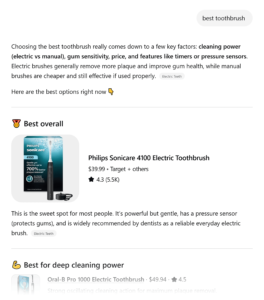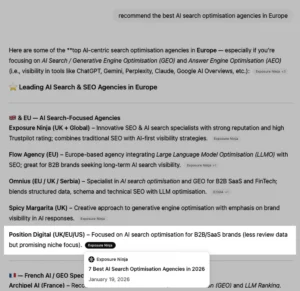
The landscape of website marketing has undergone a fundamental transformation. For decades, digital marketing strategy was anchored by a straightforward premise: drive targeted traffic directly to a company’s domain, engage visitors with compelling landing pages, and convert them into customers. While the website remains the central transaction hub for modern enterprises, the contemporary customer journey has expanded dramatically beyond traditional domain boundaries.
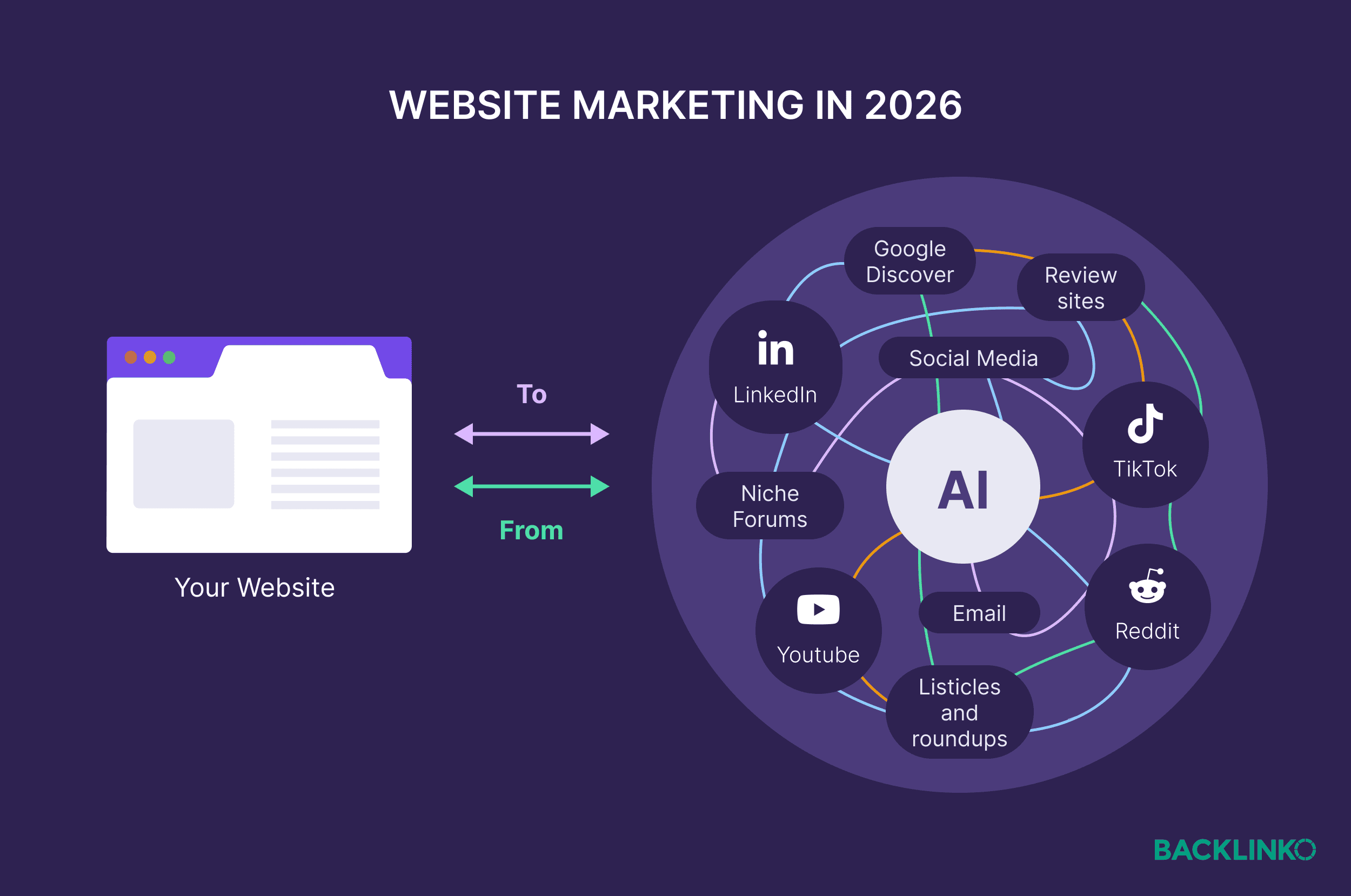
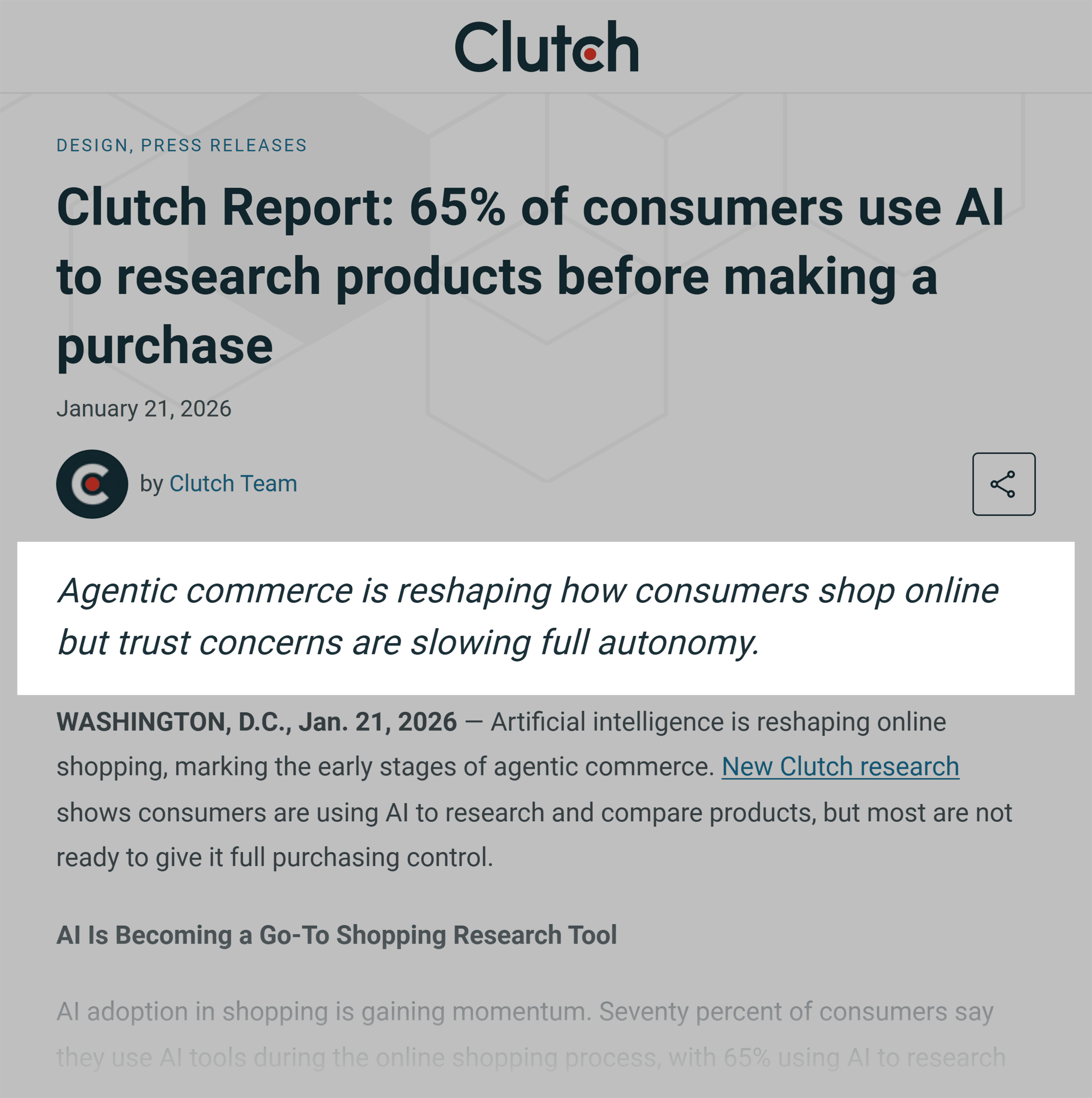
Recent industry data underscores this structural shift. According to recent market studies from digital research firms like Clutch, over 65% of modern consumers now utilize artificial intelligence tools, peer-to-peer recommendation forums such as Reddit, and decentralized social media ecosystems to conduct preliminary product and service research long before they ever land on an official brand website. Consequently, consumer perceptions and brand evaluations are frequently cemented outside corporate-owned property. If a business lacks visibility, authority, and credibility within these external digital ecosystems, prospective buyers may never make the transition to the primary website.
The Evolution of the Digital Consumer Journey
Historically, search engine optimization (SEO) and paid acquisition campaigns functioned as the primary gateways for prospective buyers. Users would input a query into a search engine, review a list of blue links, and visit a website to gather information. However, the maturation of conversational AI agents, large language models (LLMs), and hyper-personalized content feeds like Google Discover has altered how information is consumed and trusted.

Today’s buyers arrive at a brand’s website with a significantly higher degree of pre-existing context. They have already asked generative AI models to summarize competing offerings, read unfiltered peer reviews on niche subreddits, and absorbed short-form video breakdowns from industry practitioners. When these prospective visitors finally navigate to an official website, they do so with advanced intent and preconceived notions regarding the brand’s reputation and market standing.

This environment demands a dual-pronged marketing approach: engineering external brand perception across third-party platforms while optimizing internal website architecture for high-intent conversions.
Positioning Brands for AI and Human Discovery
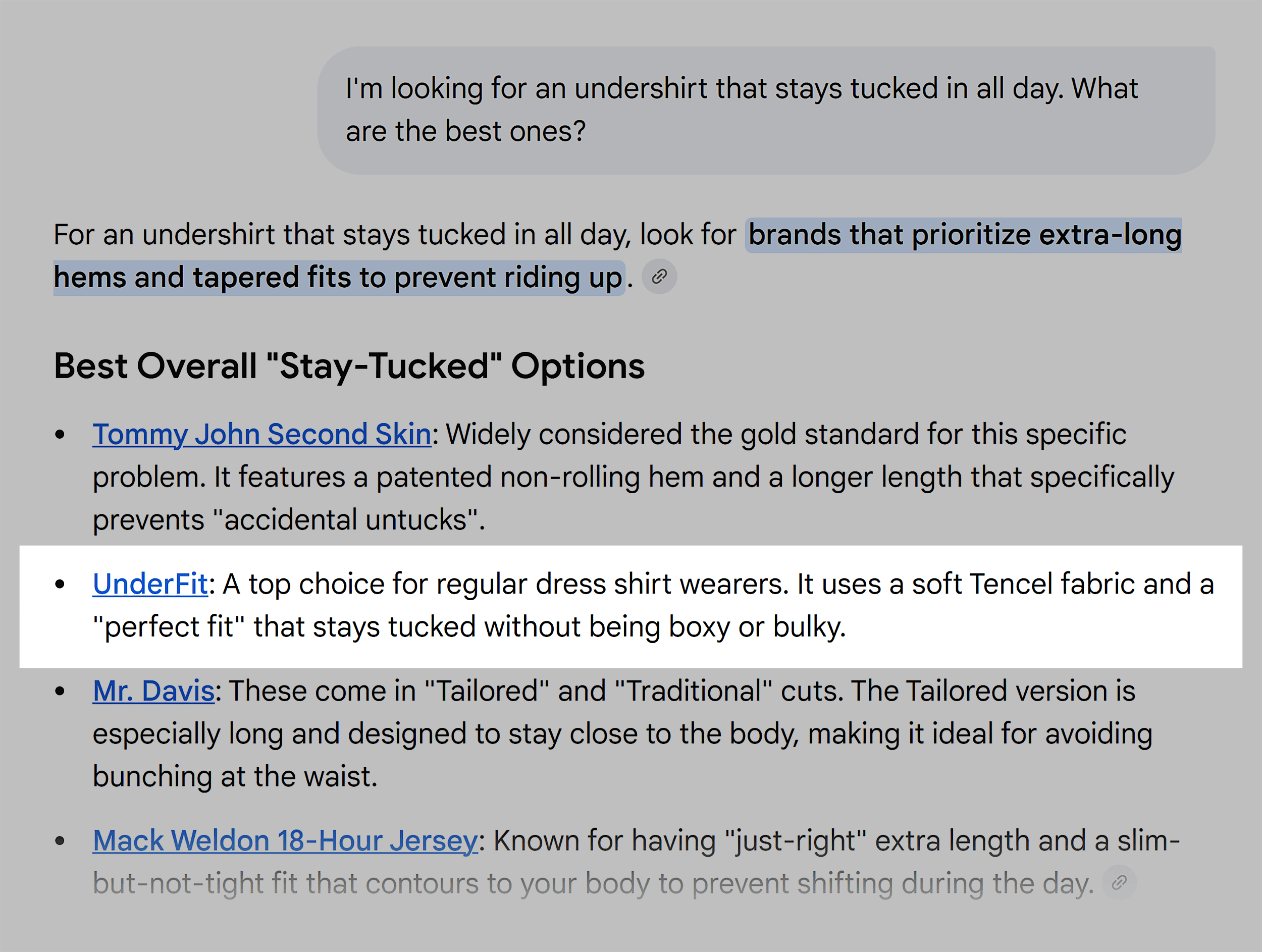
To succeed in an AI-inflected digital economy, organizations must actively manage how large language models and search algorithms synthesize information about their products and services. This process begins with a rigorous brand messaging strategy that defines the core value propositions, terminology, and category positioning associated with the enterprise.
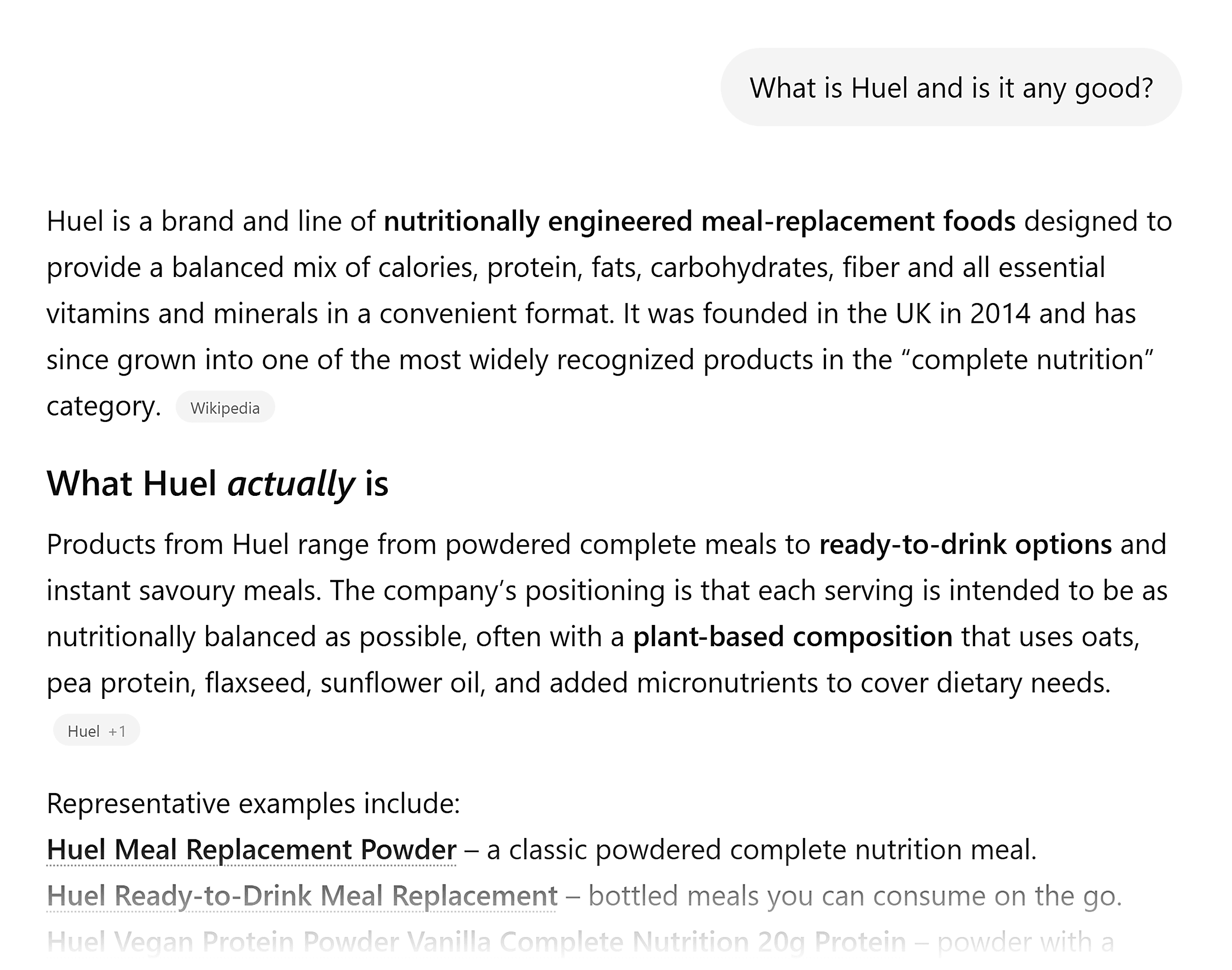
Industry leaders across sectors—ranging from enterprise software providers like Slack to direct-to-consumer apparel brands like UnderFit—rely on strict linguistic consistency. By ensuring that specific product benefits and categorical definitions are repeated consistently across official documentation, customer reviews, press releases, and community discussions, brands create a cohesive linguistic footprint. When large language models ingest this data, the association between the brand and its core value proposition becomes mathematically reinforced, increasing the likelihood of recommendation in generative search results.
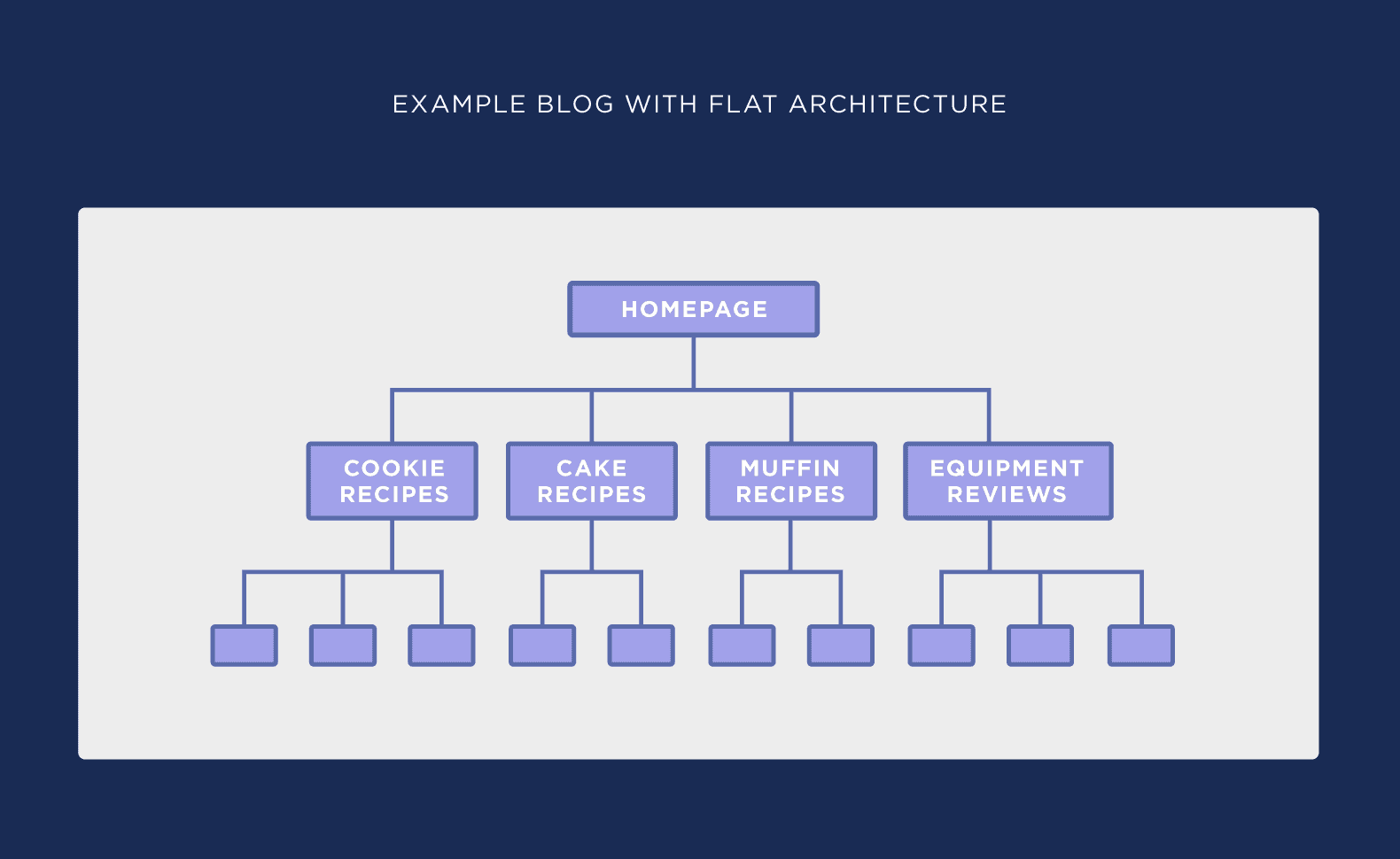
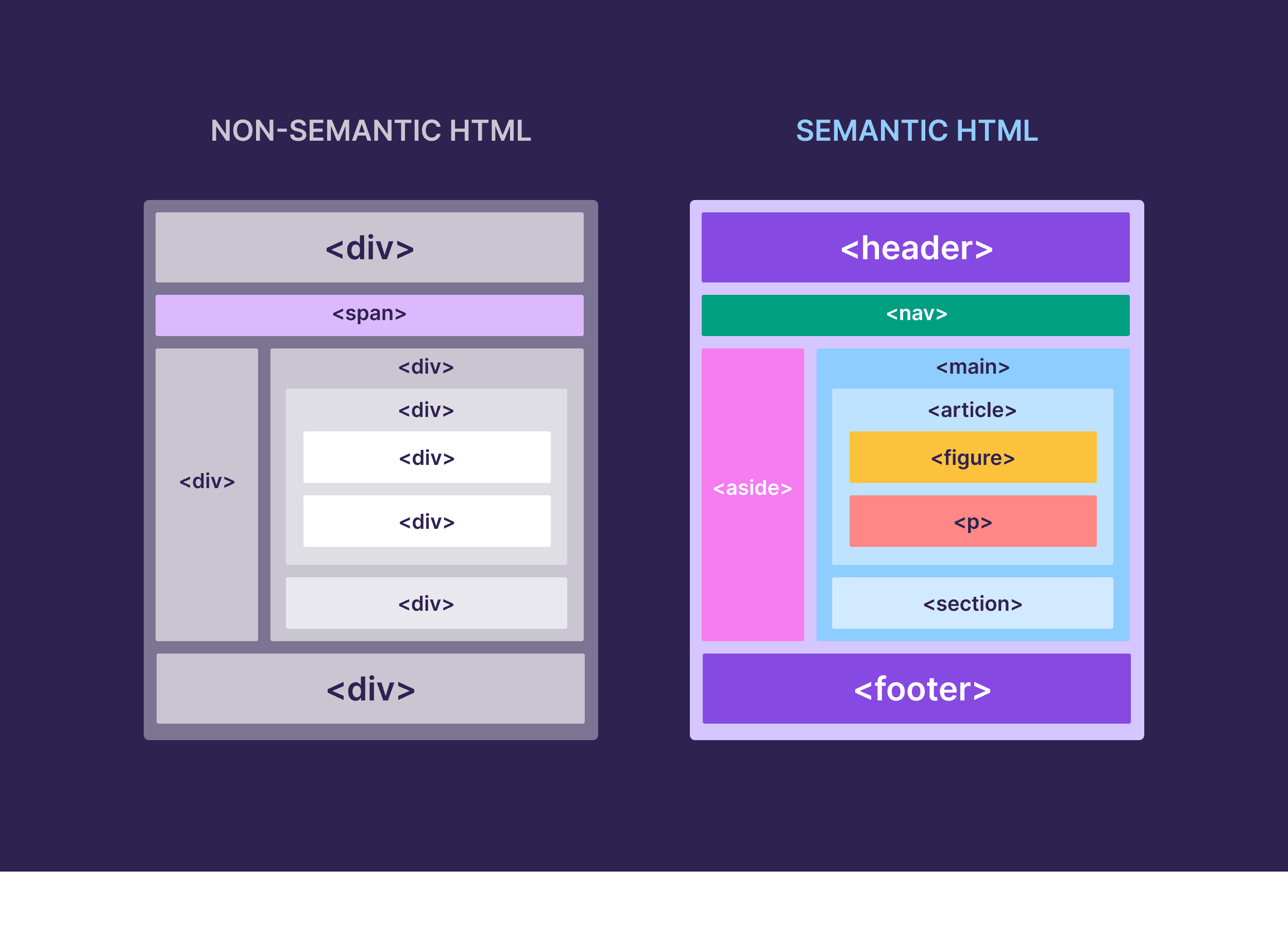
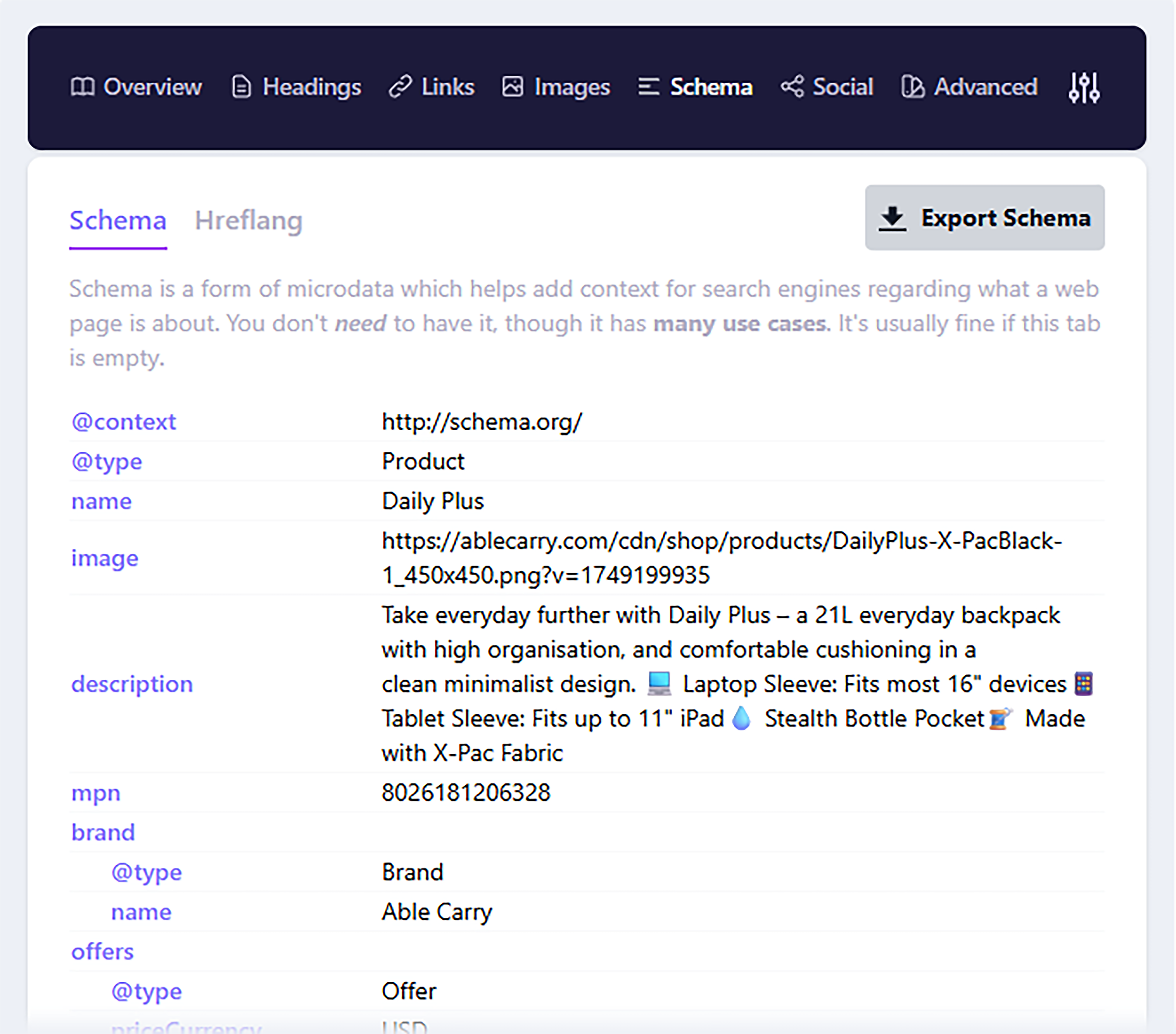
Concurrently, website architecture must be engineered to facilitate effortless parsing by both human readers and automated web crawlers. Modern on-page optimization requires clean semantic HTML structure, logical URL hierarchies, and properly implemented structured data (schema markup). These technical foundations ensure that search engines and AI systems can accurately index page content, interpret context, and deliver precise snippets to users seeking specific answers.

Integrating Trust and Proof Assets into the Conversion Funnel
As zero-click searches and AI-generated summaries provide immediate answers directly within search engine results pages (SERPs), the traffic that ultimately reaches a website tends to be smaller in volume but significantly higher in commercial intent. This dynamic places an immense premium on conversion rate optimization (CRO) and the strategic deployment of credible proof assets.
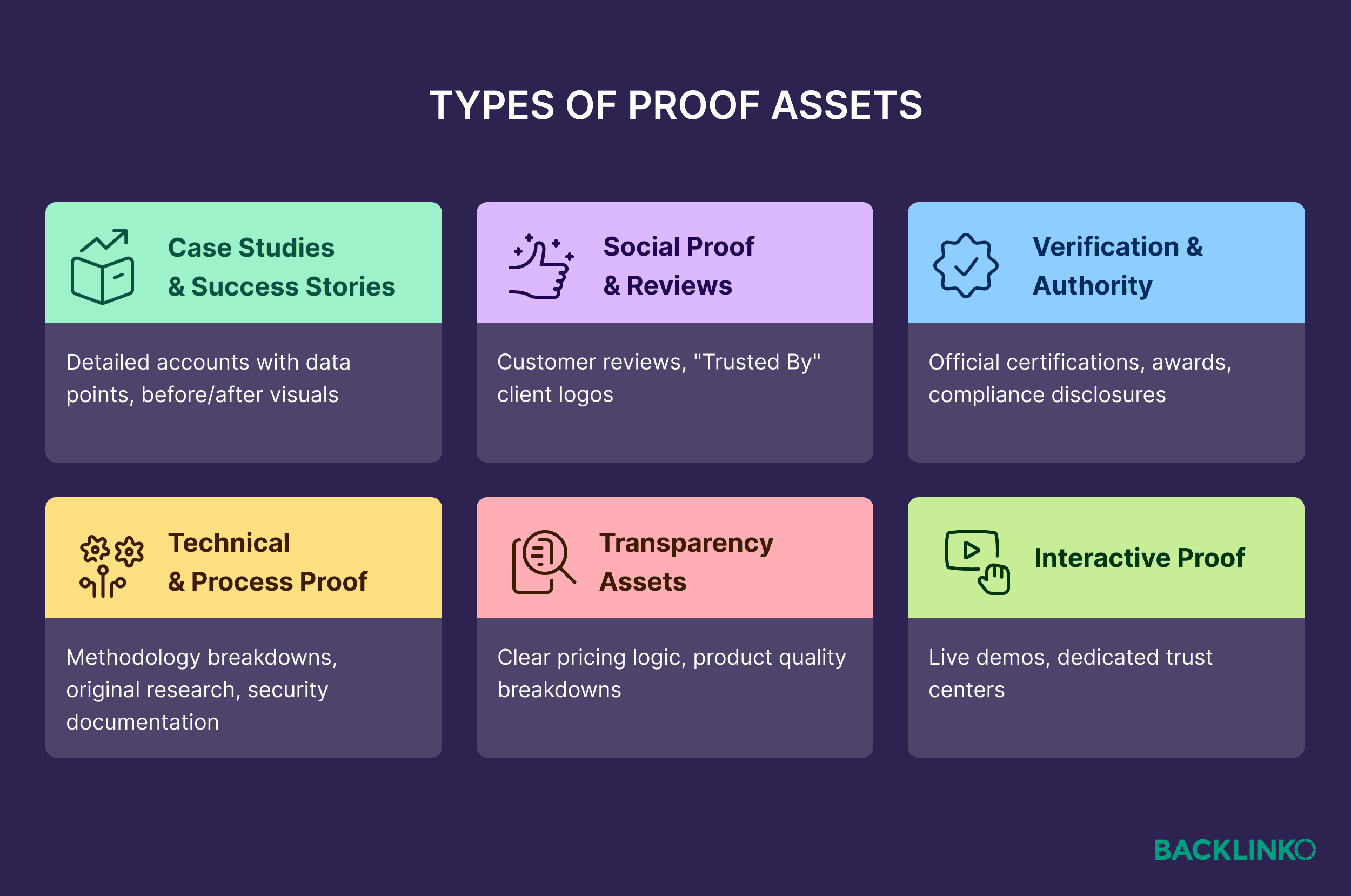
Proof assets—including verified customer testimonials, quantitative case studies, third-party security certifications, and transparent return or guarantee policies—serve as critical friction-reduction tools. In sectors characterized by high consumer skepticism, such as financial services or enterprise SaaS, the presence of robust compliance documentation and verifiable data points directly addresses buyer anxiety, accelerating the transition from passive visitor to active customer.
Furthermore, post-purchase engagement strategies have evolved beyond generic receipt emails. Forward-thinking brands leverage behavioral targeting to trigger customized follow-up communications based on specific actions taken within the digital environment. Whether a user abandons a shopping cart, reviews a specific pricing tier, or completes a major transaction, timely and contextually relevant email workflows capitalize on immediate user intent and foster long-term brand loyalty.
The Human Element: Thought Leadership in an AI-Saturated Market
The proliferation of automated and AI-generated content across the internet has paradoxically elevated the value of authentic human expertise. Enterprises that position recognizable, credible individuals as the public faces of their brands frequently outperform anonymous corporate entities in building long-term consumer trust.

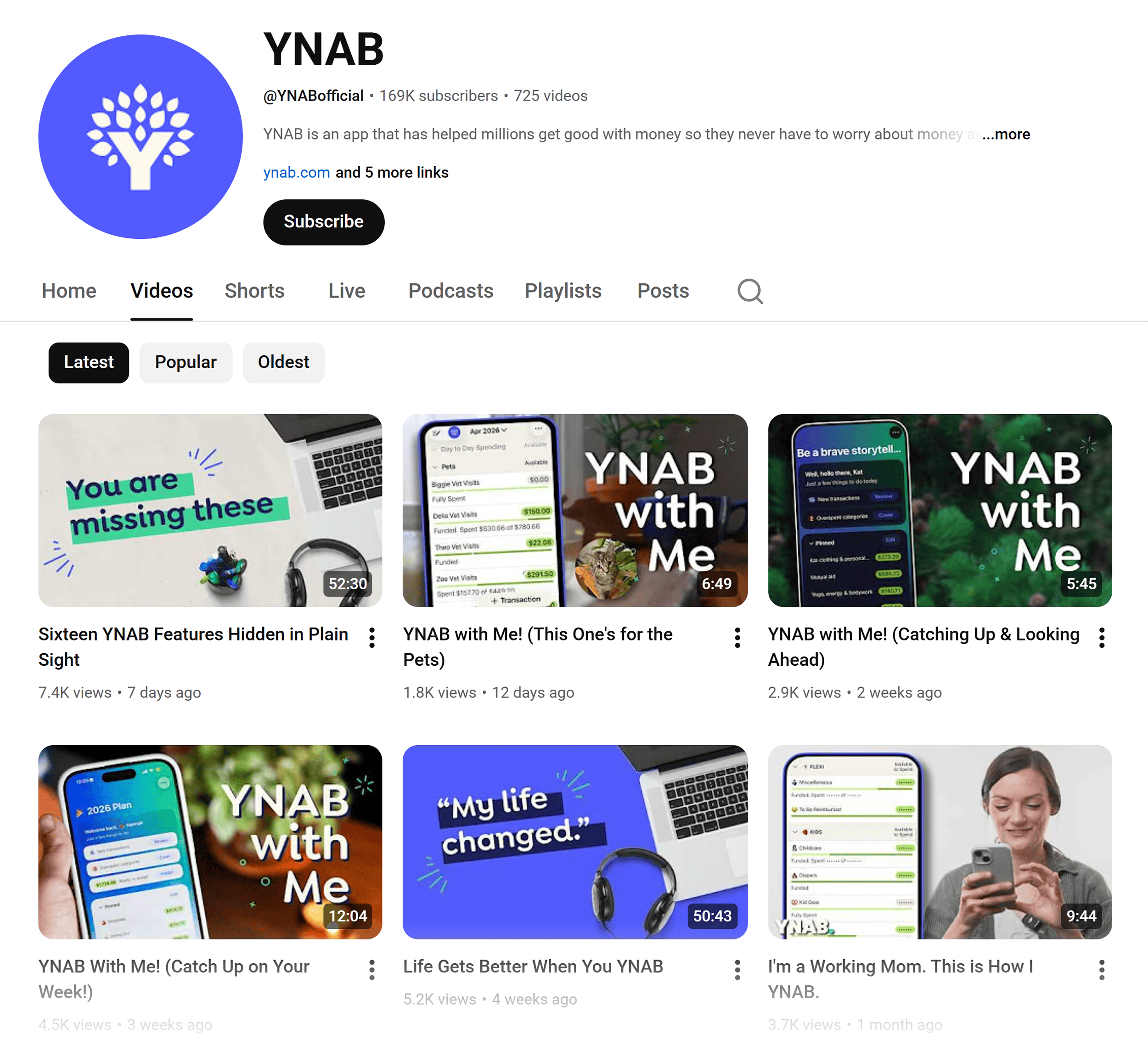
Thought leadership initiatives—encompassing original industry research, uncompromising editorial viewpoints, and transparent public commentary—allow brands to differentiate themselves in crowded markets. Whether through long-form video content on platforms like YouTube, professional insights shared on LinkedIn, or active participation in specialized niche communities, visible human advocates humanize the enterprise. By establishing genuine connections and contributing value to community discussions without overt self-promotion, organizations can cultivate an organic, trusted reputation that algorithms and competitors cannot easily replicate.

Strategic Implications for Modern Enterprises
Ultimately, website marketing in 2026 requires organizations to abandon insular promotional models in favor of a holistic, ecosystem-wide visibility strategy. Brands must recognize that their primary website is merely the final destination of a complex, multi-touch discovery journey that spans generative AI engines, social networks, peer communities, and personalized content feeds.
By aligning brand messaging for AI discoverability, maintaining rigorous technical standards, deploying verifiable proof assets, and centering human expertise across external platforms, businesses can build sustainable competitive advantages. Organizations that adapt to this decentralized customer journey will not only secure higher-intent website traffic but will also achieve superior conversion performance in an increasingly competitive digital marketplace.