From Viral Drummer to Strategic Visionary: How Casey Cooper is Redefining Content Strategy for the Digital Age at Sweetwater

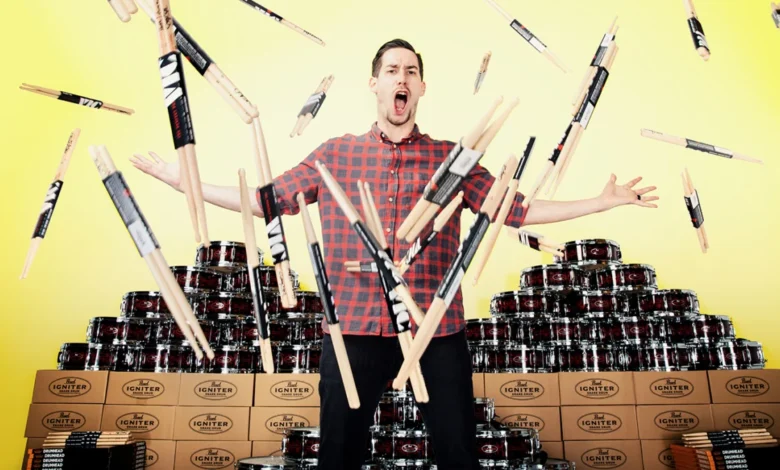
The trajectory of modern digital media can often be traced back to a single, serendipitous moment of realization, and for Casey Cooper, that moment occurred in the back of a crowded college lecture hall in 2012. Having uploaded a drum cover of a popular Skrillex track the previous evening, Cooper arrived at his morning class to find the video had bypassed the typical slow-burn growth of early social media, landing squarely on the front pages of both Reddit and YouTube. In a vivid illustration of the "viral" phenomenon, Cooper observed four different students sitting in the rows ahead of him, all of whom had his video playing on their laptop screens. None of them realized the creator of the content they were consuming was sitting only a few feet away. This realization—that digital content could transcend the creator’s physical presence and command the attention of a global audience—marked the beginning of a career that would eventually reshape the content strategy of one of the world’s largest music retailers.
Today, Casey Cooper serves as the Director of Content Strategy at Sweetwater Sound, the Fort Wayne, Indiana-based music technology giant. Sweetwater, which reported annual revenues exceeding $1.5 billion in recent years, has transitioned from a traditional gear retailer into a dominant force in digital education and influencer marketing. Cooper’s journey to this executive role was paved by 15 years of independent content creation, during which he amassed millions of followers and collaborated with premier musical instrument brands. His move to Sweetwater two years ago signaled a shift in the industry: the integration of high-level "creator" expertise into the corporate framework of traditional retail.
The Evolution of the Creator Economy: A 15-Year Chronology
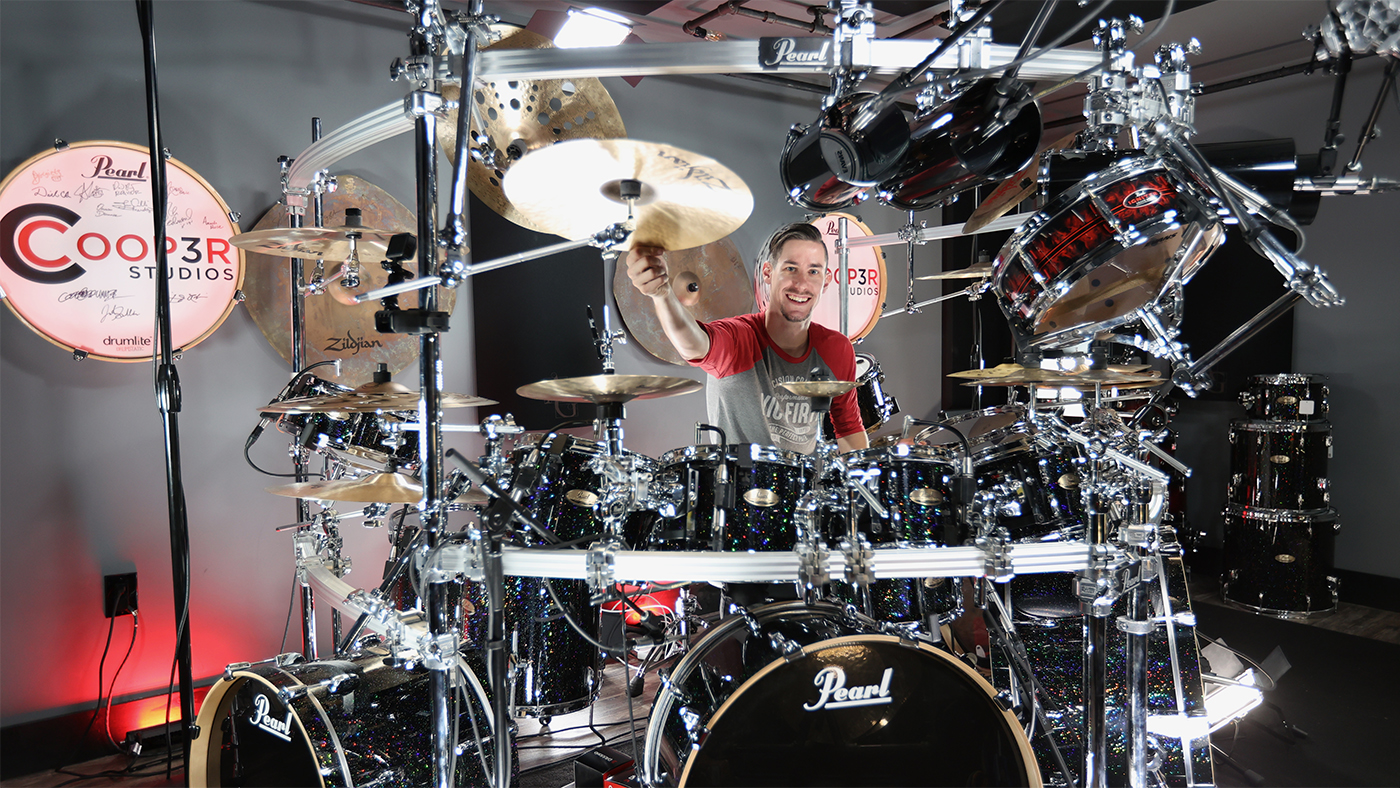
The career of Casey Cooper mirrors the broader evolution of the YouTube platform and the "Creator Economy," a sector now valued by Goldman Sachs at approximately $250 billion. When Cooper began his journey in the early 2010s, YouTube was primarily a repository for home videos and low-fidelity vlogs. His early success was predicated on a concept he calls the "crossover hook." By performing dubstep on a marimba and a cajon, or later, setting a kick drum vertically to be played with a basketball, Cooper tapped into the psychological principle of incongruity. This strategy—combining disparate elements to create something visually and sonically unique—remains a cornerstone of his content philosophy.
By the mid-2010s, the "COOP3RDRUMM3R" brand had become a staple of the drumming community. However, as the platform matured, the requirements for success shifted from mere novelty to sophisticated data analysis. Cooper spent the better part of a decade refining his understanding of audience behavior, moving from a solo creator mindset to a strategic one. His eventual transition to Sweetwater in 2022 was not merely a hiring of a "personality," but an acquisition of strategic intelligence. Sweetwater recognized that in an era where consumers bypass traditional advertisements, the retailer must become the primary source of both entertainment and education.
The Science of Retention: Attention as the Primary Currency
In his current role, Cooper emphasizes a singular metric above all others: viewer retention. In the competitive landscape of YouTube, TikTok, and Instagram, the algorithm’s primary objective is to keep users on the platform for as long as possible. Cooper argues that understanding this fundamental truth is the solution to most content-related challenges.
"Every single platform just wants you to hold viewers’ attention," Cooper noted, explaining that while click-through rates (CTR) are essential for getting a viewer "through the door," it is the average view duration (AVD) that determines whether the algorithm will continue to promote the video. This data-driven approach is critical for a brand like Sweetwater. If a video has a compelling thumbnail but fails to deliver value within the first few seconds, the high bounce rate signals to the platform that the content is of low quality, effectively "killing" its reach.
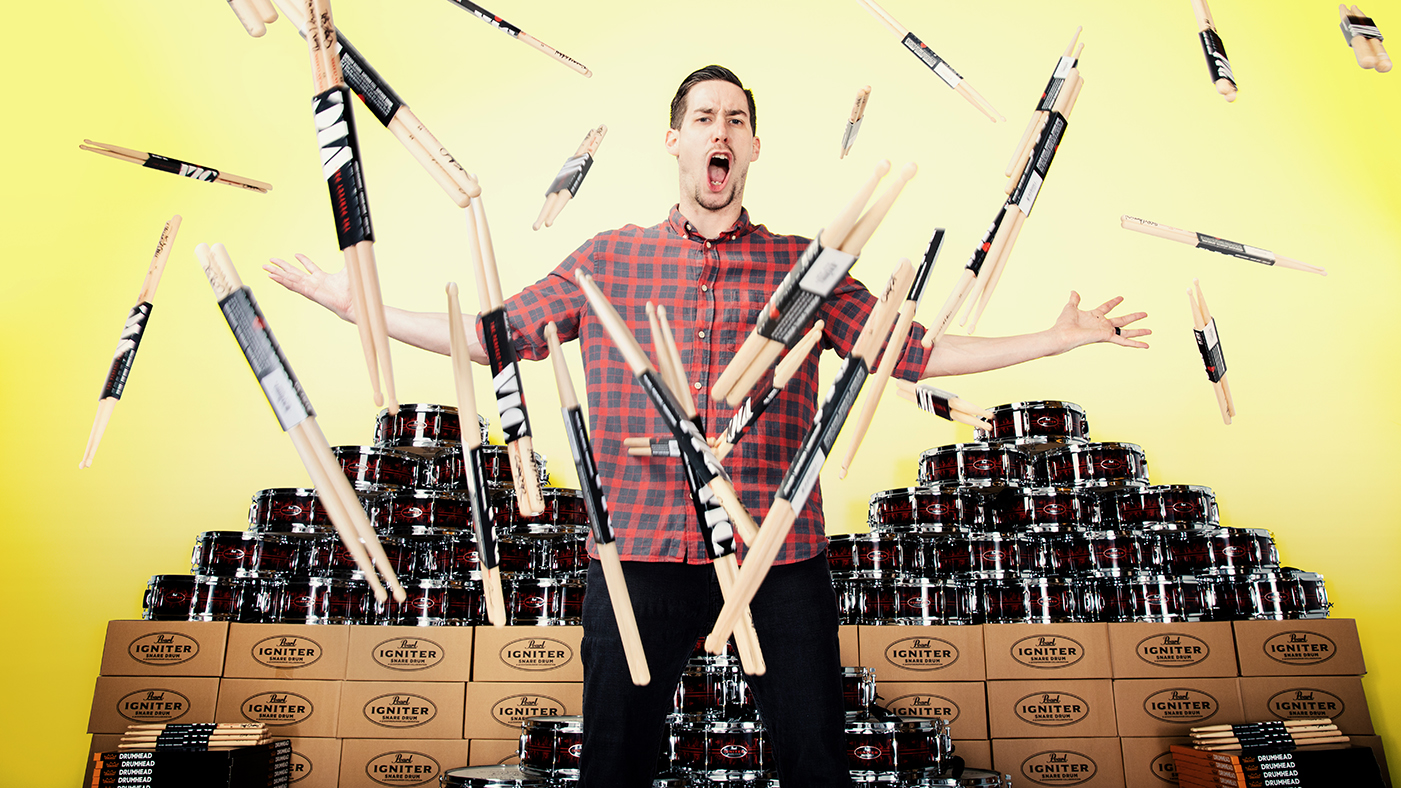
Cooper’s analysis of retention also highlights the difference between long-form and short-form content. On long-form YouTube, retention is about narrative pacing and educational depth. On short-form platforms like TikTok or YouTube Shorts, retention is measured by the "scroll-stop" factor—the ability to arrest a user’s thumb in the first 1.5 seconds and maintain that grip for the duration of a 60-second clip.
The Gear Paradox: High Production vs. Authenticity
One of the most striking insights Cooper brings to Sweetwater is the "Gear Paradox." Despite working for a company that sells millions of dollars worth of high-end cinema cameras and studio equipment, Cooper frequently advocates for simplicity. He notes that while professional gear like the Canon R5 or Blackmagic Design rigs are essential for high-production flagship videos, they are not always the most effective tools for social media engagement.
Cooper pointed to a recent session with Todd Sucherman, the legendary drummer for the band Styx. While a full multi-camera Blackmagic rig was capturing a high-fidelity long-form video, Cooper used a DJI Osmo Pocket 3—a handheld, stabilized camera with a one-inch sensor—to capture a quick, candid "Short." The results were telling: the polished, high-production video garnered 20,000 views, while the handheld Short amassed 350,000.
A similar phenomenon occurred during a high-profile shoot with guitarist John Mayer. Despite the presence of sliders, professional lighting, and a full production crew, the most successful piece of content from the day was captured on an iPhone Cooper had propped up near an amplifier. This highlights a shift in consumer preference toward "the moment" rather than "the production." In the modern digital landscape, authenticity often outperforms artifice. Cooper maintains that the gear should facilitate the content, not replace the creative spark.
The Strategic Bifurcation of Channels
Managing the content for a retailer of Sweetwater’s scale presents unique challenges. Unlike a solo creator who speaks to a monolithic audience, Sweetwater serves dozens of distinct niches—from orchestral percussionists and church audio engineers to heavy metal guitarists and modular synthesizer enthusiasts.
To solve this, Cooper implemented a two-channel strategy on YouTube. The flagship Sweetwater channel, which is nearing one million subscribers, is reserved for broadly appealing, high-impact content. Cooper warns that uploading a niche keyboard tutorial to a channel with a large guitarist following can be detrimental. "If the wrong people see it at the wrong time, and those viewers result in negative data points, then it tanks," he explained.
The second channel is built entirely around Search Engine Optimization (SEO). This channel focuses on specific product demonstrations and technical deep-dives. On this secondary platform, subscriber counts are secondary to search relevance. The goal is not to reach a million people, but to reach the 10,000 people who are actively searching for information on a specific piece of gear. This "targeted reach" ensures that Sweetwater provides value to the consumer at the exact moment they are making a purchasing decision.
Audio: The Non-Negotiable Element of Video
While Cooper downplays the necessity of expensive cameras for beginners, he is uncompromising on the subject of audio quality. This is a natural extension of Sweetwater’s heritage as a "music first" company. Cooper posits that while viewers will tolerate mediocre video quality—often perceiving it as "authentic"—they will almost immediately click away from a video with poor audio.
"What you really need is to make sure that you’ve got a nice mic so when you’re talking you can hear it well," Cooper stated. This technical advice has broader implications for the creator economy. As video platforms become more saturated, the "floor" for acceptable quality has risen. Clean audio provides a professional veneer to even the most basic smartphone footage, allowing the creator’s message to be delivered without the distraction of background noise or clipping. Sweetwater has leaned into this by curating "creator kits" that prioritize portable audio interfaces and high-quality microphones, such as the Roland GO:MIXER series, to help new creators establish a professional foundation.
Broader Industry Implications and Analysis
The integration of Casey Cooper into the Sweetwater leadership team reflects a broader trend in the retail industry: the "Content-to-Commerce" pipeline. Traditional advertising—such as television spots or static banner ads—is increasingly viewed as an interruption. In contrast, content-led marketing provides value through education or entertainment, building a relationship of trust between the brand and the consumer.
By positioning itself as an educational hub, Sweetwater creates a "virtuous cycle." A beginner drummer watches a Casey Cooper tutorial, learns about a specific product, and then purchases that product from Sweetwater because the brand has already provided them with free value. This shift requires a different type of executive—one who understands "watch time" as intimately as "conversion rates."
Cooper’s advice for those starting from zero is a distillation of this philosophy: "Figure out who your audience is and figure out what they want. If you create what it is that you want to create and nobody wants it, then there’s no career." This audience-centric approach is the hallmark of the new era of digital strategy. It moves away from the "broadcast" model of the 20th century and toward a "community" model, where the success of a brand is inextricably linked to the quality of the engagement it fosters with its viewers.
As Sweetwater continues to scale its digital footprint, the lessons learned by a student in a 2012 lecture hall continue to serve as the blueprint. In the world of gear, technology, and music, the products may change, but the fundamental requirement remains the same: the ability to capture and hold a human being’s attention in an increasingly noisy world. Through a combination of technical precision, strategic channel management, and a relentless focus on the "hook," Casey Cooper is ensuring that Sweetwater remains at the forefront of the digital conversation.