The Google Pixel 11’s Dazzling ‘Pixel Glow’ Feature Emerges Amidst Mounting Price Pressures and Performance Expectations

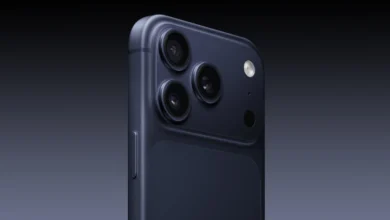
Google has recently unveiled initial teaser images for its highly anticipated Pixel 11 series, offering the public its inaugural glimpse of a novel hardware feature dubbed ‘Pixel Glow’. This addition, an intriguing ambient lighting system, marks a significant design evolution for Google’s flagship smartphone line, which has largely maintained a consistent aesthetic over recent generations. While the introduction of Pixel Glow is an exciting development, promising interesting integration possibilities and a refreshing take on smartphone notification systems, it arrives at a precarious time for the global smartphone market. Industry analysts and market observers point to a confluence of factors, including escalating component costs and shifting consumer expectations, that could present considerable challenges for the Pixel 11’s commercial trajectory, despite its innovative new feature.
The global electronics marketplace is currently navigating a period of significant volatility. Component pricing has seen an unprecedented surge throughout 2026, a trend that has already compelled numerous Android manufacturers to implement price adjustments across their product portfolios. Should recent leaks prove accurate, Google is poised to join this list, with the Pixel 11 series expected to command a higher price point than its predecessors. This development places the Pixel 11 in a challenging position, where its compelling new features, such as Pixel Glow, must contend with a broader economic reality that could temper consumer enthusiasm and intensify scrutiny over its overall value proposition.
The Return of Ambient Notifications: Unpacking Pixel Glow
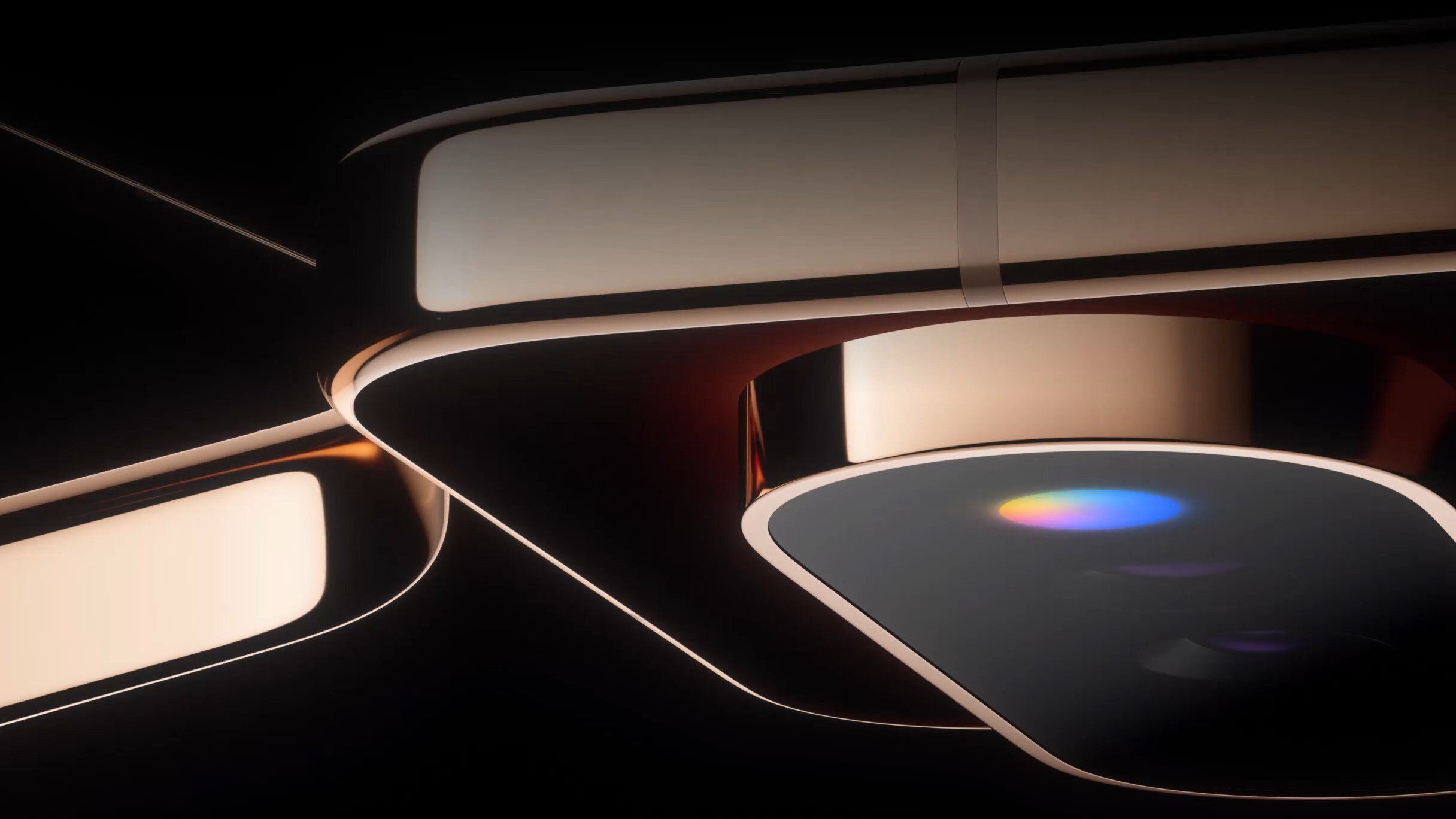
The revelation of Pixel Glow has resonated positively within the tech community, largely due to its innovative yet nostalgic appeal. Pixel Glow appears to be an integrated RGB lighting system, prominently positioned on the rear of the device, designed to serve as a customizable notification indicator. This feature harks back to the ubiquitous notification LEDs of a decade ago, which, despite their simplicity, offered users an immediate and discreet way to discern incoming alerts without fully engaging with their devices. The gradual disappearance of these LEDs, primarily driven by the industry’s relentless pursuit of bezel-less displays and cleaner front panels, left a functional void that many users lamented.
Google’s decision to reintroduce an ambient notification system, albeit on the device’s rear, represents a thoughtful response to this long-standing user preference. Modern smartphone designs, characterized by expansive edge-to-edge screens, offer minimal real estate for front-facing indicators. Placing Pixel Glow on the back not only circumvents this design constraint but also introduces new interaction paradigms. For users who frequently place their phones face down to protect the screen or minimize distractions, the rear-facing illumination would provide an effective visual cue, signaling notifications from across a room or desk. The capability to assign distinct RGB colors to specific contacts or applications would further enhance its utility, allowing for quick, glanceable prioritization of alerts.
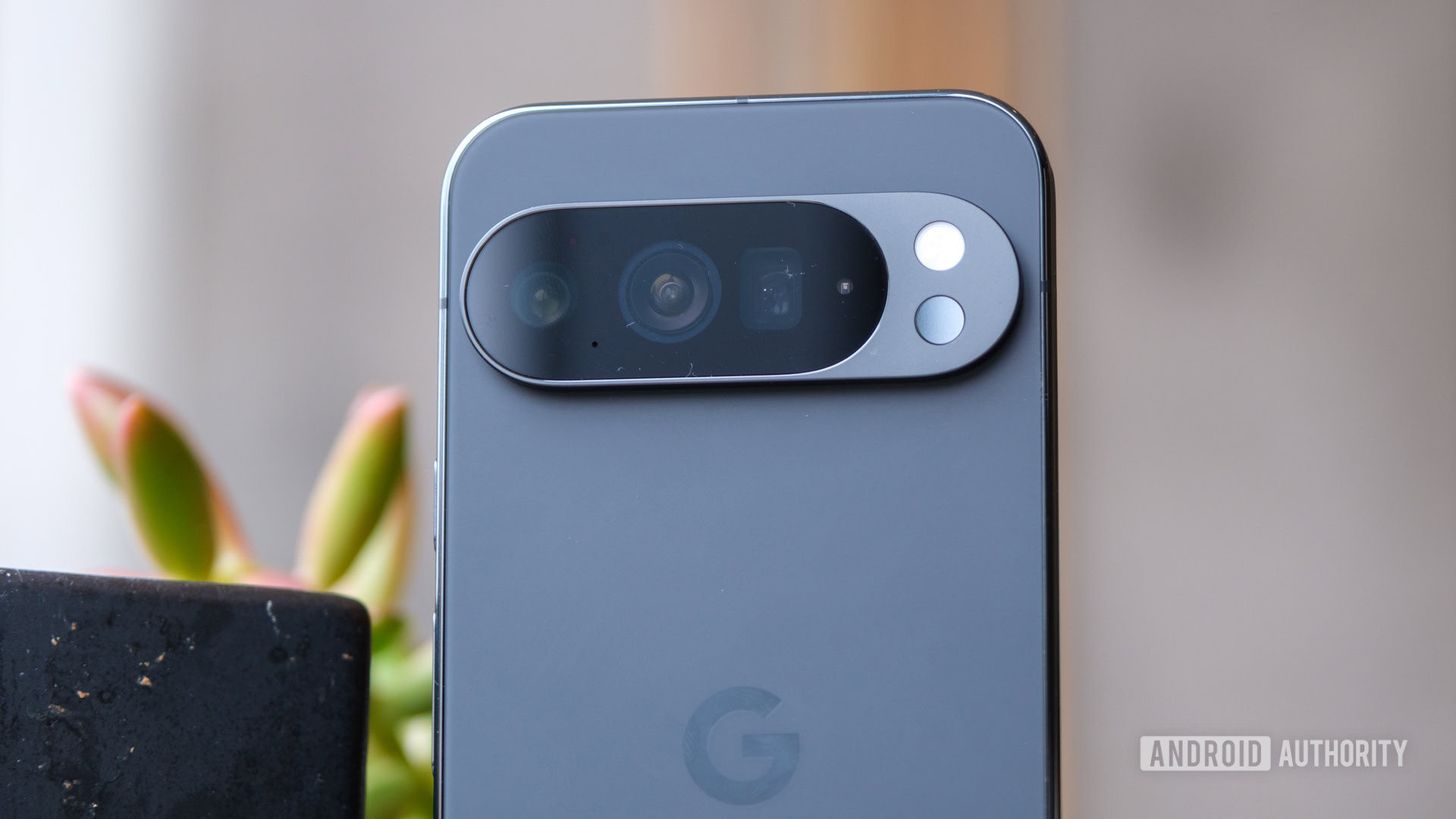
The teaser images suggest a versatile RGB lighting implementation, hinting at a broad spectrum of customization options. This opens the door for significant third-party app integration, allowing developers to leverage Pixel Glow for creative notifications, status indicators, or even dynamic visual effects synchronized with media playback. Such integration could transform Pixel Glow from a mere notification light into a dynamic, expressive element of the phone’s design, reflecting Google’s broader emphasis on personalization and intuitive user experiences within Android. This innovation aligns with Google’s strategic approach to hardware, which often focuses on unique software-hardware synergies to differentiate its Pixel line in a highly competitive market.
Navigating a Challenging Economic Landscape: The Price Surge
The impending price increase for the Pixel 11 series is not an isolated incident but rather a symptom of broader economic pressures impacting the global technology sector. Throughout 2026, the industry has contended with a perfect storm of factors driving up manufacturing costs. Persistent global supply chain disruptions, exacerbated by geopolitical tensions and lingering effects of the pandemic, have led to shortages and increased prices for critical components, particularly semiconductors. Furthermore, rising inflation rates across major economies have translated into higher raw material costs, increased labor expenses, and elevated shipping and logistics fees for manufacturers worldwide.
Several prominent Android smartphone makers, including competitors in the premium segment, have already adjusted their pricing strategies upwards in response to these macroeconomic realities. For instance, reports indicate that flagship devices from companies like Samsung and OnePlus have seen incremental price hikes over the past year, setting a precedent for the market. Google, which has traditionally positioned its Pixel flagships slightly below the peak pricing of its direct competitors, now faces the difficult decision of either absorbing these increased costs, thereby impacting profit margins, or passing them on to consumers.
Leaked information regarding the Pixel 11’s specifications, particularly the inclusion of 16GB of RAM in the Pro models, further substantiates the expectation of a higher price tag. While a larger RAM capacity offers performance benefits, it also significantly contributes to the device’s Bill of Materials (BoM). This premium component choice, coupled with the general inflationary environment, makes a starting price of over $1,300 for the top-tier Pixel 11 Pro models a realistic, if unwelcome, prospect for many consumers. This shift effectively challenges Google’s historical value proposition, where its devices often offered a premium software and camera experience at a relatively more accessible price point compared to some rivals. As prices ascend into the ultra-premium segment, the market’s expectations for every aspect of the device—from raw performance to build quality and after-sales support—will commensurately stiffen.
The Tensor G6 Under Scrutiny: Performance Demands at a Premium Price Point
With the Pixel 11 expected to enter the $1,300+ price bracket, the performance capabilities of its proprietary Tensor G6 chipset will inevitably face unprecedented scrutiny. Since its inception, Google’s Tensor chip line has been engineered with a distinct philosophy, prioritizing on-device artificial intelligence (AI) and machine learning (ML) capabilities over raw CPU and GPU benchmark scores. This focus has enabled groundbreaking computational photography features, enhanced voice processing, and advanced on-device language models, forming the core of the Pixel experience. However, this specialized approach has often meant that Tensor chips have lagged behind industry leaders like Qualcomm’s Snapdragon 8 Elite Gen 5 and Apple’s A-series processors in synthetic benchmarks and sustained peak performance.
The premium price segment demands excellence across all performance metrics. Consumers investing over $1,300 in a smartphone expect uncompromised performance in demanding applications, including graphics-intensive mobile gaming, high-resolution video editing, and seamless multitasking. Previous generations of Tensor chips have, at times, faced criticisms regarding thermal management, leading to performance throttling during extended strenuous use, and modem efficiency, impacting connectivity speeds and battery life in certain scenarios. While leaks suggest Google is actively working to enhance the Tensor G6’s overall power and efficiency, closing the substantial performance gap with chips like the Snapdragon 8 Elite Gen 5 in a single generation represents a formidable engineering challenge.
For the Pixel 11 to justify its projected price, the Tensor G6 must deliver a flagship-tier experience in areas traditionally not considered Google’s primary focus. This includes delivering consistently high frame rates in the most demanding mobile games, ensuring smooth and stable 8K video recording (if offered) without overheating, and providing robust, energy-efficient modem performance. The narrative that Google’s chips are "good enough" for daily tasks will no longer suffice when competing directly against devices that consistently top performance charts. The market’s shift towards higher pricing mandates a more holistic approach to hardware performance, forcing Google to engage in a performance battle it historically sought to redefine.
Beyond Software Supremacy: A Maturing Ecosystem
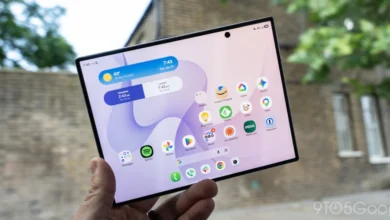
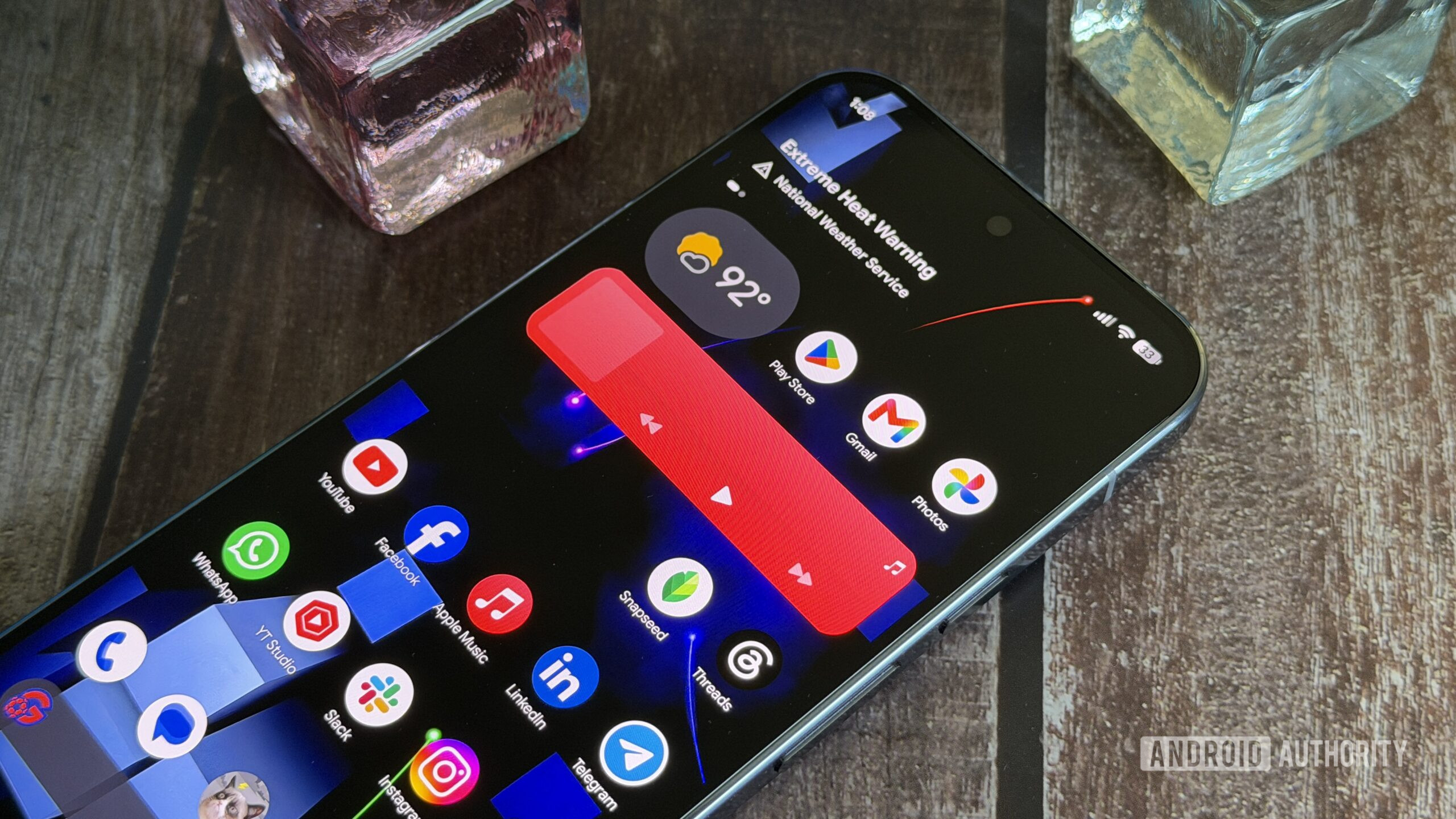
For years, Google’s Pixel smartphones have carved out a unique niche through their unparalleled software experience. The promise of a "pure Android" interface, coupled with timely updates, exclusive Pixel-first features, and extended software support, has been a significant differentiator. The upcoming Android 17, as demonstrated on devices like the Pixel 10 Pro Fold, continues this tradition with innovations like Material 3 Expressive design, which prioritizes intuition and personalization, and "app bubbles" for a more streamlined multitasking experience. Google’s consistent "Pixel feature drops" have further enhanced the user experience by regularly introducing new capabilities and refinements.
However, the landscape of Android software is evolving rapidly. Competitors, particularly Samsung with its One UI, have made remarkable strides in refining their custom Android skins. Samsung has significantly improved its update cadence, often delivering major Android versions and security patches with impressive speed and reliability. One UI itself has matured into a robust, feature-rich, and highly customizable interface that appeals to a broad user base. The argument that Google’s software is "head and shoulders" above the competition, while still holding weight for some purists, is becoming increasingly nuanced as other manufacturers invest heavily in their software ecosystems.
In a market where flagship devices are converging on hardware specifications and design, software experience remains a critical battleground. Yet, the diminishing gap in software quality means that software alone can no longer serve as the primary justification for potential hardware compromises or significant price increases. While Google’s commitment to long-term software support and a clean Android experience remains commendable, it must now be viewed as a foundational expectation rather than a unique selling proposition capable of offsetting perceived deficiencies in other areas, particularly as pricing escalates.
Computational Photography: Still a Pillar, But Not Unique
Google’s pioneering work in computational photography has undeniably redefined smartphone imaging. Features like HDR+, Night Sight, Magic Eraser, Photo Unblur, and Real Tone have set industry benchmarks, demonstrating how advanced software algorithms can extract extraordinary detail and quality from relatively modest camera hardware. The Pixel camera experience has consistently been lauded for its point-and-shoot reliability and its ability to produce stunning results across a wide range of conditions.
Nevertheless, the competitive landscape in smartphone photography has intensified dramatically. Apple, Samsung, and Chinese manufacturers like Huawei and Xiaomi have heavily invested in their own computational photography stacks and advanced camera hardware. These competitors now offer camera systems that, while perhaps differing in their aesthetic output, often rival or even surpass Pixel’s capabilities in specific scenarios. For instance, some rival flagships boast superior optical zoom capabilities, larger sensors for better low-light performance, or more versatile video recording options.
While Pixel cameras remain excellent, they are no longer in a league of their own. The perception that Google’s computational photography provides an insurmountable advantage has eroded as competitors have caught up, offering sophisticated AI-driven enhancements and robust feature sets. For the Pixel 11, simply having "reliable" cameras may not be enough to justify a premium price tag when consumers can find equally impressive, if not technically superior, camera experiences elsewhere. Google must continue to innovate aggressively in both hardware and software to maintain its photographic edge and ensure its camera system remains a compelling draw.
Implications and Outlook for the Pixel 11
Google’s journey with its Pixel hardware has seen a largely positive, albeit not always linear, progression. The devices have gained traction, and the company has cultivated a loyal user base drawn to its unique blend of software, AI, and photographic prowess. However, the economic realities of 2026 present an unprecedented challenge for the Pixel 11. The confluence of skyrocketing component costs, the necessity of incorporating high-end specifications like 16GB of RAM in Pro models, and the intensified competitive pressure across performance and software fronts places Google in a particularly vulnerable position.
The Pixel 11, with its anticipated higher price point, will be judged against the very best in the market. This means it must not only excel in its traditional strongholds—software experience and computational photography—but also demonstrate significant improvements in raw performance, thermal management, and battery efficiency, areas where Tensor chips have historically faced questions. Google’s strategic intent for Tensor has never been to lead in synthetic benchmarks, but market forces are now pushing the Pixel 11 into a direct confrontation with rivals on these very terms.
While Pixel Glow is a genuinely exciting and welcome innovation, offering a distinctive aesthetic and functional enhancement, it serves as a bright spot amidst a darkening economic forecast. Its appeal as a unique differentiating feature is undeniable, allowing the Pixel 11 to shine, quite literally, in a crowded market. However, a novel notification system, no matter how elegant, may not be sufficient to fully insulate the Pixel 11 from the rigorous expectations and financial scrutiny that accompany a premium price tag in a challenging economic climate. Google’s strategic navigation of these pressures will determine whether the Pixel 11 can maintain its positive momentum or if it will find itself in a fight where its inherent strengths may not be enough to secure a decisive victory.