Meta Horizon Plus Unveils Major Xbox Game Pass Integration for Quest Headsets, Expanding VR Gaming Horizons

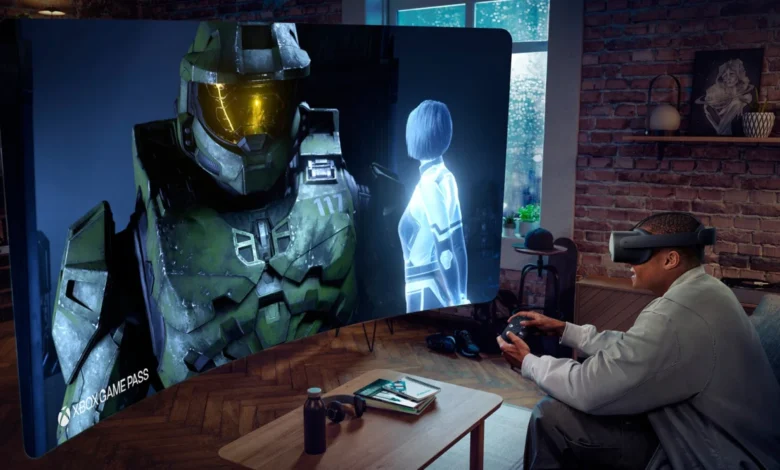
Meta has announced a significant expansion of its virtual reality gaming ecosystem, revealing a strategic partnership with Xbox to integrate a "starter edition" of Xbox Game Pass into its Meta Horizon Plus subscription service. This collaboration, effective immediately from July 21, marks a pivotal moment for both companies, aiming to bring a vast library of traditional console and PC games to Meta Quest headset users through cloud streaming and downloadable options, coupled with cross-platform progression. The move is expected to dramatically enhance the value proposition of Meta’s VR offerings and further solidify Xbox Game Pass’s position as a ubiquitous gaming subscription service across diverse platforms.
Strategic Alliance Reshapes VR Gaming Landscape
The core of this groundbreaking announcement revolves around Meta Horizon Plus, the gateway to an expanding universe of VR games and experiences on Meta’s Quest headsets, now fortified by the expansive catalog of Xbox Game Pass. This integration is designed to bridge the gap between immersive virtual reality and the vast world of traditional gaming, offering Quest users unprecedented access to a diverse array of titles. The "starter edition" of Xbox Game Pass, available as part of the Horizon Plus subscription, promises a library exceeding 50 games, encompassing both critically acclaimed AAA blockbusters and innovative indie titles. Among the initial confirmed games are Bethesda Softworks’ post-apocalyptic epics Fallout 4 and Fallout 76, the chaotic culinary co-op experience Overcooked 2 from Ghost Town Games, and the deep space mining adventure Deep Rock Galactic. This curated selection underscores a clear intent to provide a rich and varied gaming experience right from the outset.
A standout feature of this integration is the provision of 10 hours of cloud gaming each month. This innovative approach allows users to stream games directly to their Quest headsets without the need for extensive downloads or significant local storage, leveraging the power of cloud technology. This capability not only frees up valuable space on the VR device but also enables users to engage in multiplayer sessions with others on cloud platforms or PCs, fostering a more connected gaming community. For those who prefer uninterrupted access, Meta has confirmed that an option to download titles from the Game Pass library for unlimited play will also be available, offering flexibility to suit different user preferences and internet connectivity situations.
Perhaps one of the most compelling aspects for existing gamers is the promise of synced progression. This feature ensures that game progress and saved data remain consistent across multiple devices. Whether a user is playing on an Xbox console, a PC, a Meta Quest headset, or another supported device, their gaming journey will seamlessly continue from where they left off. This cross-platform continuity is a significant quality-of-life improvement, eliminating the friction often associated with moving between different gaming ecosystems and enhancing the overall convenience for players who invest time across various platforms. Furthermore, the integration will offer users opportunities to earn additional rewards by engaging with the Game Pass library through their Horizon Plus subscription. The full rollout of Xbox Game Pass for Meta Horizon Plus subscribers commenced on July 21.
Subscription Details and Enhanced Value
The Meta Horizon Plus subscription, now significantly bolstered by the Xbox Game Pass integration, is priced at $59.99 USD per year or $7.99 USD per month. To encourage adoption and allow potential subscribers to experience the enhanced offering, Meta is also providing an enticing incentive: a free month-long trial. Beyond the Game Pass library, a Horizon Plus subscription continues to include exclusive deals and discounts aimed at helping users expand their native Meta Quest game library, further cementing its value proposition as a comprehensive VR gaming service. This pricing structure positions Horizon Plus competitively, offering a wealth of content for a dedicated VR audience.
Technological Innovations and Future Prospects
Looking ahead, Meta is actively developing further enhancements to the user experience. A highly anticipated feature set to roll out in the coming weeks is the ability for Quest Touch controllers to emulate an Xbox gamepad. This innovation aims to provide a more intuitive and immersive control scheme for traditional games within the VR environment, eliminating the immediate need for a separate physical controller. While this emulation feature is being finalized, users currently have the flexibility to play their Xbox Game Pass titles on their Quest headset either without a controller, utilizing existing VR input methods, or by pairing a traditional Xbox controller for a more familiar gaming experience. This dual approach caters to different player preferences and ensures immediate accessibility to the new content.
This announcement builds upon a history of collaboration between Meta and Xbox, signaling a deepening strategic alliance. A notable precursor to this extensive integration was the limited-edition Meta Quest 3S Xbox Edition, launched in June 2024. This special headset, which quickly sold out from Meta’s storefronts and became a sought-after item among consumers and resellers, highlighted the strong demand for a fusion of the Xbox and Quest brands. The Xbox Edition Quest 3S distinguished itself with a classic green and black Xbox color scheme, special packaging, a preinstalled Elite Strap, and crucially, an Xbox controller included and pre-paired with the system, offering an out-of-the-box gaming experience designed for immediate play. This earlier partnership served as a tangible proof of concept for the potential synergy between the two companies’ ecosystems.
Background and Context: The Evolving Gaming Landscape
The gaming industry has witnessed a significant shift towards subscription-based models, with services like Xbox Game Pass leading the charge. Launched in 2017, Xbox Game Pass revolutionized how consumers access games, offering a Netflix-like library of titles for a monthly fee. Its success lies in its broad appeal, offering day-one access to new first-party titles, a rotating selection of third-party games, and cross-platform accessibility across Xbox consoles, PCs, and cloud streaming. Microsoft’s strategy with Game Pass has consistently been to expand its reach to as many screens as possible, moving beyond the confines of dedicated console hardware.
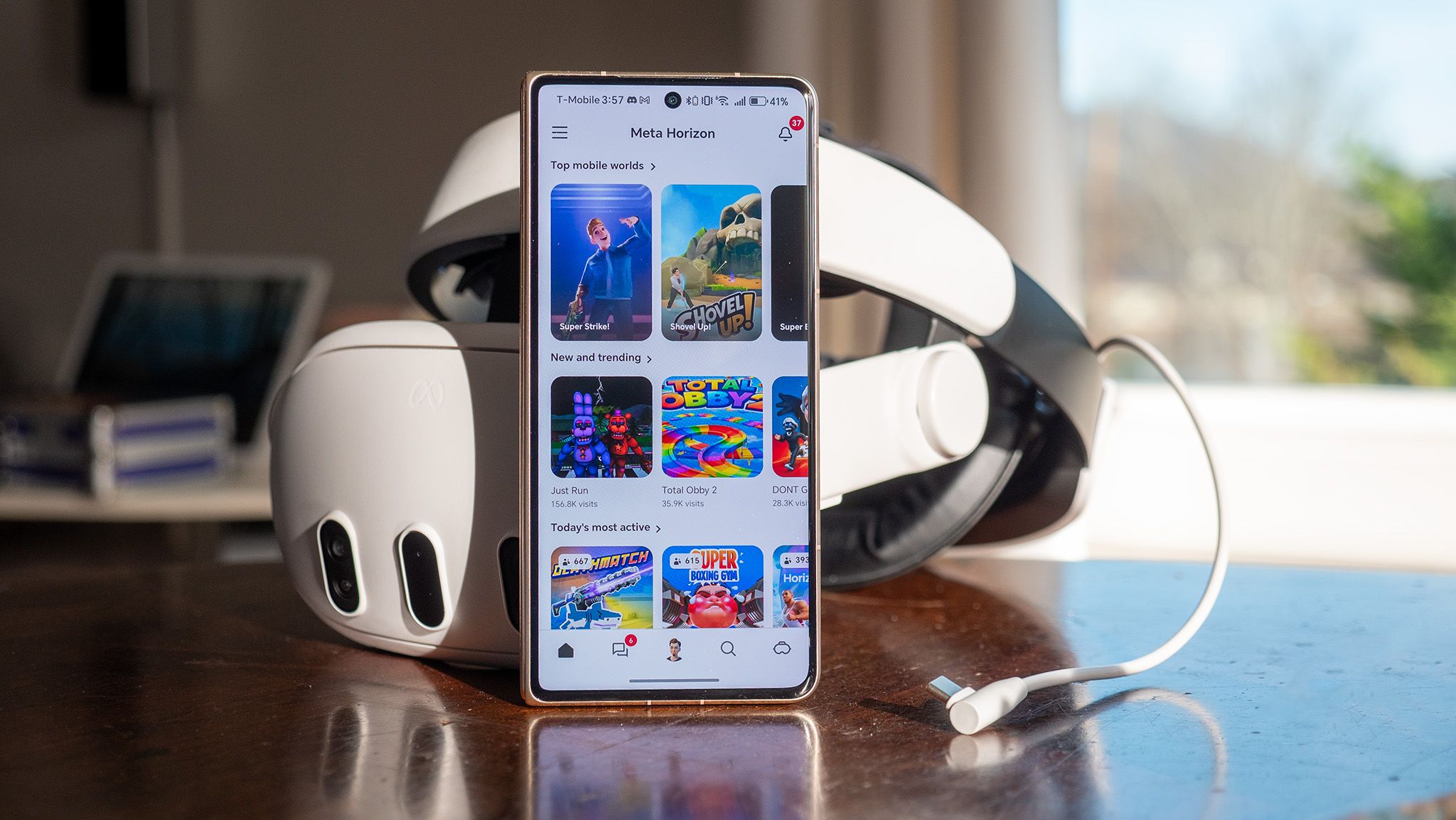
Concurrently, Meta has been at the forefront of the consumer virtual reality market with its Quest line of headsets. Since the release of the original Oculus Quest in 2019, Meta has invested heavily in making VR accessible and compelling for a mainstream audience. A key challenge for VR adoption has been the availability of compelling content and the perception of VR as a niche gaming platform. Meta Horizon Plus was introduced as a means to curate and deliver premium VR experiences, aiming to address the content library concern. By integrating Xbox Game Pass, Meta is not only expanding its library but also tapping into a vast existing base of popular IP and established gaming habits.
This collaboration can be seen as a strategic response to the increasing convergence of gaming platforms and the growing importance of cloud gaming. Both Meta and Xbox recognize the potential of streaming technology to deliver high-fidelity gaming experiences without the need for high-end local hardware, a particularly relevant advantage for standalone VR headsets like the Meta Quest. The partnership also underscores Meta’s ongoing commitment to open its VR platform to external content providers, moving away from a purely first-party content strategy to one that embraces broader gaming ecosystems.
Official Stances and Anticipated Reactions
While specific executive quotes for this particular announcement were not immediately detailed in the original source, the overarching strategies of both Meta and Microsoft provide clear insight into their perspectives. Meta representatives have consistently highlighted their commitment to expanding the Meta Quest ecosystem and making VR gaming more accessible and appealing to a wider audience. This partnership with Xbox Game Pass aligns perfectly with that vision, offering a massive influx of high-quality content that can attract both new VR users and seasoned gamers looking to explore VR. The emphasis on seamless cross-platform progression and flexible play options (cloud vs. download, controller vs. Quest Touch emulation) reflects a user-centric approach aimed at minimizing friction and maximizing enjoyment.
From Microsoft’s perspective, this collaboration represents another crucial step in extending the reach of Xbox Game Pass. Microsoft CEO Satya Nadella has frequently articulated the company’s "gaming everywhere" strategy, emphasizing the importance of making Xbox content available on any screen. Integrating Game Pass into Meta Horizon Plus for Quest headsets provides a significant new frontier for this strategy, allowing Microsoft to tap into the burgeoning VR market without needing to develop its own proprietary VR hardware. It also further strengthens the narrative that Game Pass is an indispensable gaming service, transcending traditional console boundaries.
Market analysts are expected to view this partnership as a highly positive development for both companies. For Meta, it provides a much-needed boost to its content library, potentially driving higher subscription numbers for Meta Horizon Plus and increasing overall Quest headset sales. It could also help to differentiate the Quest platform from competitors by offering a unique blend of native VR and traditional flat-screen gaming. For Xbox, the expansion into VR represents a strategic move to future-proof Game Pass and maintain its competitive edge in the evolving subscription landscape. The gaming community’s reaction is anticipated to be largely enthusiastic, particularly among Quest owners who will now have access to a wealth of new gaming options.
Broader Impact and Implications for the Industry
The integration of Xbox Game Pass into Meta Horizon Plus carries significant implications for various stakeholders within the gaming industry:
For Meta and the Meta Quest Ecosystem: This partnership is a game-changer for Meta’s VR strategy. By leveraging established AAA and indie titles from Xbox Game Pass, Meta can address one of the primary challenges facing VR adoption: the perception of a limited content library. This influx of games instantly makes the Quest platform more attractive, potentially driving hardware sales and Meta Horizon Plus subscriptions. It positions Quest not just as a VR device, but as a versatile gaming hub capable of delivering both native VR experiences and traditional gaming in an immersive setting. This move could also help solidify Meta’s leadership in the standalone VR market against competitors by offering a unique value proposition.
For Xbox and Microsoft’s Gaming Strategy: For Microsoft, this is a masterful stroke in its "gaming everywhere" ambition. It expands Game Pass into a significant new form factor – virtual reality – without the substantial investment of developing its own VR hardware ecosystem. This reinforces Game Pass as a platform-agnostic service, further cementing its position as a dominant force in subscription gaming. It also allows Microsoft to experiment with cloud gaming in a VR context, gathering valuable data and insights that could inform future technological developments. This move subtly positions Microsoft to benefit from the growth of VR, regardless of which hardware manufacturer ultimately succeeds, by ensuring its content is present.
For the Broader Gaming Industry: This collaboration signals a further blurring of lines between traditional gaming and virtual reality. It suggests a future where gaming content is increasingly platform-agnostic, accessible across a multitude of devices through subscription services and cloud streaming. This could spur other platform holders, particularly those with VR ambitions (e.g., Sony with PlayStation VR2), to consider similar cross-platform content strategies. It also highlights the growing importance of subscription models and cloud infrastructure in shaping the future of game distribution and consumption. The emphasis on synced progression across devices sets a new standard for user convenience and cross-platform playability.
For Consumers: The immediate beneficiaries are Meta Quest owners and potential buyers. They gain access to a much larger and more diverse game library, including titles they might already own or have progress in on other platforms, all for the existing Meta Horizon Plus subscription fee. The flexibility of cloud streaming versus downloading, coupled with the choice of control methods, caters to a wide range of preferences. This partnership delivers substantial added value, making VR a more compelling and integrated part of a multi-platform gaming lifestyle. It lowers the barrier to entry for experiencing popular traditional games in a unique VR context, potentially attracting new demographics to virtual reality.
In conclusion, the integration of Xbox Game Pass into Meta Horizon Plus represents a landmark development for both companies and the wider gaming industry. It significantly enriches Meta’s VR content offering, strengthens Xbox’s ubiquitous Game Pass strategy, and propels the convergence of traditional and virtual reality gaming into a more unified, accessible future. This strategic alliance is poised to redefine expectations for content availability and cross-platform functionality within the rapidly evolving landscape of interactive entertainment.