SEO Services Under Scrutiny: A Deep Dive into Client Satisfaction, Spending Trends, and Industry Turnover

The landscape of Search Engine Optimization (SEO) services has undergone a profound transformation in recent years, driven by a confluence of evolving search algorithms, the pervasive influence of artificial intelligence, and intensified competition across virtually every industry sector. A new comprehensive report, drawing data from multiple authoritative sources including a pivotal survey of 1,200 business owners, offers a granular look into the current state of this dynamic $119.4 billion industry, revealing critical insights into spending patterns, client satisfaction levels, and the underlying factors shaping these trends.

The Evolving Digital Frontier: AI and Competition Redefine SEO
The foundation of SEO has shifted dramatically from its earlier days, when simple keyword optimization could yield significant results. Today, search engines, particularly Google, leverage sophisticated artificial intelligence (AI) models like BERT, MUM, and the emerging Search Generative Experience (SGE) to understand user intent with unprecedented nuance. This paradigm shift demands that SEO strategies move beyond technical fixes to encompass comprehensive content quality, user experience, and a deeper understanding of semantic relationships. Businesses that fail to adapt risk being left behind, intensifying the demand for expert SEO services. Concurrently, the proliferation of digital businesses means that the competition for prime search rankings has never been fiercer, compelling companies to invest more strategically and effectively in their online visibility.
A Billion-Dollar Industry: Dissecting SEO Spending Habits
The financial commitment to SEO and digital marketing consulting in the United States alone is staggering, projected at $119.4 billion annually as of 2025. This figure underscores the critical role businesses attribute to search visibility in their overall marketing strategies. However, closer examination reveals a diverse spending landscape, particularly among small businesses.
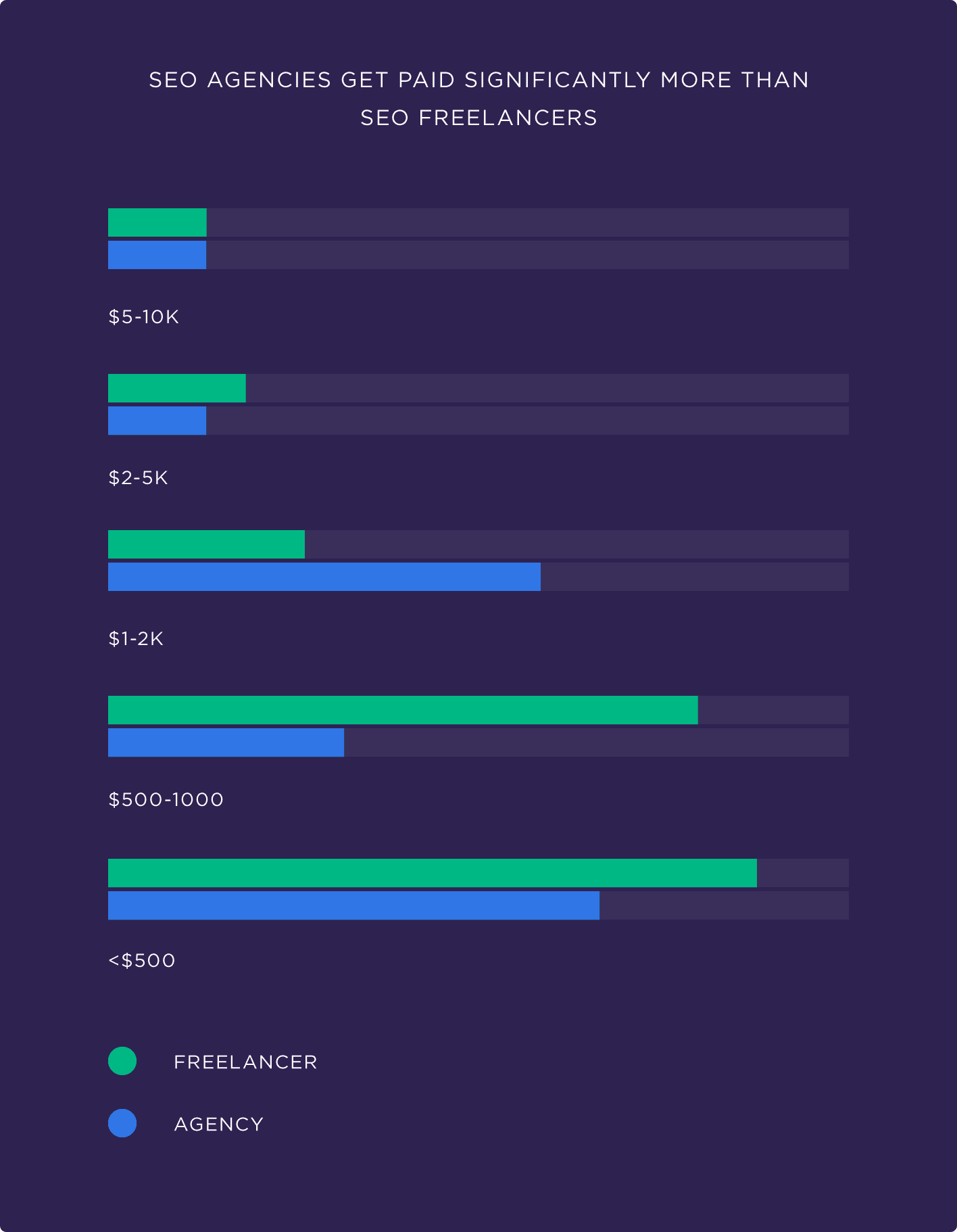
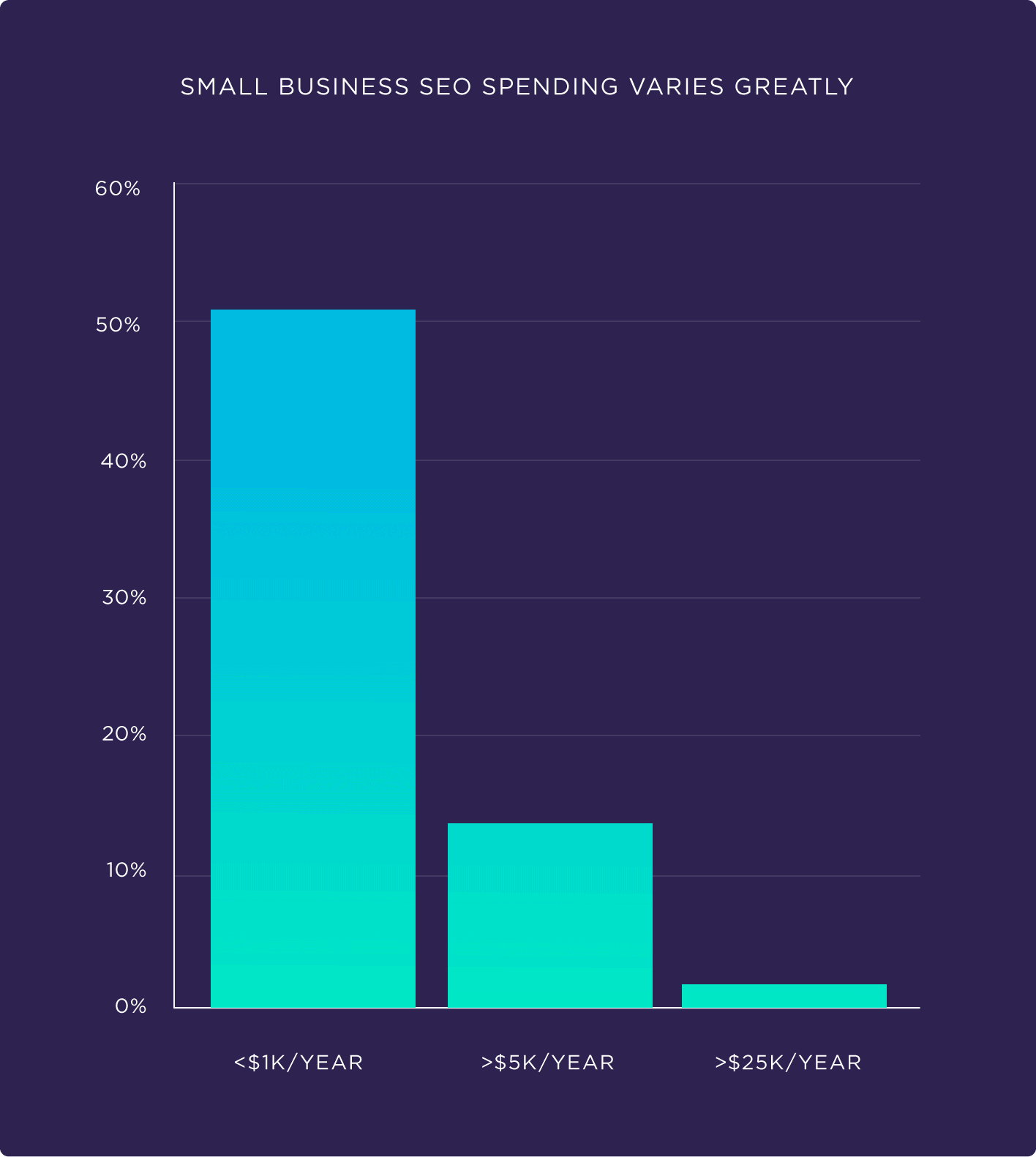
According to 2019 research, small businesses typically allocate an average of $497.16 per month to SEO services. Yet, this average masks significant variation. A substantial 50% of respondents reported spending less than $1,000 per year on SEO, indicating a large segment of businesses making minimal investments. In contrast, 14% invest over $5,000 annually, and a select 2% commit more than $25,000 per year, highlighting a clear stratification in resource allocation.
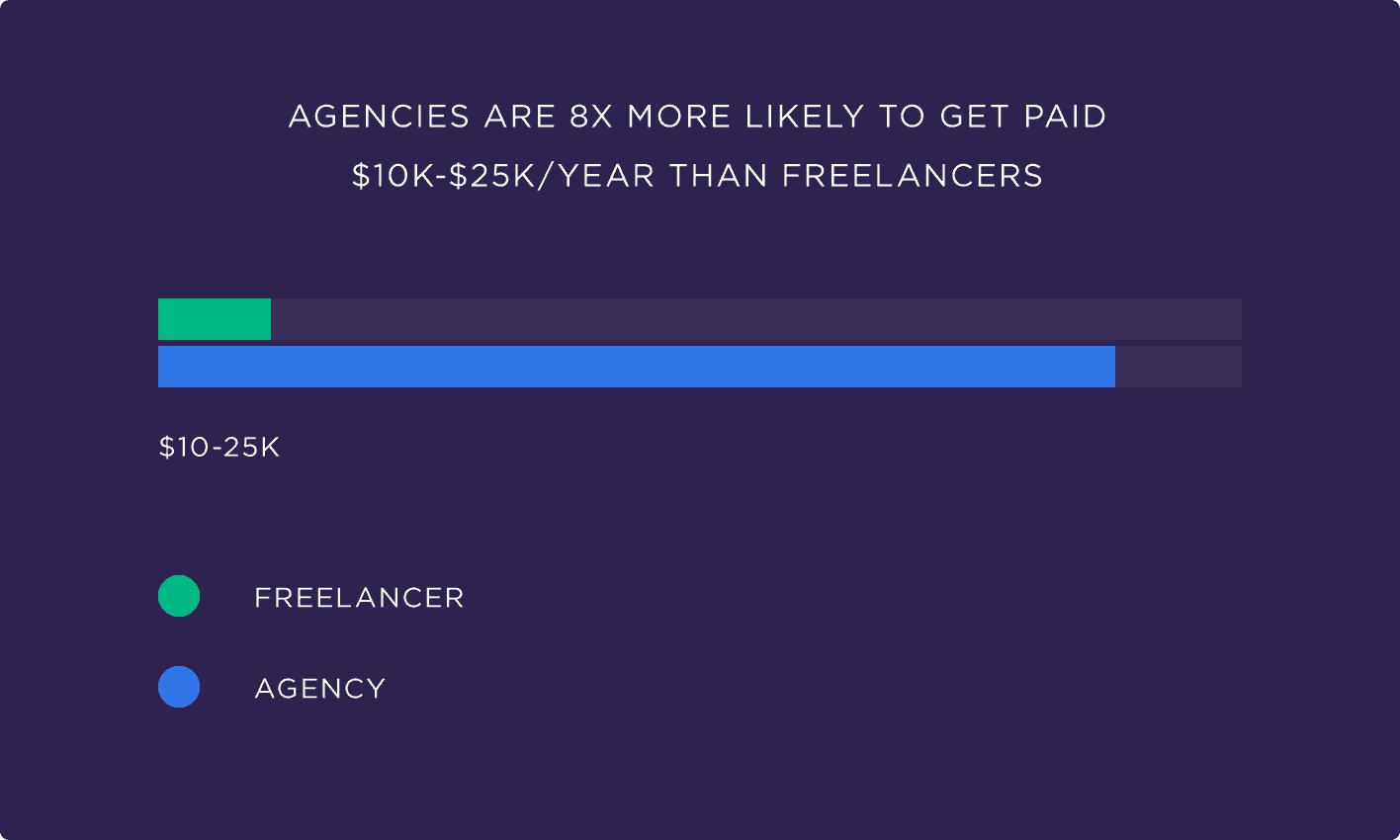
The report also sheds light on the disparity in remuneration between different types of SEO providers. Agencies, often perceived as offering more comprehensive services and greater infrastructure, are twice as likely to secure monthly retainers in the $1,000-$2,000 range compared to freelance SEO professionals, who predominantly operate within the $500-$1,000 per month bracket. This trend extends to the high-end market, where agencies overwhelmingly dominate. An impressive 24% of small businesses working with agencies spend between $10,000 and $25,000 annually, a figure eight times higher than the 2% observed for freelance engagements in the same spending tier. This suggests that businesses with larger budgets and more complex needs tend to gravitate towards the structured offerings of agencies, while freelancers often cater to smaller-scale operations.
The Direct Link: Higher Investment, Greater Satisfaction
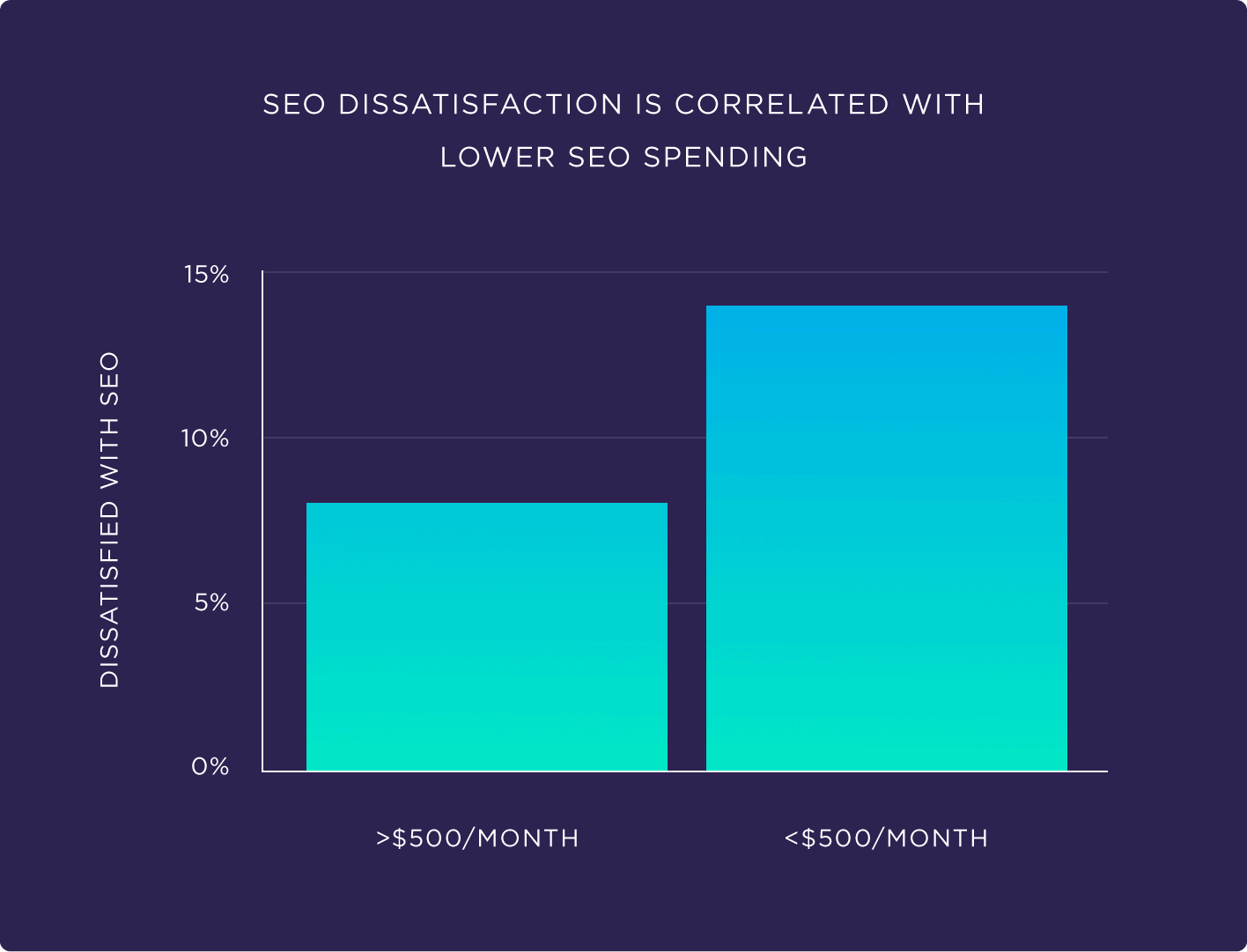
A compelling finding from the report establishes a strong correlation between the level of SEO spending and client satisfaction. The adage "you get what you pay for" appears to hold true in the realm of SEO. Specifically, clients investing over $500 per month were 53.3% more likely to report being "extremely satisfied" with their small business SEO services compared to those who spent less than this threshold. Conversely, dissatisfaction levels were markedly higher among lower-spending clients; business owners allocating under $500 monthly were 75% more prone to expressing discontent.
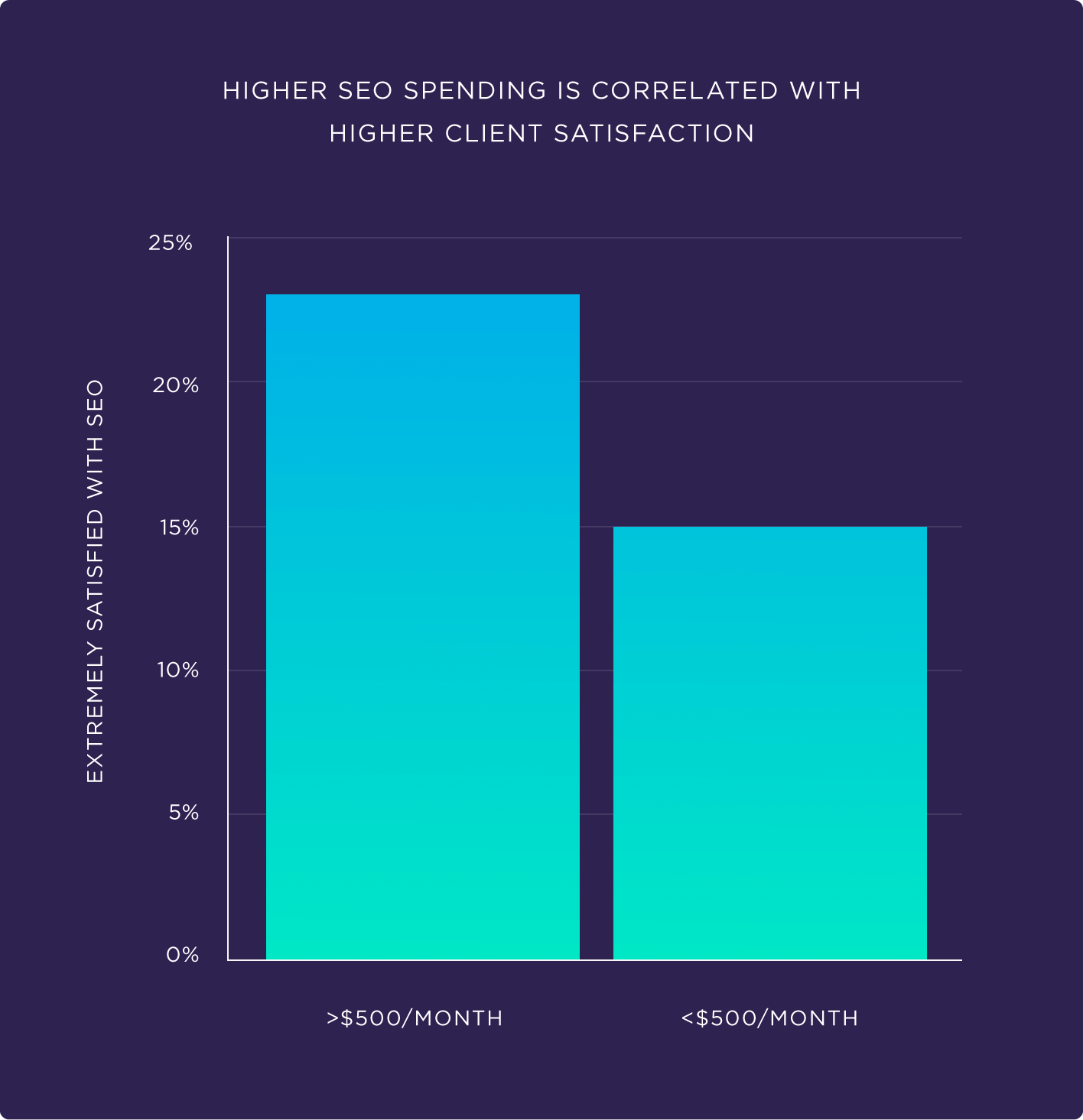
This trend was consistent across all provider types – freelancers, agencies, or a combination thereof. Industry analysts suggest that this correlation extends beyond mere monetary value. Higher investments often enable providers to dedicate more resources, talent, and advanced tools to a campaign, leading to more robust strategies and, ultimately, better results. Furthermore, clients making a more significant financial commitment might also be more engaged, proactive in implementing recommendations, and possess a clearer understanding of SEO’s long-term value, all of which contribute to a more positive experience.
Navigating the Provider Landscape: How Businesses Find and Choose SEO Expertise
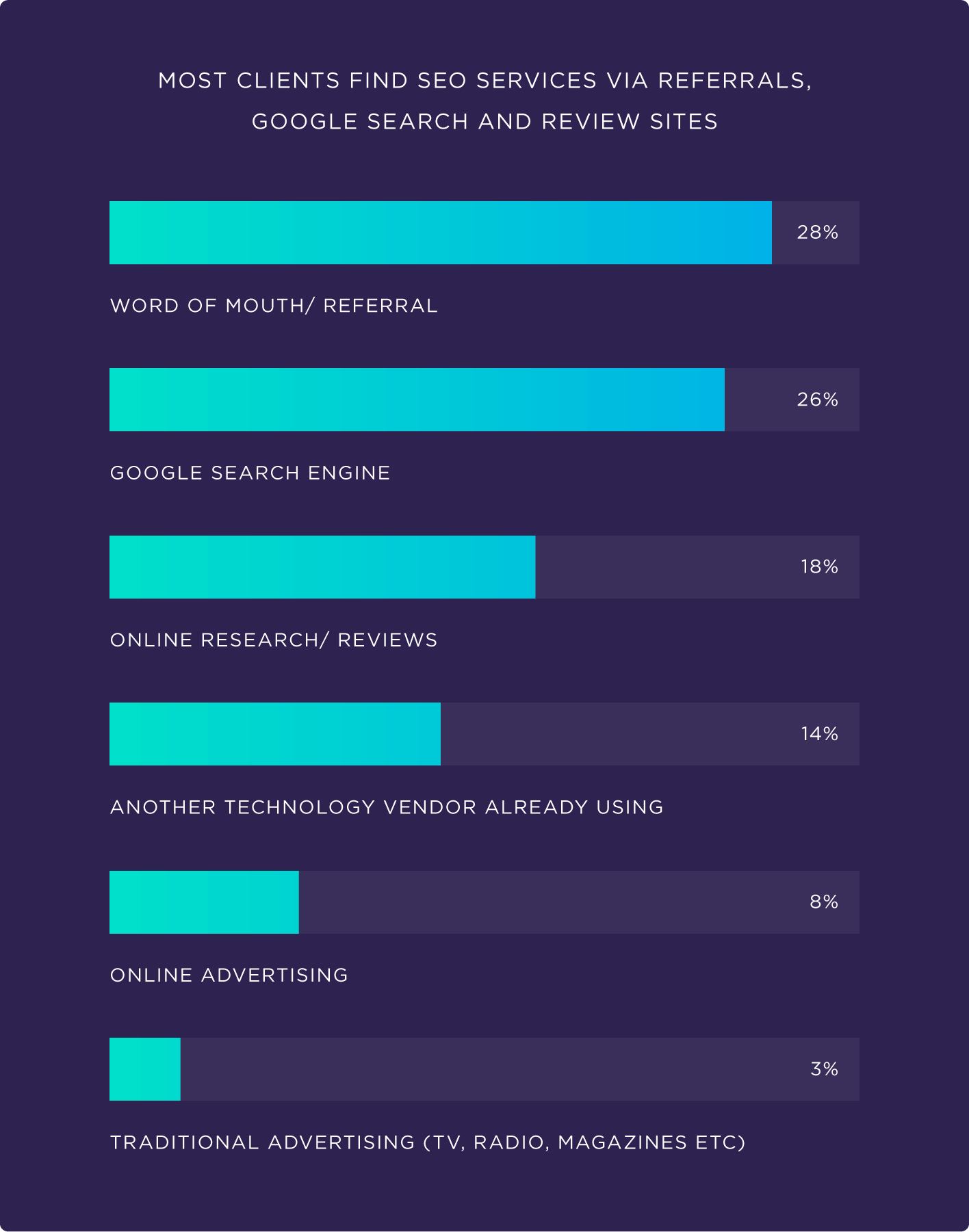
When a business decides to seek external SEO expertise, their search typically begins through established and trusted channels. The survey highlights that most small business owners discover potential SEO providers through personal referrals, direct Google searches, and online review platforms such as Yelp. This emphasis on organic discovery and word-of-mouth recommendations underscores the importance of a strong reputation and visible online presence for SEO firms themselves. In stark contrast, online advertising accounts for a mere 8% of client acquisition, suggesting its limited effectiveness in this particular service sector.
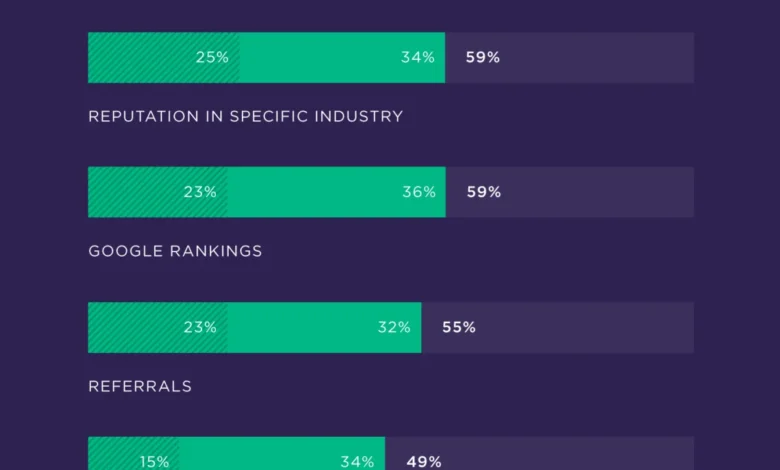
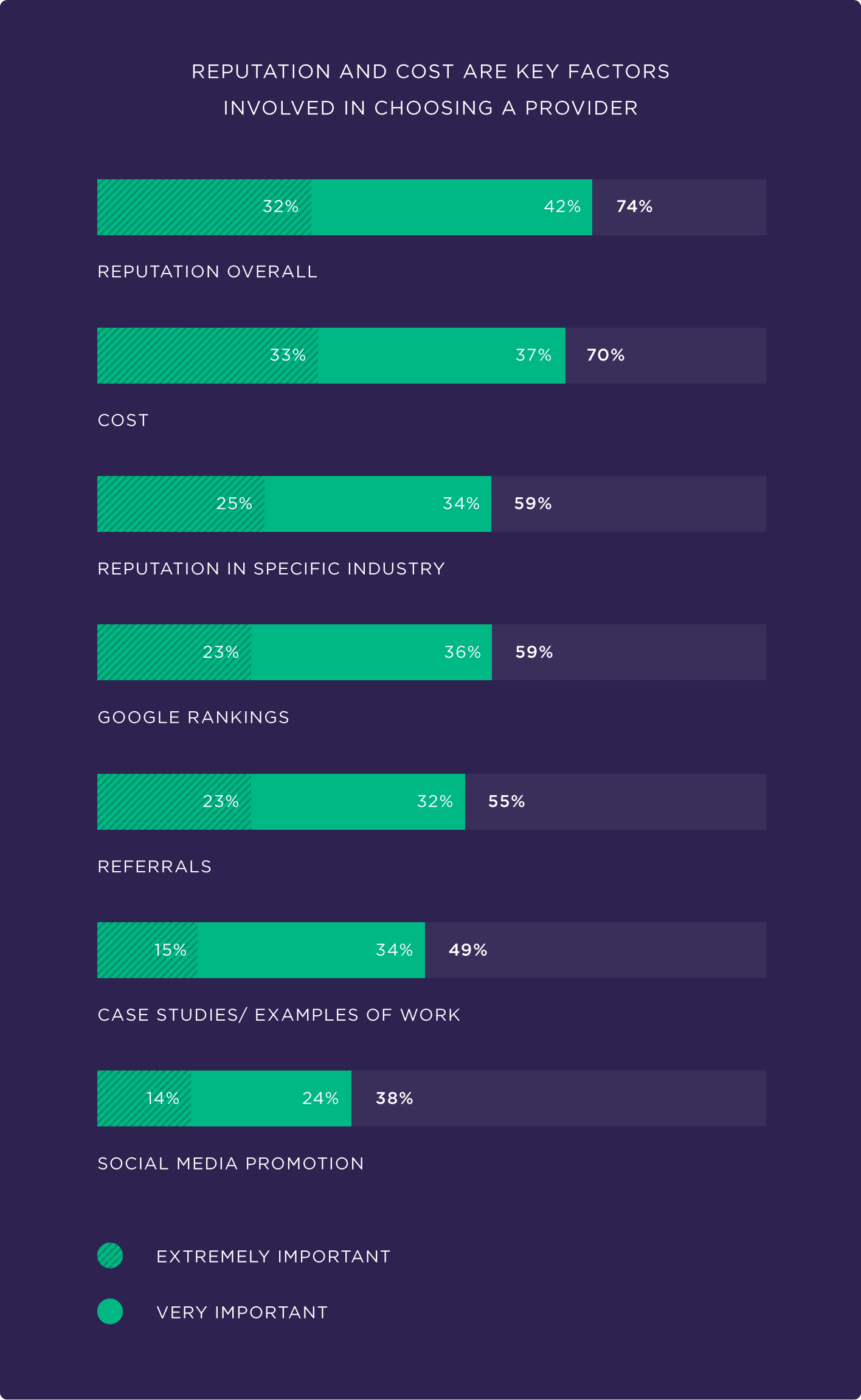
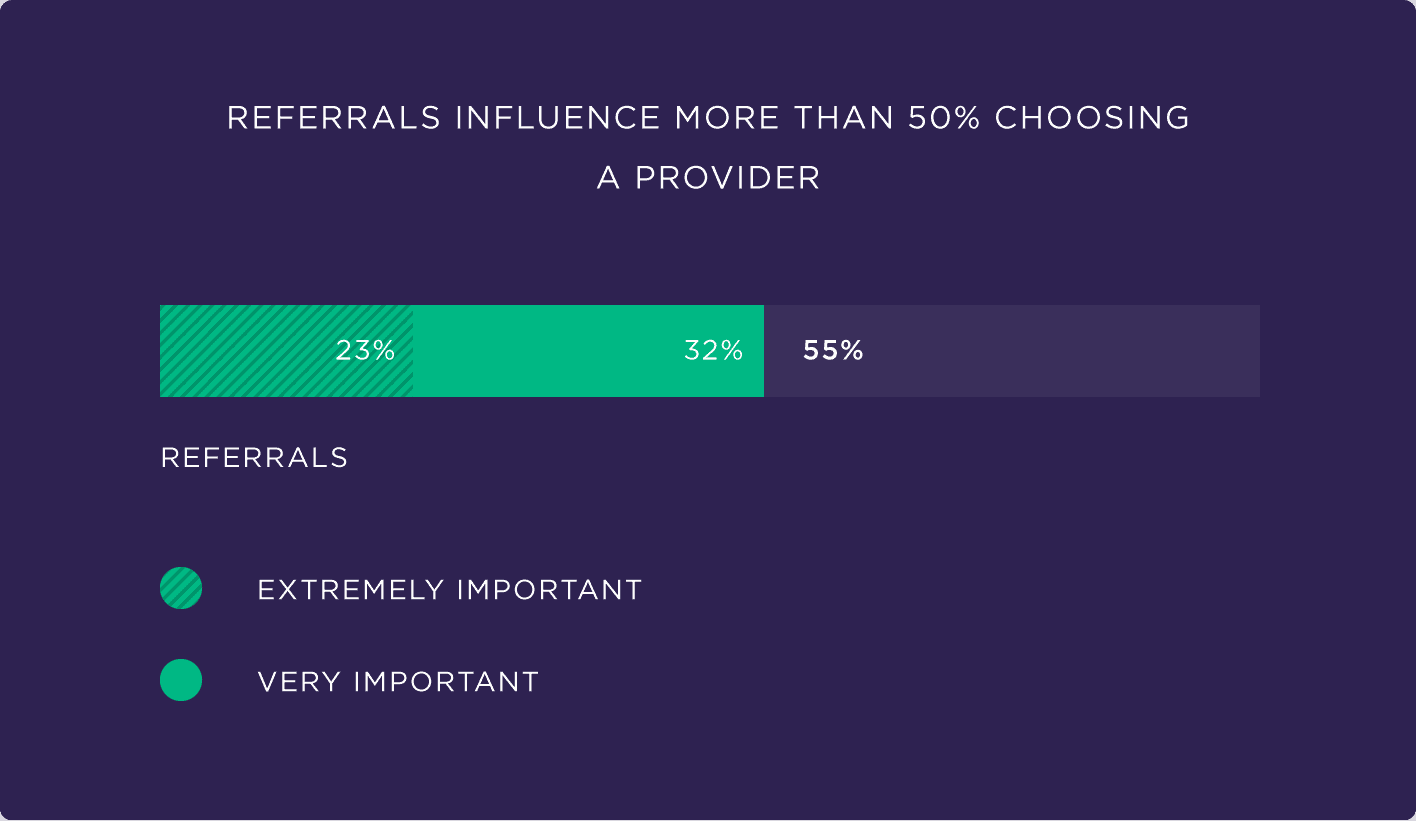
Once a list of potential providers is compiled, several critical factors weigh heavily on a business owner’s final decision. Reputation stands paramount, with 74% of business owners deeming it "very" or "extremely" important. This signifies a deep-seated desire for trustworthiness and proven success. Monthly cost is, predictably, another significant consideration, reflecting the ongoing budget implications. Interestingly, a provider’s own Google rankings are also noted as an important factor – a practical demonstration of their expertise. Less critical, though still influential, are client case studies and the provider’s social media presence. While 55% cited referrals as an important consideration, it still ranked below the broader concept of "reputation," suggesting that while direct recommendations are valuable, an overall positive perception is more impactful.
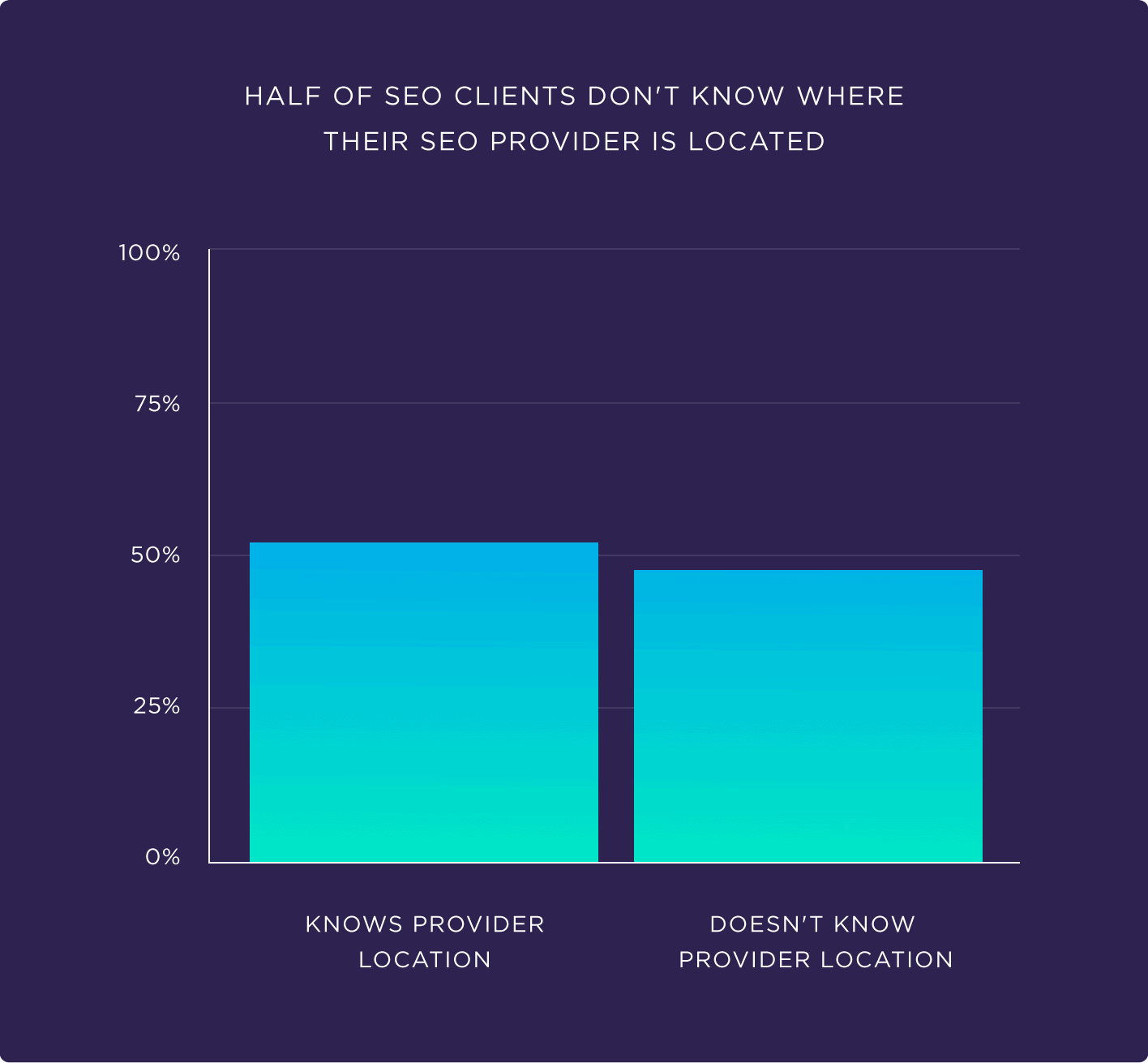
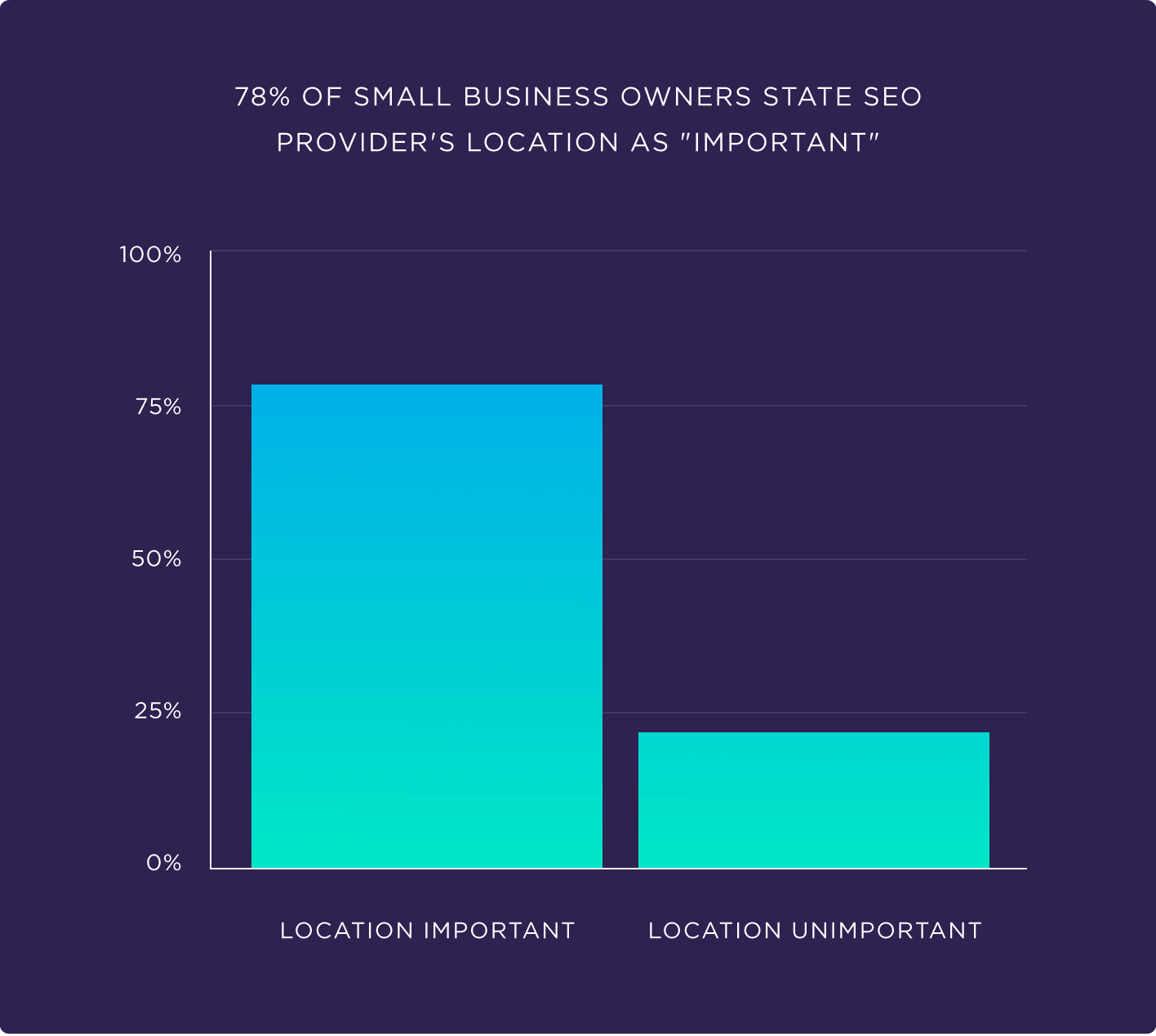
A nuanced insight emerged regarding location: although only 51% of clients knew the precise location of their SEO provider, a striking 78% of US-based small businesses considered a provider’s location "extremely" or "very" important, with 46% emphasizing its extreme importance. This apparent contradiction suggests that while proximity might not be a deal-breaker, the perception of a tangible, identifiable presence contributes to a sense of security and accountability. SEO providers are encouraged to make their location clear and visible, perhaps even showcasing their office, to foster greater trust with potential clients.
Client Expectations: Focusing on Growth, Not Just Metrics
The demand for SEO services is intrinsically linked to businesses’ growth ambitions. A recent 2025 survey highlighted that a remarkable 91% of companies utilizing SEO services reported a positive impact on their website performance and broader marketing objectives. This high success rate naturally fuels lofty expectations when engaging an SEO provider.
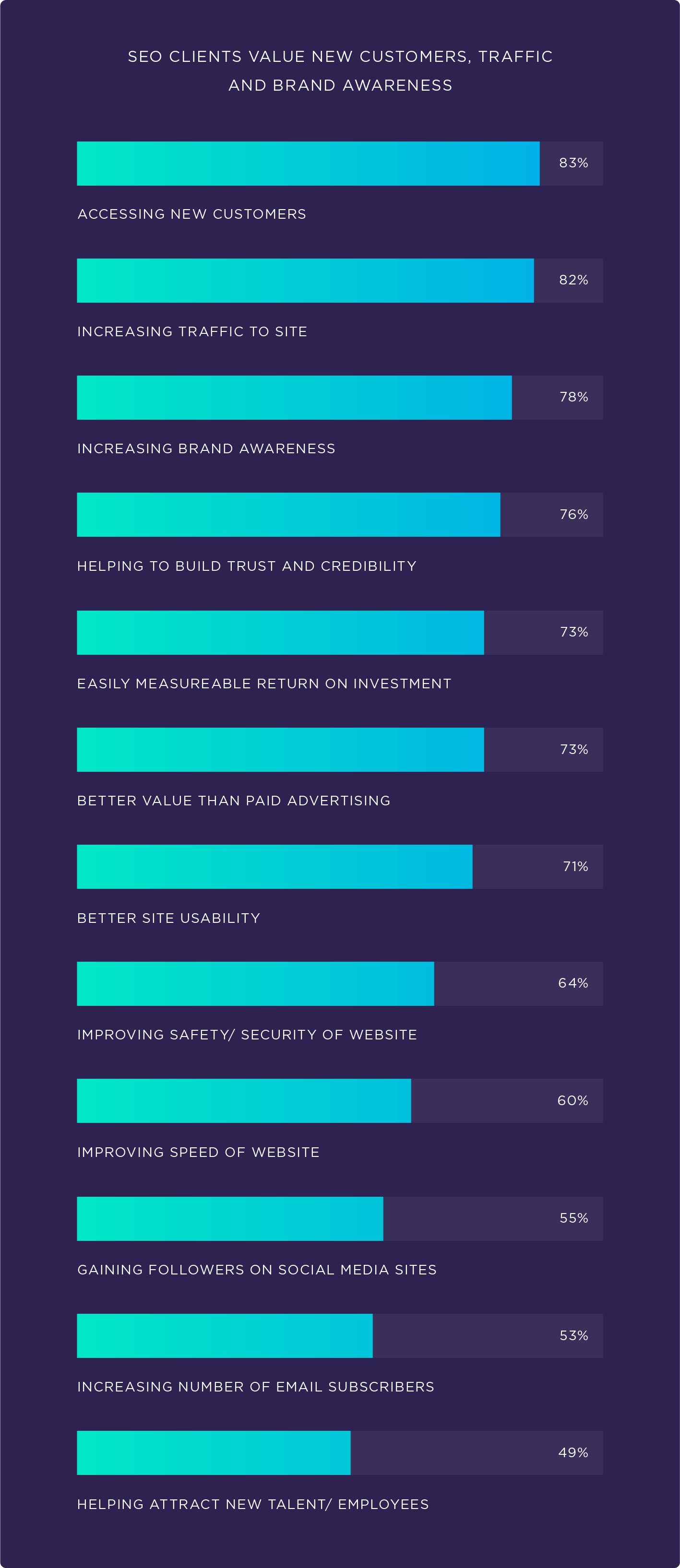
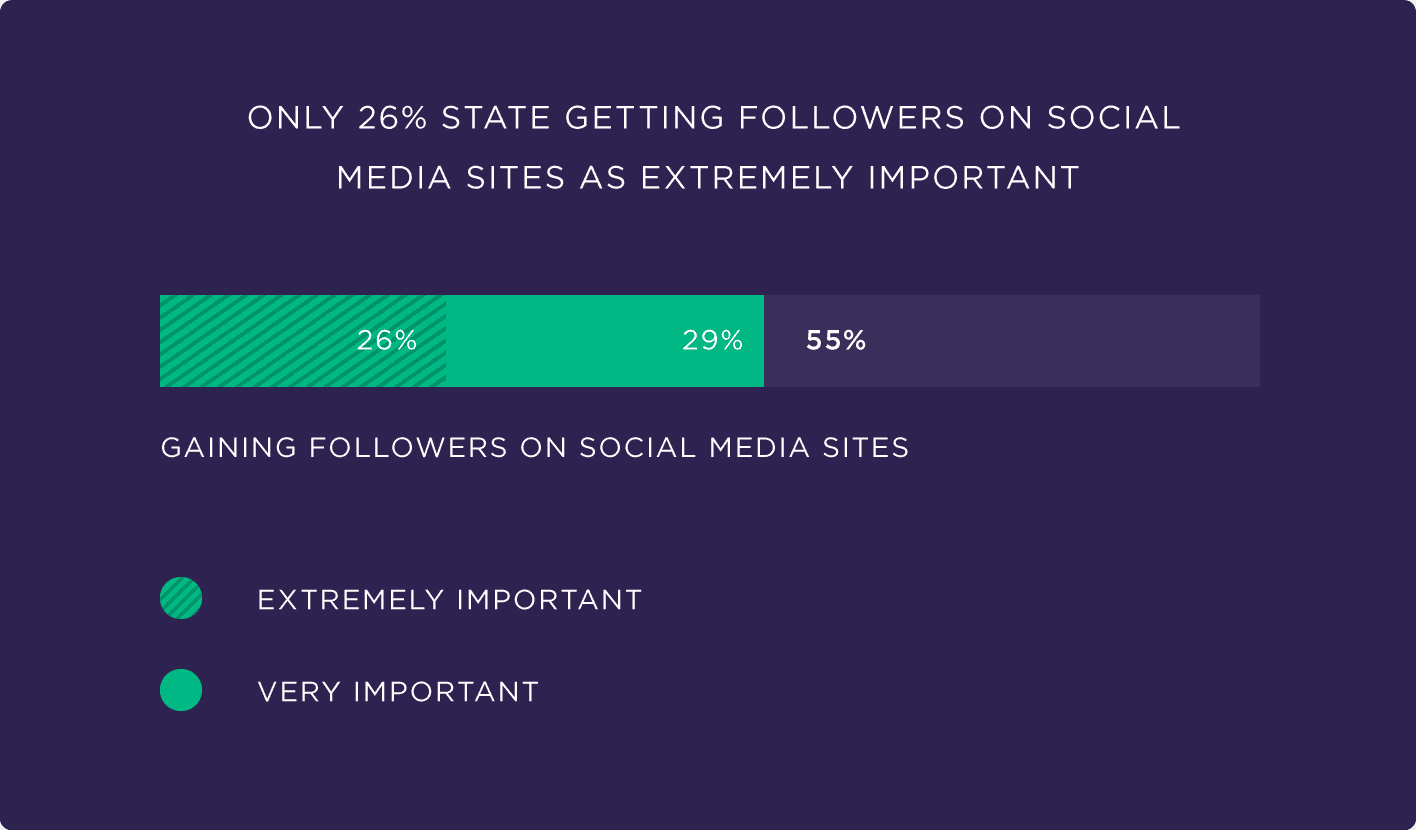
According to the report, the most critical expectations revolve around tangible business outcomes: accessing new customers, increasing website traffic, enhancing brand awareness, and building trust. These core objectives reflect a clear desire for SEO to directly contribute to business expansion and credibility. Conversely, metrics often prioritized by marketing agencies, such as gaining social media followers or increasing email subscribers, were deemed relatively unimportant by business owners. Only 26% of respondents considered "getting followers on social media sites" as extremely important.
This divergence in priorities presents a crucial lesson for SEO providers. Initiating a client relationship by focusing on social media metrics, for instance, risks misaligning expectations from the outset. Instead, framing services and reporting in terms of "more targeted traffic and customers" resonates far more deeply with client aspirations. While delivering on these promises takes time – with many campaigns requiring 6-12 months just to break even – understanding and articulating these core business values are paramount for fostering long-term satisfaction.
SEO ROI: A Powerful Engine for Growth
SEO consistently ranks among the highest-return marketing channels. Estimates place the average ROI at an impressive 22:1, meaning businesses can expect to earn approximately $22 for every dollar invested. Furthermore, around one in three qualified leads (34%) are directly attributable to SEO efforts, solidifying its position as a potent lead generation tool.
However, the return on investment can vary significantly across different industries. For example, the Medical Device sector boasts an exceptional 1,183% ROI with a 13-month breakeven period, while Higher Education and College follows closely at 994% ROI. Other high-performing sectors include Oil & Gas (906% ROI), Industrial IoT (866% ROI), and Pharmaceutical (826% ROI). Even at the lower end, industries like E-commerce (317% ROI) demonstrate substantial returns, typically breaking even within nine months.
The accelerating integration of AI into SEO strategies is also having a profoundly positive impact on ROI. The report indicates that 39% of businesses leveraging AI in their SEO efforts reported a "moderate increase" in ROI, and a further 29% experienced a "significant ROI increase." Only a negligible 1% claimed that AI reduced their SEO ROI, underscoring its potential to amplify the effectiveness of search marketing.
The Unsettling Reality: Low Satisfaction and High Turnover

Despite the undeniable power of SEO and its impressive ROI potential, the industry grapples with a significant challenge: remarkably low client satisfaction. SEO is inherently a long-term investment, and the time required for results to materialize – often 6 to 12 months for breakeven – can test the patience of businesses. This slower payoff, coupled with unclear reporting and misaligned expectations, frequently leads to frustration.
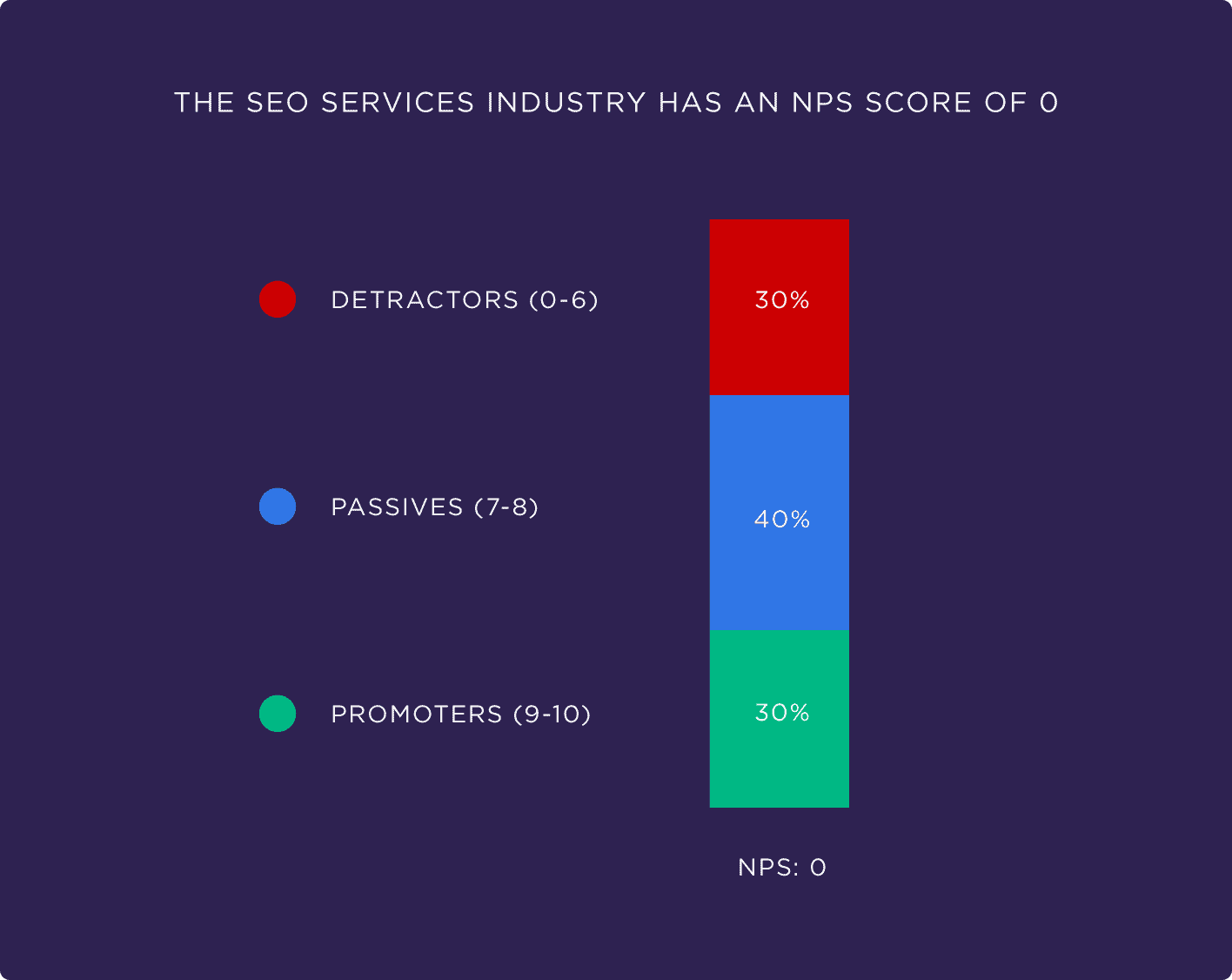
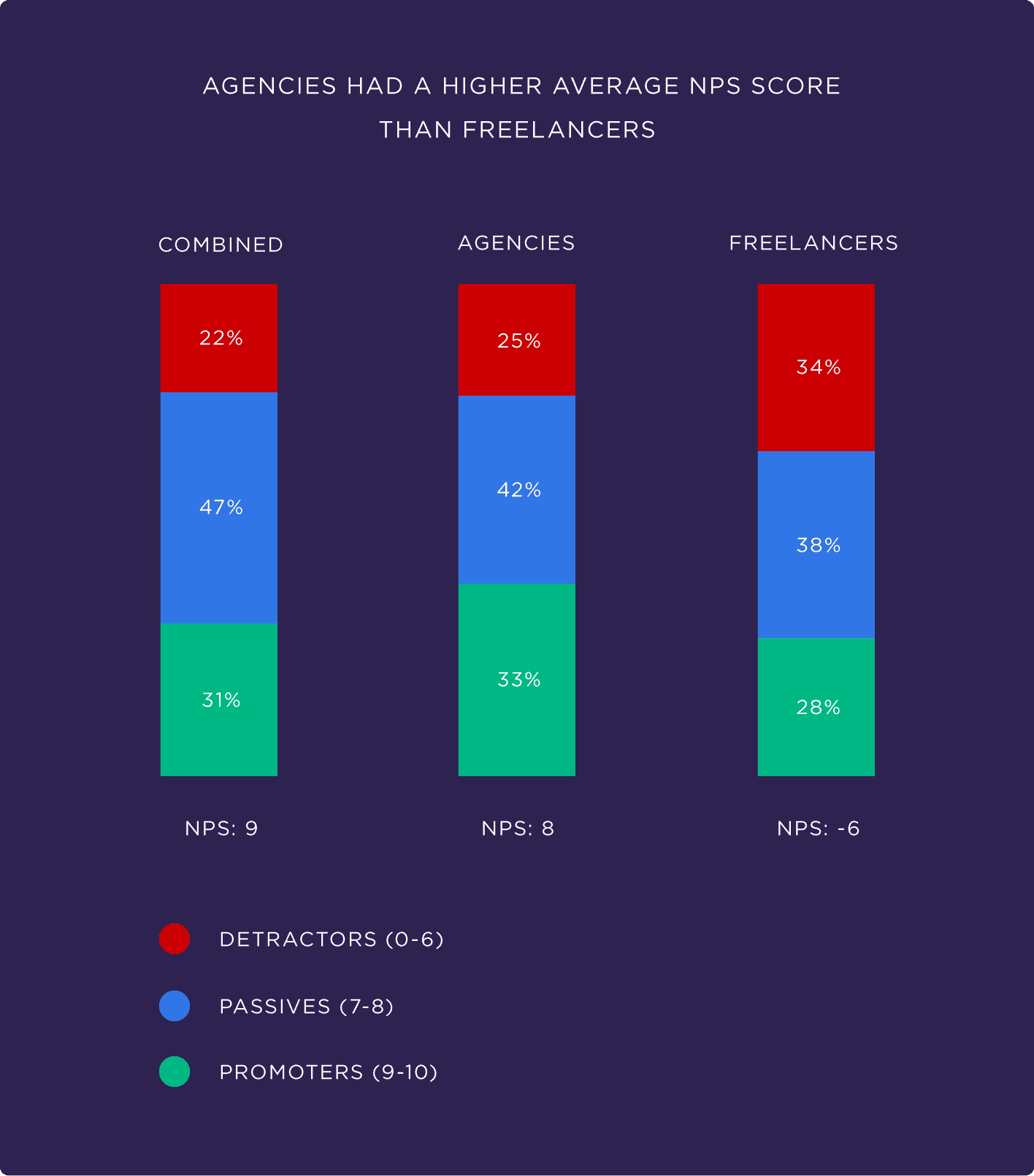
The report utilized the Net Promoter Score (NPS) to gauge client sentiment, revealing a stark picture. The SEO services industry as a whole registered an NPS score of 0, a figure generally considered indicative of customers who are "not likely to recommend." A mere 30% of small business owners would recommend their current SEO provider to a friend or colleague, while an equal 30% identified as "detractors," signifying their likelihood to leave negative reviews. While marketing agencies exhibited a slightly higher average NPS than freelancers, both categories remained disappointingly low.
This low satisfaction translates directly into high client turnover. A staggering 65% of small business owners have worked with at least one previous SEO provider, and a quarter (25%) have engaged three or more providers. While clients do not switch providers lightly – existing clients typically stay for three years, and lapsed clients give providers an average of two years before moving on – there exists a segment of "rapid switchers." This 10% of panelists reported working with three or more SEO providers within the last year, highlighting a cycle of chronic dissatisfaction.
Beyond Performance: Root Causes of Client Dissatisfaction
The report delves deeper than just surface-level dissatisfaction, uncovering surprising insights into its underlying causes. While a lack of tangible results and cost are primary drivers, other systemic issues contribute significantly.
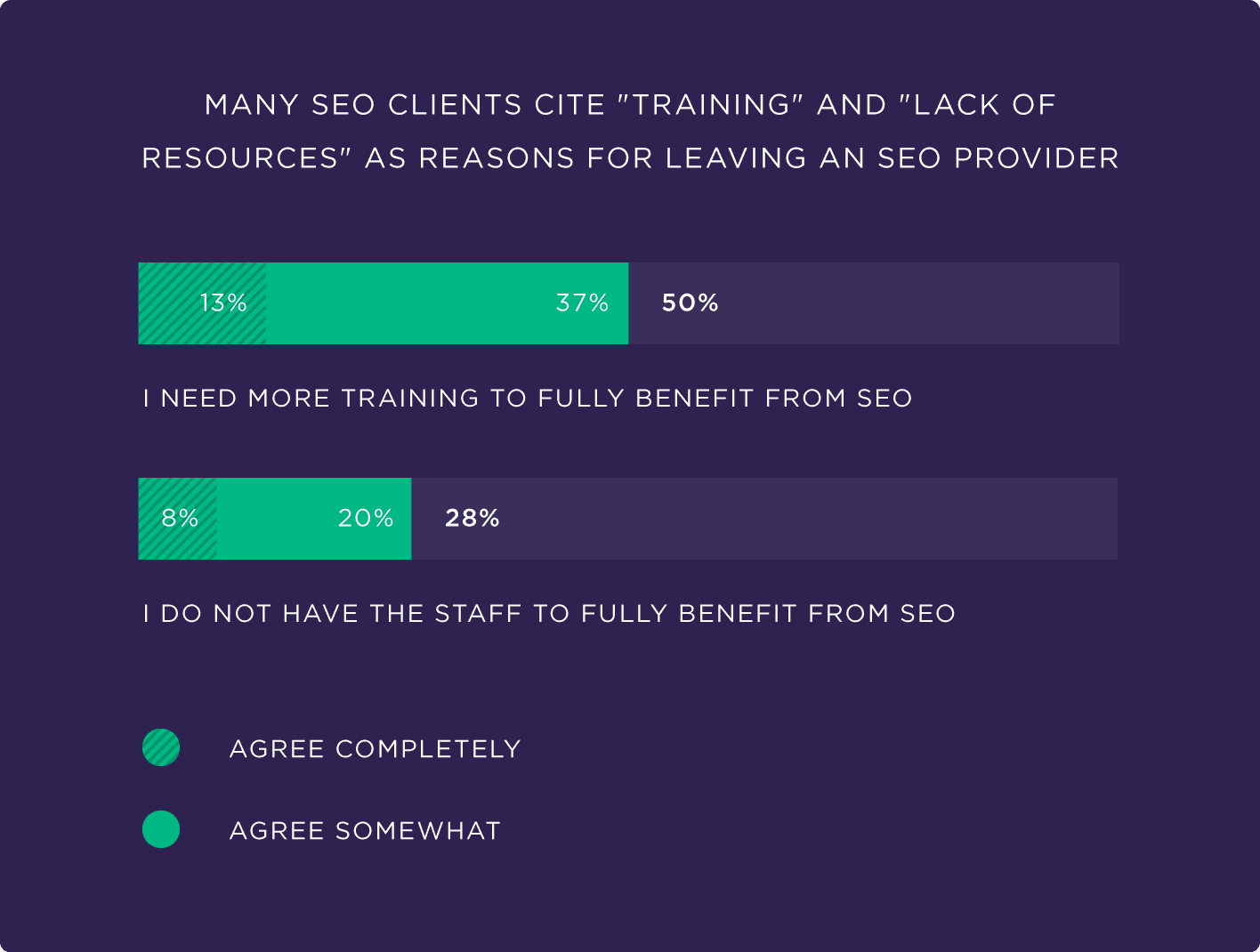
Perhaps the most unexpected finding is the degree to which clients partially blame themselves for their dissatisfaction. Fifty percent stated, "I feel like I need more training to fully benefit from what SEO offers," and 28% admitted, "I do not have the staff resources to properly benefit from SEO." This points to a critical gap: businesses may lack the internal understanding or resources to effectively collaborate with their SEO provider or implement necessary recommendations. For instance, a provider’s recommendation to update website title tags might be delayed or ignored if the client’s internal development team is overwhelmed, and the client doesn’t fully grasp the impact of such a seemingly minor change.

Furthermore, a significant portion of clients expressed confusion and a lack of transparency. Twenty-seven percent agreed with the statement, "I find SEO to be confusing and unclear about what services they offer," and 25% confessed, "I am not sure what I am really paying for with SEO." This indicates a fundamental breakdown in communication, where technical jargon overshadows clear explanations of value and progress. While a fair number of clients did express sentiments like "I feel like SEO companies are very unreliable" or "I don’t think SEO is worth the money for my business," suggesting performance issues, it’s clear that non-performance-based factors play a substantial role.
When clients do decide to leave, the reasons are clear. "Dissatisfaction with business results" (82%) and "cost" (81%) are the leading factors, demonstrating that clients scrutinize the ROI. Additionally, 80% of lapsed clients reported "hearing about a better option," indicating a market where clients are actively seeking alternatives rather than passively waiting to be poached. Poor customer service and responsiveness also contributed to 34% of client departures. Crucially, the relatively low impact of being "pitched by a competitor" suggests that client retention hinges more on internal performance, value, and communication than external offers.
The Knowledge Gap: Bridging Web Savviness for Sustained Relationships
The report also highlights the profound impact of client web savviness on satisfaction and retention. Thirty-seven percent of SEO clients self-reported their web savviness as "somewhat" or "not very," indicating a significant portion of the market struggles with technical digital marketing concepts.
A critical correlation was observed: existing, happy clients were twice as likely to consider themselves "extremely web savvy" compared to lapsed clients. This suggests that clients with a better understanding of digital marketing are better equipped to comprehend the work being done, appreciate the long-term value, and effectively collaborate with their SEO providers. Conversely, less web-savvy clients may become confused, leading to missed opportunities, misaligned priorities, and ultimately, dissatisfaction.
This finding underscores a vital imperative for SEO providers: eschew jargon. Communicating in plain business language – focusing on "leads," "sales," and "first-page Google rankings" rather than "title tags," "CSS," or "backlinks" – can bridge this knowledge gap. By educating clients and demonstrating the tangible impact of SEO efforts in terms they understand, providers can foster greater trust, enhance perceived value, and cultivate more enduring relationships.
Conclusion and Future Outlook
The SEO services industry, while robust and growing, faces significant challenges in client satisfaction and retention. The insights from this comprehensive report reveal a multifaceted landscape where financial investment, transparent communication, realistic expectation setting, and client education are as critical as technical prowess. For businesses, understanding the correlation between spending and satisfaction, clearly defining their goals, and actively engaging with their providers are key to successful SEO partnerships. For SEO agencies and freelancers, the path to sustained growth lies in prioritizing client education, translating technical work into tangible business value, providing exceptional responsiveness, and continuously demonstrating measurable ROI. The future of SEO services will undoubtedly be shaped by AI, but equally by the industry’s ability to forge stronger, more transparent, and more satisfying relationships with its diverse client base.