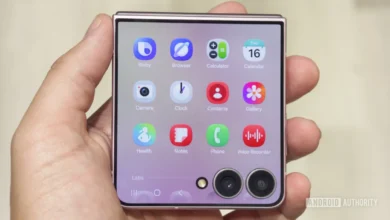
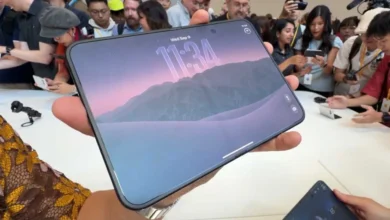
Samsung Unveils Galaxy Z Fold 8: A Significant Design Shift for the Foldable Frontier

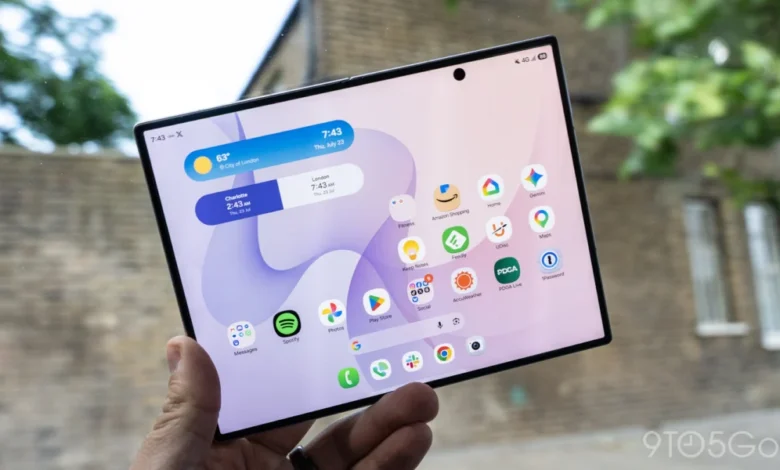
Samsung has officially unveiled its latest flagship foldable smartphone, the Galaxy Z Fold 8, at its highly anticipated Galaxy Unpacked event. This iteration marks a substantial departure from its predecessors, signaling a strategic redirection for Samsung’s foldable lineup. Early assessments suggest that while the device offers significant hardware upgrades and stunning displays, its revised form factor is prompting a nuanced reception, indicating a deliberate repositioning within the burgeoning foldable market.
The Galaxy Unpacked event, a cornerstone of Samsung’s annual product launch cycle, served as the global stage for the Z Fold 8’s debut. Traditionally, these events are meticulously choreographed showcases, designed to generate widespread excitement and establish market leadership. With the smartphone industry experiencing a period of intense innovation, particularly in the foldable segment, the Z Fold 8’s unveiling was keenly observed by tech enthusiasts, industry analysts, and competitors alike. Samsung executives, including Dr. TM Roh, President and Head of Mobile eXperience Business, typically emphasize the company’s commitment to pushing technological boundaries and enhancing user experience during these presentations, framing new devices like the Z Fold 8 as epitomes of innovation.
A Bold New Form Factor: Redefining Usability

The most striking change in the Galaxy Z Fold 8 is its redesigned form factor. Described by early reviewers as "short and stout," the outer display configuration represents a significant shift from the taller, narrower aspect ratios of previous Fold models. This adjustment is intended to improve single-handed usability when the device is closed, making it feel more like a conventional smartphone in its compact state. While the Galaxy Z Fold 7 introduced a thinner profile, and the experimental Galaxy Z TriFold hinted at diverse form factor possibilities, neither presented such a definitive architectural change as the Z Fold 8.
Initial hands-on experiences reveal a device that leaves a distinct impression. Reviewers, anticipating an immediate affinity for the new design, have reported a sense of "complete bewilderment" upon first encounter. While the previous generations were often praised for their video consumption capabilities, the Z Fold 8’s new screen dimensions appear to prioritize a different set of user interactions. The shift suggests a strategic pivot towards optimizing the device for its opened state, encouraging users to leverage the expansive inner display more frequently for productivity and immersive content. This hypothesis is supported by observations that the new outer display, while more ergonomic when closed, might not be as ideal for certain media consumption as its predecessors. Consequently, users are finding themselves utilizing the phone "opened up more" than with the Fold 7, indicating a successful, albeit perhaps initially disorienting, re-orientation of user behavior.
Under the Hood: Hardware and Display Innovations
Beyond the exterior redesign, the Galaxy Z Fold 8 boasts substantial internal advancements. The hardware is consistently described as "nice," with the screens being "stunning" and representing a "massive upgrade over past generations, inside and out." While specific technical specifications are typically detailed during the Unpacked presentation, these early impressions point to significant improvements in display technology, potentially including enhanced brightness, color accuracy, durability, and refresh rates. Samsung’s long-standing expertise in AMOLED display technology suggests advancements in its Ultra Thin Glass (UTG) and hinge mechanisms, crucial components for the longevity and seamless operation of foldable devices.
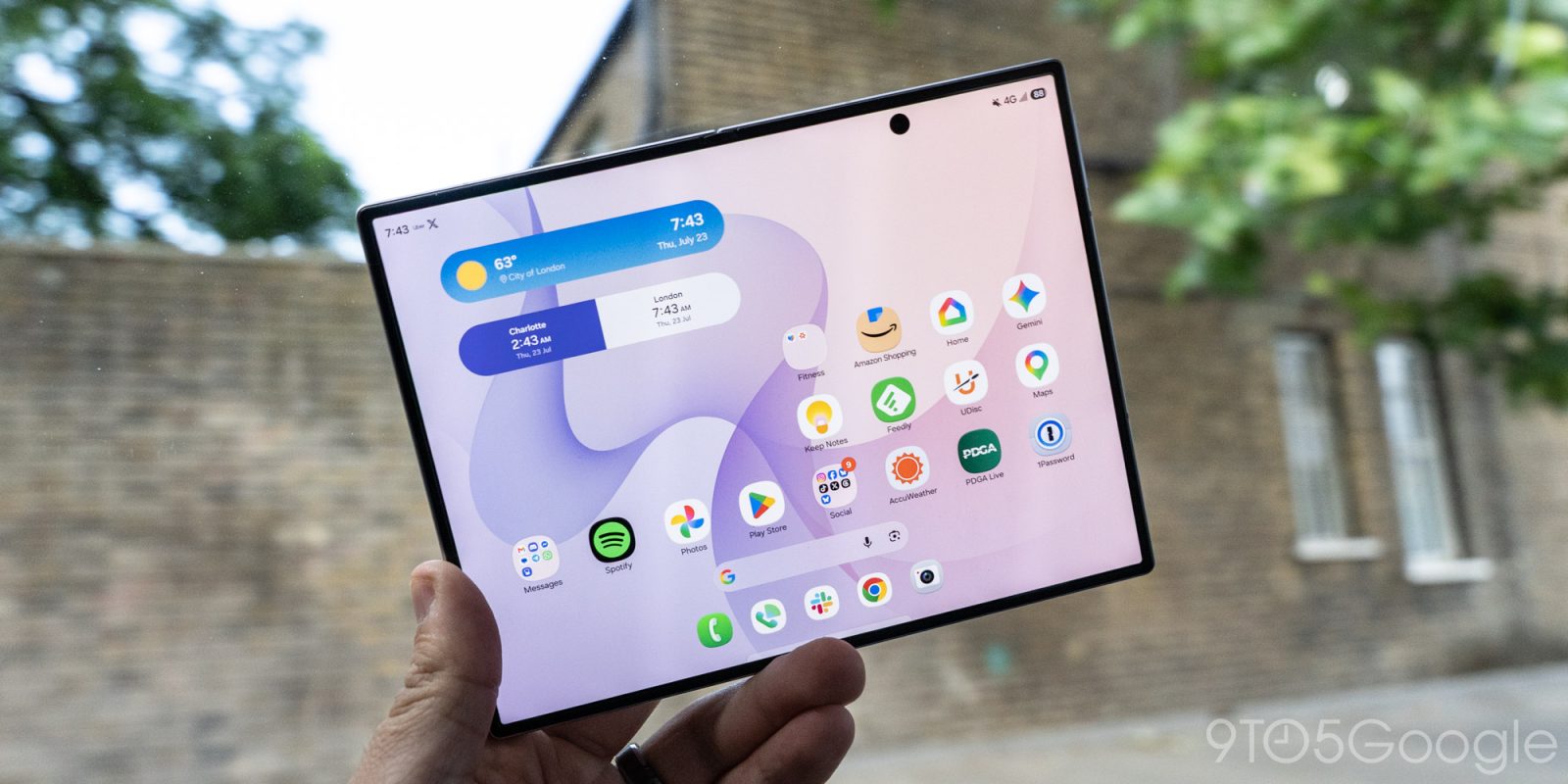
Industry estimates often place the cost of foldable display panels and advanced hinge systems as significant contributors to the overall device price. For instance, reports from industry analysts like DSCC have previously highlighted the increasing efficiency and decreasing costs of foldable panel production, yet these remain premium components. The Z Fold 8’s "massive upgrade" likely signifies breakthroughs in these areas, offering a more robust and visually superior user experience. Furthermore, a new generation of processing power, likely the latest Qualcomm Snapdragon chipset optimized for foldable form factors, would be expected to drive these enhanced displays and deliver superior overall performance, multitasking capabilities, and energy efficiency.
Camera System: Strengths and Strategic Compromises
The camera system on the Galaxy Z Fold 8 also appears to have received notable attention. Early reports indicate that the cameras "actually seem decent," a crucial improvement for a category where foldables have sometimes lagged behind their slab-style counterparts. However, one specific observation highlights a potential strategic compromise: the absence or reduction of a dedicated telephoto lens. This choice could be a trade-off to accommodate the new form factor, integrate other advanced components, or manage manufacturing costs. While the primary and ultrawide sensors may have seen substantial upgrades, the omission of a prominent telephoto lens might disappoint users accustomed to the zoom capabilities found in other premium smartphones, including Samsung’s own Galaxy S Ultra series.
In the competitive smartphone market, camera performance is a key differentiator. Samsung often invests heavily in computational photography and sensor technology. While the original article does not detail the exact camera specifications, it is plausible that the Z Fold 8 features an advanced multi-camera array with improved low-light performance, faster autofocus, and enhanced image processing, leveraging AI capabilities inherent in modern chipsets. The strategic decision regarding the telephoto lens will undoubtedly be a point of discussion among photography enthusiasts and professional reviewers.
The Evolution of the Galaxy Z Fold Series: A Chronology of Innovation
The Galaxy Z Fold 8 stands as the latest chapter in Samsung’s pioneering journey into foldable smartphones, a journey marked by both ambitious innovation and iterative refinement.
- 2019: Galaxy Fold: The inaugural device faced initial durability challenges but laid the groundwork for a new smartphone category, demonstrating Samsung’s willingness to take risks.
- 2020: Galaxy Z Fold 2: This model addressed many of the original Fold’s issues, introducing a more robust hinge, improved display protection, and refined software, significantly enhancing its usability and appeal. It solidified the form factor’s potential.
- 2021: Galaxy Z Fold 3: A landmark release, the Fold 3 introduced S Pen support for the main display and became the first foldable with IPX8 water resistance, proving foldables could offer premium features and increased durability.
- 2022: Galaxy Z Fold 4: Focused on subtle refinements, including a slightly wider outer display, a lighter hinge, and improved camera performance, making the device more user-friendly and pocketable.
- 2023: Galaxy Z Fold 5: Continued the trend of incremental improvements, primarily enhancing the hinge mechanism for a gap-less close and further optimizing performance and battery life.
- 2024: Galaxy Z Fold 6: Reports suggested further slimming of the design and potentially more durable materials, building on the foundation of its predecessors.
- 2025: Galaxy Z Fold 7: Introduced a "thin form factor" that was important for ergonomics and portability, demonstrating Samsung’s continuous effort to make foldables less bulky and more mainstream.
- 2026: Galaxy Z Fold 8: Represents a pivotal moment, with its "clear shift in the company’s direction" through a radically altered outer display and a renewed focus on the open-screen experience.
This chronology illustrates Samsung’s consistent investment in foldables, moving from experimental devices to increasingly refined and robust smartphones. Each generation has incrementally improved durability, performance, and user experience, addressing initial criticisms and expanding the market. The Z Fold 8, however, appears to be a more deliberate strategic pivot, potentially aiming to capture a broader user base by addressing fundamental ergonomic considerations.
Market Implications and Analyst Perspectives
The introduction of the Galaxy Z Fold 8 with its significant design changes carries substantial implications for the foldable smartphone market and Samsung’s competitive standing. The global foldable smartphone market has been experiencing robust growth. According to Counterpoint Research, the foldable smartphone market is projected to grow significantly, potentially reaching tens of millions of units shipped annually in the coming years, with Samsung consistently holding a dominant market share, estimated to be over 60% in previous years.
Industry analysts are likely to view the Z Fold 8’s design as a calculated risk. A wider, shorter cover screen could enhance usability for tasks like quick messaging or web browsing without opening the device, appealing to users who found previous external displays too narrow. However, it also changes the device’s overall footprint, which might not appeal to everyone. Experts from firms like IDC or Gartner will be closely analyzing adoption rates and consumer feedback to determine if this design shift will expand the foldable market or primarily appeal to a niche segment.
"Samsung’s willingness to experiment with core form factors demonstrates their commitment to leading the foldable revolution," stated a hypothetical analyst from TechMarket Insights. "The Z Fold 8’s revised outer display could be a game-changer for daily usability, potentially drawing in users who were hesitant about the previous tall and narrow screen. However, the success will hinge on how well the software experience adapts to these new dimensions and whether the benefits outweigh any perceived compromises, such as for video consumption."
Broader Impact and Future Outlook
The Galaxy Z Fold 8’s design philosophy could have a ripple effect across the entire foldable smartphone industry. If successful, it might encourage other manufacturers to explore more diverse aspect ratios for their cover displays, moving away from the more conventional rectangular forms. This iterative innovation is vital for the long-term growth and mainstream adoption of foldable technology.
Samsung’s strategy with the Z Fold 8 appears to be about more than just incremental upgrades; it’s about redefining the core user interaction with a foldable device. By making the outer display more functional as a standalone smartphone and simultaneously encouraging the use of the main inner screen, Samsung aims to offer a more versatile and compelling proposition. The "usability and creature comfort adjustments" that early reviewers anticipate highlight the learning curve associated with such a significant change, but also the potential for a more refined and intuitive user experience once acclimated.
The Z Fold 8 also strengthens Samsung’s broader Galaxy ecosystem. Seamless integration with other Samsung devices, such as Galaxy Buds and Galaxy Watches, along with continued optimization of software features like DeX mode for desktop-like productivity, will further enhance the value proposition. The device is not just a phone; it’s a mobile workstation and entertainment hub designed to adapt to diverse user needs.
As pre-orders for the Galaxy Z Fold 8 are now open, the market awaits the full review cycle to thoroughly assess this ambitious new entry. The success of the Z Fold 8 will not only solidify Samsung’s position at the forefront of foldable innovation but also provide crucial insights into the evolving preferences of consumers in the dynamic premium smartphone segment. The journey of the Galaxy Z Fold series continues, with the Fold 8 poised to be a pivotal moment in its ongoing evolution.