Google Introduces Selfie Video Sign-In for Enhanced Account Recovery, Bolstering Security and User Accessibility

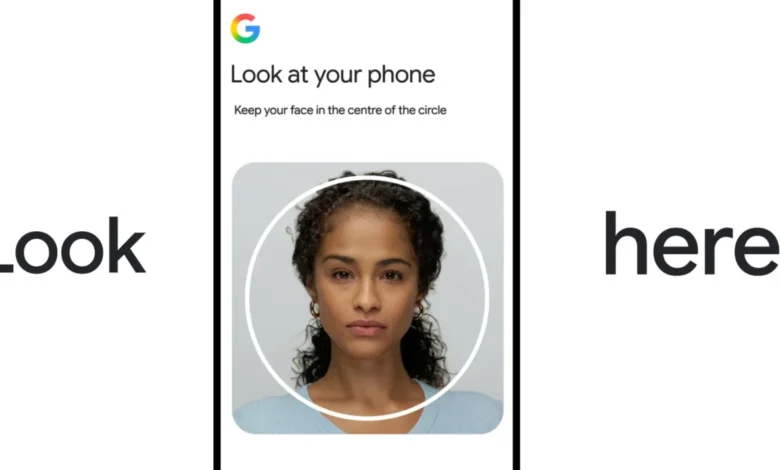
In a significant move to enhance user security and streamline account recovery processes, Google today, Thursday, July 23, 2026, at 3:00 am PDT, announced the global rollout of a new selfie video sign-in option for Google Account recovery. This innovative feature provides an alternative and potentially more accessible pathway for users to regain access to their accounts, complementing existing methods such as passkeys, recovery contacts, and traditional password resets. The introduction of this biometric verification method underscores Google’s ongoing commitment to fortifying its digital ecosystems against an increasingly sophisticated landscape of cyber threats, while simultaneously striving for greater user convenience.
The Mechanism of Selfie Video Verification
The operational mechanics of Google’s new selfie video sign-in are designed for simplicity and robust security. To establish this recovery option, users are guided through a brief, interactive process. Upon opting to set up the feature, individuals are prompted to look directly into their device’s camera. Google’s system then provides clear, on-screen instructions, directing the user to perform a series of specific head movements. These movements are critical for capturing multiple angles of the user’s face, creating a comprehensive biometric profile. This multi-angle capture is not merely for convenience; it is a fundamental security measure designed to make the system highly resistant to static images or simple video replays, which are common tactics in impersonation attempts. Once captured, this unique selfie video is securely saved to the user’s Google Account. In the event of a future lockout—for instance, if a user loses access to their primary email address, trusted recovery devices, or forgets their passkey—they can then submit a new selfie video. Google’s advanced comparison technology then analyzes the newly submitted video against the one securely stored on file. A successful match grants the user access to their account, effectively serving as a dynamic, biometric key.
Fortifying Against Digital Impersonation and AI Threats
Central to the design of the selfie video sign-in is its inherent capability to combat modern impersonation attempts. Google explicitly states that the feature incorporates "multiple layers of security" specifically engineered to prevent unauthorized access through sophisticated means, including AI-generated photos and deepfake videos. The requirement for dynamic head movements and the capture of multiple angles makes it significantly harder for static images or even expertly crafted AI-generated facial simulations to fool the system. This proactive stance against AI-powered threats is crucial in an era where deepfake technology is becoming increasingly accessible and convincing, posing a novel challenge to traditional authentication methods.
From a privacy and data security perspective, Google has outlined strict protocols for the handling of these biometric videos. The company affirms that selfie videos are "encrypted and stored securely," emphasizing that they are solely utilized for the purpose of assisting users in signing into their accounts. This usage is strictly adhered to "unless you opt to share it for additional purposes," providing users with explicit control over their data. Furthermore, users retain the autonomy to delete their selfie videos from their Google Account at any time, reinforcing Google’s commitment to user data control and transparency. This level of control is paramount in building trust, particularly with sensitive biometric data.
Contextualizing Google’s Security Evolution
The introduction of selfie video recovery is not an isolated development but rather a continuum in Google’s long-standing effort to balance robust security with user-friendly accessibility. For years, Google has been at the forefront of cybersecurity innovation, continually adapting its strategies to combat evolving threats.
The Persistent Challenge of Account Security: The digital age has brought unprecedented convenience but also unprecedented risks. Account takeovers, phishing scams, and credential stuffing attacks remain pervasive threats. Traditional password-based authentication, while foundational, is inherently vulnerable to human error (weak passwords, reuse) and sophisticated hacking techniques. The average user struggles to manage dozens of complex, unique passwords, often leading to compromises.
The Rise of Multi-Factor Authentication (MFA): Recognizing these vulnerabilities, Google has aggressively promoted and implemented multi-factor authentication (MFA) methods. These include SMS codes, authenticator apps (like Google Authenticator), security keys, and on-device prompts. Industry data consistently shows that MFA can block over 99% of automated attacks, making it a critical layer of defense.
The Passwordless Future and Passkeys: More recently, Google, alongside other tech giants like Apple and Microsoft, has been a vocal proponent of a "passwordless" future, championed by technologies like FIDO Alliance’s passkeys. Passkeys offer a more secure, phishing-resistant, and convenient alternative to passwords by leveraging cryptographic keys stored securely on a user’s device. While passkeys represent a significant leap forward, their adoption still requires user education and infrastructure, and recovery scenarios for lost devices or forgotten passkeys remain a critical consideration.
The Role of Biometrics: The integration of biometrics, such as fingerprint scanners and facial recognition (Face ID on Apple devices, Windows Hello on Microsoft), into mainstream devices has normalized their use for unlocking devices and authenticating within apps. Google’s selfie video recovery extends this biometric paradigm to the often-fraught process of account recovery, leveraging familiar technology for a high-stakes scenario. This move reflects a broader industry trend towards leveraging unique biological characteristics for authentication, driven by both security advantages and user convenience.
A Phased Rollout and Specific Exclusions
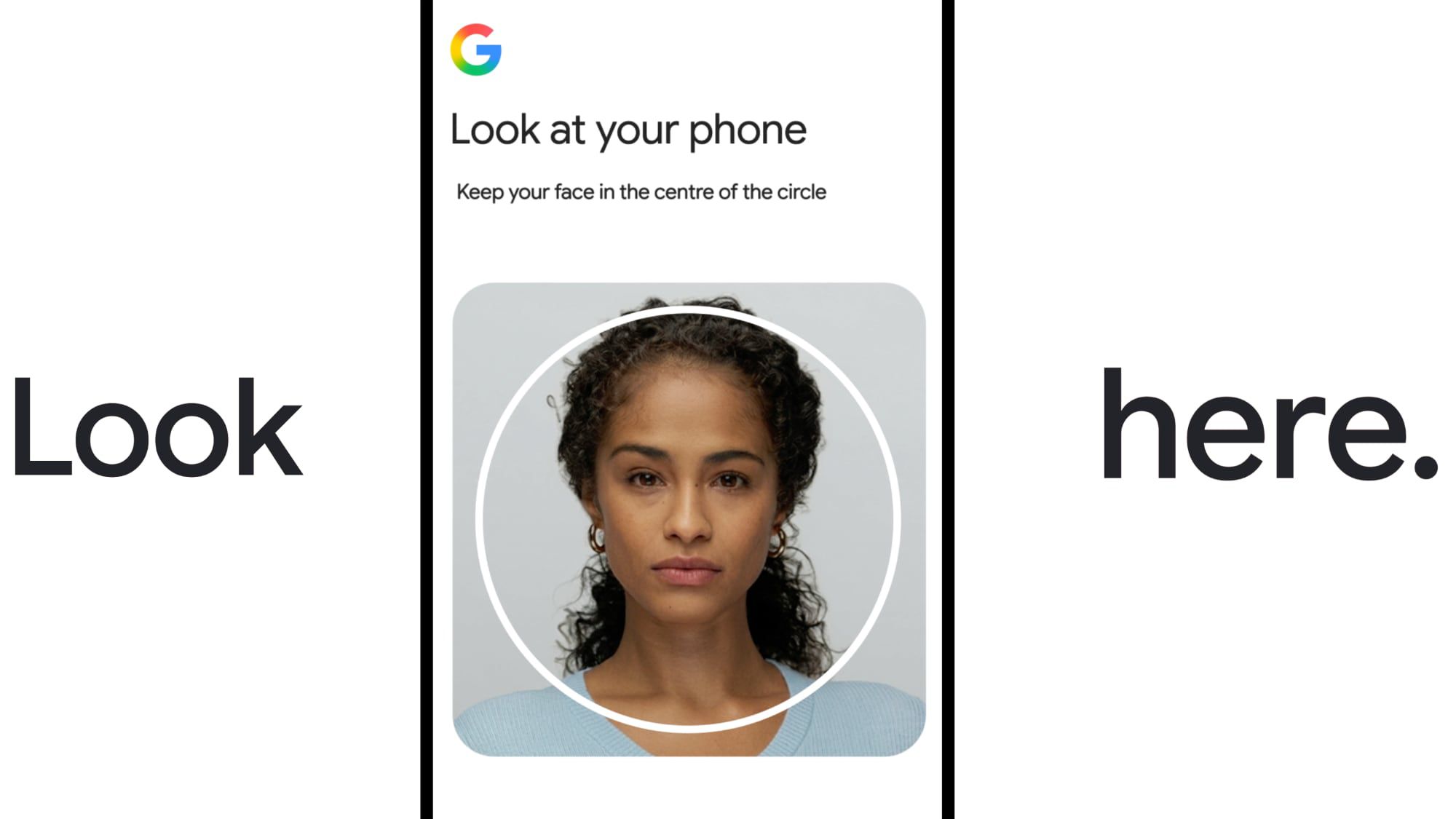
Prior to its global release, Google’s selfie video sign-in feature underwent a period of rigorous testing and refinement. The company initiated a pilot program in Brazil, a market often chosen for early testing due to its diverse user base and significant digital adoption. This localized trial allowed Google to gather valuable feedback, refine the user experience, and ensure the system’s efficacy and reliability before a broader deployment.
With the successful completion of the pilot, the feature is now being rolled out globally for standard Google Accounts. However, it is important to note that the selfie video sign-in option is not universally applicable across all Google services or account types. Specifically, the feature is not designed for Workspace accounts, which typically have different administrative controls and security policies managed by organizations. Similarly, it does not work for children’s accounts, which are subject to stricter privacy regulations and parental oversight. Furthermore, accounts enrolled in Google’s Advanced Protection Program—a specialized, high-security offering designed for individuals at elevated risk of targeted online attacks, such as journalists, activists, and political figures—are also excluded. Users in the Advanced Protection Program typically rely on physical security keys for authentication, a method considered the gold standard for phishing resistance. These exclusions highlight Google’s nuanced approach, tailoring security measures to the specific needs and risk profiles of different user segments.
Broader Implications and Analysis
The introduction of selfie video sign-in carries several significant implications for users, cybersecurity, and the future of digital identity verification.
Balancing Convenience and Security: At its core, this feature represents Google’s attempt to strike a delicate balance between ease of access and robust security. Account recovery has historically been a friction point for users, often involving cumbersome processes that can be frustrating and lead to account abandonment. By leveraging a familiar action—taking a selfie—Google aims to make a complex security procedure more intuitive and less intimidating. The inherent dynamism of a video, requiring specific movements, adds a layer of liveness detection that significantly elevates security beyond static biometric scans.
Democratization of Security: This method could prove particularly beneficial for users who may struggle with more traditional security measures. Individuals who are not tech-savvy, who frequently forget passwords, or who might not have consistent access to a recovery email or phone number, could find this a straightforward and reliable way to regain control of their digital lives. It lowers the barrier to entry for robust account recovery, potentially reducing the number of permanently locked-out accounts.
Privacy Considerations and Trust: While Google emphasizes encryption and user control, the collection and storage of biometric data, even if encrypted and restricted in use, invariably raise privacy questions. Users will need to weigh the convenience and security benefits against the act of entrusting a tech giant with a unique biological identifier. Google’s explicit commitment to limited use and the option to delete the video are critical in fostering user trust, but ongoing transparency and robust data governance will be essential. The public discourse around facial recognition technology, including concerns about accuracy, bias, and potential for misuse, will inevitably extend to this feature, even if its application is strictly for personal account recovery.
The Future of Authentication: Google’s selfie video sign-in further solidifies the trend towards adaptive, risk-based authentication. Instead of a one-size-fits-all approach, systems are moving towards evaluating contextual factors (device, location, user behavior) and offering a range of verification methods, from seamless passkeys to more rigorous biometric checks when a higher risk is detected or an account recovery is needed. This multi-modal approach enhances flexibility and resilience against various attack vectors.
Competitive Landscape and Industry Trends: Major tech players are all investing heavily in advanced authentication. Apple’s Face ID, integrated into its ecosystem, provides seamless biometric authentication for devices and apps. Microsoft’s Windows Hello offers similar capabilities for its operating system. Google’s move positions it firmly within this competitive landscape, showcasing its commitment to leveraging advanced AI and biometric capabilities to secure its vast user base. The focus on recovery specifically highlights a critical vulnerability that all platforms must address effectively. The success of this feature could influence other service providers to explore similar dynamic biometric recovery options.
Supporting Data and Expert Perspectives
While specific real-world data on the effectiveness of Google’s selfie video sign-in is still nascent, the broader cybersecurity landscape provides ample context for its necessity. Reports from organizations like Verizon and IBM consistently highlight that stolen credentials are the leading cause of data breaches. The vast majority of cyberattacks exploit weak or compromised passwords. Multi-factor authentication, including biometric forms, is universally endorsed by cybersecurity experts as the most effective defense against these threats. For instance, the National Institute of Standards and Technology (NIST) guidelines increasingly advocate for strong authentication methods that resist phishing, aligning with Google’s push for passkeys and now, biometric recovery.
Cybersecurity professionals, while generally welcoming any additional layer of security, will likely offer nuanced perspectives. Many will laud the improved resistance to deepfakes and the convenience factor for recovery. However, discussions will persist regarding the underlying algorithms’ potential for bias (e.g., accuracy across different skin tones or facial features) and the overarching implications of centralized biometric data storage, even with Google’s stated security measures. The consensus will likely be that while no single security measure is foolproof, a diverse portfolio of robust authentication and recovery options significantly enhances overall user safety.
Conclusion
Google’s introduction of the selfie video sign-in option for account recovery marks a notable advancement in the ongoing evolution of digital security. By blending biometric technology with a user-friendly interface, Google aims to provide a more resilient and accessible pathway for users to regain control of their accounts, particularly in challenging scenarios where traditional methods fall short. This innovation directly addresses the growing threat of sophisticated impersonation techniques, including those powered by artificial intelligence, while reinforcing Google’s commitment to user privacy through encryption and data control. As the digital landscape continues to evolve, requiring increasingly sophisticated defenses, features like selfie video sign-in represent crucial steps towards a future where account security is both robust and intuitively integrated into the user experience, paving the way for a more secure and accessible online world for billions of users globally.