Decoding the Philosophy of Game Art Direction Applying First Principles to Creative Development at Develop Brighton 2026

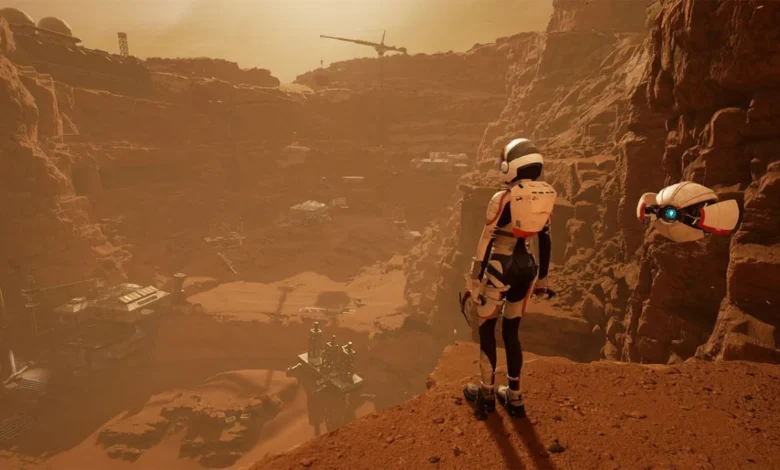
The landscape of modern video game development is often characterized by a tension between cutting-edge technology and the fundamental human experience of play. During the final day of the 2026 Develop: Brighton conference, a premier gathering for the European game development community, Gerben Pasjes, a seasoned art director known for his work on the critically acclaimed indie titles Deliver Us The Moon and Deliver Us Mars, delivered a keynote that challenged the conventional "step-by-step" approach to visual design. Pasjes proposed a more rigorous, philosophical framework for art direction: the application of First Principles.
Rooted in the meditations of 17th-century French philosopher René Descartes, specifically the concept of "cogito, ergo sum" (I think, therefore I am), the First Principles approach requires developers to strip away preconceived notions, industry trends, and borrowed aesthetics until they reach undeniable fundamental truths about their specific project. In an era where many titles suffer from visual homogeneity due to the widespread adoption of standardized engines and asset libraries, Pasjes argued that this deconstructive process is the only way to arrive at a visual identity that is truly unique to a game’s core purpose.
The Philosophical Foundation of Art Direction
Develop: Brighton has long served as a bellwether for the industry, and the 2026 edition focused heavily on how mid-sized and indie studios can maintain a competitive edge against escalating AAA budgets. Pasjes’ talk addressed this directly by shifting the focus from "production value" to "intentionality." By invoking Descartes, Pasjes suggested that art directors must doubt everything they think they know about game visuals—from the necessity of high-fidelity textures to the standard placement of UI elements—until they find the "North Star" of their project.
The First Principles method is not merely a creative exercise but a strategic tool. When a team breaks a game down to its core components, they can identify which elements are essential for player immersion and which are merely "filler" inherited from other titles. This clarity allows for more efficient resource allocation, a vital necessity for studios operating outside the unlimited budgets of major publishers.
Establishing the North Star and Creative Pillars
The first stage of applying First Principles is the identification of a "North Star," a singular, holistic vision that guides every subsequent decision. According to Pasjes, a game is rarely about a single mechanic; it is about a specific feeling or state of being that the player should inhabit.
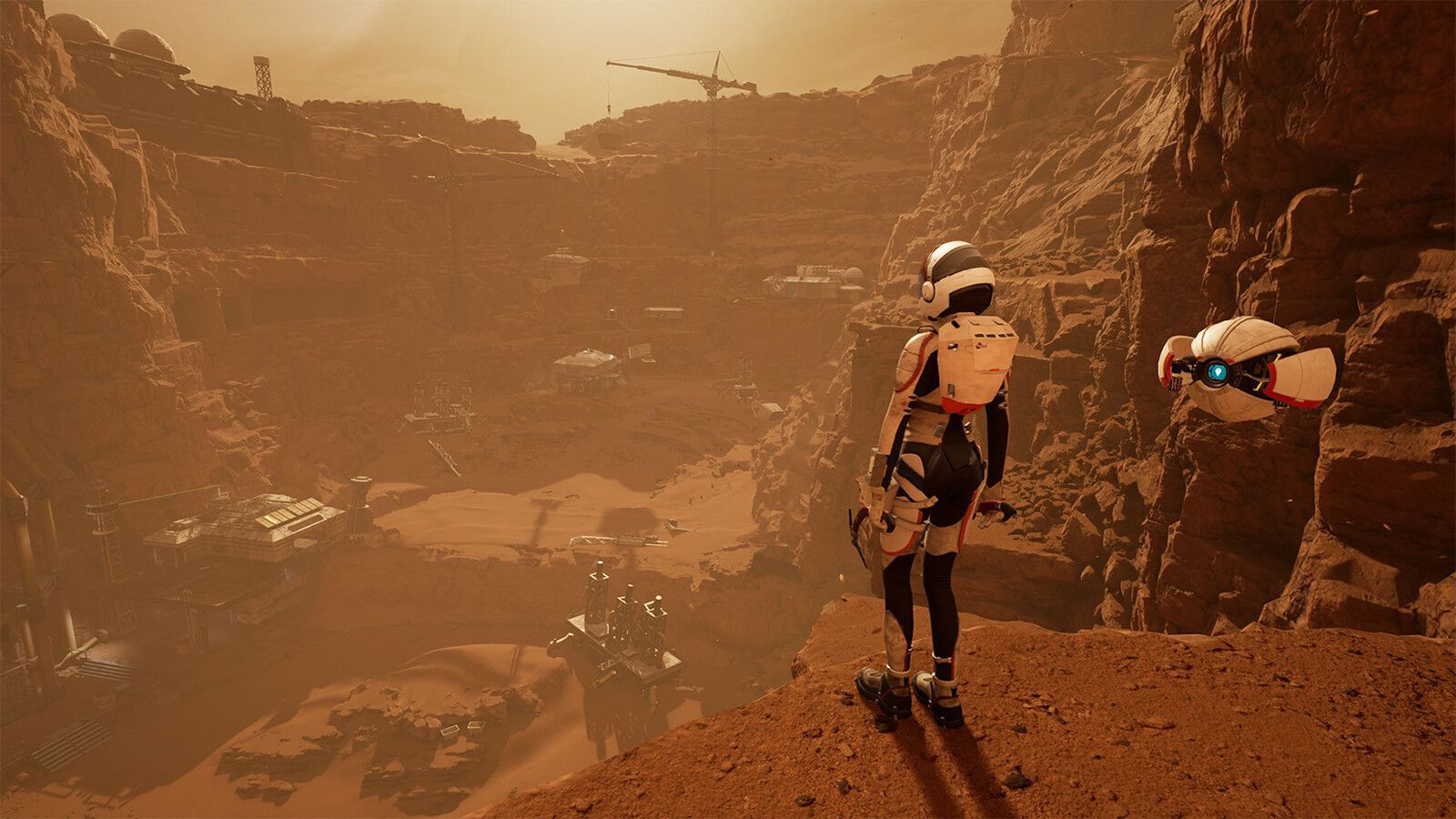
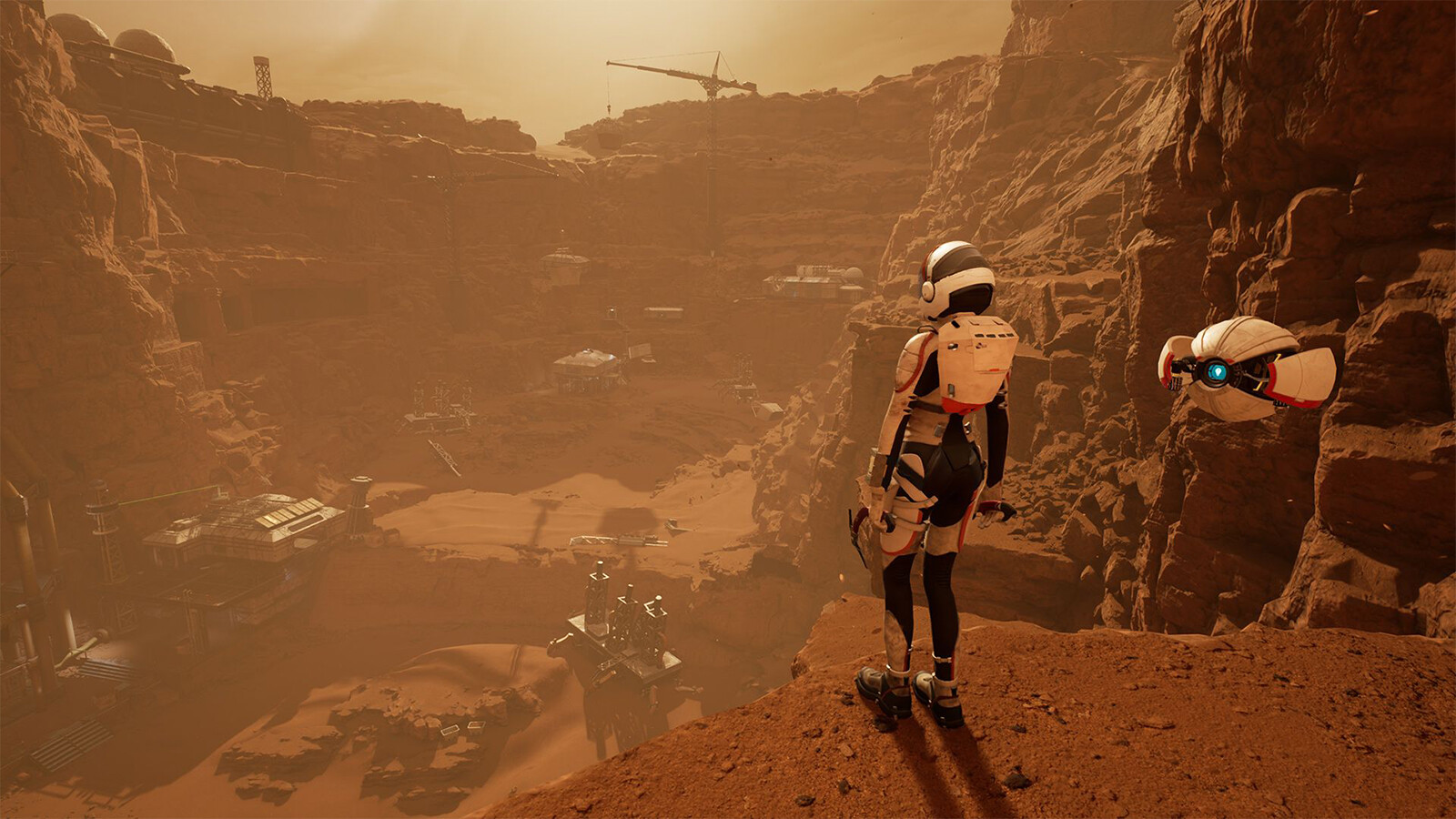
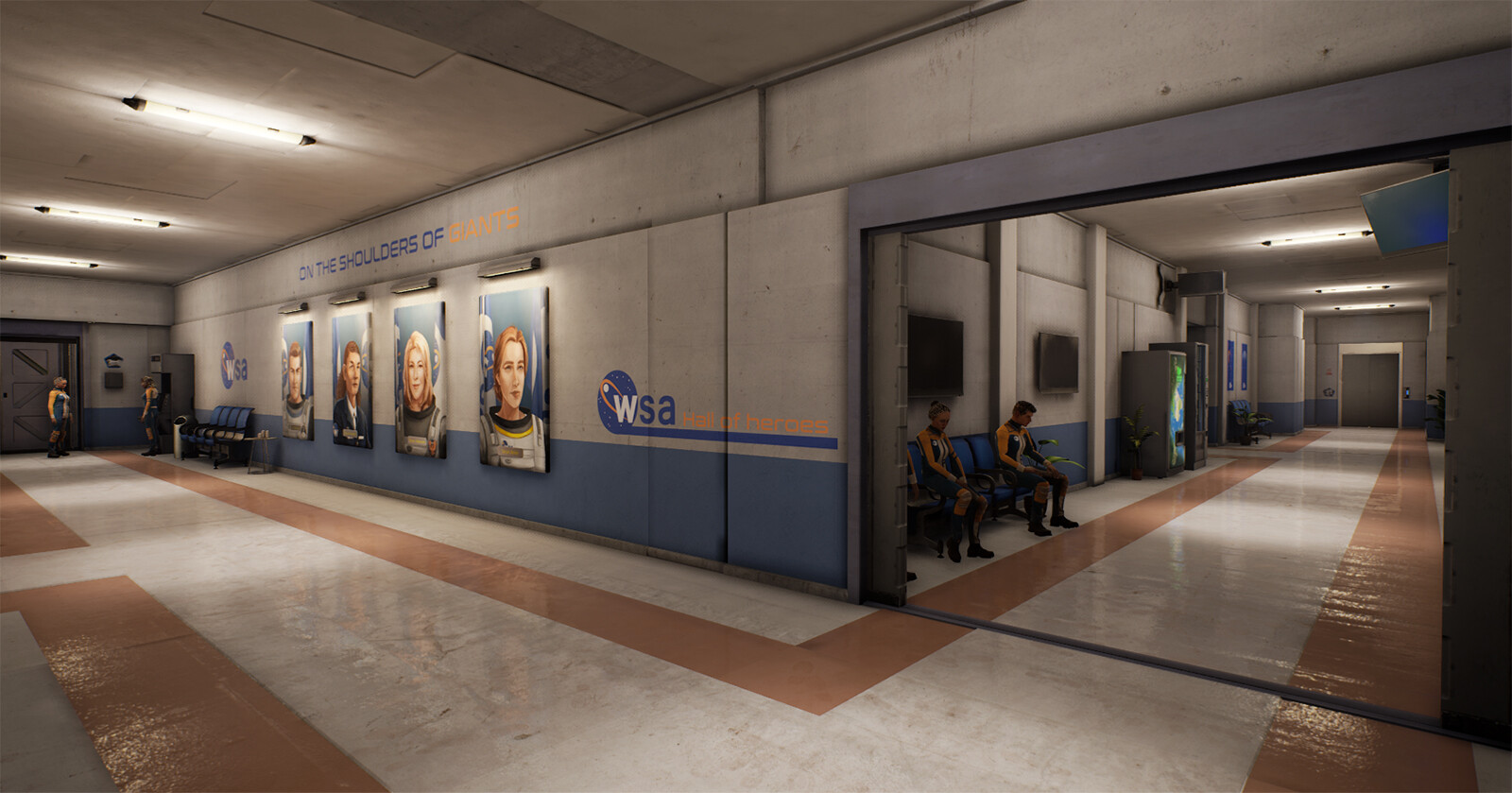
During the development of Deliver Us The Moon, where Pasjes served as a concept artist, and later Deliver Us Mars, where he stepped into the role of art director, the North Star was consistent: to make the player feel like a real astronaut. This was not a vague aesthetic goal but a functional pillar. If a creative decision—whether it concerned the lighting of a lunar base or the animation of a character’s movement—did not contribute to the sensation of being an astronaut in a hostile, low-gravity environment, it was discarded.
This rigorous adherence to a North Star prevents "feature creep" and "aesthetic drift." In pitch meetings and internal reviews, the North Star serves as the ultimate arbiter of value. By establishing these creative pillars during the pre-production phase, studios can ensure that all departments—art, sound, programming, and design—are moving toward a unified objective.
The Temporal Loops of Player Perception
A critical aspect of Pasjes’ framework is the understanding of a game as a series of nested loops: micro, macro, and meta. From an art director’s perspective, this translates to what a player perceives second-to-second, minute-to-minute, and hour-to-hour.
Pasjes utilized a comparative analysis of Bethesda’s The Elder Scrolls V: Skyrim and Embark Studios’ Arc Raiders to illustrate how player movement speed dictates art density. Both games utilize a "human walking speed" for their primary exploration. Consequently, the "local density"—the number of visual assets and level of detail per square meter—is surprisingly similar. However, the macro-scale application differs significantly.
In a massive open world like Skyrim, the art team must focus on creating variety within broad biomes to prevent player fatigue over dozens of hours. In a more focused, session-based game like Arc Raiders, the artistic effort is often concentrated on zone transitions and high-intensity visual feedback. Understanding these loops allows art directors to tune their asset density to match the player’s pace, ensuring that the world feels neither claustrophobic nor empty.
The Intersection of Art and the 3Cs
One of the most profound takeaways from the Develop: Brighton session was the necessity for art directors to possess a deep understanding of core game design, specifically the "3Cs": Character, Camera, and Control. Pasjes argued that art direction does not exist in a vacuum; it is the lens through which the player experiences the mechanics.
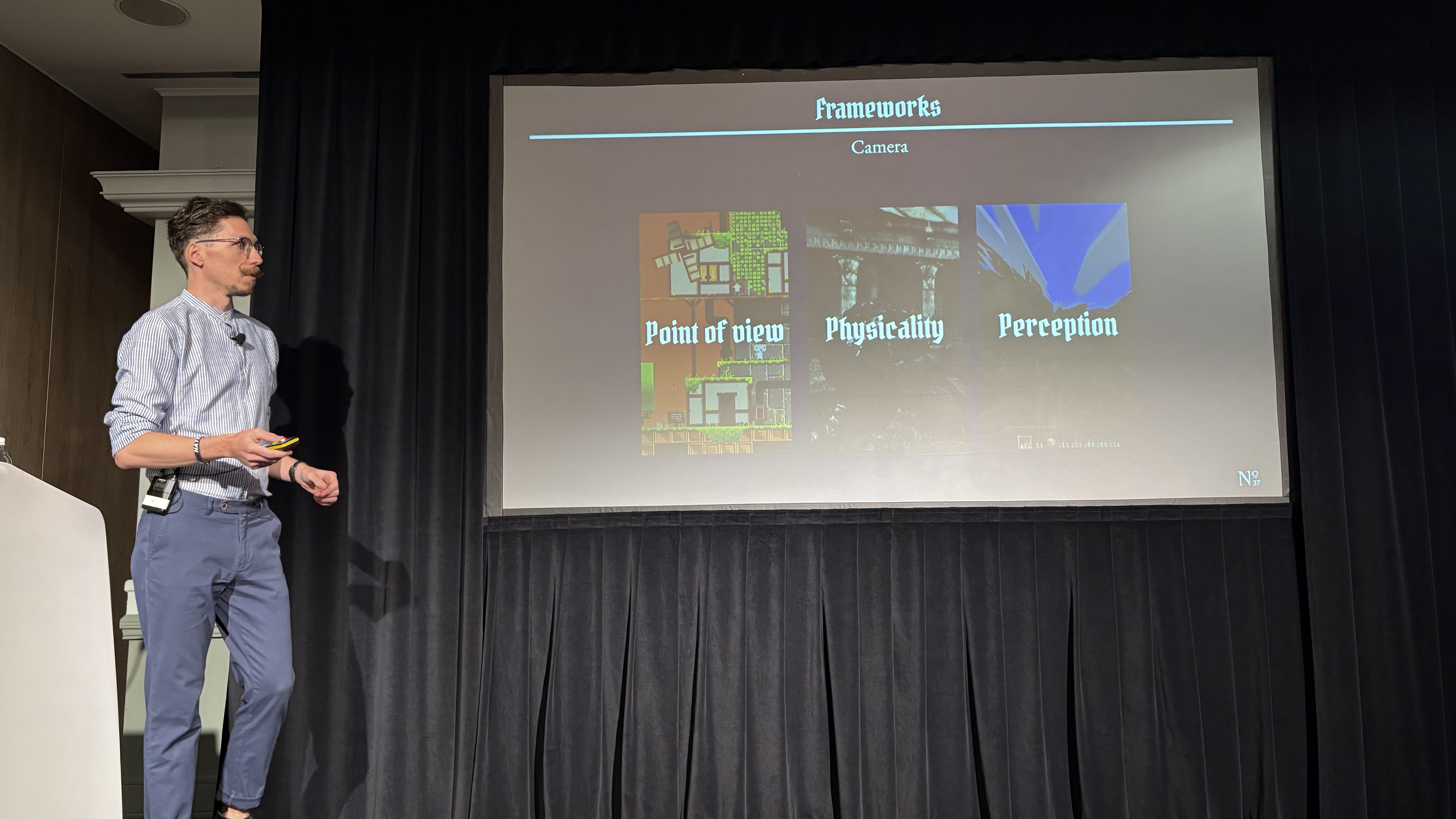
The camera, in particular, is a tool of perception. Pasjes noted that a third-person perspective in a title like Gears of War is designed to convey a sense of immense weight and "roadie-run" physicality. In contrast, a third-person perspective in a hero shooter like Marvel Rivals is tuned for "snappiness" and rapid verticality.
Furthermore, the Field of View (FOV) significantly impacts environmental art. A 60-degree FOV creates a sense of claustrophobia and focus, which might be ideal for a horror title or a tense space-station corridor. A 90-degree FOV provides peripheral vision essential for fast-paced combat but requires the art team to reconsider their compositions, as more of the world is visible at any given time.
The concept of "control" or "game feel" also falls under the art director’s purview. Pasjes cited Blizzard’s Diablo series as a masterclass in this area. While the core interaction—left-clicking an enemy—is simple, the amount of artistic effort poured into the visual and auditory feedback of that single click is what makes the game engaging for hundreds of hours. Art direction, in this sense, is the process of making the simplest player inputs feel significant.
Validating Art Choices Through Early Prototyping
To avoid the costly mistake of "building the rails while the train is moving," Pasjes emphasized the importance of validating art choices through design prototyping as early as possible. A common pitfall in game development is the late-stage addition of traversal mechanics, such as vaulting or climbing.
Pasjes shared an anecdote from a project where a vaulting mechanic was introduced midway through production. This seemingly minor change necessitated a complete overhaul of the environment pipeline. Every desk, chair, fence, and railing had to be resized to fit a specific "height arena" that the vaulting animation could accommodate. If a player sees a fence they believe they should be able to clear, and the game prevents it, the immersion is broken. By using First Principles to define the character’s physical capabilities during pre-production, the art team can build an environment that intuitively communicates its own navigation rules to the player.
Innovation Within Constraints: The Modular Approach
For independent and mid-sized studios, the primary constraint is often a lack of specialized resources. Pasjes recommended that smaller teams lean into the intended workflows of established engines like Unreal Engine 5 or Unity rather than attempting to build custom technology. The key to uniqueness, he suggested, lies not in the engine itself but in how modular assets are utilized.
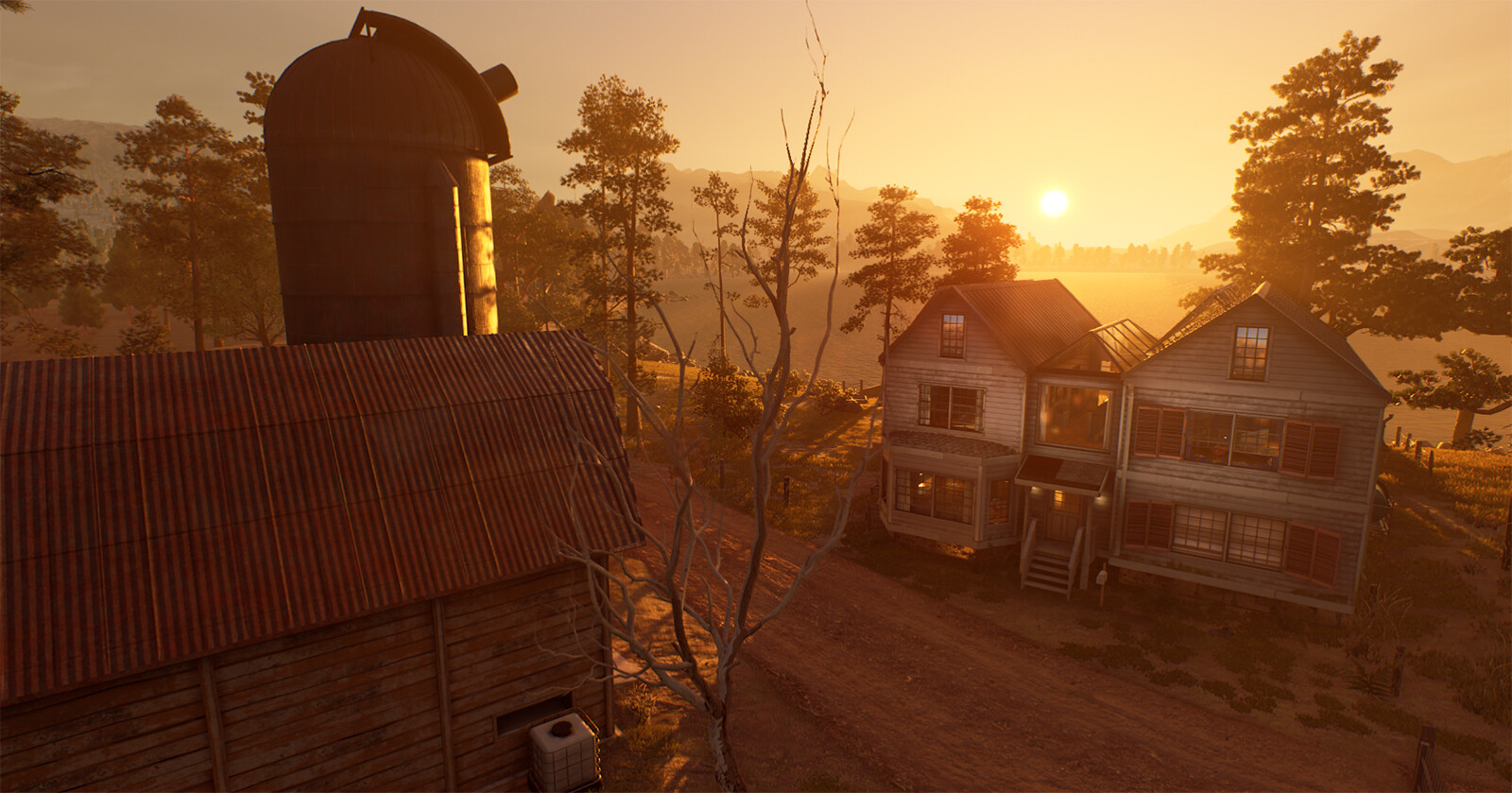
During the production of Deliver Us Mars, the environment team consisted of only two artists. To create the diverse landscapes of the Red Planet, they developed a highly versatile modular kit. Rather than creating unique assets for every level, they applied vastly different lighting scenarios and post-processing effects to the same base modules. This allowed them to create distinct moods and color palettes across the game without increasing the asset count.
In one instance, the team needed a destroyed version of a barn. Instead of manually modeling the wreckage, they exported the intact barn into Blender, ran a physics simulation to collapse the structure, and "paused" it at the desired frame of destruction. This automated approach saved weeks of production time while delivering a result that felt grounded in physical reality.
The Broader Impact on the Gaming Industry
The implications of Pasjes’ "First Principles" talk extend beyond the technicalities of art direction. It signals a shift in the industry toward a more thoughtful, identity-driven form of development. As AI-assisted tools and procedural generation become more prevalent, the value of a human art director will increasingly lie in their ability to make high-level, philosophical decisions that give a game its soul.
By stripping away the "default" settings of modern game development, studios can create experiences that are deeply unique to their own culture and vision. As Pasjes concluded his talk at Develop: Brighton, he reminded the audience that a game built from the ground up on fundamental truths is, by definition, something that cannot be replicated by competitors. In a crowded marketplace, this authenticity is perhaps the most valuable asset a studio can possess.
The 2026 conference closed with a sense of cautious optimism. While the technical challenges of game development continue to grow, the return to "First Principles" offers a roadmap for creators to reclaim the artistic integrity of their work, ensuring that the next generation of games is defined not just by how they look, but by how deeply they resonate with the players who inhabit them.