Primate Labs Unveils Geekbench 7: A New Era for Device Benchmarking Focused on Real-World Performance and AI Workloads

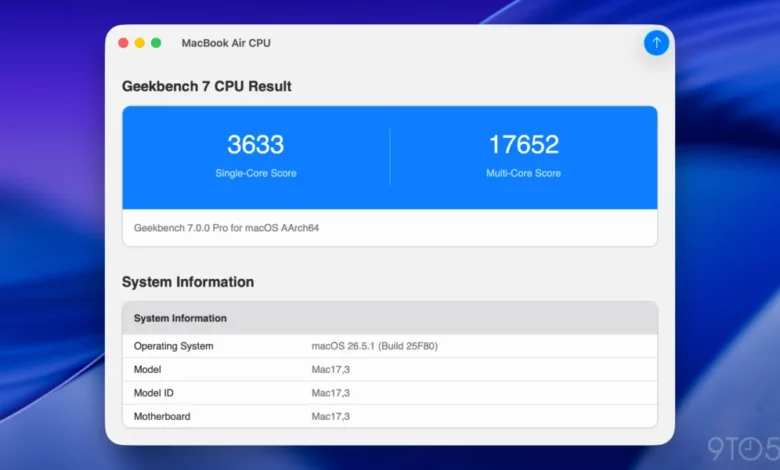
Primate Labs today announced the immediate availability of Geekbench 7, its latest iteration of the widely recognized cross-platform benchmarking tool. The new version promises a significant evolution in how device performance is measured, aiming to more accurately reflect the demands of contemporary computing across everyday tasks, intensive gaming, and the burgeoning landscape of artificial intelligence (AI) workloads. This release marks a critical juncture for both consumers and the technology industry, offering a refined lens through which to evaluate the true capabilities of modern hardware.
The Evolving Landscape of Device Performance Measurement
The launch of Geekbench 7 arrives three years after its predecessor, Geekbench 6, which was introduced in early 2023. At the time, Primate Labs acknowledged the profound shifts occurring in the technology world, particularly the emergence of AI and machine learning (ML) as ubiquitous elements within both general computing and mobile applications. Fast forward to 2026, and that transformation has not only deepened but accelerated dramatically. On-device AI inference, sophisticated image and video processing, and increasingly graphically demanding games are no longer niche applications but central to the user experience. This pervasive integration means that CPU and GPU performance now bear direct relevance across an ever-widening spectrum of daily activities, from productivity to advanced creative work.
Geekbench 7 has been meticulously engineered to address these shifts, introducing "both new and improved workloads to measure the performance of your CPUs and GPUs." This comprehensive overhaul is not merely an incremental update but a strategic recalibration designed to provide more pertinent and actionable performance insights. The core philosophy underpinning Geekbench 7 is a move towards simulating real-world scenarios with greater fidelity, ensuring that benchmark scores translate more directly into observable user experience improvements.
Revolutionizing GPU Benchmarking for the AI and Content Creation Era
One of the most significant advancements in Geekbench 7 lies in its revamped GPU Benchmark. This section of the application now places a substantially greater emphasis on machine learning and content creation workloads, reflecting their exponential growth in importance. For machine learning, the GPU benchmark incorporates a suite of tasks designed to assess a device’s capability in handling various AI computations directly on the hardware. These workloads are crucial for evaluating the efficiency and speed of on-device AI inference, a capability that is becoming a cornerstone of modern smartphones, tablets, and personal computers. From real-time language translation to advanced computational photography and predictive text algorithms, the ability of a device’s GPU to process AI tasks locally is a key differentiator in today’s market.
Furthermore, Geekbench 7 introduces an array of new GPU image editing and synthesis workloads. These include rigorous tests such as RAW image processing, which evaluates a GPU’s capacity to handle large, uncompressed image files and apply complex adjustments efficiently. LUT-based video color grading assesses performance in professional video workflows, where color accuracy and real-time manipulation are paramount. Path tracing, a highly demanding rendering technique used in photorealistic graphics, and fluid simulation, critical for visual effects and scientific modeling, are also integrated. These additions reflect the growing professionalization of content creation tools and the increasing expectation for high-performance visual computing on a broad range of devices.

In a move that further solidifies its relevance in the high-performance computing sphere, Geekbench 7 has expanded its list of supported GPU APIs to include Nvidia’s CUDA. This addition joins the existing support for OpenCL, Vulkan, and Metal. The inclusion of CUDA is particularly significant given its widespread adoption in professional graphics, scientific computing, and artificial intelligence research, especially within the NVIDIA ecosystem. For devices equipped with NVIDIA GPUs, this means a more accurate and comprehensive assessment of their compute capabilities, particularly in domains heavily reliant on CUDA-accelerated libraries. This ensures that a broader range of high-end hardware, from professional workstations to gaming rigs, can be thoroughly evaluated.
Refining CPU Benchmarking: A More Realistic Approach to Multi-Core and Media Performance
Beyond the GPU enhancements, Geekbench 7 also introduces crucial improvements to its CPU benchmarking methodologies, particularly in how it handles multi-core performance. Primate Labs explains that Geekbench 7 now executes workloads across multiple threads only when the real-world task being simulated would typically leverage multi-core processing. This represents a more nuanced and accurate approach compared to previous iterations. For instance, the HTML5 Browser test, which previously contributed to multi-core scores, has been removed from the multi-core suite. The rationale is that web browsers, while complex, generally operate in a single-threaded or lightly threaded manner for core rendering tasks. By aligning benchmark execution with actual application behavior, Geekbench 7 aims to prevent inflated multi-core scores that do not translate into tangible performance benefits for common user tasks, thereby providing a more honest reflection of a CPU’s capabilities.
When it comes to media performance, a critical aspect of modern computing, Geekbench 7 adds a suite of new workloads specifically designed to measure how CPUs handle audio and video encoding, decoding, and processing. These tests are vital for assessing a device’s efficiency in tasks such as streaming high-resolution video, real-time video conferencing, editing multimedia content, and processing audio files. With the proliferation of platforms like YouTube, TikTok, and various streaming services, and the increasing reliance on video communication for work and social interaction, the ability of a CPU to handle multimedia tasks quickly and efficiently has become a primary concern for consumers. These new benchmarks will provide clearer insights into how well a device can keep up with these demanding multimedia workloads.
Finally, Geekbench 7 significantly increases both the size and variety of the data sets employed throughout its tests. This augmentation ensures that the benchmarks are exposed to a broader range of real-world data patterns, leading to more robust and representative results. For example, the File Compression workload now includes a more diverse collection of archives, encompassing source code, object code, and various text documents. This variety better mimics the heterogeneous nature of data users typically compress. Similarly, the PDF Viewer test has been expanded to cover a wider array of file types, from graphical park maps to dense technical documents and academic papers, challenging the CPU with different rendering complexities. Developer and image-processing workloads have also received updates, incorporating more assets and supporting additional image formats, which helps in evaluating performance across a wider spectrum of creative and professional applications. This meticulous attention to data diversity ensures that Geekbench 7 provides a more comprehensive and accurate assessment of real-world performance under varied conditions.
A Brief Chronology of Benchmarking Evolution and Geekbench’s Role
The evolution of benchmarking tools like Geekbench mirrors the rapid advancements in computing itself. In the early 2000s, benchmarks primarily focused on raw clock speed and basic arithmetic operations, reflecting the simpler computing paradigms of the era. The advent of multi-core processors in the mid-2000s prompted a shift towards multi-threaded performance metrics. By the early 2010s, with the explosion of mobile devices and the increasing sophistication of graphics, GPU performance became a critical area of focus, leading to specialized graphics benchmarks.
Geekbench has consistently adapted to these shifts. Its earlier versions provided foundational CPU and GPU metrics, establishing itself as a reliable, cross-platform tool. The release of Geekbench 6 in 2023 was a pivotal moment, explicitly acknowledging the growing importance of AI and ML. Primate Labs noted that "a lot [had] changed in the tech world in the past three years," identifying AI and ML as becoming "ubiquitous in general and mobile applications." This version began incorporating initial AI-related workloads.
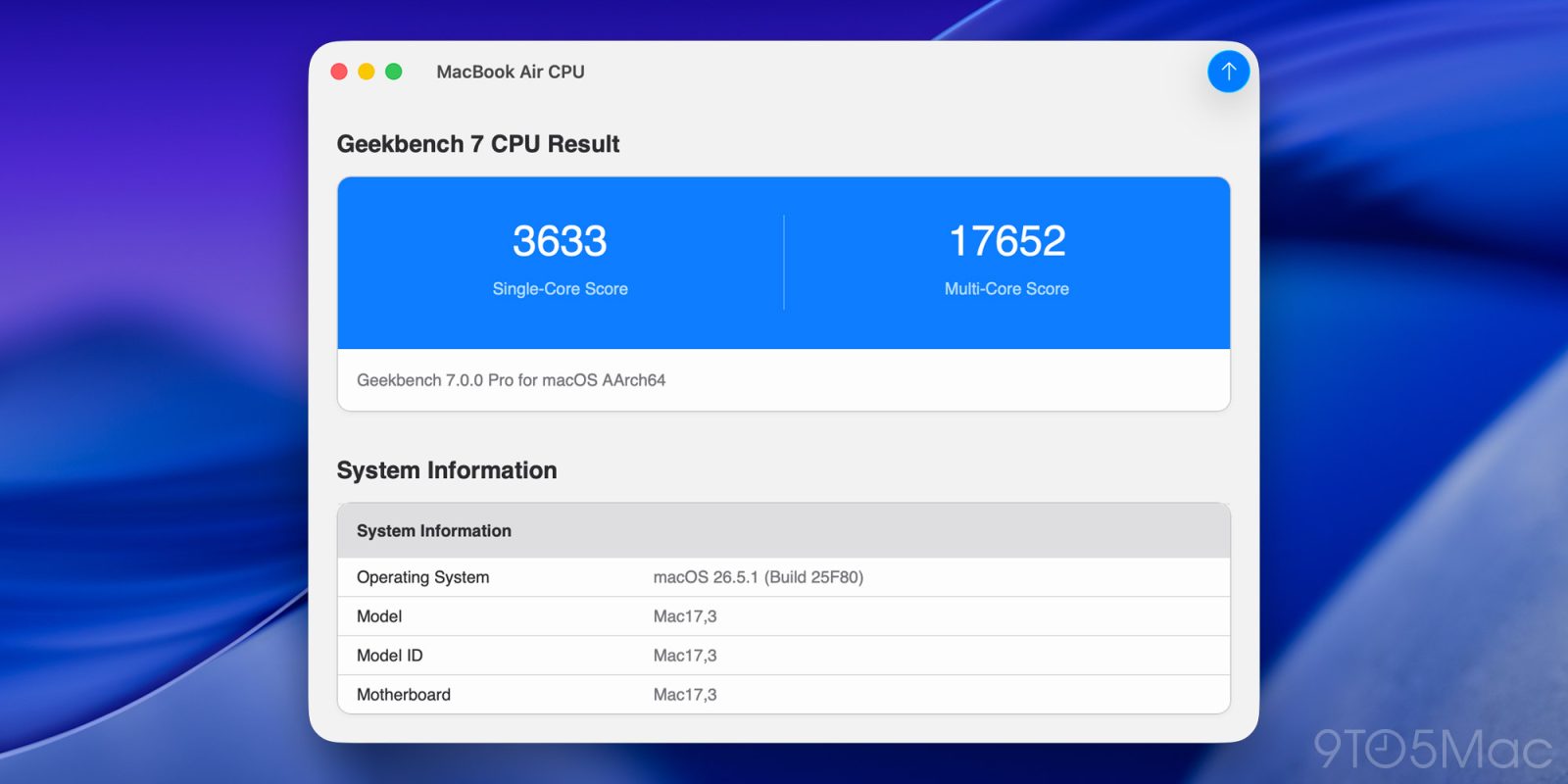
Now, in 2026, Geekbench 7 represents the next logical step in this progression. The "three years later" context from the original article underscores the accelerating pace of technological change. AI has transitioned from an emerging technology to an embedded component of almost every digital interaction. This necessitates benchmarks that don’t just acknowledge AI but are fundamentally designed to assess its on-device performance comprehensively. The timeline illustrates a continuous refinement process, where each iteration of Geekbench strives to stay ahead of, or at least abreast with, the leading edge of computing innovation.
Supporting Data and Market Implications
The enriched benchmarking capabilities of Geekbench 7 come at a time when the technology market is deeply invested in AI. Industry reports from entities like Gartner and IDC consistently project significant growth in AI-enabled devices. For instance, the market for AI PCs, which feature dedicated neural processing units (NPUs) or advanced AI accelerators, is expected to grow from a nascent stage to tens of millions of units annually within the next few years. Geekbench 7’s enhanced focus on machine learning workloads is perfectly positioned to evaluate the efficacy of these specialized AI hardware components, providing crucial data points for consumers and manufacturers alike.
Furthermore, the gaming industry continues its upward trajectory, with titles pushing the boundaries of graphical fidelity and physics simulations. The global gaming market is projected to exceed hundreds of billions of dollars, driven by sophisticated engines and high-resolution content. The new GPU workloads in Geekbench 7, particularly those related to path tracing and fluid simulation, offer a more accurate assessment of a device’s ability to handle these cutting-edge gaming and rendering demands. This provides gamers with a clearer picture of real-world performance beyond synthetic frame rates.
The content creation economy, too, is experiencing unprecedented growth. From independent creators to professional studios, the demand for powerful, portable devices capable of handling 4K/8K video editing, complex graphic design, and 3D modeling is higher than ever. Tools like Adobe Creative Suite, DaVinci Resolve, and Blender rely heavily on both CPU and GPU horsepower for optimal performance. Geekbench 7’s new media performance benchmarks and content creation GPU tests will be invaluable for professionals seeking to identify hardware that genuinely accelerates their workflows.
While specific performance figures for new hardware are yet to be widely published using Geekbench 7, industry analysts anticipate that the refined methodologies will highlight differences more acutely. For instance, a device that might have shown a modest generational improvement in Geekbench 6 might demonstrate a more substantial leap in specific AI or content creation scores in Geekbench 7, reflecting architectural optimizations for these specific tasks. Conversely, devices with less balanced architectures might see their overall scores more realistically positioned relative to their real-world performance.
Industry Reactions and Broader Impact
The release of Geekbench 7 is expected to elicit significant reactions across the technology sector. Primate Labs, in its statements, has consistently emphasized its commitment to creating benchmarks that are "meaningful and relevant to today’s users." A hypothetical statement from Primate Labs CEO, John Poole, might underscore this vision: "Our goal with Geekbench 7 was not just to iterate, but to fundamentally re-evaluate how we measure performance in an AI-first world. We believe these new workloads and methodologies provide the most accurate and forward-looking assessment of device capabilities to date."

Hardware manufacturers, including giants like Apple, Intel, AMD, Qualcomm, and NVIDIA, are expected to rapidly integrate Geekbench 7 into their internal testing and public messaging. The benchmark will serve as a new standard for validating the performance claims of their latest chip architectures, particularly those with advanced AI accelerators and enhanced graphics capabilities. For companies like Apple, whose custom silicon (like the A-series and M-series chips) often leads in power efficiency and integrated AI capabilities, Geekbench 7 will provide a fresh platform to demonstrate their architectural prowess in real-world scenarios. Intel and AMD, fiercely competing in the PC CPU and GPU markets, will undoubtedly leverage Geekbench 7 scores to showcase the strengths of their respective platforms, from gaming to professional content creation. NVIDIA, with its dominant position in high-end GPUs and AI, will find the expanded CUDA support and AI workloads particularly useful for highlighting the advantages of its hardware.
For consumers, Geekbench 7 offers a more sophisticated tool to make informed purchasing decisions. Moving beyond raw, abstract numbers, users can now gain a clearer understanding of how a device will perform in the applications they actually use – whether it’s demanding games, AI-powered photography, or intensive video editing. This shift towards real-world relevance helps to demystify benchmark scores and directly connect them to practical user experiences.
Developers, too, will benefit from Geekbench 7. By providing a more accurate reflection of current hardware capabilities and user expectations, the benchmark can help software engineers optimize their applications for the latest CPUs and GPUs, ensuring their software runs efficiently and takes full advantage of modern device architectures, especially concerning AI acceleration and multi-threaded performance.
The launch of Geekbench 7 also reinforces Primate Labs’ position as a leading provider of cross-platform benchmarking solutions, competing with other industry standards like Cinebench for CPU rendering, 3DMark for graphics, and various specialized AI benchmarks. By offering a comprehensive suite that spans CPU, GPU, and increasingly, NPU-like functionalities, Geekbench 7 solidifies its role as a general-purpose, holistic performance evaluator across diverse operating systems and hardware platforms.
Conclusion
The release of Geekbench 7 by Primate Labs marks a significant milestone in the continuous effort to accurately quantify and understand device performance in an increasingly complex and AI-driven technological landscape. With its refined CPU methodologies, overhauled GPU benchmarks focusing on machine learning and content creation, expanded API support, and larger, more varied data sets, Geekbench 7 is poised to become the definitive tool for evaluating modern computing devices. It offers a crucial bridge between synthetic testing and the nuanced demands of real-world usage, providing invaluable insights for consumers, hardware manufacturers, and software developers alike. To celebrate this pivotal launch, Primate Labs is offering a 20% discount on Geekbench 7 Pro through August 6, while the standard version remains freely available for personal use. Those interested in delving deeper into the technical specifics of this groundbreaking update can find comprehensive information on the official Primate Labs blog.
Related posts: