Navigating the Digital Labyrinth: How Social Media Algorithms Shape Online Visibility and Content Strategy in 2026


Modern social media algorithms have evolved far beyond simple chronological timelines, transforming into sophisticated artificial intelligence engines that dictate the digital visibility of billions of users. As global internet users spend an average of 141 minutes daily on social platforms, these invisible gatekeepers utilize complex machine learning models to filter out an unprecedented volume of digital noise. No longer merely sorting content by the hour of publication, contemporary algorithms actively predict individual user intent, valuing engagement, watch time, and contextual relevance over mere posting frequency. For digital marketers, enterprise brands, and everyday creators alike, understanding these underlying ranking signals has become the single most critical variable in determining organic reach and business impact.

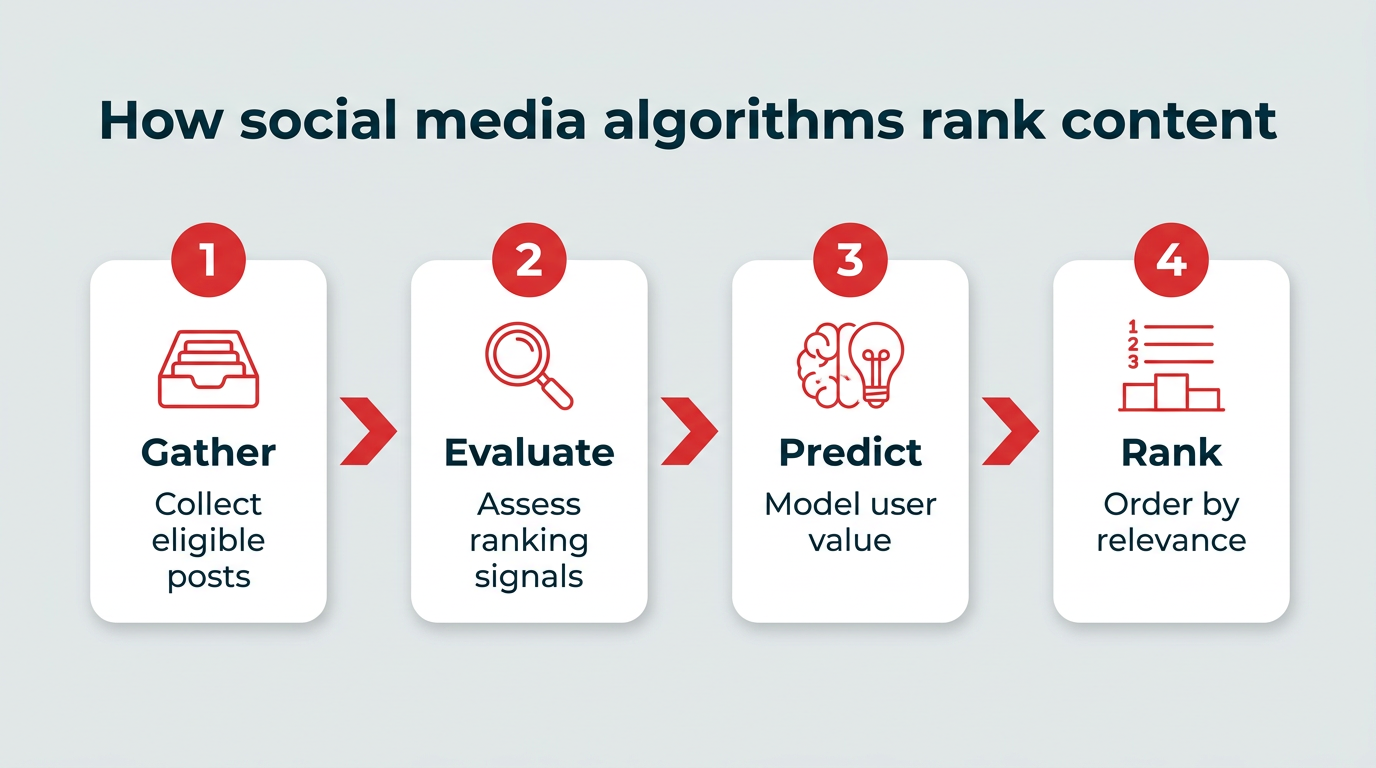
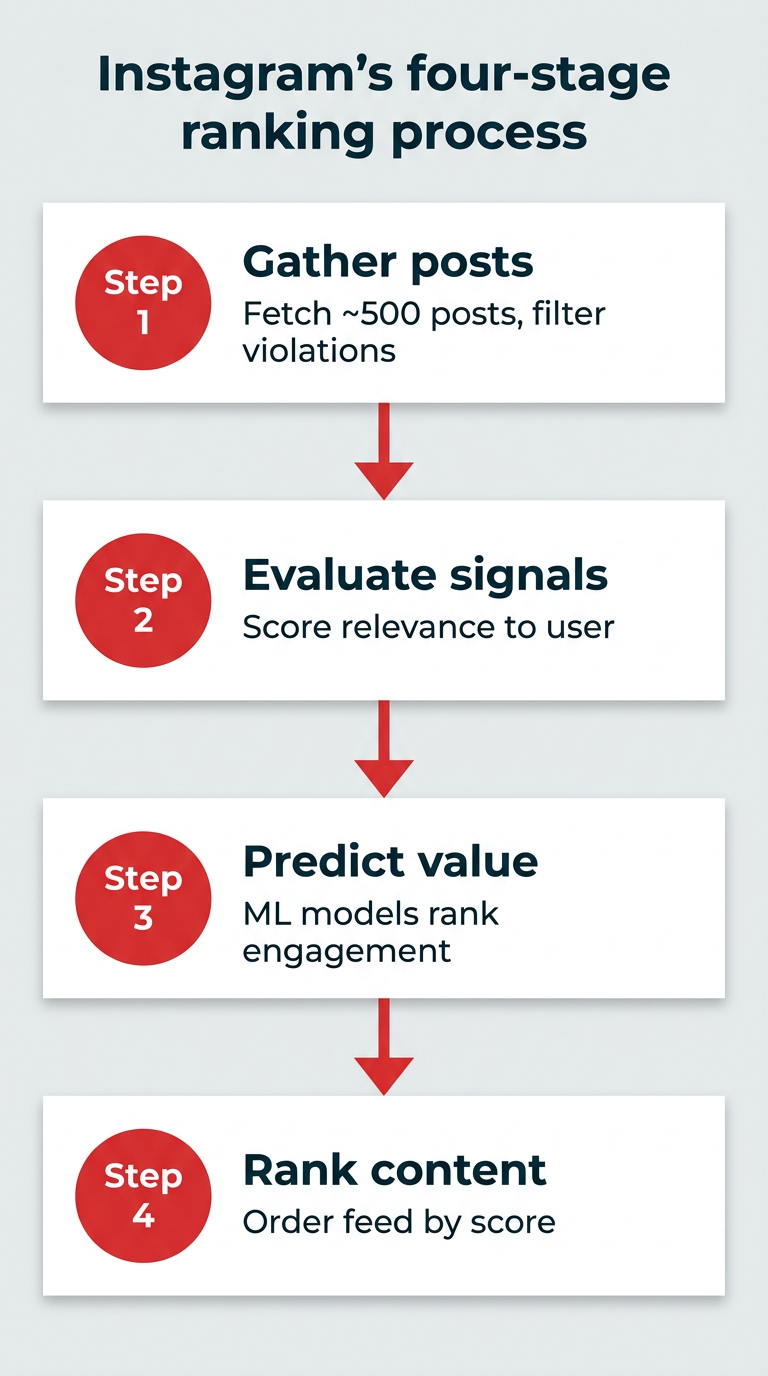
The mechanics driving these content distribution systems rely on a consistent, multi-stage workflow across nearly all major platforms. When a user opens an application, the platform’s architecture instantly gathers a vast pool of eligible content—often hundreds or thousands of recent posts from followed accounts and recommended creators—and filters out items violating community guidelines. The system then evaluates remaining posts against a complex array of ranking signals, using machine learning to predict the specific value and engagement a user will derive from each piece of media. A short-form video holding a user’s attention for ten seconds or more, for instance, will invariably outrank a static image that triggers an immediate scroll. This scoring and ranking process occurs in milliseconds, personalizing every feed so that no two individuals experience the platform in the exact same way.
To comprehend the sheer scale of this digital filtering, one must examine the historical evolution of social media distribution. The landscape has transitioned through four distinct eras: the early chronological feeds of the foundational Web 2.0 period, the shift toward basic engagement-driven algorithms in the mid-2010s, the subsequent boom of interest-based and recommendation-heavy platforms, and finally, the current 2026 era dominated by generative artificial intelligence and hyper-personalized machine learning. In the nascent days of social media, digital real estate was abundant and organic visibility was relatively easy to secure. Today, however, brands do not merely compete against direct industry rivals; they contend with every piece of content, entertainment, and distraction available in the global digital ecosystem.
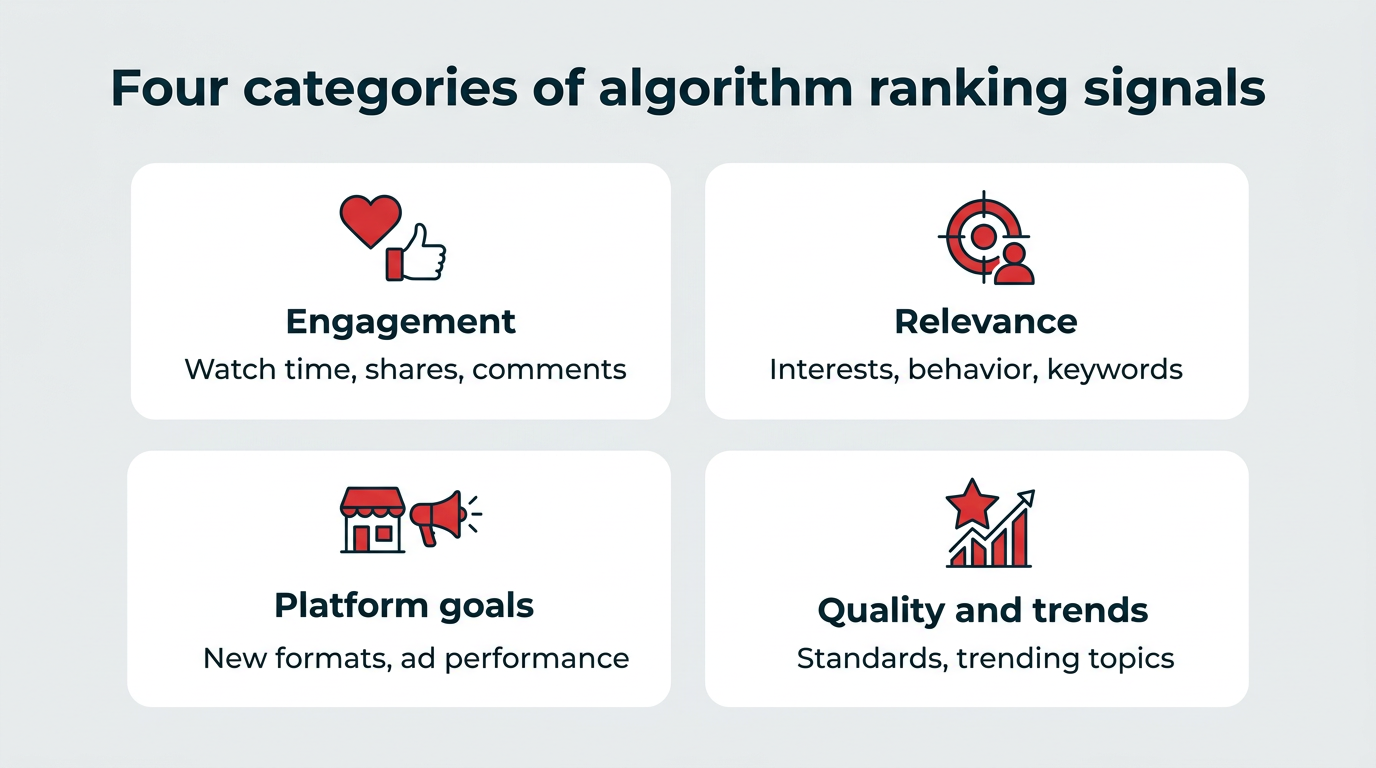
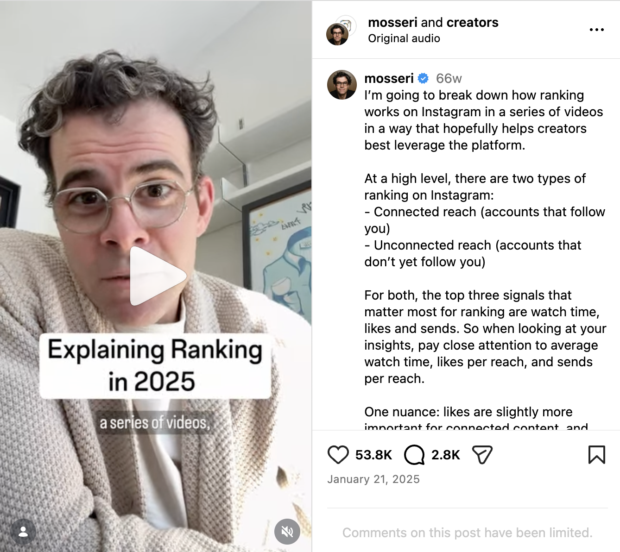
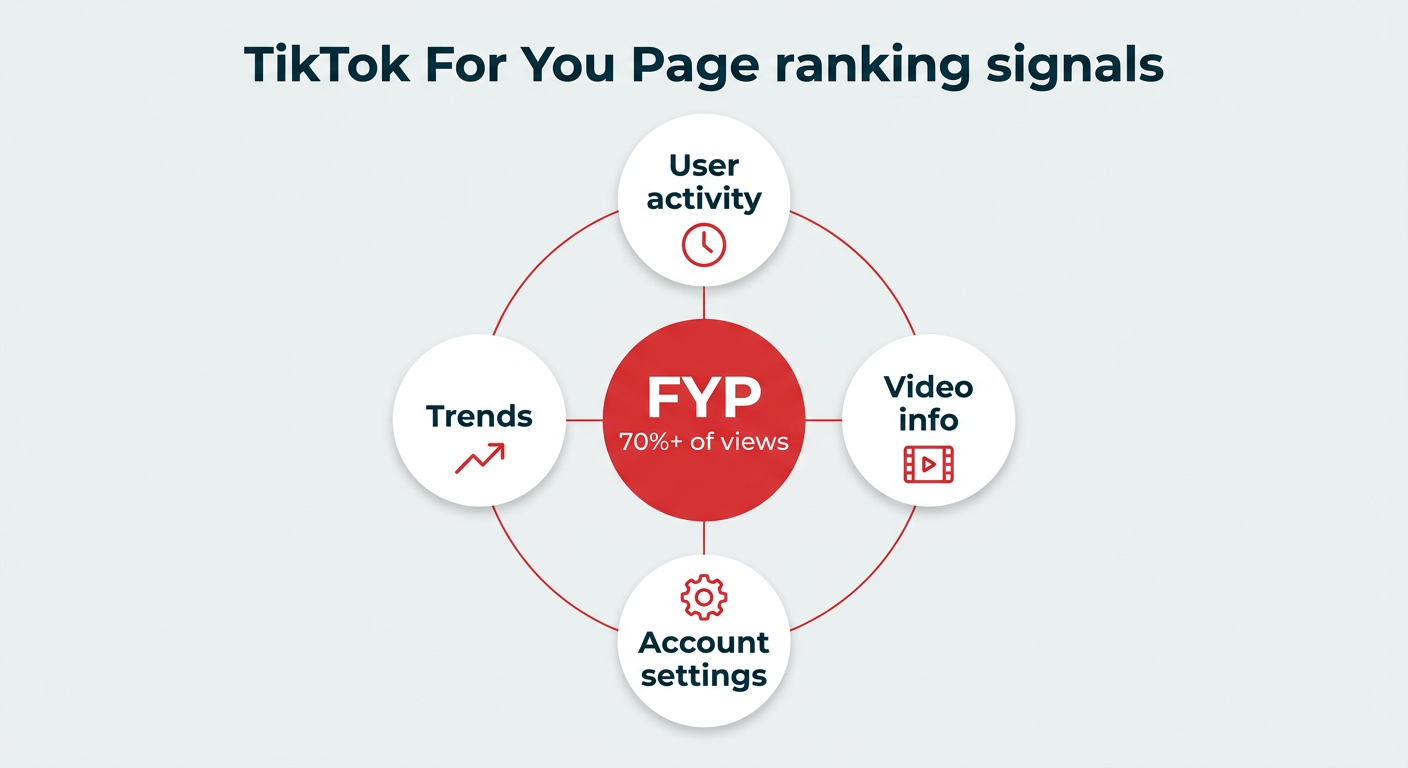
Platform diversification has simultaneously accelerated, requiring specialized strategies rather than generalized, one-size-fits-all publishing approaches. According to recent demographic and usage data, adult adoption across platforms varies drastically, ranging from 84% on video-first platforms like YouTube down to 37% on fast-paced networks like TikTok. Consequently, marketing teams must adapt their formats, hooks, and publishing cadences to match the unique priorities of individual networks. Instagram, for example, emphasizes watch time, likes, and content sends—with direct messaging shares holding immense weight for pushing content beyond immediate follower networks. Meanwhile, TikTok prioritizes watch time and immediate user activity on its For You Page, rewarding creators who capture audience attention within the critical opening three seconds of a video.
Professional networks and text-based platforms operate under similarly distinct parameters. LinkedIn has shifted its algorithmic focus toward professional relevance, video integration, and recurring newsletters, rewarding creators who stimulate early engagement through active comment moderation within the first hour of publication. X (formerly Twitter) maintains a balance between real-time chronological updates and algorithmic recommendations on its For You tab, rewarding recency and conversational velocity. Newer alternatives such as Bluesky have introduced user-controlled, custom-feed architectures, granting communities the power to curate their own algorithmic rules, while Reddit continues to layer aggressive community moderation and upvoting mechanics on top of traditional engagement signals.
The integration of artificial intelligence into these systems has fundamentally altered the responsibilities of enterprise communications and marketing teams. Machine learning models now evaluate user sentiment, aggregate behavioral trends, and dynamically adjust content distribution in real time. For businesses attempting to maximize return on investment, aligning organic strategies with algorithmic preferences is vital. When platforms favor a brand’s content, organic reach expands exponentially without requiring additional advertising spend. Conversely, when algorithmic alignment fails, even high-production creative assets can remain completely unseen, forcing paid media budgets to work significantly harder to achieve the same baseline awareness.

Industry analysts emphasize that tracking algorithm performance requires continuous monitoring of core analytics metrics rather than reactive adjustments to perceived shadowbans or sudden drops in visibility. Digital strategists recommend closely tracking five essential metrics per platform: overall reach (separated by connected and unconnected audiences), engagement rate, average watch time or view duration, share or send rates, and sustained follower growth. By monitoring these indicators for sudden anomalies, teams can quickly identify macro-level algorithmic shifts and adapt their content distribution strategies accordingly.
Ultimately, mastering social media algorithms in 2026 requires a balanced approach that respects platform-specific nuances while adhering to universal principles of digital storytelling. Quality, emotional resonance, and genuine audience utility remain the most reliable defenses against algorithmic volatility. As artificial intelligence continues to refine how information is delivered, curated, and consumed, the organizations that succeed will be those that treat algorithms not as arbitrary obstacles, but as sophisticated distribution partners designed to connect the right content with the right audience at precisely the right moment.