Motorola Signature 27 officially confirmed for North American market release following Snapdragon Summit debut

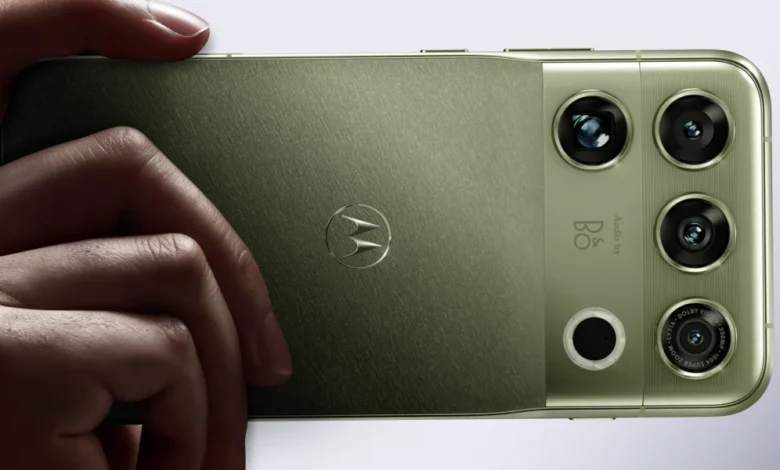
Motorola has officially confirmed that its highly anticipated flagship smartphone, the Signature 27, will be arriving in the North American market, marking a significant strategic shift for the manufacturer. Following an initial tease at the recent Snapdragon Summit, where the device was showcased alongside the latest advancements in mobile silicon, the company has clarified its roadmap for the United States and Canada. This announcement represents a pivotal moment for Motorola, as it seeks to re-establish a meaningful foothold in the premium flagship sector after several years of focusing predominantly on the mid-range and budget-friendly segments of the North American market.
The Path to the North American Flagship Launch
The confirmation came via an official communication to media outlets, explicitly identifying the Signature 27 as the latest addition to the company’s North American portfolio. While the device is scheduled for a wider global unveiling, the North American release is slated for the coming months. This timeline suggests a coordinated global strategy, ensuring that the hardware—which leverages the cutting-edge Snapdragon 8 Elite Extreme Gen 6 processor—is positioned to compete directly with established market leaders from Samsung, Google, and Apple.
The absence of a "true" flagship from Motorola in the US has been a notable gap in the company’s recent history. While Motorola has enjoyed significant success with its Razr foldable series and the value-oriented Moto G and Edge lines, it has largely avoided the hyper-competitive ultra-premium tier in North America since the decline of its high-end flagship efforts years ago. By introducing the Signature 27, Motorola is signaling a move to challenge the dominance of devices like the Galaxy S-series and the Pixel Pro lineup, leveraging both its hardware heritage and the raw performance of Qualcomm’s newest architecture.
Technical Foundations and Market Positioning
At the heart of the Motorola Signature 27 lies the Qualcomm Snapdragon 8 Elite Extreme Gen 6 chipset. This processor represents the bleeding edge of mobile computing, characterized by advancements in on-device artificial intelligence, power efficiency, and graphical processing power. By integrating this specific chip, Motorola is aligning itself with the current industry trend of "AI-first" hardware, where the device’s capability to handle complex large language models and generative AI tasks locally is a primary selling point.
Furthermore, the device is expected to come with a commitment to long-term software support. Motorola has confirmed that the Signature 27 will feature seven years of updates. This shift is critical; as consumers hold onto their devices for longer periods, long-term software support has become a standard requirement for flagship smartphones. By matching the support windows provided by Google and Samsung, Motorola is addressing one of the most common criticisms leveled against its previous product cycles: the lack of sustained software longevity.
Strategic Partnership: Bang & Olufsen Integration
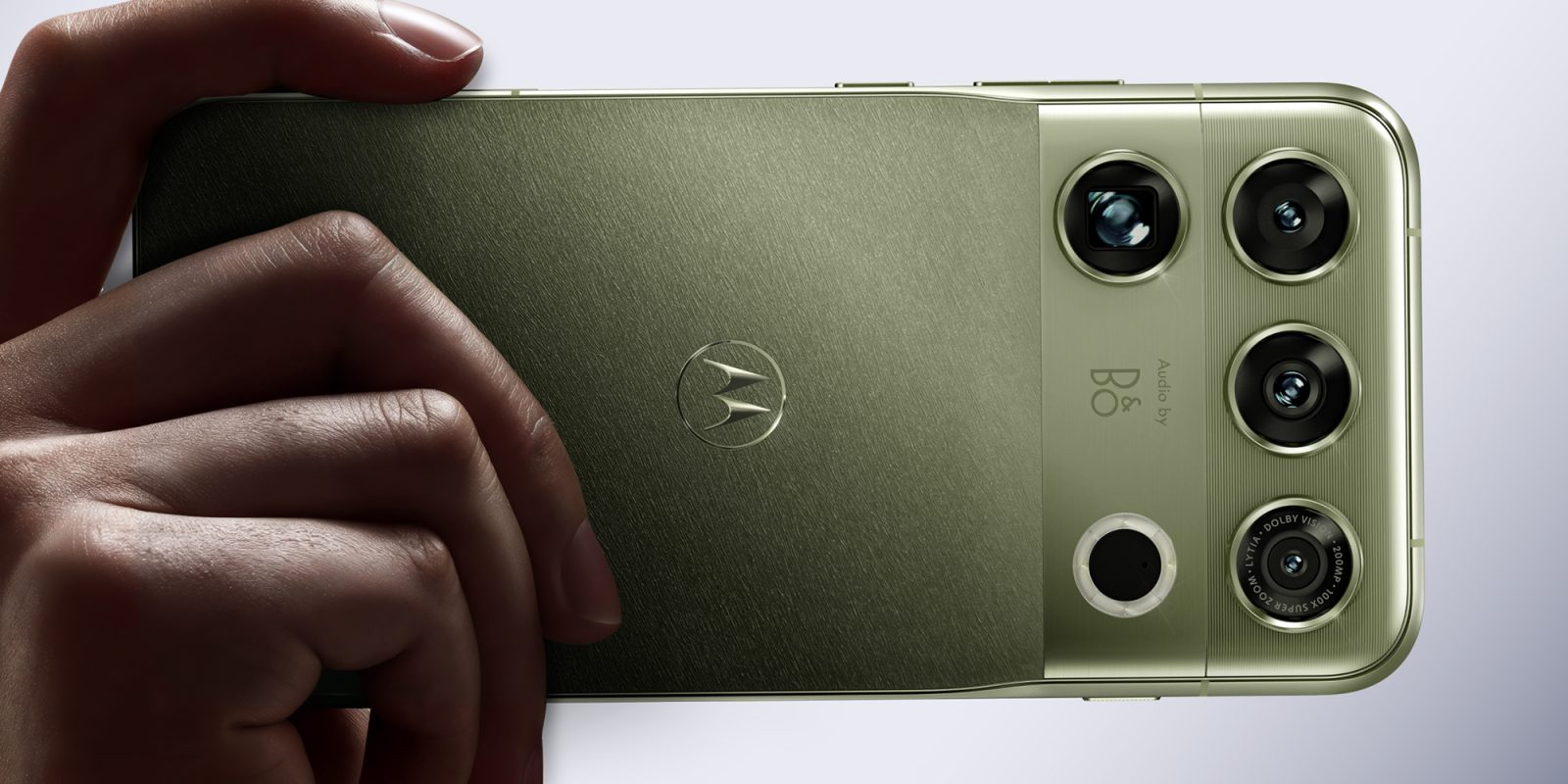
Perhaps the most unique aspect of the Signature 27 launch is the formal, multi-year partnership between Motorola and Danish luxury audio brand Bang & Olufsen. This collaboration is described as being deeply integrated into the product’s architecture rather than a simple branding exercise. According to official statements, the two companies have aligned their design philosophies to ensure that audio is treated as a fundamental component of the user experience.
Bang & Olufsen’s acoustic engineers have been involved in the tuning of the device’s internal hardware. This includes the development of custom sound profiles, audio modes, and the integration of proprietary audio processing technologies designed to deliver a high-fidelity experience from a mobile form factor. The collaboration is intended to extend beyond the Signature 27, with the two companies planning to expand the "Audio by Bang & Olufsen" ecosystem across future flagship launches. This partnership serves as a key differentiator, providing Motorola with a premium branding narrative that resonates with consumers who value high-end industrial design and sonic performance.
Historical Context and Competitive Landscape
To understand the weight of this announcement, one must look at the trajectory of the smartphone industry over the last decade. Motorola, once the quintessential American mobile giant, has spent years operating under Lenovo’s ownership, focusing on regional strengths in Latin America and high-volume sales in the United States via carrier partnerships.
During the period between 2020 and 2025, the North American flagship market underwent a significant consolidation. With the exit of LG from the smartphone business in 2021, the landscape became a duopoly between Apple and Samsung, with Google’s Pixel series acting as the primary challenger. Motorola’s absence from this tier meant that consumers looking for an alternative to the "Big Three" had limited options. By re-entering this space, Motorola is attempting to capitalize on a market that may be experiencing a degree of fatigue with the current status quo.
Analysts note that the success of the Signature 27 will depend not just on the raw specifications of the Snapdragon 8 Elite, but on the effectiveness of the software ecosystem and the pricing strategy. Given the rising costs of flagship components—particularly memory, high-resolution display panels, and specialized AI-capable chips—Motorola will likely need to price the Signature 27 in the $800 to $1,000 range to be taken seriously by the target demographic.
Analysis: Implications of the Motorola Strategy
The return of a Motorola flagship has several implications for the broader industry. First, it introduces more competition into the premium Android space, which may put pressure on pricing and feature sets among incumbents. If Motorola can successfully leverage the Bang & Olufsen brand to create a superior multimedia experience, it could carve out a niche among audio enthusiasts who prioritize smartphone audio quality—a segment that has been largely underserved as headphone jacks disappeared and internal speakers were deprioritized.

Second, the commitment to seven years of updates is a significant operational shift for the company. It implies that Motorola has upgraded its internal software engineering and quality assurance processes. Providing timely security and OS updates for seven years is a massive undertaking that requires sustained investment. This suggests that the Signature 27 is the first of a new, more serious iteration of the Motorola brand, one that prioritizes enterprise-grade support and consumer longevity.
Finally, the focus on the North American market suggests that Motorola has secured the necessary distribution channels—likely through major carriers like Verizon, T-Mobile, and AT&T—to ensure the device has a visible presence. In the United States, carrier retail is the primary vehicle for high-end device sales. A flagship launch without carrier backing rarely succeeds, so the company’s confidence in this release indicates a robust partnership with domestic network providers.
The Road Ahead
As the "coming months" approach, industry observers will be looking for further details regarding the camera array, the display specifications, and the exact pricing structure. The Signature 27 is more than just a new smartphone; it is a test of Motorola’s brand equity in the modern era. The company is betting that the combination of top-tier performance, long-term support, and a high-end audio partnership will be enough to lure customers away from their current brand loyalties.
The integration of Bang & Olufsen’s expertise is a calculated risk. While brand partnerships can sometimes come across as superficial, the emphasis on deep integration into the user experience, sound modes, and the broader ecosystem suggests a genuine attempt to differentiate the hardware. If the device lives up to the promise of its hardware specs and the prestige of its new audio partner, it could mark the beginning of a genuine renaissance for the Motorola brand in North America.
For now, the industry awaits the formal release event, which is expected to provide the final piece of the puzzle: the consumer-facing launch date and the comprehensive feature list that will define the Signature 27. As the mobile market continues to move toward AI-centric, high-performance devices, Motorola is clearly positioning itself to be a significant player, aiming to reclaim the prestige it held in previous decades. Whether this translates into sustained market share growth remains to be seen, but the intent is clear: Motorola is back, and it is targeting the top of the pyramid.