Verizon Apologizes for iPhone Duo Preorder Delays as Delivery Windows Slip into November

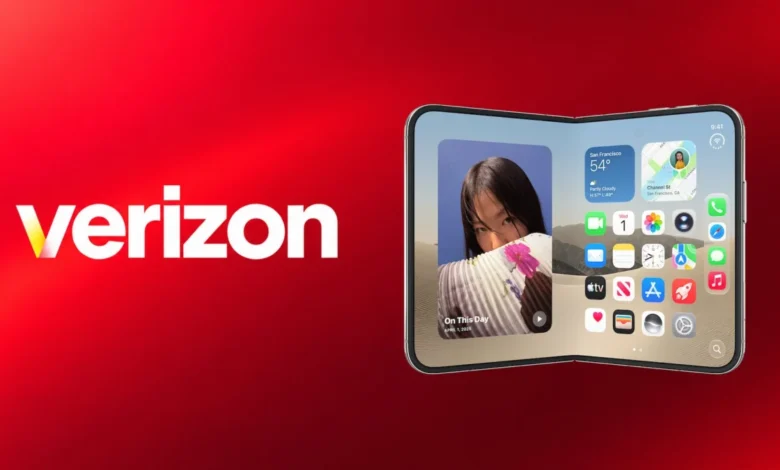
The launch of Apple’s highly anticipated iPhone Duo has hit a significant logistical snag, with major carrier Verizon formally apologizing to customers facing unexpected delivery delays. While the device officially arrived in the hands of many consumers on Friday, October 23, a substantial cohort of those who secured pre-orders during the initial window have received notifications that their shipping dates have been pushed back, in some cases by more than two weeks. This disruption highlights the ongoing tension between unprecedented consumer demand and the complex supply chain constraints that have plagued the rollout of Apple’s latest hardware.
A Chronology of the Disruption
The trouble began shortly after pre-orders opened on Friday, October 16. Enthusiastic consumers flocked to both Apple’s digital storefront and major carrier portals, including Verizon, to reserve the new device. For many, the purchase process appeared seamless, with checkout pages confirming a launch-day delivery of October 23.
However, as the launch date approached, the reality of the supply situation began to manifest. By mid-week, reports of shipping notifications being revised began to surface on community forums and social media platforms. One representative case involves a customer who placed an order at the earliest possible moment on October 16, only to see his promised delivery date shift from October 23 to November 7. Similar reports are widespread, with revised delivery estimates currently spanning the period from October 31 to November 14.
While some customers did receive their devices as scheduled, the inconsistency in order fulfillment has led to frustration among those who planned their schedules around the anticipated Friday delivery. The situation is further complicated by the fact that those attempting to secure an iPhone Duo via retail walk-ins or through Apple’s online store are currently facing even longer wait times, with some shipping estimates for new orders now stretching into late January 2027.
Verizon’s Response and Compensation Strategy
In an effort to mitigate customer dissatisfaction, Verizon has initiated a direct communication campaign, emailing affected individuals to acknowledge the failure in meeting the original delivery commitments. The carrier characterized the issue as an "unexpected shipping delay," though it stopped short of providing granular details regarding the specific logistical bottlenecks causing the bottleneck.
"We owe you an apology," the company stated in its official communication. "We appreciate your patience and the opportunity to make this right."
To placate the affected user base, Verizon is offering a $100 gift card as a goodwill gesture. The credit is versatile, intended for use in-store or online, and can be applied toward monthly service bills or the purchase of accessories and additional merchandise. The carrier has assured customers that their place in the order queue remains unchanged and that their shipments are currently being prioritized to reach them as soon as inventory becomes available. Verizon has advised customers to monitor their status through the "My Orders" portal on the official My Verizon website or mobile application, promising that further updates regarding the $100 credit will be sent out early next week.
The Context of Extraordinary Demand and Supply Constraints
The current fulfillment crisis follows weeks of industry speculation regarding the viability of the iPhone Duo’s supply chain. As early as September 2026, analysts and industry insiders suggested that Apple was contending with significant manufacturing challenges, likely stemming from the complex internal architecture required for the new hardware.
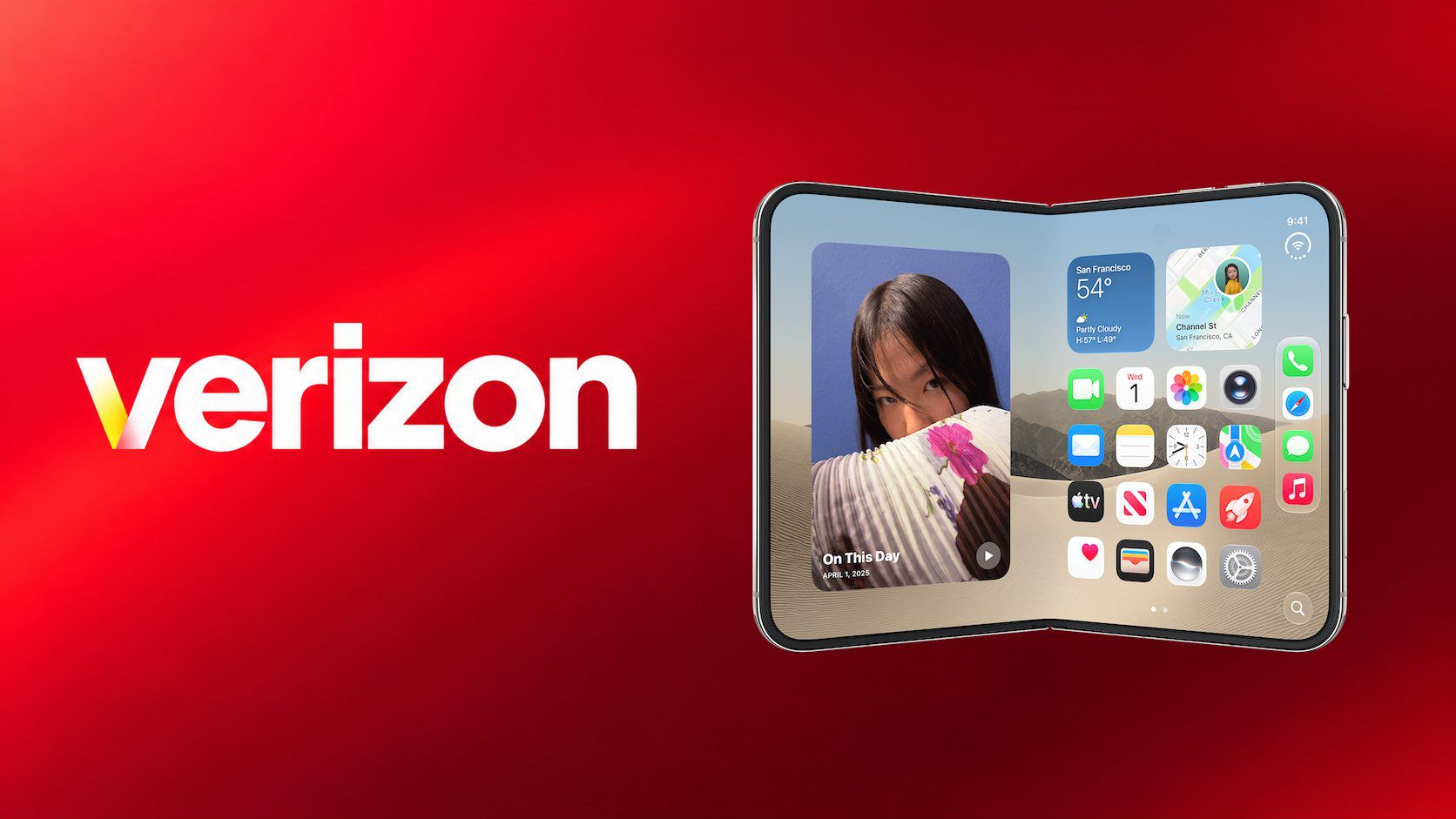
Despite these internal warnings, Apple proceeded with its standard pre-order schedule. In a recent newsletter, Bloomberg’s Mark Gurman characterized the decision to open pre-orders under such tight supply constraints as a "major mistake," arguing that the company should have bolstered inventory levels further before allowing consumers to lock in their purchases.
Apple itself has officially described the demand for the iPhone Duo as "extraordinary," a term that typically serves to frame supply shortages as a result of popularity rather than production failure. The sheer scale of the interest was evident in the weeks leading up to the launch, where retail staff were reportedly instructed to discourage walk-in customers from visiting stores on October 23, citing a lack of non-pre-order stock. Even with these warnings, retail locations saw significant foot traffic, and by the end of launch day, in-store pickup reservations had effectively been exhausted.
Industry Implications and Consumer Impact
The delays facing Verizon customers serve as a case study in the risks associated with high-profile hardware launches in a globalized economy. When a company as large as Apple coordinates a multi-channel launch, the reliance on third-party carriers to manage last-mile delivery introduces a layer of complexity that is susceptible to even minor supply chain disruptions.
For Verizon, the reputational cost of these delays is a delicate issue. By proactively offering financial compensation, the carrier is attempting to maintain brand loyalty and prevent customer churn during a critical upgrade cycle. However, the optics of the situation—where early adopters who pre-ordered are left waiting while the device is technically "available"—can erode trust in the pre-order model.
From an analytical perspective, the situation underscores the difficulty of forecasting demand for hardware that deviates from previous iterations. If the iPhone Duo features design choices or technical capabilities that drive mass-market adoption beyond initial projections, supply chains often lack the elasticity to compensate in the short term. This is particularly relevant in 2026, as manufacturing hubs continue to navigate labor market shifts and component sourcing volatility.
Looking Ahead: The Wait Continues
For those still waiting, the next two weeks will be critical. The industry will be watching to see if the current backlog is resolved by the early November window or if the delays persist further into the holiday shopping season. As of now, the secondary market for the device is likely to remain high-priced, as scarcity typically drives up demand on third-party resale platforms.
Apple has not yet issued a formal statement regarding the specific nature of the production hurdles beyond its initial comments on demand. However, the company is known for its rigorous supply chain management, and it is likely that production lines are currently operating at maximum capacity to satisfy the outstanding orders.
For the average consumer, the message from the current situation is clear: the era of the guaranteed launch-day delivery is becoming increasingly difficult to maintain for marquee consumer electronics. As technology becomes more sophisticated and manufacturing processes more specialized, the lead times between announcement, pre-order, and final delivery may continue to fluctuate. For now, thousands of customers are left to rely on updated tracking numbers and the hope that their $100 gift card will provide some solace for the two-week wait that now defines their iPhone Duo experience.
In the immediate term, analysts suggest that consumers should manage their expectations for upcoming product launches. The trend toward extended delivery windows appears to be a systemic issue rather than an isolated incident, suggesting that both retailers and manufacturers may need to adjust their communication strategies to better align with the realities of modern manufacturing limitations. For the time being, the wait for the latest in mobile technology continues for many, highlighting the ongoing tension between technological ambition and the logistical realities of global distribution.
Related posts: