Google brings Notify when left behind alerts to Find Hub tags and trackers on Android

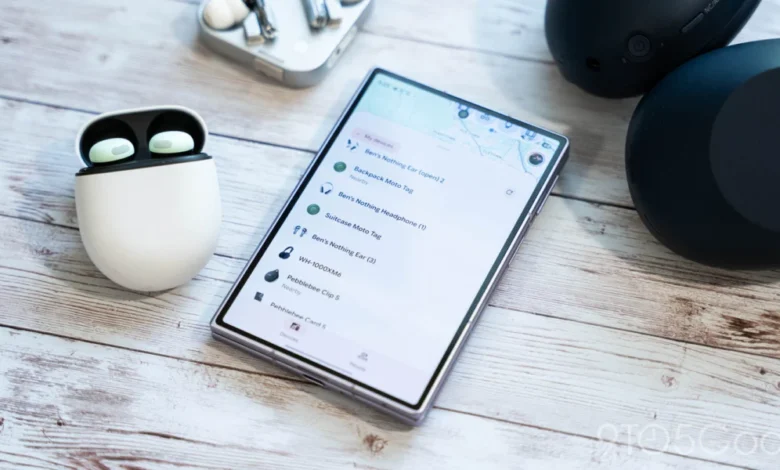
Google has officially begun rolling out the "Notify when left behind" feature for Find Hub, a long-awaited capability that significantly enhances the utility of the Android device-finding ecosystem. This update, which follows a preview period announced in October 2026, allows users to receive immediate notifications on their smartphones the moment a tracked item—such as a wallet, set of keys, or luggage—is physically separated from their handset. The rollout is currently active for users running version 3.1.787-06 of the Find Hub application, specifically targeting supported third-party trackers like Chipolo and the Moto Tag across both United States and European markets.
Implementation and User Experience
For users eager to activate this security layer, the process is straightforward. Within the Find Hub application, navigating to the specific tag’s profile reveals a settings menu accessed via a gear icon located in the top-right corner of the device’s information sheet. Once inside the settings, a dedicated "Notify when left behind" section provides a toggle to enable or disable the alert system.
A sophisticated aspect of this implementation is the inclusion of "Safe Zones." By integrating with Google Maps data, the system automatically recognizes the user’s designated "Home" address. By default, the application will not trigger an alert if the user leaves an item behind at their primary residence, preventing unnecessary and intrusive notifications while the user is simply moving between rooms. This level of granular control reflects Google’s broader strategy to integrate Find Hub more deeply into the user’s daily routine rather than treating it as a standalone, disconnected tool.
A Chronology of the Find Hub Evolution
The journey toward this feature has been a methodical process for Google, marking a concerted effort to close the gap between Android’s tracking capabilities and those offered by competitors such as Apple’s "Find My" network.
- Initial Conceptions: The Find Hub infrastructure was built upon the foundation of Google Play services, designed to leverage the massive scale of the Android install base to create a mesh network for locating lost items.
- October 2026 Preview: Google formally signaled the arrival of "Left-Behind Reminders" in early October 2026, noting them in official release documentation for Google Play services. This served as the first public acknowledgement that the company was prioritizing proactive loss prevention rather than reactive tracking.
- The October 27 Detail Drop: Later in the same month, further details emerged regarding the mechanics of these alerts, including how the system would differentiate between a device simply being out of range versus being intentionally left behind.
- November 2026 Rollout: The current deployment marks the transition from theoretical software update to tangible end-user feature, solidifying the ecosystem’s maturity.
Supporting Data and Technical Context
The technical architecture of these alerts relies on low-energy Bluetooth (BLE) communication. When the Bluetooth signal between the Android phone and the Find Hub-compatible tag drops below a specific threshold for a sustained period, the system triggers the alert.
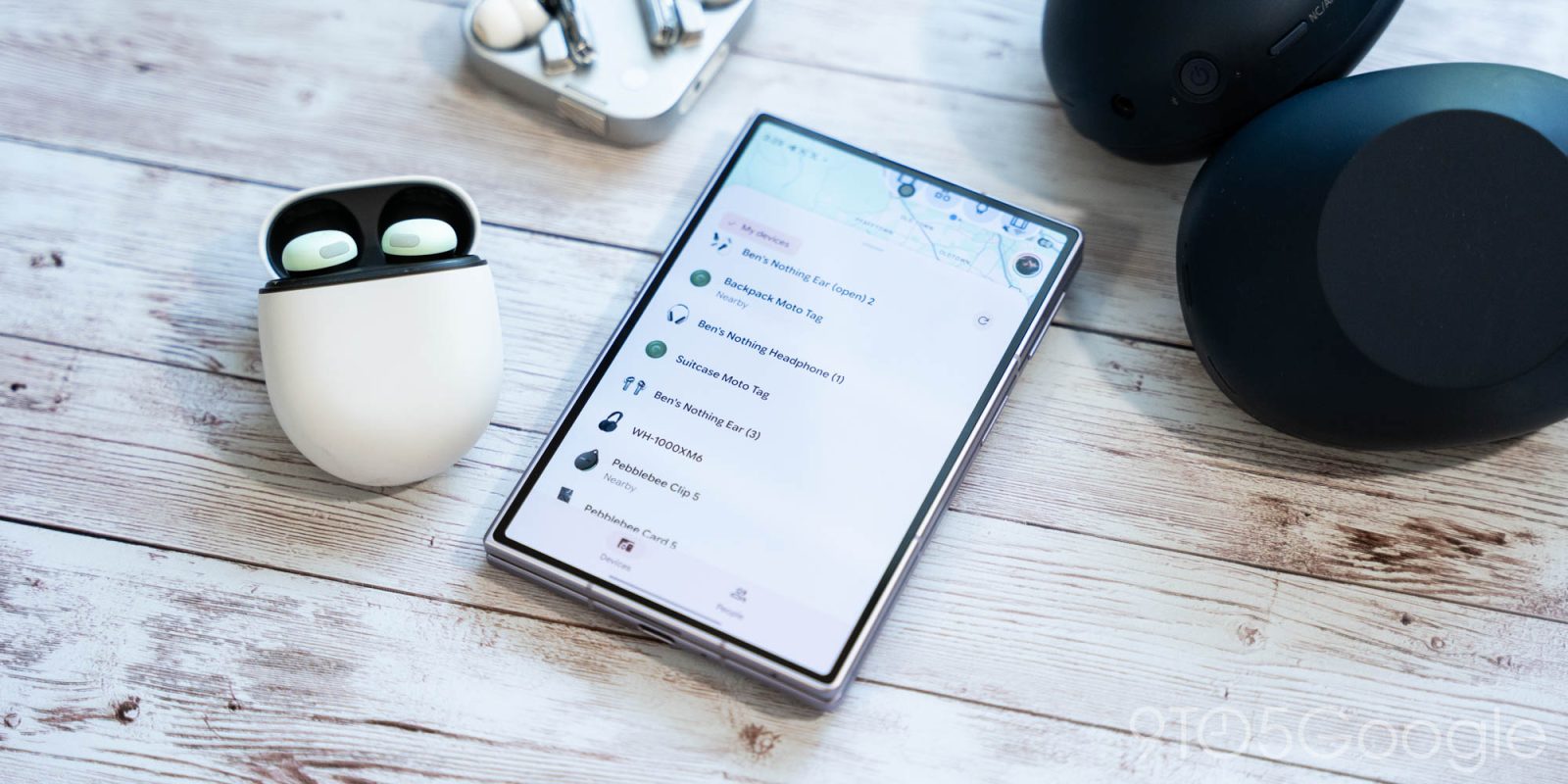
Current data shows that this update is highly specific in its current scope. While the feature is robust for dedicated trackers like the Moto Tag and Chipolo, it does not currently extend to other hardware categories such as Bluetooth headphones or earbuds. Industry analysts suggest that this limitation is likely due to the different power management profiles of headphones, which may frequently disconnect from a phone during normal use—for instance, when placed in a charging case or when a user walks into a different room—which would result in a barrage of "false positive" alerts if the "left behind" feature were applied indiscriminately.
Analysis of Implications
The introduction of "Notify when left behind" represents a shift in the philosophy of the Find Hub network. Previously, the network was primarily focused on recovery—helping a user find an item after it had already been lost. By introducing proactive alerts, Google is positioning Find Hub as a preventative tool.
This change has significant implications for consumer security and convenience. For many, the mental load of keeping track of essential items is a constant source of friction. By automating the "check" for one’s belongings, Google is leveraging its position as the primary software provider for billions of users to reduce the incidence of lost property.
Furthermore, the integration with Google Maps highlights the company’s "ecosystem moat." By tying the physical security of a tracker to the existing location history and personal data stored within a Google Account, the company makes it increasingly difficult for users to migrate to competing ecosystems that lack such integrated, cross-platform intelligence.
Future Roadmap and Upcoming Enhancements
Google has explicitly stated that this feature is part of a broader "new registration flow" for hardware. Future updates are expected to standardize how users categorize their devices. During the initial setup of a new tag, the application will guide users to assign specific category icons—such as a bicycle, a piece of luggage, or a wallet—which will simplify the visual management of multiple trackers within the Find Hub interface.
Perhaps more significant is the forthcoming implementation of NFC (Near Field Communication) support. Google has confirmed that upcoming updates will allow users to tap their smartphones against a Find Hub tag to instantly pull up its details, owner contact information, or configuration settings. This is a critical development for lost-and-found scenarios; if a person finds a lost tag, they will be able to identify it—or potentially contact the owner—without needing to navigate complex menu systems, provided the owner has configured the tag appropriately.

Industry and Competitive Context
The asset tracking market has become a high-stakes arena for major technology firms. With the proliferation of Bluetooth-based tracking, the competition is no longer just about the hardware (the tag itself) but about the "Network Effect." The more Android devices that are participating in the Find Hub network, the more precise and reliable the location data becomes for every user in that ecosystem.
Google’s decision to move forward with these updates underscores a commitment to parity. While critics have noted that this functionality "should have been included from the beginning," the deliberate, iterative approach taken by Google suggests a desire to ensure stability and battery efficiency before launching features that could potentially degrade the user experience if implemented poorly.
Conclusion
As of late 2026, Find Hub has evolved from a basic location-tracking utility into a comprehensive personal security suite. The addition of "Notify when left behind" alerts is a fundamental improvement that addresses a primary use case for Bluetooth trackers. With NFC support on the horizon and a refined registration process, the platform is rapidly reaching a level of sophistication that meets the expectations of the modern consumer. For current users of Moto Tag and Chipolo devices, this update is a mandatory improvement that should be enabled immediately to ensure their valuables remain under the digital watch of their Android devices.
As Google continues to refine the Find Hub network, the focus will likely remain on reducing the friction of ownership, ensuring that the technology works invisibly in the background. Whether or not this will eventually extend to headphones or other peripherals remains to be seen, but for now, the path forward for the ecosystem is clearly defined by proactive, user-centric alert systems.