The End of an Era: OnePlus Bids Farewell to OxygenOS as OPPO’s ColorOS 17 Rollout Schedule Takes Center Stage


OnePlus has officially released its comprehensive software update roadmap, providing clarity to millions of device owners globally regarding the transition to Android 17. However, beyond the excitement of new features and performance enhancements, this update cycle marks a monumental shift in the corporate and software identity of the brand. With the deployment of the latest operating system, OnePlus is officially retiring its long-standing custom user interface, OxygenOS, fully transitioning its supported ecosystem of smartphones and tablets to OPPO’s ColorOS architecture.
The transition represents the culmination of a years-long technical convergence between OnePlus and its parent company, OPPO. For tech enthusiasts and loyalists who have followed OnePlus since its inception as an independent "flagship killer" brand, the retirement of OxygenOS signifies the end of a distinct software lineage. As the industry moves forward, the implications of this consolidation extend far beyond aesthetic changes, setting a new precedent for how BBK Electronics manages its expansive hardware portfolio.
The November Rollout Schedule: A Phased Deployment
The detailed rollout schedule, initially published by the OPPO ColorOS Global account on X, highlights a rapid deployment strategy slated for the eleventh month of the year. Six primary OnePlus devices—spanning flagship smartphones, foldable technology, and mid-range offerings—are scheduled to receive the Android 17-based ColorOS 17 update throughout November.
Leading the charge is the OnePlus 13R, with its update slated to commence on November 5. As one of the brand’s premier performance-focused devices, its early inclusion underscores OnePlus’s commitment to prioritizing high-tier hardware. Hot on its heels is the previous-generation flagship, the OnePlus 12, which is scheduled to receive the update on November 17.
Tablet users are also included in the initial wave, with the OnePlus Pad 3 receiving its designated update on November 18. This inclusion signals that OnePlus is treating its tablet lineup with the same software urgency as its smartphone ecosystem, aiming to unify user experiences across multiple form factors.
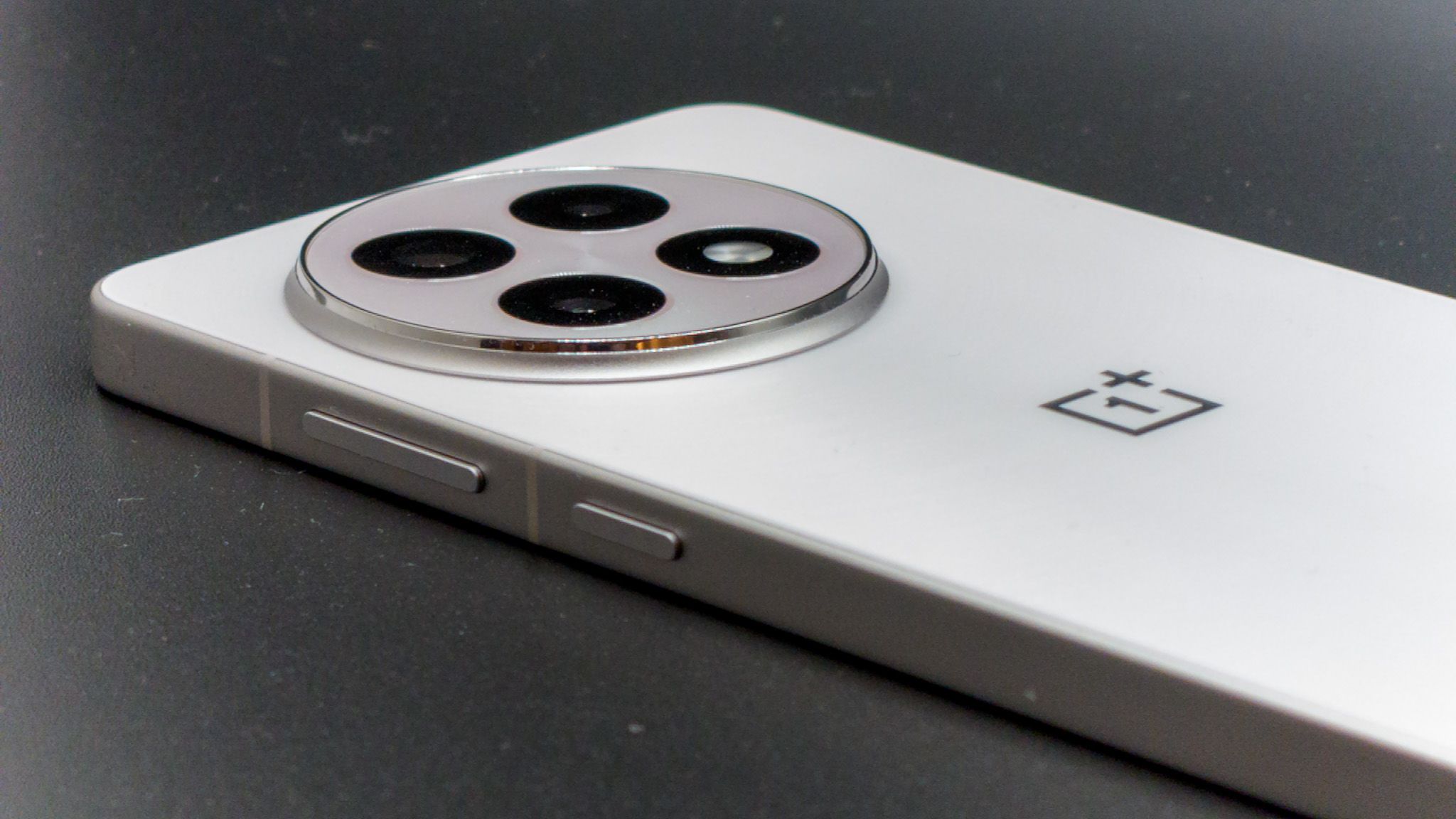
The latter half of November brings updates for more specialized and mid-tier hardware. The OnePlus Open, the company’s pioneering foldable device, is scheduled for the ColorOS 17 update on November 24. Meanwhile, the mid-range segment receives attention toward the end of the month, with the Nord 6 and Nord CE 6 penciled in for a simultaneous rollout on November 26.
Industry analysts emphasize that these dates represent the official commencement of the staged rollout rather than an instantaneous global delivery. Phased deployments are standard industry practice, designed to allow software engineers to monitor for critical bugs, server congestion, and unexpected hardware conflicts before pushing the update to the broader public. Consequently, regional availability may vary significantly based on carrier approvals and localized firmware adaptations.
The Demise of OxygenOS: Anatomy of a Corporate Convergence
To understand the weight of the transition from OxygenOS to ColorOS, one must examine the historical relationship between OnePlus and OPPO. When OnePlus launched in 2013, it prided itself on offering a near-stock Android experience through CyanogenMod before developing its own OxygenOS (and HydrogenOS in China). OxygenOS quickly garnered a dedicated following for its lightweight footprint, high customizability, and absence of bloatware.
However, as the smartphone market matured, supply chain synergies and corporate restructuring led to a deepening integration between OnePlus and OPPO, both of which operate under the BBK Electronics umbrella. In late 2021, OnePlus officially announced a deeper integration with OPPO, combining software codebases. Over the subsequent years, OxygenOS and ColorOS became virtually indistinguishable under the hood, sharing the same underlying framework, security patches, and underlying optimization routines.
By formally retiring the OxygenOS moniker, OnePlus is embracing full operational transparency. Company executives have previously argued that sharing a unified codebase allows for faster development cycles, more robust security implementations, and extended software support lifecycles. Nevertheless, purists have frequently voiced nostalgia for the cleaner, more minimalist design language that originally defined OxygenOS.
What ColorOS 17 Brings to the Table
ColorOS 17, built upon the foundation of Android 17, introduces a suite of upgrades designed to modernize the user experience. According to release documentation, the software focuses heavily on interface refinements, fluid system animations powered by upgraded rendering engines, and deep-level performance optimizations that enhance memory management and thermal regulation.
Furthermore, ColorOS 17 places a heavy emphasis on artificial intelligence integration. OPPO and OnePlus are incorporating smarter system-level interactions, context-aware digital assistants, and enhanced cross-device continuity features. These tools are engineered to streamline workflows between smartphones, tablets, and potentially other smart ecosystem products, positioning the unified software suite as a direct competitor to Apple’s ecosystem integration and Samsung’s One UI.
Looking Ahead: December 2026 and Beyond
The November schedule is merely the beginning of an extensive pipeline. Additional hardware variants are queued for the subsequent release window. Devices such as the OnePlus 11, the OnePlus 12R, and the Nord 5 are slated to receive their ColorOS 17 updates during December.
Furthermore, a secondary tier comprising approximately 13 additional OnePlus devices is scheduled to transition between December and the first quarter of 2027. While exact deployment dates for this secondary cohort remain unconfirmed, the broad scope of the roadmap confirms that OnePlus intends to honor its extended software support promises for a vast array of legacy and current-generation devices.
Industry Implications and Market Analysis
The complete migration from OxygenOS to ColorOS reflects a broader trend within the global smartphone industry: resource consolidation. As research and development costs soar—particularly regarding artificial intelligence development, advanced camera algorithms, and multi-year security compliance—smaller sub-brands within major conglomerates can no longer justify maintaining entirely independent software development teams.
For consumers, the primary concern historically has been bloatware and divergence from the familiar Google-centric aesthetic. However, modern ColorOS has evolved to become leaner, highly responsive, and well-received in international markets. The success of this transition will ultimately depend on whether OnePlus can retain its core user base while delivering a stable, feature-rich operating system devoid of major launch-day regressions.
As the November 5 rollout date approaches, all eyes will be on early adopters of the OnePlus 13R. Their feedback will set the tone for what promises to be the most consequential software transition in OnePlus’s corporate history.