Google still doesn’t have a new Nest Hub to sell me, and I’m pretty tempted by Amazon’s Echo Show deals

The smart home landscape is currently undergoing a significant shift as consumers evaluate their home automation ecosystems during the peak of the 2025 holiday shopping season. While major retailers are offering aggressive discounts on smart displays, a widening disparity has emerged between the stagnant product roadmap of Google’s Nest division and the proactive hardware iterations from competitors like Amazon and Apple. This divergence has left long-time users of the Google Home ecosystem with limited options for upgrading aging infrastructure, leading many to reconsider their brand loyalty in favor of more modern hardware alternatives.
A Chronology of Stagnation: The Nest Hub Timeline
The frustration expressed by long-term Google hardware users is rooted in a clear timeline of product neglect. The Google Nest Hub series, once the centerpiece of the smart home industry, has seen a cessation of meaningful hardware development that spans nearly half a decade.
- 2018: Google launches the original Google Home Hub, rebranding it to the Nest Hub in 2019.
- 2019: The Nest Hub Max is released, introducing a larger screen and an integrated camera for video conferencing.
- 2021: The second-generation Nest Hub is released, focusing on sleep tracking capabilities via Soli radar technology rather than significant aesthetic or structural overhauls.
- 2022–2025: A period of hardware dormancy. Despite the release of various software updates to the Fuchsia operating system, no new smart display hardware has been introduced to the market by Google.
During this interval, the industry has seen a rapid evolution in display technology, processor efficiency, and industrial design. While Google has focused its resources on AI integration—specifically the deployment of Gemini—the physical "vessel" for this AI remains trapped in the hardware constraints of the early 2020s.

Competitive Pressure and Market Shifts
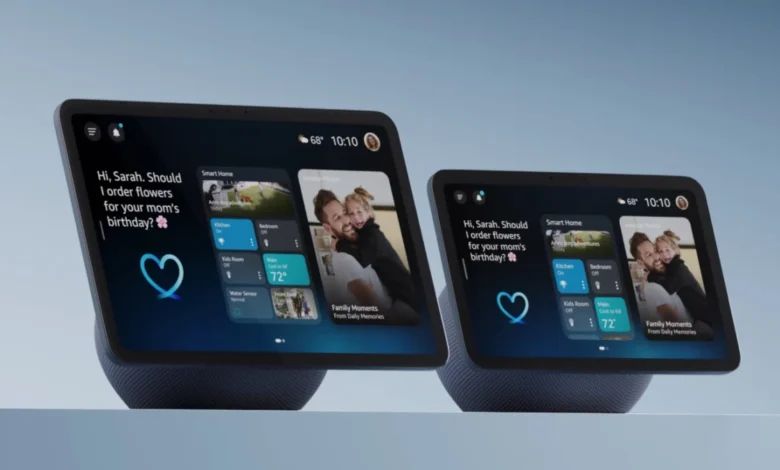
The vacuum left by Google’s inaction has been systematically filled by competitors. Amazon’s Echo Show series has undergone multiple iterations since 2021, moving toward high-definition displays, improved acoustic performance, and more versatile form factors. The introduction of the 8.7-inch and 11-inch Echo Show models highlights a shift toward high-fidelity screens and refined industrial aesthetics that prioritize both utility and interior design integration.
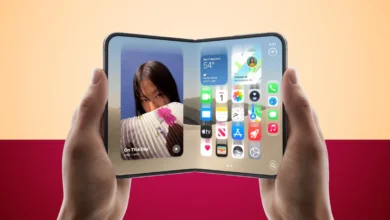
Furthermore, the entry of Apple into the smart display market has fundamentally altered the competitive calculus. By introducing a dedicated display-based smart home controller, Apple has successfully captured a segment of the premium market that was previously undecided. For consumers who are heavily invested in the Google ecosystem, the lack of a "next-generation" Nest Hub creates a difficult dilemma: stay within an ecosystem with aging, underpowered hardware or migrate to a more current platform.
Black Friday Pricing and Consumer Behavior
The current holiday sales environment has magnified this issue. Amazon’s decision to apply significant discounts—approximately $100 off on its latest Echo Show models, bringing entry prices down to $99.99—serves as a catalyst for consumer churn.
Economic analysis of the consumer electronics sector suggests that "ecosystem lock-in" is often broken not by feature disparity alone, but by a combination of hardware obsolescence and price-to-value imbalances. When a consumer’s current device reaches a state of sluggish performance or loses compatibility with newer smart home protocols, the cost-benefit analysis of switching brands becomes much more favorable. Amazon’s aggressive pricing strategy directly targets this vulnerability, offering an immediate hardware upgrade at a price point that makes the wait for a hypothetical "Nest Hub 3" appear increasingly irrational.

Technical Implications and Ecosystem Performance
The technical limitations of the current Nest Hub lineup are becoming increasingly apparent as smart home standards evolve. The rise of Matter and Thread, the two primary communication protocols for the modern smart home, requires updated hardware to function at peak efficiency. While the second-generation Nest Hub provides basic support, modern alternatives from competitors are designed with these protocols as foundational elements.
Additionally, the reliance on older processors in the current Nest Hub series results in slower interface responsiveness, particularly when managing complex routines or handling high-definition camera feeds from video doorbells. As AI-powered voice assistants become more sophisticated, the latency introduced by older hardware chips becomes a noticeable friction point in the user experience.
Broader Impact on the Smart Home Industry
The implications of this hardware gap extend beyond individual consumer dissatisfaction; they signal a potential pivot in Google’s hardware strategy. Industry analysts suggest that Google may be de-emphasizing standalone smart displays in favor of a "software-first" approach, where the Google Assistant (powered by Gemini) is intended to live on third-party hardware or mobile devices.
However, this strategy carries significant risks. By failing to provide a proprietary hardware "hub," Google loses control over the end-to-end user experience. The smart display serves as the physical manifestation of the brand in the home; when that device is provided by a competitor, the brand equity of the software provider—in this case, Google—is inherently diminished.

Perspectives on Future Hardware
While there have been sporadic reports and rumors regarding potential upcoming Google hardware, including a "Google Home Display" in development, the lack of an official announcement has eroded consumer trust. In the absence of firm release dates or product specifications, users are forced to operate in a state of uncertainty.
The industry consensus is that if Google intends to maintain its market share in the smart home sector, it must address the hardware void. This involves more than just a minor refresh; it requires a reimagining of how a smart display interacts with the modern, AI-augmented home. Until such a product reaches the market, the current trend of users transitioning toward the Echo Show or Apple’s ecosystem is likely to continue, particularly during high-volume retail windows like Black Friday.
Conclusion
The current state of the smart display market reflects a broader trend in consumer electronics: the speed of innovation must match the speed of consumer demand. By remaining conservative with its hardware releases, Google has allowed its competitors to redefine the standards for display quality, design, and performance. For the average consumer, the convenience of a modern, responsive interface now outweighs the convenience of staying within a single ecosystem. As the 2025 holiday season concludes, the numbers will likely show a measurable shift in hardware adoption, highlighting the high cost of inaction in an industry that moves with unprecedented velocity. Whether Google chooses to reclaim its position in the smart home market through a new, high-performance Nest Hub remains to be seen, but the window of opportunity is narrowing with every passing quarter.