Android Auto Finally Introduces Live Speedometer in Google Maps, Ending Years of User Anticipation

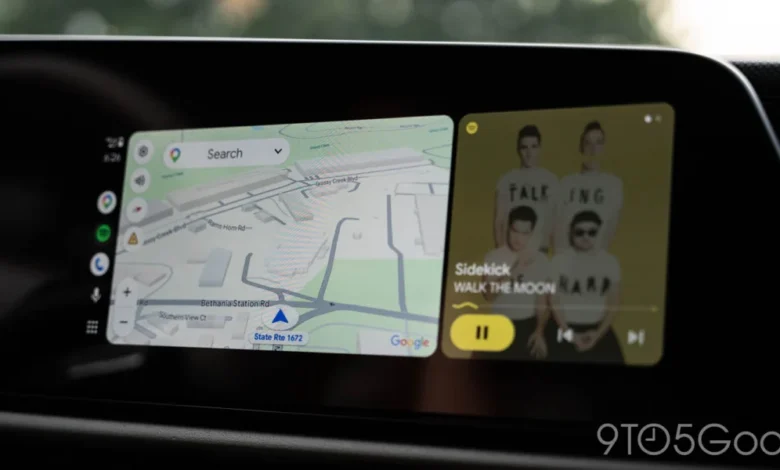
After years of persistent requests from its extensive user base, Android Auto is at last showing tangible signs of rolling out integrated support for a live speedometer within Google Maps. This long-awaited feature, currently surfacing for a select group of beta users, marks a significant step towards enhancing driver convenience and safety within Google’s in-car infotainment platform. The gradual introduction, initially observed in a limited capacity, signals the impending wider availability of a functionality that has been a standard offering on competing platforms and even Google’s own standalone mobile applications for a considerable period.
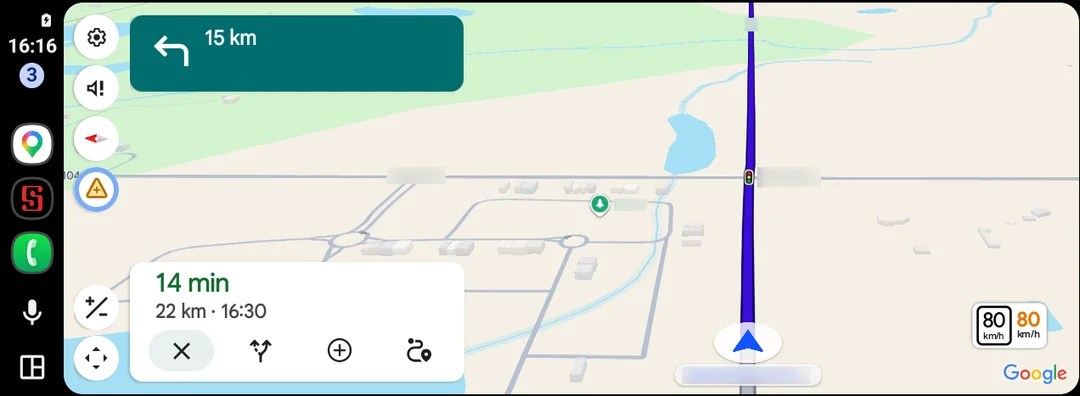
The journey to bring a real-time speed display to Android Auto has been protracted, marked by a perplexing delay that has often left users questioning Google’s development priorities. While Google Maps introduced support for displaying speed limits back in January 2019, a crucial safety feature that provided contextual information about the legal maximum speed on a given road segment, the actual display of the vehicle’s current speed has remained conspicuously absent from Android Auto’s Google Maps interface. This absence was particularly notable given that Google had already integrated a live speedometer into its Maps application for Android smartphones a long time ago, and more recently, extended this capability to Apple’s CarPlay platform in July 2024. The disparity in feature availability across its own ecosystem and in comparison to direct rivals has been a point of contention and frequent discussion within driving communities.
The Evolution of In-Car Navigation and Feature Disparity
The landscape of in-car navigation has undergone a profound transformation over the past two decades. What began with rudimentary, dedicated GPS devices has evolved into sophisticated software platforms seamlessly integrated with smartphones, offering a wealth of information and services directly on a vehicle’s dashboard. Android Auto, launched by Google in 2015, emerged as a key player in this evolution, aiming to project a simplified, driver-friendly interface of essential smartphone apps onto compatible car screens. Its core promise was to minimize distraction while providing access to navigation, communication, and entertainment.
From its inception, Android Auto rapidly gained traction, supported by an ever-growing list of compatible vehicles and a robust app ecosystem. However, despite its comprehensive suite of features, certain functionalities considered fundamental by many drivers remained elusive. The live speedometer was perhaps the most prominent among these. Users consistently highlighted its importance, not merely as a convenience but as a vital safety tool. In an era where drivers are increasingly reliant on digital displays for navigation and information, having a consistent, easily accessible readout of their current speed directly within their primary navigation interface can significantly reduce the need to glance at the car’s physical speedometer, potentially enhancing focus on the road.

The earlier rollout of speed limit displays in Google Maps for Android Auto in 2019 was met with cautious optimism. This feature, which shows the legal speed limit for the road segment the vehicle is currently on, was a welcome addition, aiding drivers in adhering to regulations and avoiding inadvertent speeding. However, the logical next step—showing the actual speed—did not immediately follow. This created a scenario where drivers could see the limit but not their current speed within the Google Maps interface on Android Auto, necessitating a check of the vehicle’s dashboard, thereby adding a layer of visual information processing and potential distraction.
The introduction of the speedometer feature to Google Maps on Android phones predates its arrival on CarPlay and now Android Auto. This discrepancy fueled speculation regarding Google’s development priorities, potential technical hurdles unique to the Android Auto platform, or even strategic decisions influenced by partnerships with automotive manufacturers. When Apple CarPlay received the Google Maps speedometer in July 2024, it further intensified the anticipation and a sense of being overlooked among Android Auto users, who saw a feature vital for their driving experience being prioritized on a rival platform.
Chronology of a Feature Rollout: A Staged Approach
Google’s history with feature rollouts is often characterized by a phased, staggered approach, typically beginning with beta programs and specific regions before a global deployment. The speedometer feature for Android Auto appears to be following this familiar pattern.
- 2015: Android Auto officially launches, providing a simplified interface for navigation, communication, and media.
- January 2019: Google Maps begins rolling out speed limit displays for Android Auto users globally, offering contextual information about legal speed limits.
- Prior to 2024: Google Maps on standalone Android smartphones has long featured a live speedometer, allowing mobile users to see their current speed within the app.
- July 2024: Google Maps integrates a live speedometer into Apple CarPlay, achieving feature parity with its own mobile app on a competing in-car platform.
- Late 2024 / Early 2025 (Current Period): Reports emerge from a limited number of Android Auto beta users indicating the appearance of the live speedometer within Google Maps.
The current reports stem from a handful of Android Auto users, primarily noted on Reddit. One such report indicated a user in Canada observing the speedometer while utilizing Google Maps beta version 26.29.02.946673643. This specific version number points to an ongoing beta testing phase, where Google collects data and feedback before a broader release. The geographic specificity (Canada) is also characteristic of Google’s staged rollouts, which often begin in particular regions to manage server load, test localization, and gather region-specific performance metrics. While these initial sightings are far from a widespread deployment, they represent the first concrete evidence that the feature is actively being tested and prepared for public release on Android Auto.
Technical Insights and User Implications
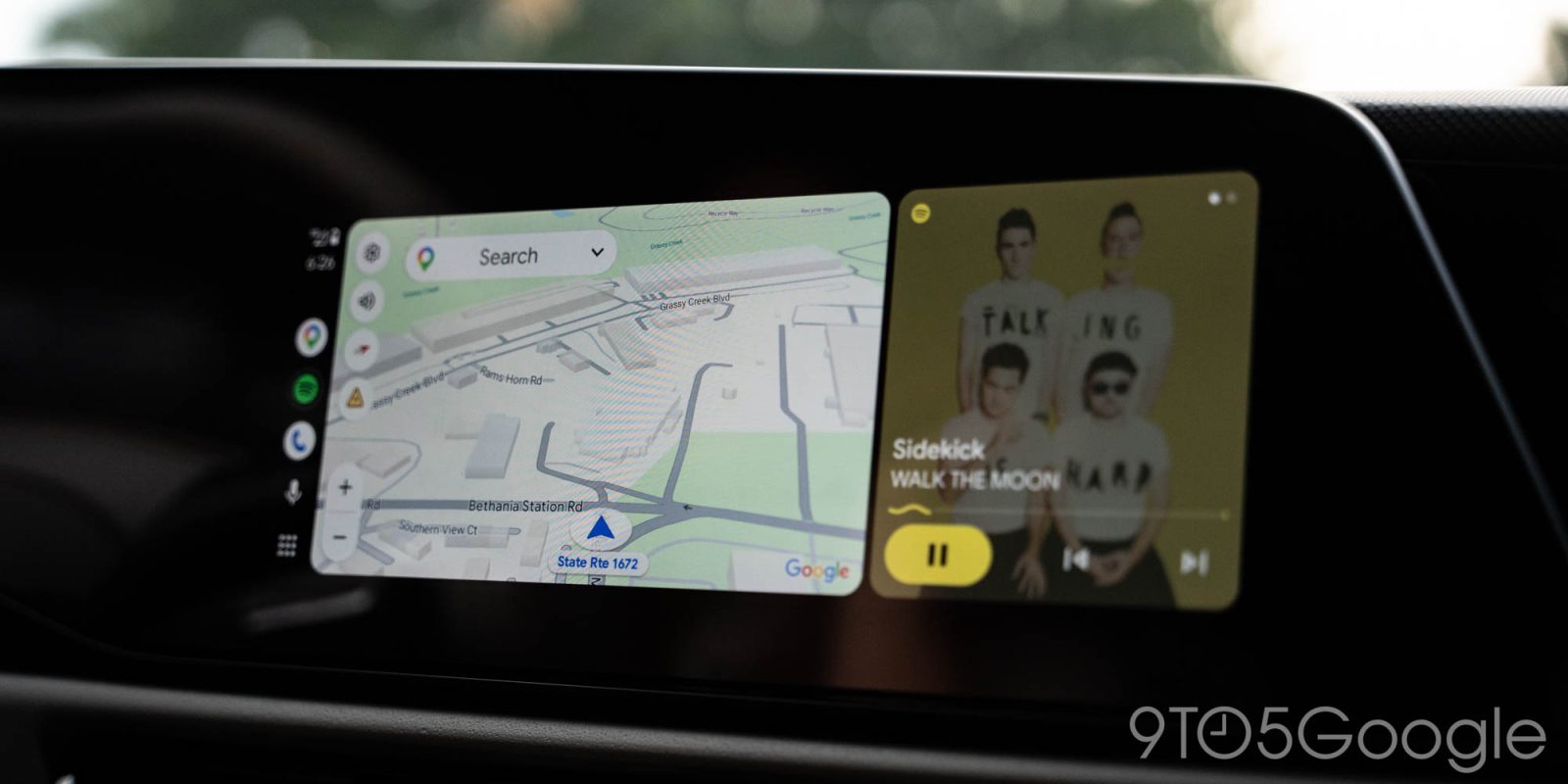
A GPS-based speedometer, as implemented in Google Maps, derives speed data from the global positioning system receiver in the connected smartphone. This differs from a vehicle’s built-in speedometer, which typically measures wheel rotation and can sometimes exhibit a slight deviation (often a few percentage points higher than actual speed) due to calibration, tire size variations, and regulatory requirements. While a GPS speedometer can offer a highly accurate reading of ground speed, its reliability can be affected by factors such as GPS signal strength and satellite availability, especially in tunnels or dense urban canyons. However, modern smartphones generally possess robust GPS capabilities, making the readings sufficiently accurate for general driving purposes and a reliable alternative or supplement to the car’s own display.
The integration of this feature carries significant implications for the driver experience. Firstly, it enhances safety by providing critical speed information directly within the driver’s line of sight on the navigation screen. This reduces the cognitive load of switching visual focus between the infotainment display and the vehicle’s instrument cluster, allowing drivers to maintain better situational awareness. Secondly, it fosters compliance with speed limits. By continuously displaying current speed alongside the posted limit (where available), drivers are better equipped to adjust their speed and avoid infractions. This is particularly valuable in unfamiliar territories or areas with frequently changing speed limits.
Furthermore, the introduction of a speedometer brings Android Auto closer to feature parity with its long-standing competitor, Waze. Waze, which is also owned by Google but operates as a distinct navigation app, has offered a live speedometer on Android Auto for several years. This fact has frequently been cited by Android Auto users as evidence that the technology was readily available and its absence was an inexplicable oversight. By finally incorporating this feature into Google Maps on Android Auto, Google addresses a critical gap and reinforces the platform’s commitment to providing a comprehensive and competitive driving experience.
Google’s Staged Deployment: A Strategic Imperative
The gradual nature of this rollout aligns with Google’s established practices for introducing significant updates. Staged deployments, beginning with beta testers and limited regions, allow Google to identify and rectify bugs, assess performance impacts, and fine-tune the feature based on real-world usage data before a full-scale release. This approach minimizes the risk of widespread issues that could affect millions of users, ensuring a smoother transition and a more polished final product.
While Google rarely provides explicit statements regarding the specific reasons for delays in feature implementation or the precise timeline for global rollouts, industry observers suggest that such decisions are often influenced by a complex interplay of factors:
- Development Priorities: Allocating engineering resources across a vast ecosystem of products (Android, Google Maps, Android Auto, CarPlay, etc.).
- Integration Challenges: Ensuring seamless and stable operation across the myriad of Android Auto compatible vehicles and smartphone models.
- Regulatory Considerations: While less likely for a speedometer, certain features might require specific certifications or adhere to regional driving laws.
- User Experience Refinement: Extensive testing to ensure the feature is intuitive, non-distracting, and genuinely adds value.
The silent introduction of the speedometer in beta, without an official announcement, is also typical of Google. Many features quietly appear for users before being officially acknowledged, allowing the company to gather organic feedback and iterate without the pressure of a formal launch announcement.
The Competitive Landscape and Future Implications
The in-car infotainment market is fiercely competitive, with Android Auto and Apple CarPlay vying for dominance against proprietary automotive manufacturer systems. Features like a live speedometer, while seemingly minor, contribute significantly to the overall user experience and influence driver preference. By enhancing Google Maps within Android Auto, Google strengthens its position in this ecosystem, providing more compelling reasons for users to connect their Android phones to their vehicles.
The continuous evolution of these platforms also has broader implications for the automotive industry. Car manufacturers are increasingly recognizing that software-driven features and seamless smartphone integration are as crucial to purchasing decisions as traditional hardware specifications. Updates to platforms like Android Auto allow older vehicles to gain new functionalities, extending their digital lifespan and enhancing their appeal without requiring costly hardware upgrades. This symbiotic relationship between tech giants and carmakers drives innovation and delivers more sophisticated, connected driving experiences to consumers.
As the digital dashboard becomes the central hub for driving information, the demand for comprehensive and integrated tools will only grow. Features that reduce cognitive load, improve safety, and provide real-time, relevant data are paramount. The eventual widespread rollout of the live speedometer in Google Maps for Android Auto will be a testament to Google’s responsiveness to user feedback and its ongoing commitment to refining its in-car platform.
Anticipating Widespread Availability

While the initial sightings are encouraging, the timeline for a broad rollout to all Android Auto users remains uncertain. Google’s phased approach can sometimes mean weeks or even months before a feature becomes universally available. Users eager to access the speedometer should ensure their Google Maps application is updated to the latest beta version, if they are enrolled in the beta program, and keep their Android Auto app similarly updated. Checking for updates regularly through the Google Play Store is the primary method for staying current.
The community will undoubtedly continue to monitor forums and social media for further reports of the speedometer appearing, signaling its wider deployment. The relief and excitement among Android Auto users, evident from early reactions, underscore the importance of this feature. Its arrival will not only enhance the driving experience but also mark the resolution of one of the longest-standing requests directed at Google’s in-car navigation system. Drivers can look forward to a more informed and potentially safer journey, with their current speed readily available where they need it most.