Apple Watch Fall Detection and Emergency SOS Feature Saves Cyclist Phil After Severe Mountain Bike Crash

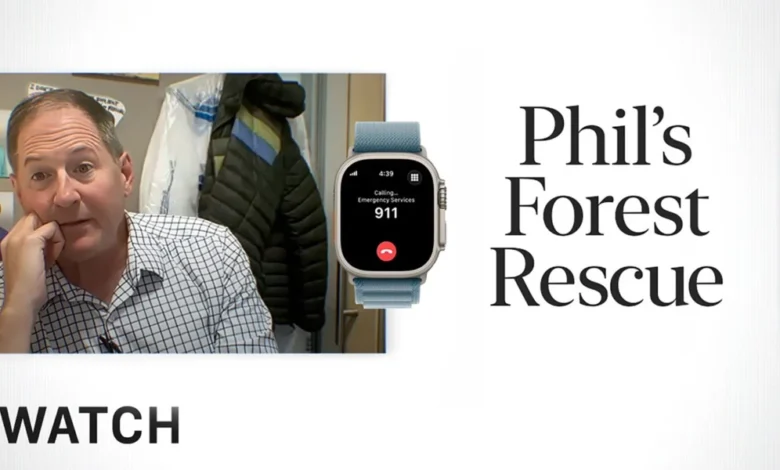
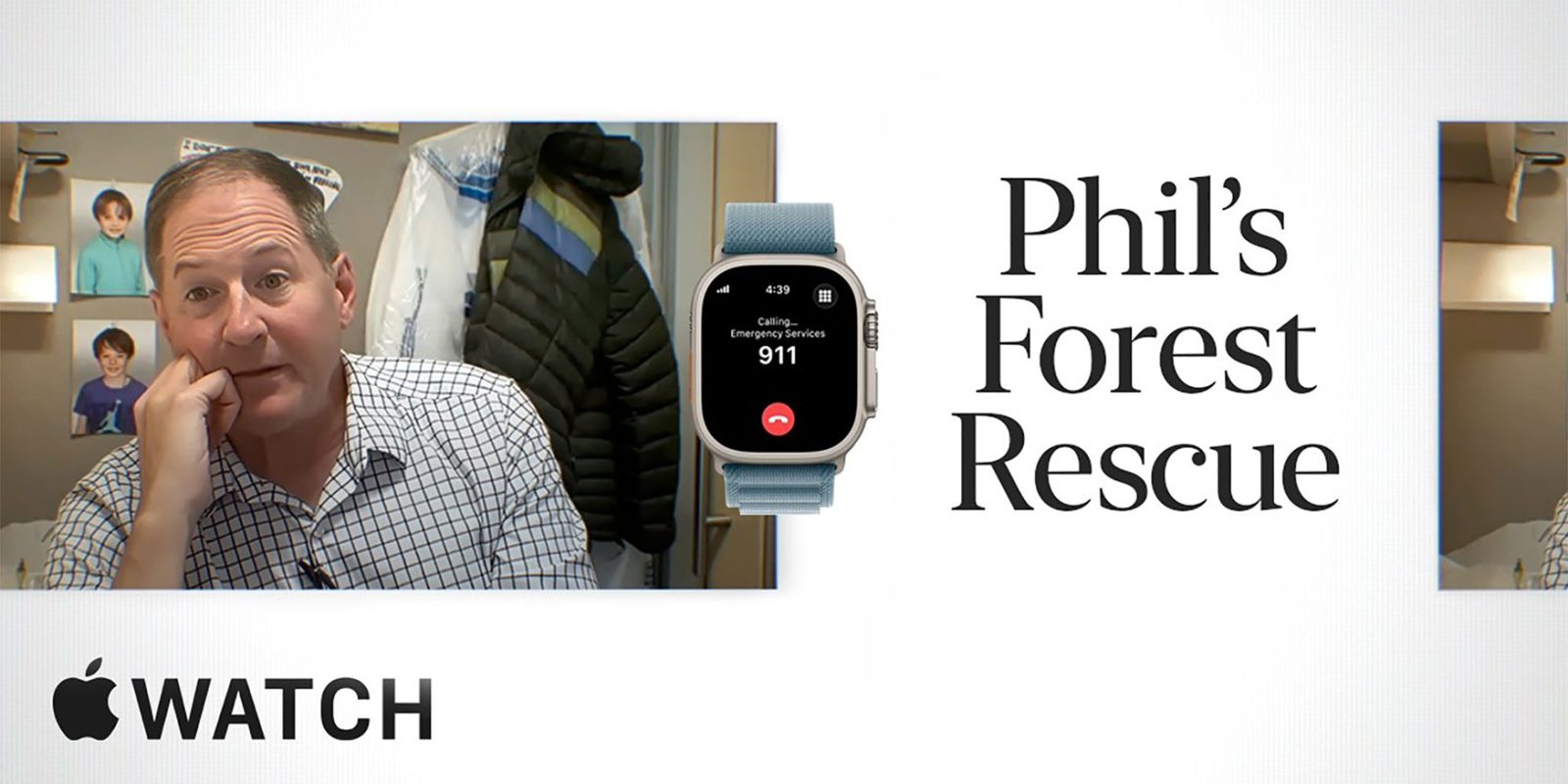
The recent release of a new video by Apple highlights another compelling real-life account where the sophisticated safety features of the Apple Watch proved instrumental in a life-threatening situation. This time, the narrative centers on Phil, a mountain cyclist who, after a severe crash that rendered him unconscious and inflicted significant injuries, was successfully rescued thanks to the automatic activation of Fall Detection and Emergency SOS on his Apple Watch. This incident, shared by Apple in July 2026, serves as a poignant reminder of how advanced wearable technology is increasingly transforming personal safety, offering a critical layer of protection in unexpected emergencies and underscoring the device’s utility beyond mere convenience or fitness tracking.
A Perilous Ride and a Life-Saving Intervention
The incident unfolded during what began as a routine mountain biking excursion for Phil, who was enjoying the trails with his children. According to Phil’s own account in the Apple-commissioned video, a moment of misjudgment during a takeoff led to a catastrophic crash. The impact was severe, resulting in multiple serious injuries, including a broken collarbone and a staggering seven fractured ribs. The force of the fall was such that Phil was immediately knocked unconscious, leaving him vulnerable and unable to call for help himself. This critical juncture underscores the inherent dangers of solitary or semi-solitary outdoor activities, where immediate assistance might be hours away and manual intervention impossible.
In such dire circumstances, seconds can mean the difference between life and death or between a full recovery and long-term complications. Fortunately for Phil, his Apple Watch was actively monitoring his movements and physiological state. Upon detecting the hard fall and subsequent immobility, the device initiated its automated emergency protocol. The Fall Detection feature, specifically designed to recognize significant impacts followed by a period of inactivity, triggered an Emergency SOS call. Crucially, the Apple Watch not only contacted local emergency services but also transmitted Phil’s precise GPS location data. This dual functionality — alerting authorities and providing exact coordinates — proved invaluable, allowing firefighters to swiftly locate the injured cyclist. Upon arrival, first responders were able to assess Phil’s condition and transport him to a hospital, where he commenced a week-long recovery period. Phil’s harrowing experience and subsequent rescue powerfully illustrate the proactive role that wearable technology can play in mitigating the risks associated with outdoor sports and unforeseen accidents, transforming a personal device into a vigilant guardian.
The Technological Lifeline: Fall Detection and Emergency SOS Explained
The effectiveness of Phil’s rescue lies in the seamless integration and sophisticated engineering of the Apple Watch’s safety features, primarily Fall Detection and Emergency SOS. These technologies are not mere notifications but a robust system designed to act autonomously when a user is incapacitated, making them particularly crucial for activities that carry a risk of severe injury and loss of consciousness.

Fall Detection: First introduced with the Apple Watch Series 4 in 2018, Fall Detection leverages a combination of advanced sensors, including the accelerometer and gyroscope, to meticulously analyze wrist trajectory and impact acceleration. The accelerometer measures linear acceleration, detecting sudden changes in velocity, while the gyroscope measures angular velocity, identifying rapid rotations or changes in orientation. These sensors work in tandem with custom-built algorithms and machine learning models, which have been extensively trained on real-world fall data gathered from thousands of individuals across various activities. The watch continuously monitors for specific patterns of movement that are indicative of a hard fall, distinguishing them from other vigorous activities like exercising or sports.
If a significant fall is detected, the watch initiates a multi-stage alert process. It taps the user on the wrist with haptic feedback, sounds a loud alarm, and displays an alert on the screen, asking if the user is okay. At this point, the user has the option to confirm they are fine by tapping "I’m OK" or to initiate an emergency call by tapping "Emergency SOS." However, the feature’s true power lies in its automation: if the watch detects that the user remains motionless for approximately one minute after the fall, it automatically initiates an Emergency SOS call. A 15-second countdown precedes this call, allowing for a final opportunity to cancel it if it’s a false alarm. This automated response is particularly critical in scenarios like Phil’s, where unconsciousness or severe injury prevents manual intervention. For users aged 55 and older, Fall Detection is enabled by default, recognizing the increased risk of falls in this demographic. For younger users, it can be activated in the Apple Watch app under Emergency SOS settings, with an option to be active only during workouts, as was likely the case for Phil during his mountain biking activity. This ensures that the feature is tailored to individual needs and activity levels.
Emergency SOS: This feature allows users to quickly and easily call for help and alert their emergency contacts. While it can be manually activated by pressing and holding the side button (which triggers a countdown and then calls emergency services), its integration with Fall Detection elevates its life-saving potential significantly. When automatically triggered by Fall Detection, Emergency SOS connects the user directly to local emergency services. More importantly, it shares the user’s current location with these services, even if Location Services are otherwise disabled for the Apple Watch. This precise location data, often transmitted directly to emergency dispatch systems, dramatically reduces the time it takes for first responders to pinpoint and reach the individual, especially in remote or difficult-to-access areas like mountain bike trails.
Furthermore, after the emergency call ends, the watch automatically sends a text message with the user’s current location to their designated emergency contacts, informing them of the situation and providing updates if the location changes. This comprehensive alert system ensures that not only are professional rescuers dispatched, but loved ones are also kept informed, offering immense peace of mind in crisis situations. The cellular models of the Apple Watch are particularly vital in these scenarios, as they can make emergency calls independently of a paired iPhone, a crucial capability when an iPhone might be damaged, out of reach, or simply not present. This independence ensures a lifeline even when a user is truly alone. The synergy between Fall Detection and Emergency SOS exemplifies Apple’s commitment to integrating advanced health and safety functionalities directly into its wearable ecosystem, transforming a consumer gadget into a potentially life-saving device.
A Legacy of Safety: Apple’s Continuous Innovation in Wearables
Phil’s story is not an isolated incident but rather one in a growing compendium of testimonials that Apple periodically shares to underscore the efficacy of its Watch’s safety features. This consistent effort reflects a strategic focus by the company on the health and wellness capabilities of its devices, positioning them not just as convenience tools but as essential personal safety companions. This strategy began years ago with the introduction of basic health monitoring features, evolving significantly with the launch of Fall Detection.
Following this, Apple continued to expand its safety suite, notably introducing Crash Detection with the Apple Watch Ultra, Series 8, and the second-generation Apple Watch SE in late 2022. Crash Detection utilizes an even more advanced array of sensors, including a new 3-axis gyroscope and a high-g accelerometer, capable of detecting impacts up to 256 Gs, far exceeding the detection capabilities required for falls. These sensors, combined with a barometer (to detect changes in cabin pressure indicating airbag deployment), GPS (for precise location), and a microphone (to identify sounds characteristic of a crash), can accurately identify severe car crashes across various vehicle types, automatically calling emergency services and notifying contacts if the user is unresponsive. While distinct from Fall Detection, Crash Detection further solidifies the Apple Watch’s role as an immediate emergency response device, extending its protective capabilities to vehicle occupants.
Beyond immediate accident response, the Apple Watch integrates a range of proactive health monitoring features designed to alert users to potential medical emergencies. These include:
- High and Low Heart Rate Notifications: Alerting users to abnormally elevated or depressed heart rates that could indicate underlying cardiac issues, such as tachycardia or bradycardia, which might require medical attention.
- Irregular Rhythm Notifications (AFib): Identifying signs of atrial fibrillation (AFib), a serious heart condition characterized by an irregular and often rapid heart rate, allowing for early detection and intervention to prevent complications like stroke.
- ECG App: Enabling users to take an electrocardiogram from their wrist, providing valuable data about their heart’s electrical activity that can be shared with their physicians for diagnostic purposes.
- Blood Oxygen App: Measuring the oxygen saturation of the user’s blood, offering insights into respiratory and circulatory health, which can be critical for monitoring conditions like asthma or sleep apnea.
- Temperature Sensing: Providing retrospective ovulation estimates and enhanced cycle tracking for women, with potential future applications in illness detection by monitoring baseline temperature shifts.
These features collectively contribute to a comprehensive health and safety ecosystem that aims to not only react to emergencies but also to provide early warnings and preventative insights, empowering users to take a more active role in managing their health.
Apple has actively championed these capabilities through various public campaigns, reinforcing their perceived value. Approximately one year prior to the release of Phil’s video, during its October 2025 "Awe Dropping" event, the company aired a longer segment dedicated to the life-saving potential of the Apple Watch. This presentation featured multiple users recounting how the device had assisted them through diverse medical emergencies, accidental injuries, and other perilous situations. Earlier in 2026, Apple launched its "Thankfully, I was wearing it" campaign in China, specifically highlighting three individuals whose lives were positively impacted by Fall Detection, Crash Detection, and heart rate alerts during emergencies. These recurring narratives and focused campaigns underscore Apple’s strategic intent to reinforce the Apple Watch’s identity as a crucial health and safety device, a core pillar of its product differentiation and market appeal.
Broader Impact and Implications: A Paradigm Shift in Personal Safety
The growing body of evidence, exemplified by Phil’s rescue, points to a significant paradigm shift in how individuals approach personal safety and how technology can serve as an invaluable guardian. The implications of such integrated safety features extend across several domains, reshaping expectations and capabilities.
For Users and Consumers: The primary beneficiaries are the users themselves. The presence of features like Fall Detection and Emergency SOS provides an unparalleled sense of security, particularly for demographics at higher risk, such as the elderly, individuals with pre-existing medical conditions, and those who engage in solitary activities like hiking, cycling, or running. Knowing that an immediate and automatic call for help can be made, along with precise location sharing, instills confidence and peace of mind. This can encourage individuals to maintain active lifestyles without excessive fear of incapacitation. For families, the technology offers profound reassurance that their loved ones are better protected, especially if they live alone or participate in high-risk activities. The psychological benefit of carrying a personal guardian cannot be overstated.
For Emergency Services and First Responders: The integration of smart wearables into emergency response protocols offers substantial benefits. Automatic alerts with accurate GPS coordinates can drastically reduce search and rescue times, especially in remote or challenging terrains where traditional methods of locating victims are time-consuming and resource-intensive. This efficiency translates directly into improved patient outcomes, as faster access to medical care can prevent complications, mitigate severe injuries, and ultimately save lives. Emergency dispatch centers are increasingly familiar with receiving automated calls from smart devices, streamlining their response procedures and allowing them to dispatch appropriate resources more quickly. The data provided by these devices can also offer initial insights into the nature of the emergency, allowing responders to arrive better prepared with the necessary equipment and medical expertise.

For the Wearable Technology Industry: Apple’s sustained focus on health and safety features sets a high bar for the entire wearable technology industry. Competitors are increasingly compelled to develop and integrate similar life-saving functionalities into their own smartwatches and fitness trackers to remain competitive. This drives innovation across the sector, pushing the boundaries of what these devices can do beyond mere fitness tracking and notifications. The emphasis on real-world utility in critical situations elevates wearables from luxury gadgets to essential personal safety tools, potentially expanding their market appeal to a broader demographic concerned with well-being and security, from athletes to the elderly. This shift reinforces the idea that wearables are becoming indispensable tools for daily life.
Economic and Societal Considerations: While difficult to quantify precisely, the societal impact of these technologies is considerable. By facilitating faster rescues and potentially preventing long-term disabilities or fatalities, they could contribute to reduced healthcare costs associated with extended recovery or chronic care, and foster a healthier, more productive populace. There are also ethical considerations, such as data privacy and the potential for false positives. However, Apple typically emphasizes user control over data through robust privacy settings and provides mechanisms to prevent accidental emergency calls or to cancel an automated one. The reliability and accuracy of these features continue to improve with each iteration, minimizing such concerns. The broader acceptance and integration of these technologies into daily life also raise questions about digital literacy and equitable access, ensuring that these life-saving tools are available to all who could benefit from them, regardless of socioeconomic status or technical proficiency.
Official Responses and Corporate Philosophy
While specific statements from emergency services regarding Phil’s incident are not publicly detailed, the general sentiment among first responders regarding smart device assistance is overwhelmingly positive. Many anecdotes from fire departments, police, and ambulance services across the globe affirm the value of automated emergency calls and location sharing from smartwatches. These technologies transform bystanders into immediate, precise reporters of emergencies, even when the individual themselves cannot speak or are unconscious. They provide an invaluable layer of support, augmenting traditional emergency response systems.
From Apple’s perspective, the commissioning and publication of videos like Phil’s story are integral to their corporate philosophy. It’s a powerful form of testimonial marketing that goes beyond technical specifications, directly illustrating the tangible, life-altering impact of their products. These stories resonate deeply with consumers, validating the significant investment in sophisticated sensor technology, complex algorithm development, and user experience design aimed at enhancing personal well-being and safety. It reinforces the narrative that Apple products are not just about convenience and entertainment but are deeply integrated into the user’s life as a guardian. CEO Tim Cook and other Apple executives have consistently highlighted the health and safety features of the Apple Watch as key differentiators and central to the company’s mission, articulating a vision where technology genuinely improves and protects human lives.
Conclusion
Phil’s dramatic rescue from a severe mountain biking accident, facilitated by his Apple Watch’s Fall Detection and Emergency SOS features, stands as another compelling testament to the transformative power of wearable technology in personal safety. This incident, highlighted by Apple, underscores the increasing sophistication and reliability of these features, moving smartwatches beyond mere gadgets into the realm of essential life-saving devices. As technology continues to advance, the integration of proactive health monitoring and autonomous emergency response systems will undoubtedly play an even more critical role in safeguarding individuals across various demographics and activities. The Apple Watch, through its ongoing evolution and proven track record in real-world emergencies, continues to solidify its position as a vanguard in this crucial domain, offering users not just connectivity and convenience, but a profound sense of security and peace of mind. The narrative of Phil’s rescue is more than just a marketing story; it is a powerful illustration of how innovation, thoughtfully applied, can make a profound difference when it matters most, affirming the growing importance of smart wearables in modern life.