Ex Kotoko Goalie Isaac Amoako Unhappy With Club S Performance This Season 242989

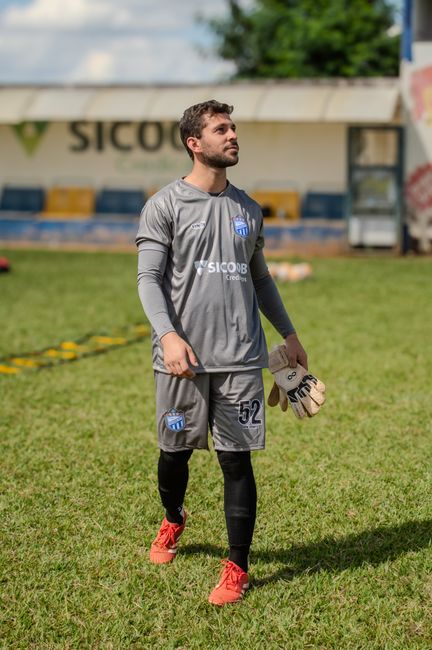
Isaac Amoako Expresses Disappointment with Kotoko’s Season Performance
Former Asante Kotoko SC goalkeeper Isaac Amoah has voiced his deep dissatisfaction with the club’s current performance in the ongoing season. The Ghanaian international, who enjoyed a distinguished career with the Porcupine Warriors, has been a vocal observer of the team’s struggles, and his recent comments highlight a growing sentiment among the club’s faithful. Amoako’s critique is not merely a passing observation; it stems from a profound understanding of Kotoko’s pedigree and the expectations that accompany the famous red jersey. His disappointment is amplified by the fact that he himself was part of successful Kotoko squads, experiencing firsthand the glory and the unwavering support that defines the club.
The current season has been a turbulent one for Asante Kotoko, marked by inconsistent performances, tactical uncertainties, and a general lack of the killer instinct that has historically characterized the club. While Kotoko remains a significant force in Ghanaian football, the standards they set for themselves, and that their vast fanbase demands, have seemingly not been met. This has led to increased scrutiny and, as in Amoako’s case, outright criticism from those who have worn the badge with pride and success. Amoako’s statements resonate because he is not an outsider; he is an alumnus who understands the internal dynamics and the historical weight of the club. His observations carry a significant amount of credibility, as he has navigated similar pressures and expectations during his playing days.
Amoako’s unhappiness is rooted in several key areas. Firstly, the team’s inability to consistently secure victories, particularly in crucial league encounters, has been a major concern. Kotoko, a club accustomed to dominating domestic competitions, has found itself dropping points in matches they would historically have been expected to win comfortably. This faltering league form has not only impacted their standing on the table but has also eroded the confidence of supporters who have come to expect sustained success. The current generation of players, in Amoako’s view, appears to be lacking the mental fortitude and the strategic discipline to consistently perform at the high level required by Kotoko.
Beyond individual match results, Amoako has also expressed concerns about the team’s overall playing style and tactical approach. He has alluded to a perceived lack of fluidity in their game, an absence of the incisive attacking verve and the solid defensive organization that were hallmarks of successful Kotoko sides. In his estimation, the team often appears disjointed, struggling to find a cohesive rhythm. This can be attributed to a multitude of factors, including coaching strategies, player personnel, and the overall team chemistry. Amoako’s background as a goalkeeper, a position that demands a panoramic view of the pitch and an understanding of defensive and offensive structures, lends weight to his tactical observations.
The former goalkeeper’s disappointment is also linked to the club’s inability to compete effectively on the continental stage. While the domestic league is paramount, Kotoko’s history is also interwoven with significant achievements in CAF club competitions. The current season’s continental campaign, or the lack thereof, has only added to the sense of underachievement. For a club of Kotoko’s stature, a strong showing in Africa is not a luxury but an expectation. Amoako, having likely experienced the thrill and prestige of continental football himself, understands the missed opportunities and the dent to the club’s global reputation when they are not a force to be reckoned with internationally.
Furthermore, Isaac Amoako’s criticism touches upon the leadership and management within the club. While he has refrained from naming specific individuals, his statements imply a belief that the current direction might not be entirely optimal. Effective leadership, from the boardroom to the technical bench, is crucial for any football club’s success, and Amoako’s concerns suggest a potential disconnect or a lack of decisive action in key areas. This could encompass recruitment strategies, player development, financial management, or even the overall vision and philosophy of the club. His perspective as a former player who has experienced the internal workings of the club lends his critique a certain gravitas.
The sentiment expressed by Isaac Amoako is not an isolated one. Many long-standing supporters of Asante Kotoko have echoed similar sentiments of frustration and disappointment. Social media platforms and fan forums are often abuzz with discussions about the team’s perceived shortcomings. However, when a former player of Amoako’s caliber and repute speaks out, it carries a different weight. His words serve as a galvanizing force, articulating the feelings of a significant portion of the fanbase and prompting a deeper introspection within the club. His position as a respected figure in Kotoko’s history means his opinions are taken seriously, not as mere fan grumbling, but as informed commentary from someone who understands the club’s DNA.
The context of Asante Kotoko’s performance this season is also important. The Ghanaian Premier League is increasingly competitive, with several clubs investing heavily in their squads and infrastructure. This rising tide of competition means that complacency is no longer an option. Clubs that fail to adapt, innovate, and maintain a high level of professionalism risk being left behind. Amoako’s disappointment, therefore, is not just about Kotoko underperforming relative to its own history, but also relative to the evolving landscape of Ghanaian football. He likely recognizes that maintaining dominance requires constant effort and strategic foresight.
When Isaac Amoako reflects on the current situation, it’s probable that he draws comparisons to the periods of success he was part of. These comparisons likely highlight key differences in terms of player mentality, coaching effectiveness, team cohesion, and perhaps even the overarching support structure. He might be recalling the intensity of training sessions, the camaraderie within the dressing room, and the unwavering belief in the club’s ability to overcome challenges – qualities that he may feel are currently lacking. His perspective is valuable because it provides a benchmark of what excellence looks like for Asante Kotoko, a standard that he believes the current team is failing to reach.
The role of the technical team is often under intense scrutiny when a club is underperforming, and it’s highly likely that Amoako’s criticisms are, in part, directed at the coaching staff. While he might not explicitly criticize individuals, his comments about playing style and tactical deficiencies would invariably point towards the technical direction of the team. The coach is responsible for instilling tactical discipline, motivating players, and making effective substitutions. If the team appears disjointed or predictable, it raises questions about the coaching strategy and its implementation. Amoako, from his vantage point, is likely assessing the effectiveness of the current leadership on the field and on the training ground.
Furthermore, the issue of player acquisition and development is a crucial aspect of any club’s long-term success. Amoako’s frustration might also stem from a perceived lack of quality signings or a failure to nurture young talent effectively. For a club like Kotoko, consistent investment in bringing in the right players and developing the existing ones is paramount. If the squad lacks depth, quality, or the right blend of experience and youth, it will inevitably impact performances. His experience within the club would give him insight into the club’s recruitment processes and their effectiveness.
The psychological impact of poor performances on the players themselves cannot be overstated. A string of unconvincing results can lead to a crisis of confidence, making it even harder to bounce back. Amoako, having been a professional footballer, would understand the immense pressure that players face, especially at a club like Kotoko with a demanding fanbase. His disappointment might also be tinged with concern for the current generation of players, urging them to find the resilience and determination needed to turn their fortunes around. He understands that the mental aspect of the game is as important as the physical and tactical.
In conclusion, Isaac Amoako’s public expression of unhappiness with Asante Kotoko’s season performance is a significant commentary that reflects broader concerns within the club’s ecosystem. His insights, drawn from a distinguished playing career with the Porcupine Warriors, highlight issues ranging from inconsistent results and questionable playing style to potential leadership and player development shortcomings. His voice serves as a powerful reminder of the high standards that Asante Kotoko is expected to uphold and the urgent need for a revitalized approach to regain their former glory, both domestically and on the continental stage. The club’s management and technical team would do well to heed the observations of respected figures like Isaac Amoako as they navigate the challenges of the current season and plan for the future. His criticism is not designed to destabilize, but rather to provoke a positive change, a return to the winning ways that define the legacy of Asante Kotoko.


