Google Pixel Watch 5 vs. Google Pixel Watch 4: A Comprehensive Hardware, Software, and AI Comparison

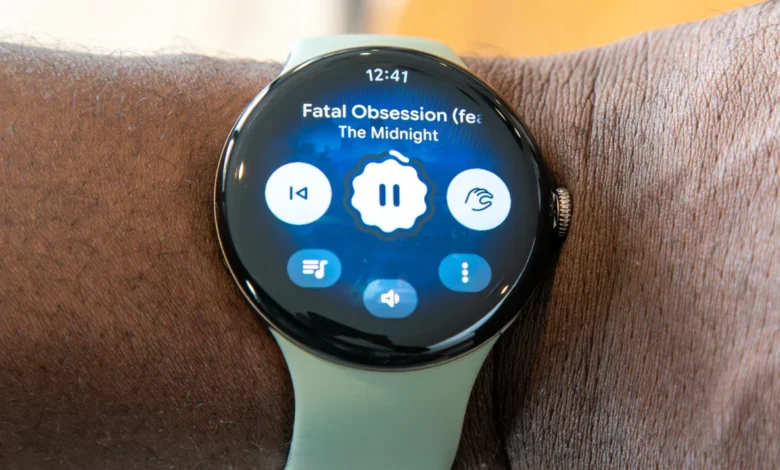
The wearable technology market continues to evolve at a rapid pace, with manufacturers striving to pack more processing power, artificial intelligence capabilities, and health-tracking sensors into increasingly compact form factors. When Google introduced the Pixel Watch 5, it maintained the familiar aesthetic established by its predecessor, the Pixel Watch 4. However, beneath the identical domed glass exteriors and recycled aluminum chassis lie substantial internal upgrades. For consumers deciding between the latest flagship smartwatch and its predecessor—which is now subject to retail discounts—understanding these hardware and software divergences is critical to making an informed purchasing decision.

Main Facts and Core Differences
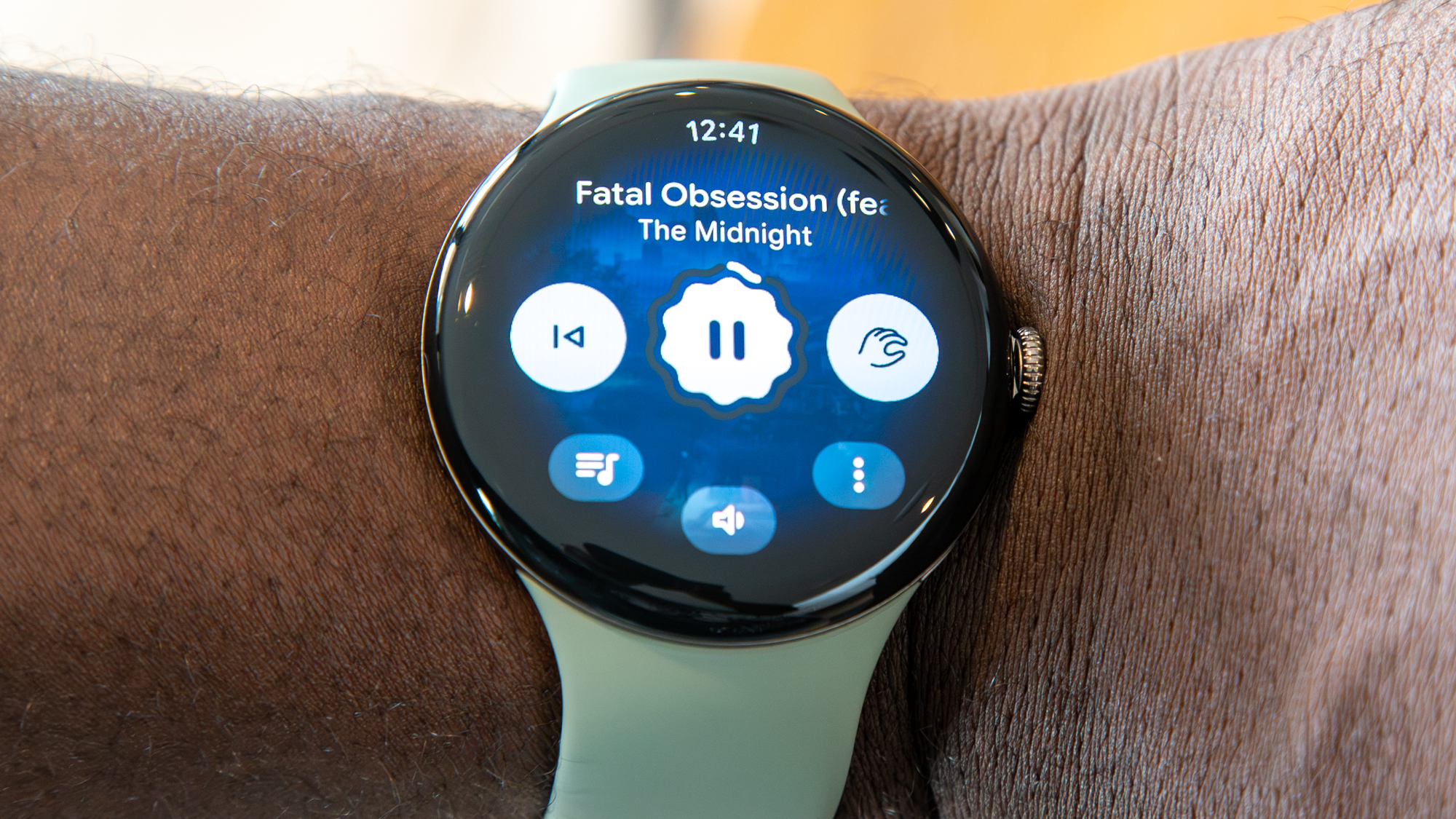
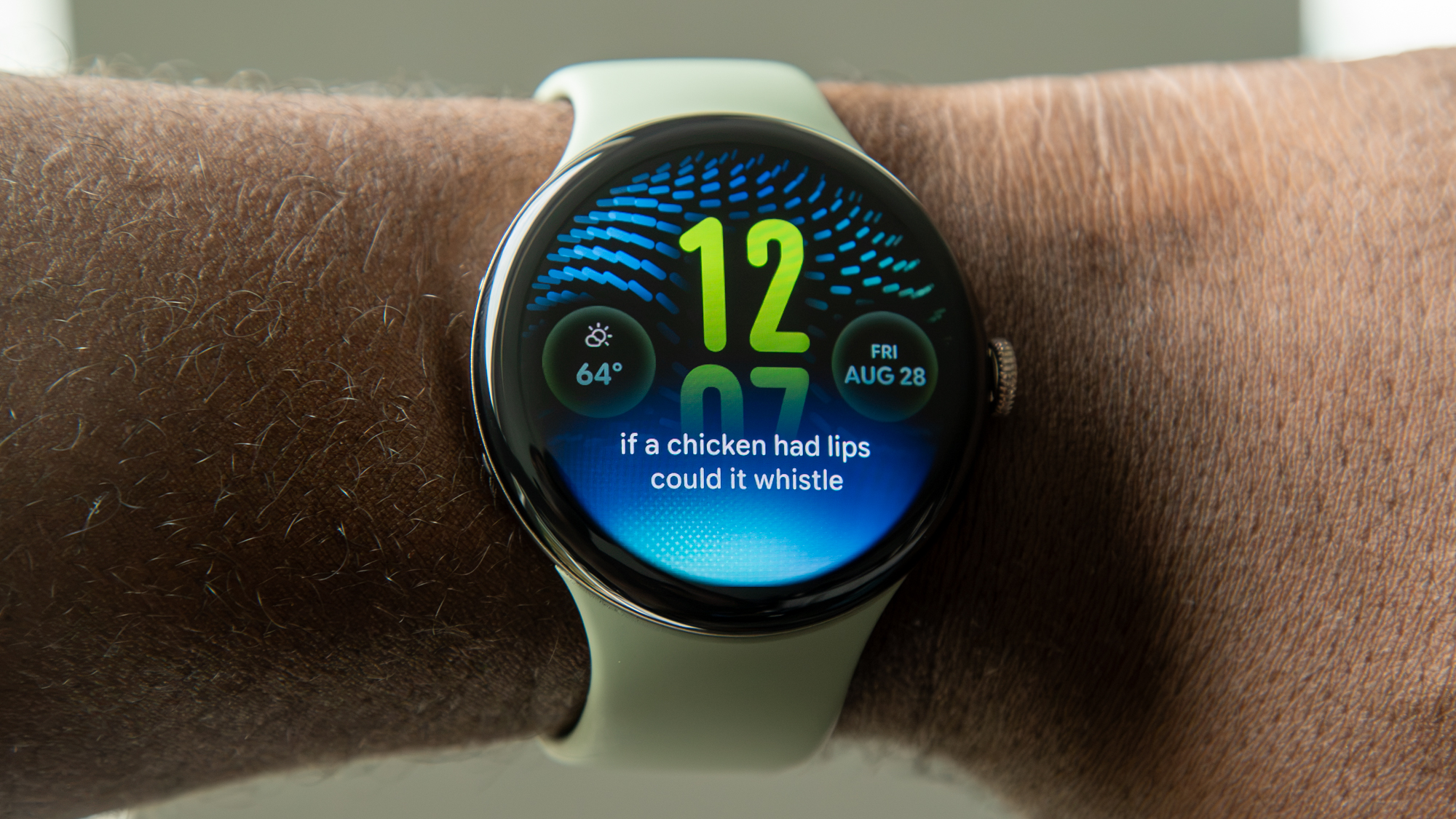
On the surface, distinguishing the Google Pixel Watch 5 from the Pixel Watch 4 presents a significant challenge. Both devices share identical physical dimensions (available in 41mm and 45mm variants), a brilliant 3,000-nit Actua 360 AMOLED LTPO display with a 1-60Hz dynamic refresh rate, and identical water and dust resistance ratings boasting 5ATM and IP68 certifications. Furthermore, both smartwatches utilize the same fast-charging architecture, heavy-duty haptic engines, signature rotating crowns, and compatibility with standard fluoroelastomer active bands.

Despite these external similarities, the internal architecture of the Pixel Watch 5 receives a notable performance injection. The device is powered by an accelerated Snapdragon W5 Gen 2 processor paired with a Cortex M55 co-processor. More importantly, Google doubled the internal storage to 64GB and increased the random-access memory (RAM) by 50%, bringing the total to 3GB compared to the Pixel Watch 4’s 2GB configuration. This memory expansion serves a vital functional purpose: it enables proper on-device processing for Google’s Gemini Nano artificial intelligence models, allowing for instantaneous command execution without requiring an active internet or cellular connection. Additionally, the Pixel Watch 5 introduces enhanced dual-frequency GPS tracking, offering superior location precision in dense urban environments compared to the already robust tracking capabilities of the previous generation.
Chronology and Market Context

The evolution of Google’s smartwatch ecosystem has followed a steady, deliberate trajectory since the tech giant entered the dedicated hardware space. The release of the Pixel Watch 4 in 2025 established a solid benchmark for Wear OS performance, integrating advanced fitness and biometric tracking suites into a polished, premium aesthetic. Building upon that foundation, the rollout of the Pixel Watch 5 represents a strategic pivot toward on-device generative AI integration.
Historically, smartwatches have relied heavily on tethered smartphone connections or active cloud links to process complex voice commands and artificial intelligence queries. By outfitting the Pixel Watch 5 with 3GB of RAM and an upgraded processor, Google has positioned the device to handle localized machine learning workloads independently. Market analysts note that this hardware iteration aligns with Google’s broader ecosystem strategy, ensuring that wearable devices achieve functional parity with modern smartphones regarding ambient computing and personal assistant responsiveness.

Comparative Specifications Overview
To fully evaluate the technical distinction between the two generations, a granular review of their specifications reveals the scope of Google’s engineering updates:
- Operating System: Both models operate on Wear OS 7.
- Processor: Pixel Watch 5 utilizes an accelerated Snapdragon W5 Gen 2 with a Cortex M55 co-processor; Pixel Watch 4 features the standard Snapdragon W5 Gen 2 with a Cortex M55 co-processor.
- Memory and Storage: Pixel Watch 5 features 3GB of RAM and 64GB of storage; Pixel Watch 4 features 2GB of RAM and 32GB of storage.
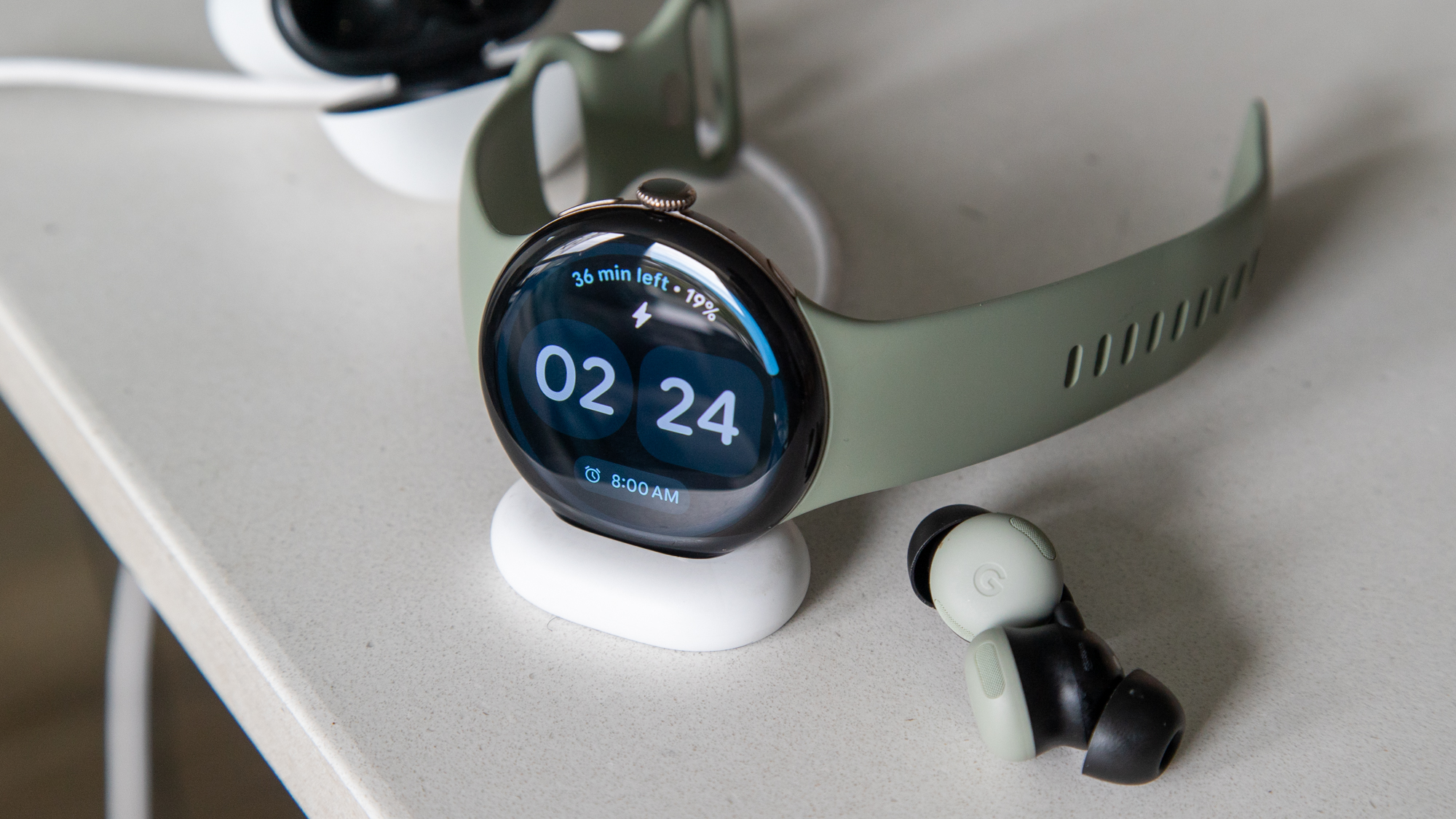
- Battery Capacity: The 41mm Pixel Watch 5 houses a 332mAh battery, while the 41mm Pixel Watch 4 contains 325mAh. The 45mm Pixel Watch 5 features a 465mAh cell compared to the 45mm Pixel Watch 4’s 465mAh battery. Both series deliver comparable battery longevity: approximately 30 hours with Always-On Display (AOD) enabled and up to 48 to 72 hours utilizing Battery Saver modes.
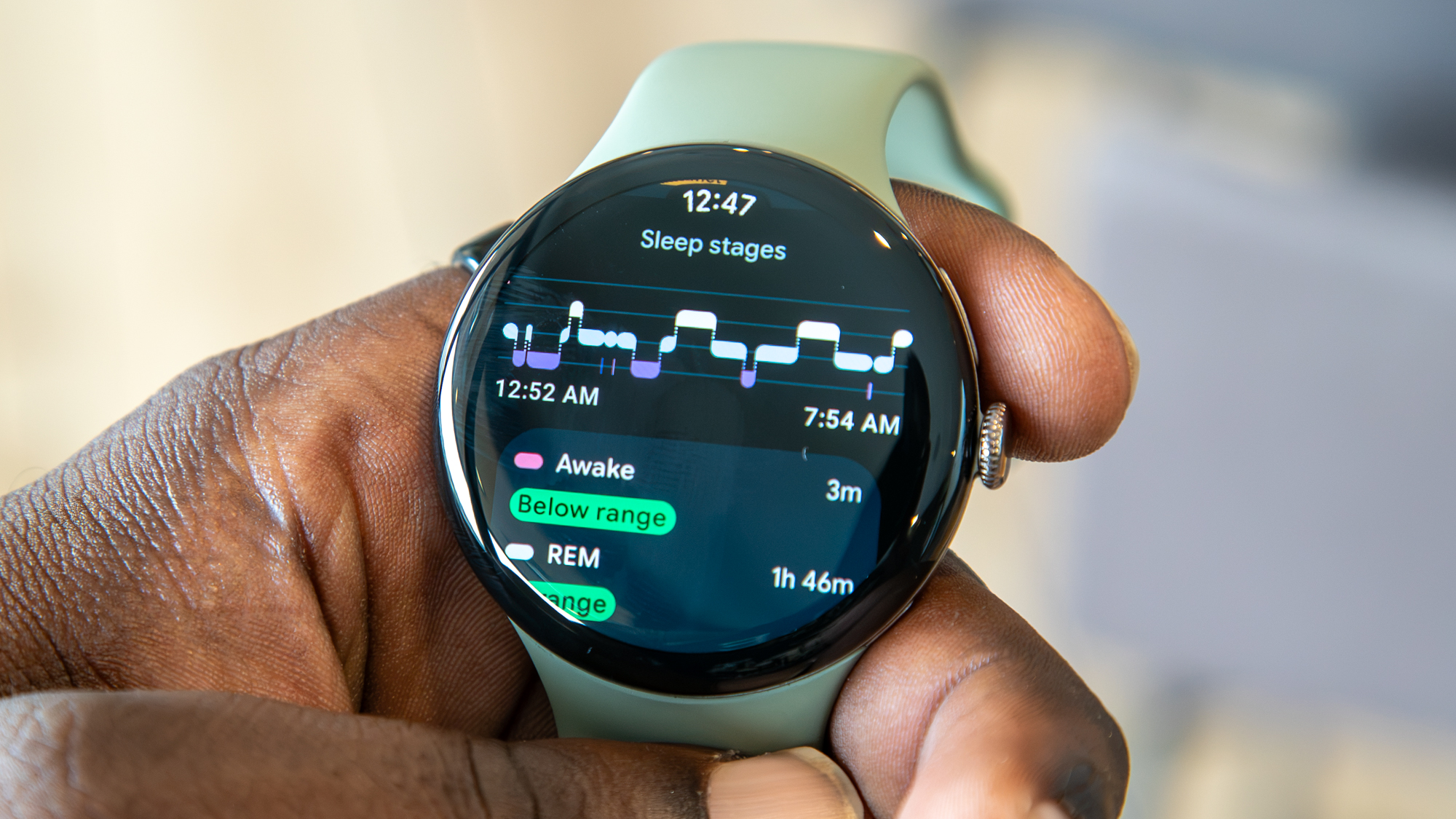
- Biometric and Environmental Sensors: Both watches feature a comprehensive suite including a compass, altimeter, barometer, magnetometer, 3-axis accelerometer, gyroscope, ambient light sensor, multi-path optical heart rate sensor, cEDA (electrodermal activity) sensor, SpO2 monitor, ECG capability, and a far-field skin temperature sensor.
Software Support, Longevity, and Ecosystem Integration
Software longevity remains a critical consideration for technology purchasers. Google has structured its support lifecycle to provide distinct end-of-support dates for each generation. The Pixel Watch 4 is slated to receive official operating system updates and security patches through October 2028. In contrast, the Pixel Watch 5 extends this window by an additional year, guaranteeing software support through October 2029.
This extended timeline is not merely nominal; it carries practical implications for software feature distribution. Industry observers anticipate that future iterations of Google’s health and AI frameworks—particularly those leveraging Gemini Nano—will be tailored to take advantage of the 3GB RAM threshold found in the Pixel Watch 5. While older devices such as the Pixel Watch 3 and Pixel Watch 4 continue to receive major health features, including the newly introduced Health Guardian suite (which tracks blood pressure trends and insulin resistance markers), the hardware constraints of 2GB RAM models may preclude them from running more resource-intensive on-device machine learning processes.
Furthermore, connectivity and offline utility differ due to the storage upgrade. With 64GB of onboard storage, users of the Pixel Watch 5 can download substantially larger libraries of offline media, podcasts, and navigation maps, reducing reliance on LTE data streams during outdoor workouts.
Pricing Strategy and Value Analysis
When assessing consumer value, market positioning dictates two distinct paths based on initial retail costs versus discounted secondary pricing. At standard manufacturer-suggested retail prices, the Pixel Watch 5 commands a minimal premium—typically a $30 difference over the launch price of its predecessor. For this incremental cost, buyers secure double the storage capacity, 50% more RAM, an accelerated processor, enhanced GPS accuracy, and an extra year of software maintenance. Industry analysts characterize this pricing model as a compelling incentive to bypass the older generation if purchasing at full retail value.
Conversely, the market dynamics shift significantly when factoring in retail markdowns on legacy hardware. As retailers clear inventory to make room for newer stock, finding a Pixel Watch 4 at a discount of $100 or more below the Pixel Watch 5’s retail price transforms the older model into a high-value proposition. For consumers whose primary use cases center on conventional physical fitness monitoring, daily messaging, media playback, and standard heart-rate or sleep tracking, the performance delta between the two devices may not justify paying full price for the newer model.
Implications for the Wearables Market

The technological divergence between the Pixel Watch 4 and the Pixel Watch 5 underscores a broader industry trend: the transition of smartwatches from simple notification relays and fitness trackers into autonomous computing endpoints driven by local artificial intelligence. As consumers demand faster query resolution, robust offline capabilities, and deeper integration with health diagnostics, hardware components such as RAM and dedicated AI co-processors are assuming the same critical importance in wearables that they hold in modern smartphones.
Ultimately, the choice between the two devices rests on individual user priorities. Technology enthusiasts, users seeking maximum future-proofing, and those heavily reliant on advanced voice-driven AI workflows will find the Pixel Watch 5 to be the superior and more resilient investment. Meanwhile, budget-conscious buyers seeking reliable fitness tracking and core smartwatch functionality can leverage significant savings by opting for the discounted Pixel Watch 4, provided they accept a slightly shorter software support window and standard cloud-dependent AI processing.