Harleen Deol Named Concussion Substitute For Sneh Rana

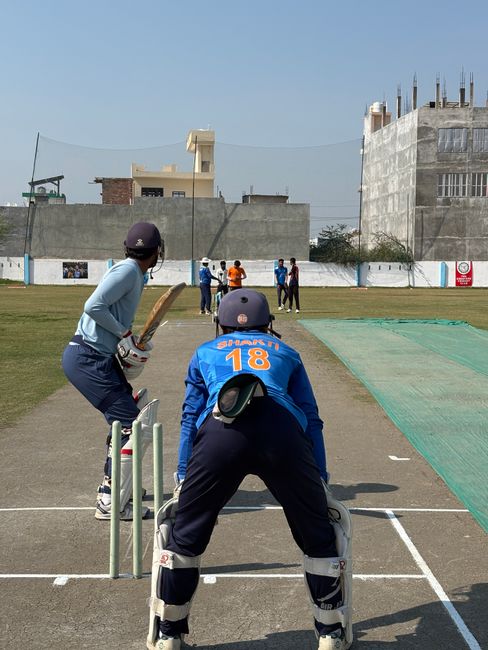
Harleen Deol: A Concussion Substitute’s Impact and Significance in Women’s Cricket
The utilization of concussion substitutes in cricket has become an increasingly vital aspect of player safety and sportsmanship, a paradigm shift brought about by a greater understanding of the long-term implications of head injuries. When Sneh Rana, a key all-rounder for the Indian women’s cricket team, was unfortunately ruled out due to a concussion, the responsibility fell upon Harleen Deol to step in. This substitution was not merely a tactical reshuffle; it highlighted the depth of talent within the Indian squad and the crucial role that reserve players can play in maintaining team performance and momentum. Harleen Deol’s emergence as a concussion substitute for Sneh Rana offered a compelling case study in the adaptability and resilience of modern cricketers and the evolving support systems within professional sports.
The circumstances surrounding Sneh Rana’s concussion were a stark reminder of the inherent risks in a sport as dynamic and physical as cricket. While cricket is often perceived as a bat-and-ball game, it involves high-speed projectiles, aggressive fielding actions, and the potential for accidental collisions. A blow to the head, whether from a powerfully struck ball, a stray throw, or even a fall during fielding, can have immediate and potentially severe consequences. The International Cricket Council (ICC) introduced concussion substitute regulations to ensure that players exhibiting symptoms of concussion are removed from play immediately, preventing further harm and allowing for proper medical assessment and recovery. This protocol prioritizes the player’s health above all else, a crucial development in safeguarding athletes’ well-being. The prompt identification and management of concussions are paramount, as delayed or inadequate treatment can lead to prolonged recovery periods, impact a player’s cognitive function, and even pose serious long-term health risks.
Harleen Deol, a talented batter and capable fielder, found herself thrust into the spotlight as Sneh Rana’s replacement. Her selection as a concussion substitute was based on her established presence within the Indian squad, indicating her readiness to perform at the highest level. The regulations surrounding concussion substitutes are designed to allow for a like-for-like replacement in terms of playing ability, ensuring that the team is not significantly disadvantaged. This means the substitute should ideally possess similar batting and/or bowling skills as the injured player. Deol’s inclusion underscored the meticulous planning and scouting that goes into squad selection, recognizing the potential need for such interventions. Her preparedness to step in, despite the sudden nature of the call-up, speaks volumes about her professionalism and her consistent efforts in training and domestic competitions.
The impact of a concussion substitute can be multifaceted. On one hand, it presents an immediate challenge to the team’s established strategy and player dynamics. The absence of a key player like Sneh Rana, known for her all-round contributions, can disrupt the balance of the side. However, it also provides an opportunity for another player to showcase their skills and contribute to the team’s success. Harleen Deol’s performance in the ensuing matches was therefore scrutinized not just as a replacement but as an individual contributor. Her ability to adapt to the pressure of a sudden entry and perform under the expectations of international cricket was a key factor. This situation often tests a player’s mental fortitude and their capacity to integrate seamlessly into a team that has already established its rhythm.
For Harleen Deol, stepping in as a concussion substitute for Sneh Rana offered a unique platform. It was not a pre-planned inclusion in the starting XI, but rather a situation that demanded immediate availability and performance. This often means a player has less time to mentally prepare for the specific match conditions or to strategize with the team as extensively as they might have in a normal selection. However, for players on the fringes of the main squad, these opportunities are invaluable. They provide a chance to prove their mettle, gain crucial international exposure, and potentially cement their place in the team for future games. The psychological aspect of being a substitute is often challenging; the need to be constantly ready, to stay focused without the guarantee of playing, and then to perform when called upon requires a specific kind of mental resilience.
The broader implications of the concussion substitute rule extend beyond individual matches. It signals a positive evolution in how sports prioritize athlete welfare. The emphasis on preventing further injury to a concussed player is a responsible step that aligns with global trends in sports medicine. For cricket, this rule ensures that the long-term health of players is not compromised for short-term gains. It also encourages a culture of open communication about head injuries, where players are encouraged to report symptoms without fear of reprisal. This can lead to better preventative measures and a more informed approach to managing player workloads. The successful integration of this rule is a testament to the collaborative efforts of governing bodies, medical professionals, and the players themselves.
From a performance perspective, Harleen Deol’s contributions as a concussion substitute were a reflection of the depth and preparedness of the Indian women’s cricket team. It demonstrated that the team is not overly reliant on a few key individuals and that there are capable players ready to step up when needed. This depth is crucial for sustained success in international cricket, especially with demanding schedules and the inherent unpredictability of the sport. Her performance would have been evaluated based on her batting, fielding, and any other skills she brought to the XI. The ability to perform consistently, regardless of the circumstances of selection, is a hallmark of a true professional.
The media and fan response to a concussion substitute situation is also noteworthy. While there is often sympathy for the injured player, there is also keen interest in how the replacement performs. Harleen Deol’s efforts would have been closely watched, with her success or challenges providing talking points for analysts and supporters alike. This scrutiny, while potentially daunting, is also a part of the professional sports landscape and can serve as a motivator for players to deliver their best. The narrative around her substitution becomes one of opportunity and resilience, showcasing her ability to seize a moment under pressure.
Furthermore, the concept of a concussion substitute encourages a more holistic view of squad management. Coaches and selectors must not only identify their starting XI but also ensure that the reserve players are adequately prepared and integrated into the team’s plans. This involves providing them with sufficient match practice in domestic tournaments, keeping them engaged with team strategies, and fostering a positive team environment where everyone feels valued. Harleen Deol’s presence as a ready replacement for Sneh Rana exemplifies this preparedness. Her ability to transition seamlessly into the team underscored the effectiveness of such a proactive approach to squad management.
The future of cricket, and indeed many sports, will undoubtedly see further refinements of concussion protocols. As research into sports-related head injuries continues to evolve, so too will the guidelines for their management. The implementation of concussion substitutes, as exemplified by Harleen Deol stepping in for Sneh Rana, represents a significant step forward in this ongoing evolution. It is a testament to the sport’s commitment to prioritizing player health and safety, ensuring that cricket remains a thrilling yet responsible pursuit for athletes at all levels. The story of Harleen Deol as a concussion substitute is not just about a single player or a single match; it is a narrative woven into the larger tapestry of progress in sports medicine and player welfare. It underscores the importance of every player, the depth of talent within a squad, and the crucial role of adaptability in the face of unforeseen circumstances. The recognition and effective utilization of concussion substitutes like Harleen Deol are vital for the continued growth and integrity of women’s cricket, showcasing the preparedness and resilience inherent in the modern athlete. The incident served as a powerful reminder that while cricket is a game of skill and strategy, player well-being must always remain at its core.


