Iphone 16 Could Get One Of The Best Dslr Camera Features Going Rumored Capture Button Could Be Pressure Sensitive And Adjust Focus Before You Shoot
iPhone 16 Rumored Capture Button: A DSLR-Level Photography Revolution on Your Smartphone
The iPhone 16 is poised to redefine mobile photography with a rumored capture button that could bring DSLR-level control to the palm of your hand. whispers from supply chain leaks and industry analysts suggest a significant hardware revision for Apple’s upcoming flagship, centered around a dedicated, pressure-sensitive capture button. This isn’t just an iterative upgrade; it’s a fundamental shift that mirrors the tactile experience and nuanced control found in professional cameras, promising to elevate iPhone photography from snapshots to sophisticated artistry. The potential for this single button to adjust focus before you even press to take the shot is a game-changer, offering a level of creative command previously unimaginable on a smartphone.
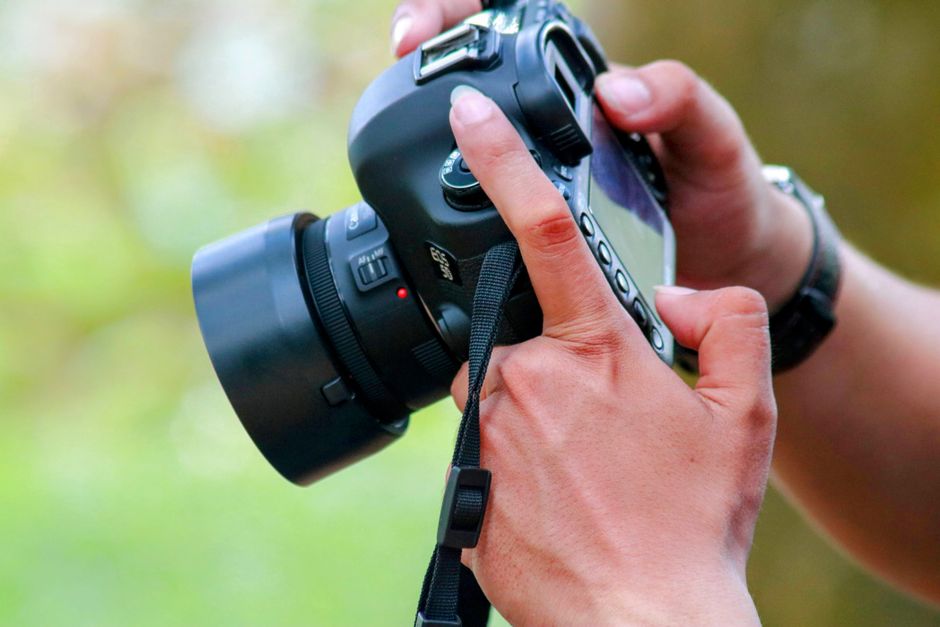
For years, smartphone photography has been a balancing act between convenience and control. While iPhones have consistently led the pack in computational photography, delivering stunning results with minimal user input, they’ve lacked the physical, intuitive controls that seasoned photographers rely on. The traditional tap-to-focus and shutter button combination, while effective, inherently introduces a slight delay and can feel disconnected from the act of composing and capturing a moment. The rumored iPhone 16 capture button, if it lives up to its potential, addresses this directly. Imagine holding your iPhone like a traditional camera, your thumb naturally resting on a dedicated button. A gentle press, and the iPhone’s advanced autofocus system springs to life, allowing you to precisely select your focus point, perhaps even fine-tuning depth of field parameters. A firmer press, and the image is captured. This two-stage operation is the cornerstone of DSLR photography, enabling photographers to lock focus on a moving subject or precisely control where the viewer’s eye is drawn in a static scene.
The implications of a pressure-sensitive capture button extend beyond mere focus adjustment. In DSLR systems, this type of button allows for a "half-press" to meter the scene and lock focus, and a full press to take the shot. Translating this to the iPhone 16 could mean a host of new possibilities. For instance, the half-press could activate sophisticated scene analysis, allowing the iPhone to intelligently adjust exposure, white balance, and even HDR settings based on the pre-focused subject. This proactive metering and focus locking would drastically reduce the chances of blurry shots or poorly exposed images, especially in challenging lighting conditions or when photographing fast-moving subjects. Think about capturing a child’s fleeting smile or a bird in flight – the ability to pre-focus and meter would dramatically increase the hit rate for perfectly captured moments.
Furthermore, the pressure sensitivity itself opens up a new avenue for creative expression. Imagine a scenario where a lighter press initiates a shallower depth of field, creating a creamy bokeh effect that isolates your subject, while a firmer press results in a deeper depth of field, ensuring more of the scene is in focus. This subtle yet powerful control over aperture simulation could allow iPhone users to achieve professional-looking portraits and macro shots with unprecedented ease. The iPhone’s computational prowess could then work in tandem with this hardware control, intelligently rendering the chosen depth of field with remarkable fidelity. This goes beyond simply applying a portrait mode filter; it’s about actively shaping the image from the initial capture.
The integration of such a feature is not without its technical challenges. Apple would need to ensure the button is robust, reliable, and offers consistent tactile feedback. The software integration would also be crucial. The iPhone’s operating system would need to intelligently interpret the varying levels of pressure and translate them into specific photographic actions. This would likely involve a sophisticated algorithm that learns user preferences and adapts to different shooting scenarios. The user interface would also need to be intuitive, allowing users to understand and leverage the full capabilities of the pressure-sensitive button without feeling overwhelmed. This might involve subtle visual cues on the screen, indicating the current focus and exposure lock status as the button is pressed.
This rumored feature also signals Apple’s continued commitment to elevating the iPhone as a primary photographic tool, not just a secondary one. For many, the iPhone is already their go-to camera. Adding DSLR-like controls acknowledges this reality and caters to a growing segment of users who want more creative control without carrying a dedicated camera. This could appeal to a broad spectrum of users, from casual photographers looking to improve their everyday shots to aspiring content creators and even seasoned enthusiasts who appreciate the convenience of a powerful, pocketable camera. The ability to achieve more deliberate and artistic shots directly from their iPhone would undoubtedly enhance the user experience and foster greater creativity.
SEO considerations are paramount when discussing such a significant rumored feature. Keywords like "iPhone 16 camera," "DSLR features iPhone," "pressure sensitive capture button," "iPhone focus control," "mobile photography innovation," and "iPhone 16 rumors" will be crucial for discoverability. Articles that delve deeply into the technical aspects, potential benefits, and comparative advantages of such a feature will rank higher in search results. Focusing on the practical implications for users – how it will improve their photos, what new creative possibilities it unlocks, and how it stacks up against existing smartphone cameras – will also be key to attracting and engaging readers.
The potential for the iPhone 16’s capture button to offer a "half-press" function, akin to DSLRs, is particularly exciting. This would allow users to recompose their shots after locking focus, a fundamental technique for achieving precise framing. Currently, on iPhones, tapping to focus often locks exposure simultaneously, meaning if you recompose, your exposure might change. A dedicated half-press for focus and exposure lock would bypass this limitation, giving users greater control over the final image. This level of granular control is what separates casual photography from more intentional image-making. It’s the difference between capturing a moment and creating a photograph.
Beyond focus and exposure, the pressure sensitivity could also be leveraged for other photographic functions. Imagine a light press initiating a burst mode for capturing action, while a firmer press takes a single, high-resolution shot. Or perhaps a long press could activate a specific shooting mode, like night mode or a custom scene preset. The possibilities for intuitive gesture-based control, augmented by pressure sensitivity, are vast. Apple has a history of integrating innovative hardware features with sophisticated software, and this rumored capture button is ripe for such a synergy. The ability to perform multiple actions with a single, tactile control would streamline the shooting process and make advanced photographic techniques more accessible.
The comparison to DSLR technology isn’t just about mimicking features; it’s about understanding the fundamental principles of photography that make those features so powerful. DSLRs provide physical interfaces that allow photographers to interact with their cameras in a way that feels natural and responsive. This tactile feedback creates a deeper connection between the photographer and their equipment, leading to more deliberate and often more successful photographic outcomes. By bringing a similar level of tactile control to the iPhone, Apple is not just adding a button; it’s fostering a more engaged and creative photographic experience for its users.
The competition in the smartphone camera space is fierce. Every major manufacturer is vying for the top spot, constantly pushing the boundaries of what’s possible. If the iPhone 16 delivers on this rumored capture button, it will undoubtedly set a new benchmark for smartphone photography. It would signal a bold move by Apple to embrace the physical, to acknowledge the enduring appeal of traditional camera controls in an increasingly digital world. This isn’t about abandoning the convenience of computational photography; it’s about augmenting it with the precision and intuition that have long defined the professional photographic experience. The iPhone 16, with its potential DSLR-level capture button, could be the device that finally blurs the line between a powerful smartphone and a truly capable professional camera. The focus is on empowering users with more control, more creative freedom, and ultimately, better photos. The impact on mobile photography could be profound, inspiring a new generation of iPhone photographers to explore the art and craft of image-making with tools that feel as intuitive as they are powerful.

