OPPO Find X10 Ultra May Test MediaTek Dimensity Chipset While Keeping Qualcomm in Play for Final Release

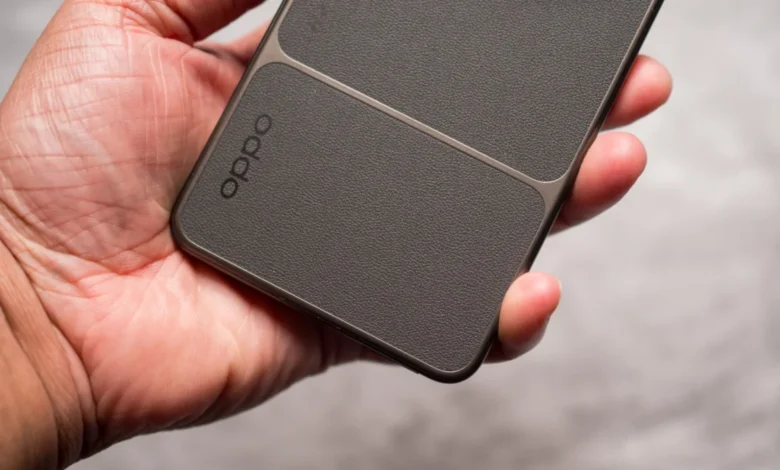
OPPO is reportedly evaluating a significant shift in its hardware strategy for its next-generation flagship smartphone line. According to supply chain leaks and industry insiders, the forthcoming OPPO Find X10 Ultra has been undergoing internal testing with MediaTek’s cutting-edge Dimensity 9600 Pro processor. This potential transition marks a departure from OPPO’s traditional reliance on Qualcomm’s elite-tier silicon for its pinnacle Ultra devices. However, industry reports indicate that Qualcomm remains a strong contender, with a parallel configuration utilizing the upcoming Snapdragon 8 Elite Extreme Gen 6 actively in development.
The latest intelligence regarding OPPO’s product roadmap originates from prominent Weibo technology tipster Smart Pikachu. The leaks suggest that OPPO engineers are currently pairing the Dimensity 9600 Pro with proprietary imaging algorithms designed to integrate seamlessly with the company’s signature Lumo True Image Engine. This dual-track testing phase underscores OPPO’s determination to preserve its competitive edge in computational photography and mobile imaging performance, irrespective of the underlying central processing unit (CPU).
Main Facts and Chipset Specifications
The consideration of MediaTek silicon for an Ultra-tier smartphone highlights the rapid technological convergence between mobile chipset manufacturers. Built upon TSMC’s advanced 2nm manufacturing process node, the MediaTek Dimensity 9600 Pro boasts a formidable architecture. The processor configuration reportedly features two high-performance C2-Ultra cores clocking speeds of up to 4.55GHz, alongside six efficiency and performance cores designed to balance heavy computational tasks with power management.
OPPO has already publicly confirmed the integration of the Dimensity 9600 Pro within the upcoming Find X10 Pro Max, establishing a technical baseline that makes its evaluation for the Ultra variant a logical engineering step. Yet, despite the compelling metrics of the MediaTek silicon, Smart Pikachu notes that the variant powered by Qualcomm’s forthcoming Snapdragon 8 Elite Extreme Gen 6 retains the higher probability of securing the commercial release slot.
This hardware balancing act highlights the complex decision-making processes faced by original equipment manufacturers (OEMs) in the ultra-premium smartphone segment. While MediaTek has made historic strides in closing the performance gap with Qualcomm—historically the default choice for western and global flagship iterations—qualitative consumer perception and carrier relationships often lean heavily toward Snapdragon architecture in international markets.
Chronology and Development Roadmap
The evolution of the Find X-series flagship timeline points toward a formal launch window in the first half of 2027, specifically targeting initial rollout phases within the Chinese domestic market. Because the device remains deep in the prototyping and pre-production phase, OPPO has yet to issue official statements confirming the handset, its final hardware specifications, or its ultimate chipset deployment.
Historically, smartphone manufacturers begin prototype testing up to a year before a commercial launch. During this phase, software engineers and hardware architects evaluate thermal performance, battery consumption, and camera signal processor (ISP) efficiency across competing silicon platforms. The concurrent testing of both the MediaTek Dimensity 9600 Pro and Qualcomm Snapdragon 8 Elite Extreme Gen 6 indicates that OPPO is hedging its bets against potential supply chain constraints, pricing fluctuations, or performance bottlenecks discovered during stress testing.
Advanced Camera Hardware and Imaging Architecture
Regardless of the final processor selected for the commercial variant of the OPPO Find X10 Ultra, leaked documentation suggests that the device’s primary differentiator will lie in its revolutionary camera array. Mobile photography enthusiasts and industry analysts have closely monitored OPPO’s hardware trajectory, and the Find X10 Ultra promises to push the boundaries of smartphone optical engineering.
Previous supply chain leaks outline an ambitious multi-sensor configuration designed to dominate mobile imaging benchmarks. At the core of this system is a rumored 200-megapixel primary camera sensor featuring a massive 1/1.12-inch optical format. Crucially, the sensor is expected to incorporate Lateral Overflow Integration Capacitor (LOFIC) technology.
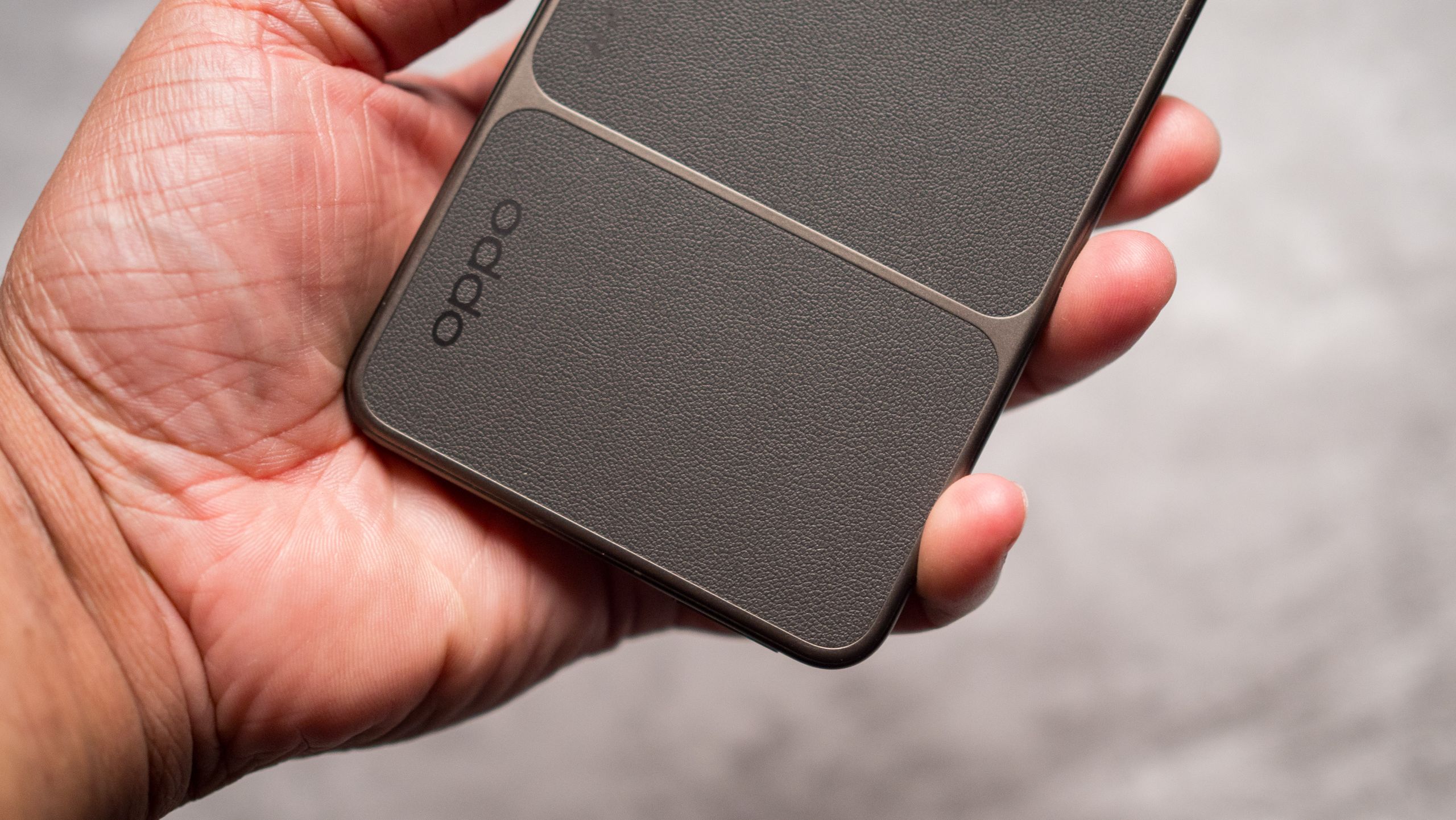
LOFIC technology represents a major leap forward in CMOS image sensor design. As detailed by semiconductor authorities and imaging experts, LOFIC addresses one of the most persistent challenges in digital photography: highlight clipping in high-contrast environments. By integrating a capacitor alongside each pixel to capture excess charge that would otherwise saturate the photodiode, LOFIC dramatically expands the sensor’s dynamic range. This enables the camera to retain delicate highlight details in extreme lighting conditions, such as direct sunlight or backlit urban scenes, without blowing out bright areas or crushing shadows into pure black.
Complementing the primary sensor, the Find X10 Ultra is rumored to feature a secondary 200-megapixel periscope telephoto camera, alongside a third 50-megapixel periscope lens dedicated to achieving 10x optical zoom capabilities. Furthermore, selfie photography enthusiasts may see an upgrade in the form of a 100-megapixel front-facing camera, signaling an aggressive push across all photographic focal lengths.
Industry Implications and Differentiation Strategy
The potential adoption of MediaTek silicon across multiple high-end devices introduces strategic implications for OPPO’s product segmentation. Should OPPO ultimately commercialize the Find X10 Ultra with the Dimensity 9600 Pro, both the Find X10 Ultra and the Find X10 Pro Max would share an identical flagship system-on-chip (SoC).
Such a scenario would place immense pressure on OPPO’s product marketing and engineering teams to clearly differentiate the ultra-premium Ultra model from its Pro Max sibling. Without a performance advantage in raw CPU benchmarks, the justification for the Ultra’s higher price point would rely entirely on its superior physical camera hardware, specialized imaging co-processors, premium build materials, and advanced display technologies.
For MediaTek, securing a design win in an Ultra-tier flagship would represent a monumental validation of its long-term strategy to conquer the highest tiers of the mobile market. Over the past several generations, MediaTek’s Dimensity series has steadily eroded Qualcomm’s monopoly in premium hardware, winning major contracts across diverse global brands. A successful deployment in OPPO’s premier camera-centric flagship would cement MediaTek’s reputation as a peerless innovator capable of powering the most demanding computational photography workloads.
Conversely, Qualcomm’s Snapdragon 8 Elite Extreme Gen 6 remains a formidable incumbent. The architecture is widely anticipated to deliver industry-leading graphics performance and highly optimized artificial intelligence processing engines, which are increasingly vital for on-device generative AI applications and real-time computational photography enhancements.
Broader Market Context and Outlook
As the smartphone industry navigates rising component costs and a mature consumer upgrade cycle, flagship devices are increasingly defined by specialized capabilities rather than iterative yearly performance boosts. Cameras, display fidelity, and proprietary software ecosystems have become the primary battlegrounds for market share in the luxury tier.
OPPO’s cautious, dual-path testing methodology illustrates the rigorous scrutiny applied to modern flagship development. By evaluating both MediaTek and Qualcomm platforms while keeping proprietary systems like the Lumo True Image Engine at the center of the imaging pipeline, the company is ensuring that its brand identity remains anchored to photographic excellence, regardless of which chip ultimately powers the circuit board.
As the anticipated 2027 release window approaches, industry observers will monitor supply chain disclosures and regulatory filings for definitive confirmation of the Find X10 Ultra’s hardware specifications. Until OPPO issues official product announcements, the debate between MediaTek’s rising dominance and Qualcomm’s entrenched reliability remains one of the most compelling storylines in mobile technology.