The Ultimate Guide to Crafting Effective Social Media Guidelines, Policies, and Style Guides for Modern Organizations


In today’s hyper-connected digital landscape, every employee, contractor, and partner represents an extension of a corporate brand the moment they go online. Recognizing this reality, organizations across industries are increasingly prioritizing corporate governance by establishing comprehensive digital frameworks. Developing clear instructions for digital conduct has evolved from an optional human resources exercise into an essential corporate strategy designed to protect brand reputation, ensure strict compliance with federal regulations, and empower workforce advocacy.
The distinction between how organizations manage their digital presence largely hinges on three distinct documents: social media guidelines, corporate policies, and brand style guides. While these terms are frequently used interchangeably by non-specialists, legal, marketing, and communications departments understand that each serves a fundamentally unique purpose within an enterprise governance model.

Understanding the Trifecta of Digital Governance
To build a resilient digital presence, organizations must implement a three-tiered approach to governance. Guidelines offer practical recommendations and encouragement on how to behave on social media platforms, acting primarily as an advisory manual for employees, agencies, contractors, and influencers. In contrast, a social media policy establishes binding, enforceable rules tied directly to an organization’s disciplinary processes, carrying the weight of human resources and legal oversight. Finally, a style guide standardizes the visual identity, brand voice, and formatting criteria utilized by the internal social media and creative teams.
Industry analysts emphasize that while enterprise organizations ideally require all three documents, businesses with limited initial resources should always begin with social media guidelines. Guidelines offer the broadest utility across the workforce, providing a foundational educational layer before a company introduces strict punitive policies or rigid design manuals.

Protecting Brand Equity and Mitigating Regulatory Risk
The operational necessity of digital guidelines is underscored by escalating regulatory scrutiny and the rapid speed of online communication. Federal regulatory bodies have sharply increased enforcement regarding digital endorsements and commercial transparency. For instance, the Federal Trade Commission’s endorsement guides mandate that individuals clearly and conspicuously disclose any material connection to a brand—including financial compensation, gifted products, or employment status—directly within the body of a social media post rather than hiding disclosures in a user profile biography.
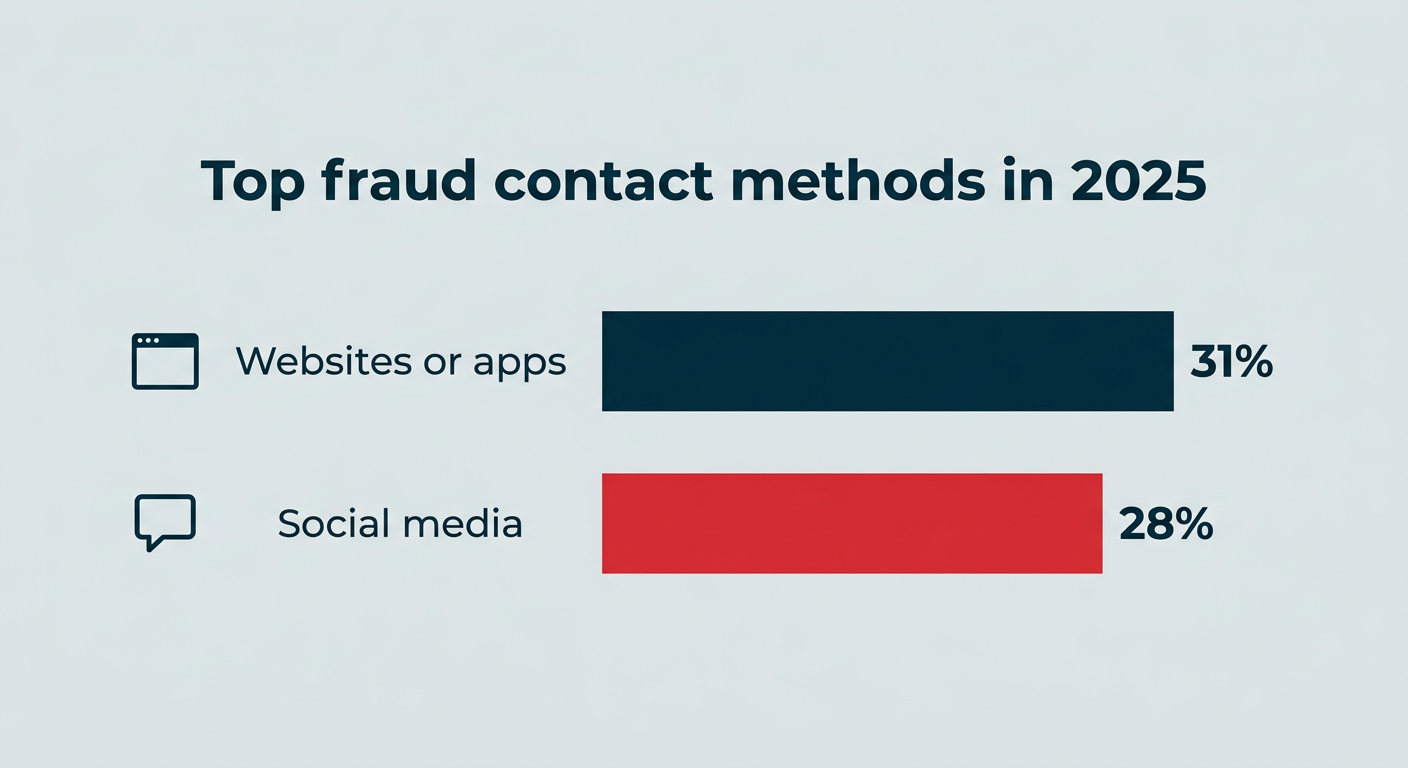
These regulatory standards apply universally to everyday employees, corporate executives, and external influencers alike. Failure to comply can result in severe legal reviews, regulatory fines, and damaging public relations crises. Furthermore, statistics compiled by regulatory agencies highlight that social media platforms remain a primary vector for online fraud and security breaches, accounting for significant portions of reported consumer and enterprise losses. Robust guidelines serve as a critical defense mechanism against such risks by removing ambiguity and eliminating the common defense of ignorance among staff members.
Empowering Employee Advocacy and Managing Enterprise Risk
Beyond risk mitigation, well-structured guidelines play an active role in fostering employee advocacy. Modern professionals frequently want to highlight their career achievements and support their employers online, but many hesitate out of fear of crossing invisible professional lines. Clear, accessible guidelines establish positive guardrails that give employees the confidence to share company milestones, celebrate workplace culture, and act as authentic brand ambassadors.
To streamline this process, many global enterprises integrate their governance frameworks with dedicated advocacy tools, such as Hootsuite Amplify. These platforms allow employees to safely share pre-approved corporate content, articles, and visuals directly to their personal networks, ensuring absolute compliance without sacrificing individual engagement.
Core Components of a Comprehensive Corporate Directive
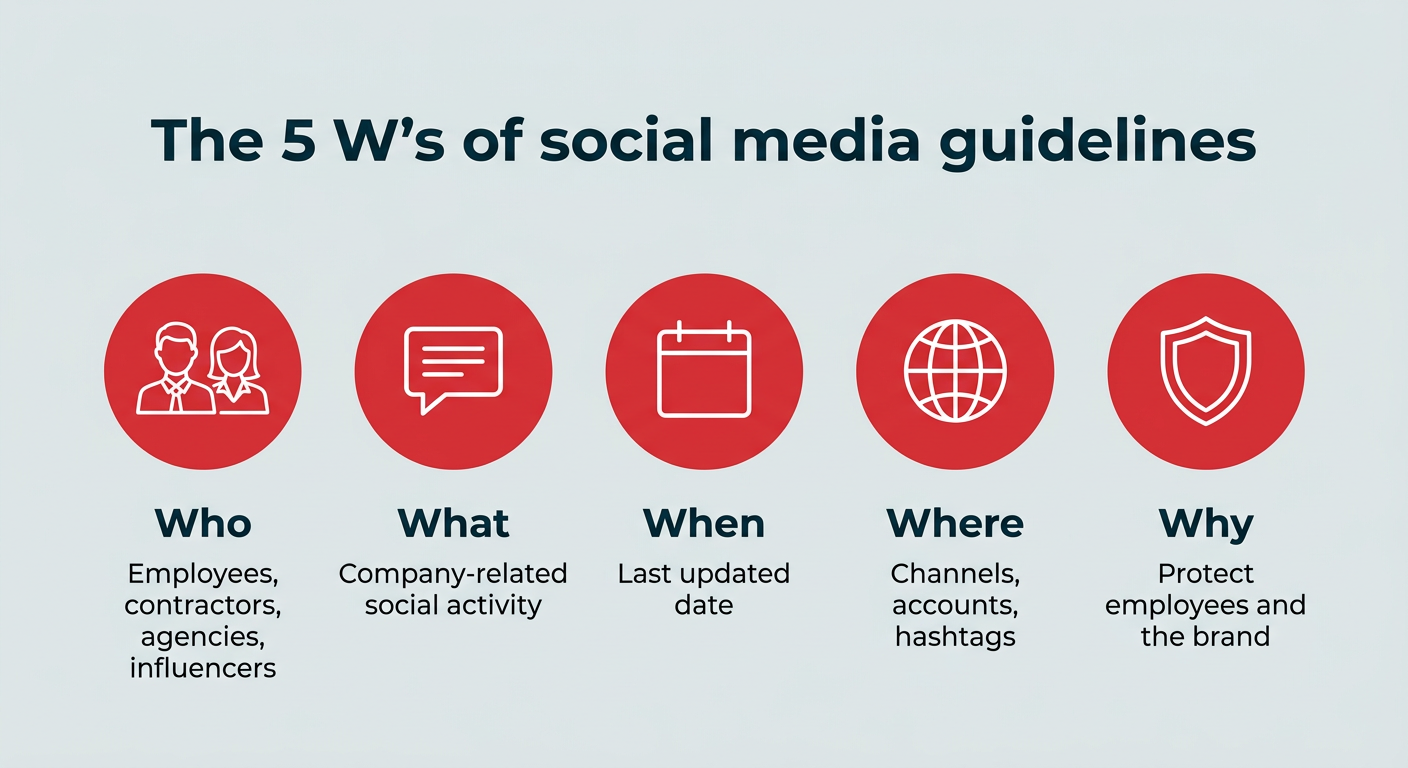
A well-rounded set of social media guidelines must address several operational areas to remain effective. First, it must establish clear parameters regarding scope—answering foundational questions regarding who the rules apply to, which platforms are covered, and how personal accounts intersect with professional responsibilities.
Additional critical sections typically encompass:
- Disclosure and Transparency: Clear rules on differentiating personal opinions from official corporate messaging, complete with approved copy-and-paste disclosure language.
- Privacy and Confidentiality: Strict boundaries protecting proprietary data, unreleased financial results, trade secrets, and sensitive customer information.
- Copyright and Intellectual Property: Direct instructions prohibiting the unauthorized use of third-party imagery, text, or trademarked assets without explicit permission.
- Cybersecurity Protocols: Reminders on multi-factor authentication, vigilance against social engineering, and safe credential management.
- Accessibility and Inclusivity: Standards ensuring that digital content incorporates image alt-text, closed captions, and inclusive language.
- Generative Artificial Intelligence: Clear protocols regarding the use of AI tools for caption drafting or content creation, specifically prohibiting the input of confidential company data into public AI models.
Real-World Implementation and Industry Benchmarks
Organizations across diverse sectors have successfully tailored their digital frameworks to meet industry-specific challenges. Academic institutions such as McGill University structure their instructions around core principles of academic freedom, institutional respect, and privacy. Government bodies, including the Ontario Public Service, emphasize personal accountability, reminding public servants that personal disclaimers do not absolve individuals of professional consequences.
In highly regulated sectors such as financial services and healthcare, compliance is exceptionally stringent. Institutions like Vanguard operate under strict regulatory frameworks enforced by financial authorities, treating all digital engagement as formal business communications requiring extensive recordkeeping and pre-approval. Meanwhile, healthcare networks like Horizon Health Network focus heavily on patient privacy and confidentiality standards, ensuring that frontline workers maintain absolute discretion regarding workplace activities.

Strategic Rollout and Long-Term Maintenance
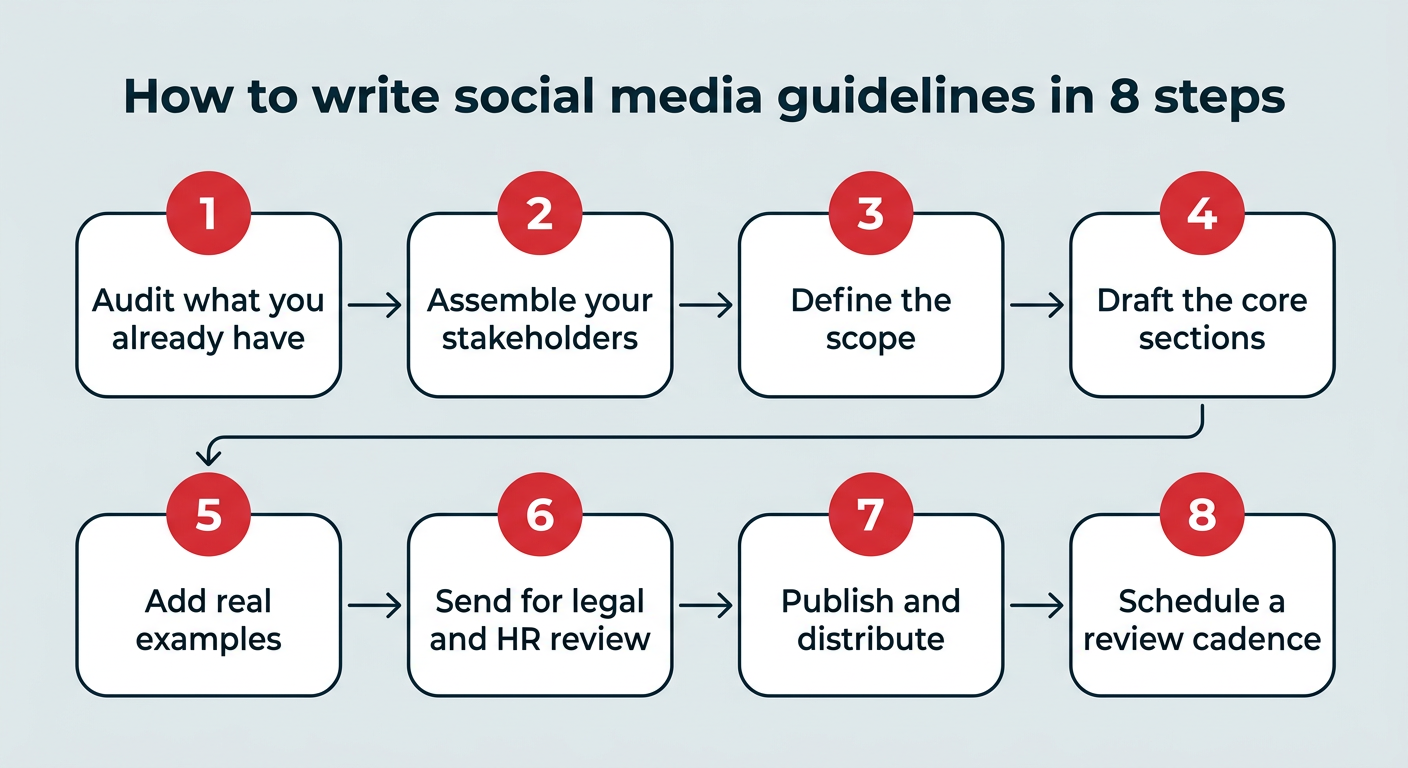
Drafting effective guidelines requires a collaborative, multi-departmental approach involving legal counsel, human resources, IT security, and communications teams. Industry best practices recommend an eight-step development cycle: auditing existing documentation, assembling key stakeholders, defining the operational scope, drafting plain-language core sections, incorporating real-world compliance examples, conducting rigorous legal reviews, publishing the document to an accessible internal hub, and establishing a recurring annual review cadence.
Ultimately, digital guidelines should be treated as living documents. As social media platforms evolve, algorithms shift, and regulatory environments change, organizations must proactively update their policies to ensure sustained alignment. By combining clear behavioral expectations with supportive technological tools, modern enterprises can successfully navigate the complexities of the digital age while empowering their workforce to engage safely and authentically online.