The Ultimate Guide to Facebook Ad Tools in 2026: Enhancing Campaigns Through AI and Automation

The digital advertising landscape has undergone a profound transformation, driven heavily by rapid advancements in artificial intelligence, evolving privacy regulations, and an increasing demand for operational efficiency. As ad delivery systems become increasingly automated—highlighted by Meta’s end-to-end AI campaigns achieving an impressive $60 billion annual run rate in 2025—marketers are forced to reconsider how they build, manage, and scale their campaigns. To maintain a competitive edge without inflating team headcounts, professionals are turning to a sophisticated ecosystem of native and third-party Facebook ad tools.

Understanding the Evolution of Facebook Ad Software
Facebook ad tools encompass a broad range of software solutions designed to streamline the creation, management, optimization, reporting, and scaling of advertising campaigns across Meta’s expansive network of applications, including Facebook, Instagram, Messenger, and WhatsApp. While native applications like Meta Ads Manager and the Meta Ad Library provide essential infrastructure, third-party platforms integrate via Meta’s API to bridge capability gaps.

Historically, advertisers relied on manual optimization, granular audience targeting, and separate tools for organic and paid content. However, stricter data privacy regulations have fundamentally altered attribution models, making precise measurement significantly more complex. Simultaneously, the proliferation of multi-network campaigns requires marketing teams to handle massive streams of data from various sources simultaneously. Consequently, ad software in 2026 is no longer viewed merely as an optional luxury; it is an essential component of modern digital marketing strategies.
Key Categories and Functional Overview of Ad Platforms
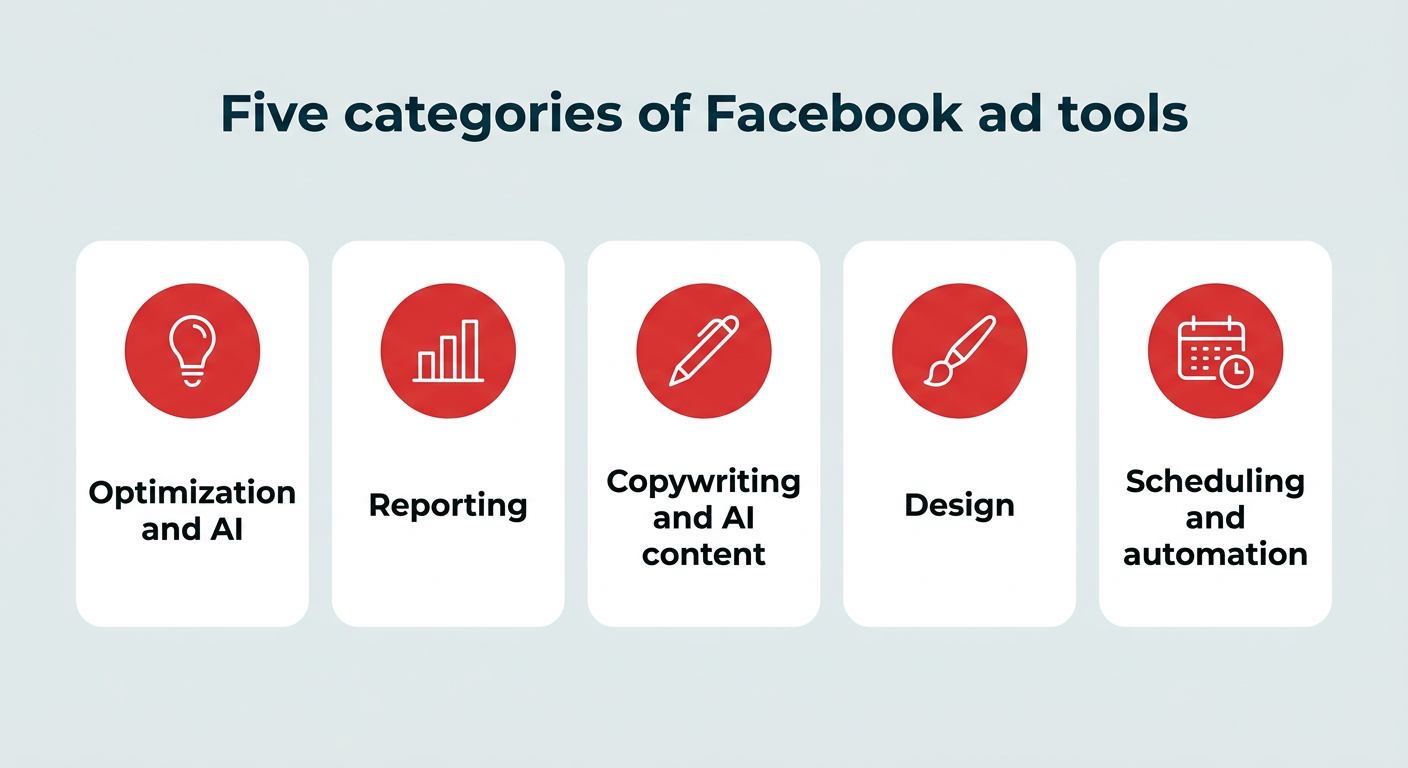
To navigate the crowded market of advertising software successfully, marketing teams must categorize tools based on their specific operational bottlenecks. Rather than purchasing overlapping software driven by feature lists, organizations evaluate tools across five primary categories: optimization and AI, reporting and analytics, copywriting and content generation, design and creative automation, and scheduling and rule-based automation.
While foundational features can often be accessed free of charge—with costs tied strictly to media spend—enterprise-grade solutions demand structured monthly investments. Consolidating disparate workflows into unified dashboards has emerged as a primary objective for agencies and brands alike, ultimately reducing the number of open tabs and disparate platforms teams must monitor daily.
Optimization and Artificial Intelligence Tools
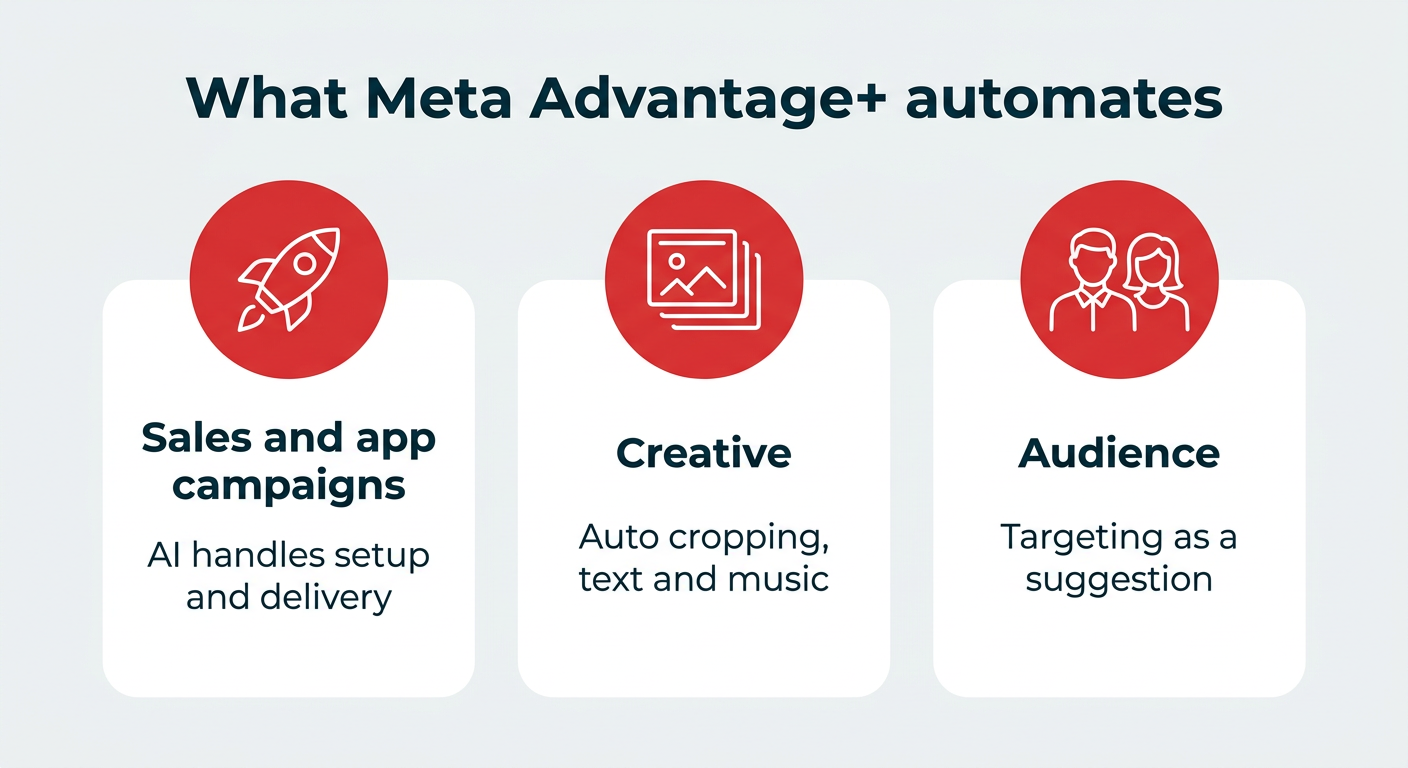
The integration of artificial intelligence into ad delivery has reshaped campaign performance. Meta’s native environment, spearheaded by the Advantage+ suite, automates large portions of audience targeting and creative adjustments. Advantage+ shopping and app campaigns allow Meta’s machine learning algorithms to steer delivery decisions, leading to documented improvements in engagement metrics, such as an average 11% higher click-through rate on generative AI-powered campaigns.
Despite the power of native tools, third-party optimization platforms provide advertisers with granular control and cross-account analysis. Solutions like Madgicx analyze deep account metrics to deliver instant, actionable recommendations tailored to specific performance thresholds. Meanwhile, retargeting platforms like Customers.ai leverage identity resolution technology to help brands recapture website traffic, though advertisers must continually vet these technologies against regional data privacy laws. Creative automation tools, such as AdCreative.ai, utilize machine learning to score visual variations prior to capital deployment, ensuring that teams prioritize high-potential assets.
Cross-Channel Reporting and Multi-Source Analytics

Accurate performance measurement remains a cornerstone of successful ad campaigns. While Meta Ads Manager offers comprehensive reporting for native metrics, businesses running omnichannel strategies often require centralized dashboards to evaluate holistic return on investment.
Platforms such as TapClicks and Funnel aggregate data from disparate advertising networks, sales databases, and web analytics tools. By normalizing mismatched field names and unifying disparate data streams, these reporting suites enable analysts to identify macro trends and optimize budgets dynamically. Although premium reporting software frequently requires significant capital investment—with enterprise solutions scaling upwards of several hundred dollars monthly—the visibility they afford prevents wasted ad spend and informs strategic pivots before campaign completion.

Content Generation and Copywriting Technologies
Developing fresh, compelling ad copy at scale is a persistent challenge for marketing departments. Generative AI tools have accelerated this process, transforming brief campaign prompts into testable variations within seconds.

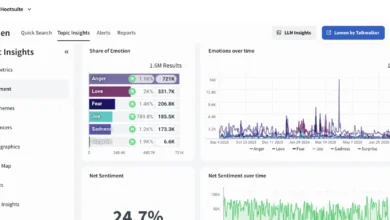
General-purpose applications like ChatGPT offer fast drafting capabilities for brainstorming and variation testing. However, specialized marketing suites—such as Wisdom by Hootsuite—integrate directly into broader social management workflows, drawing upon extensive digital marketing data to produce targeted copy. Furthermore, these tools excel at repurposing top-performing organic social content into high-converting paid advertisements, bridging the traditional gap between organic community management and paid acquisition.
Design Automation and Creative Production

Visual consistency across multiple placements is vital for brand integrity. Design platforms have evolved significantly, incorporating advanced AI capabilities to assist non-designers in producing professional assets.
Canva, utilized by hundreds of millions of monthly users globally, streamlines graphic production through shared brand kits and automated resizing tools like Magic Studio. For enterprise-level advertisers managing thousands of localized variations, specialized solutions like Smartly.io automate dynamic creative production at scale. Concurrently, competitive research tools like the Facebook Ad Library provide a transparent, searchable database of active and historical campaigns, offering invaluable insights for creative benchmarking and strategic audits.

Scheduling, Automation Rules, and Workflow Management
Executing repetitive administrative tasks manually introduces human error and inefficiency into campaign management. Automated rule engines, such as RevealBot and Adzooma, allow advertisers to establish conditional parameters—such as pausing underperforming ad sets or scaling budgets based on external triggers.

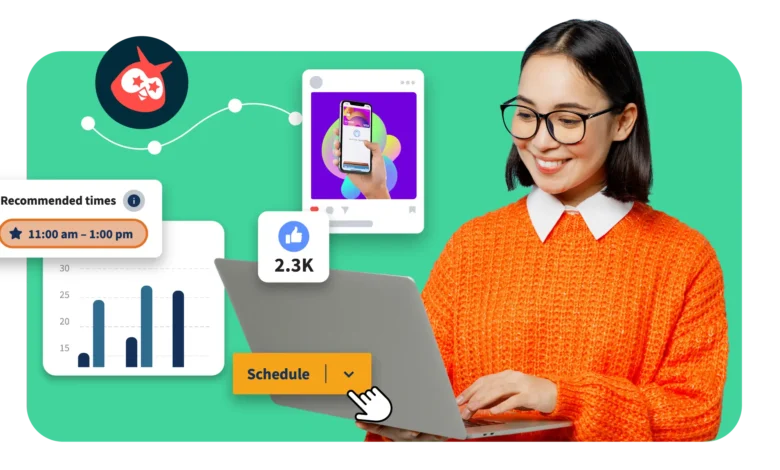
Furthermore, all-in-one operational platforms like Hootsuite Social OS unify paid and organic workflows into a single dashboard. By integrating publishing schedules, social listening, AI-assisted content creation, and cross-channel analytics, these systems eliminate departmental silos. Larger organizations benefit immensely from structured approval workflows that maintain brand compliance without stifling campaign velocity.
Strategic Implications and Future Outlook

The proliferation of advanced Facebook ad tools reflects a broader industry shift toward machine learning-driven marketing. As algorithms assume a larger role in creative distribution and audience discovery, the human element of digital advertising is pivoting from manual execution to strategic oversight, creative direction, and data interpretation.
Organizations that successfully consolidate their tech stacks, leverage cross-channel analytics, and adopt AI-driven optimization are well-positioned to maximize their media investments. Ultimately, the integration of specialized ad tools serves a singular, crucial purpose: reducing operational friction, enhancing data visibility, and driving sustainable business growth in an increasingly competitive digital marketplace.
Related posts: