Query Fan-Out: The Hidden Mechanism Dictating AI Visibility and Content Strategy in the Age of LLMs

In an evolving digital landscape, achieving prime visibility for online content is undergoing a fundamental transformation. While securing a top ranking on Google’s traditional search results page has long been the gold standard for digital marketers, this position no longer guarantees equivalent prominence within the burgeoning realm of Large Language Models (LLMs) such as ChatGPT and Perplexity. This disjunction can be attributed to a sophisticated background process known as "query fan-out," a mechanism that fundamentally reshapes how AI systems construct answers and, consequently, how content creators must adapt their strategies.
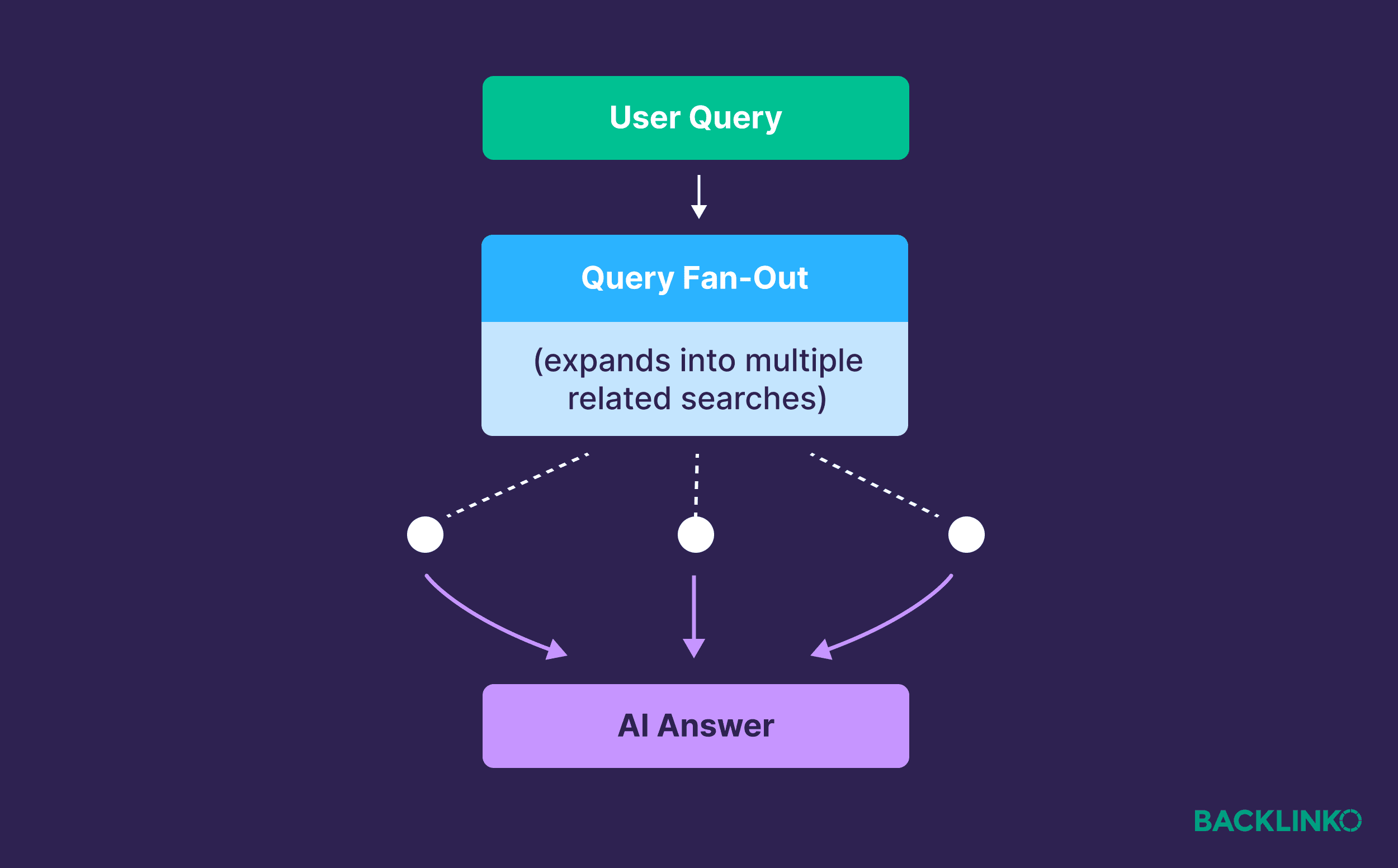
Understanding Query Fan-Out: The AI’s Deeper Dive
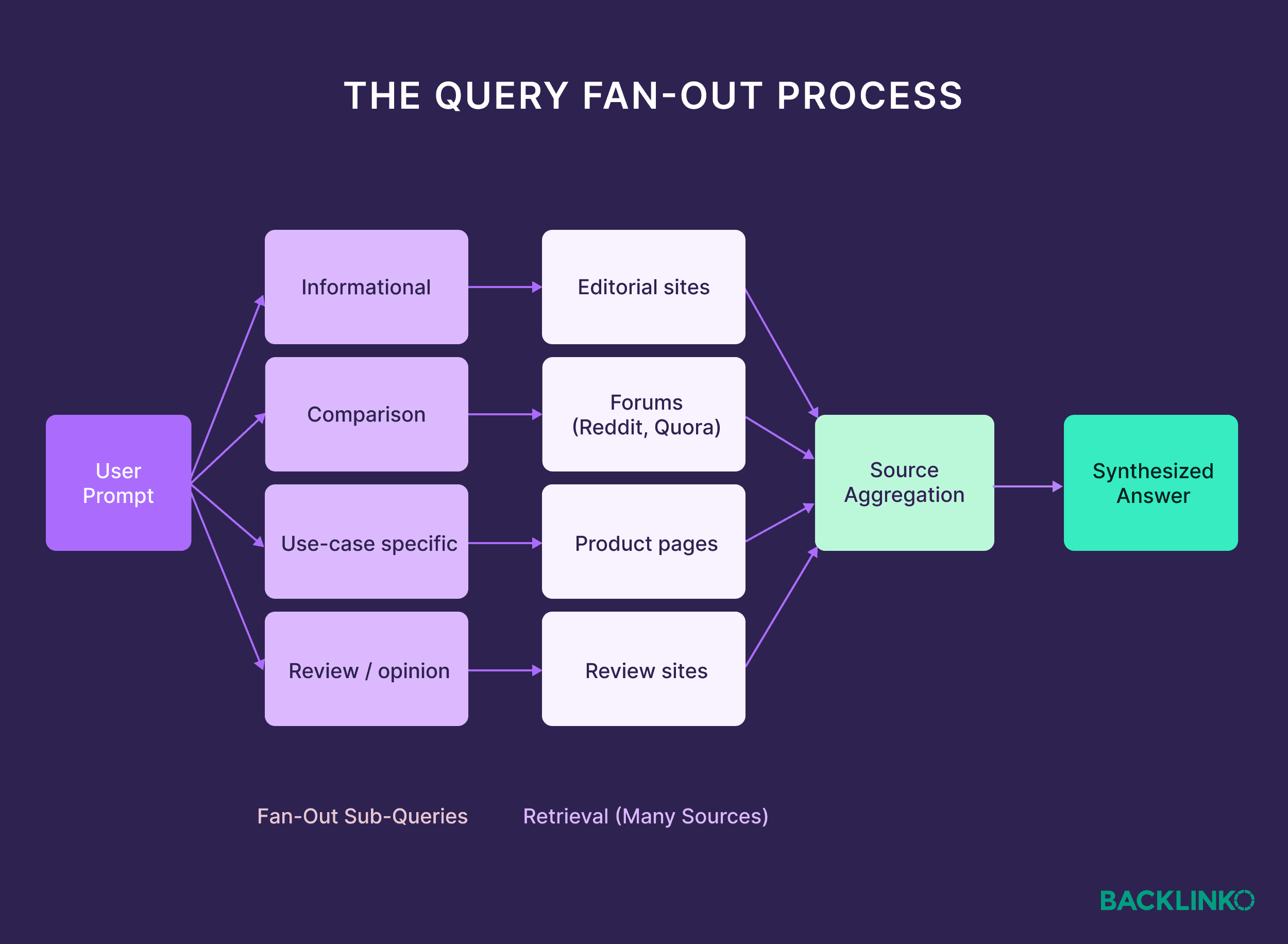
Query fan-out is an intricate process employed by AI search systems to dissect a singular user query into a multitude of interconnected sub-queries, thereby facilitating the construction of a more comprehensive and contextually rich response. Instead of merely retrieving the single best-ranking page for an initial query, AI models "fan out" the request, initiating a series of related, granular searches. These sub-queries are designed to explore various facets of the original topic, drawing information from a diverse array of sources – including editorial websites, community forums like Reddit, and detailed product pages – irrespective of their conventional search engine ranking. The ultimate goal is to synthesize these disparate findings into a single, holistic answer that anticipates and addresses the user’s broader informational needs.
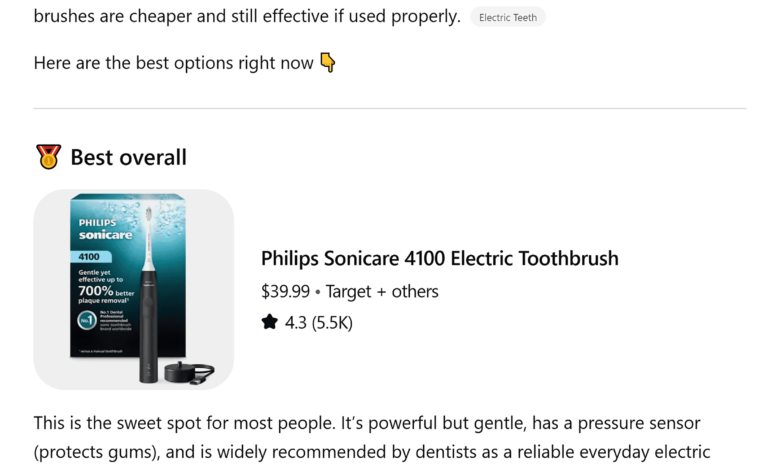
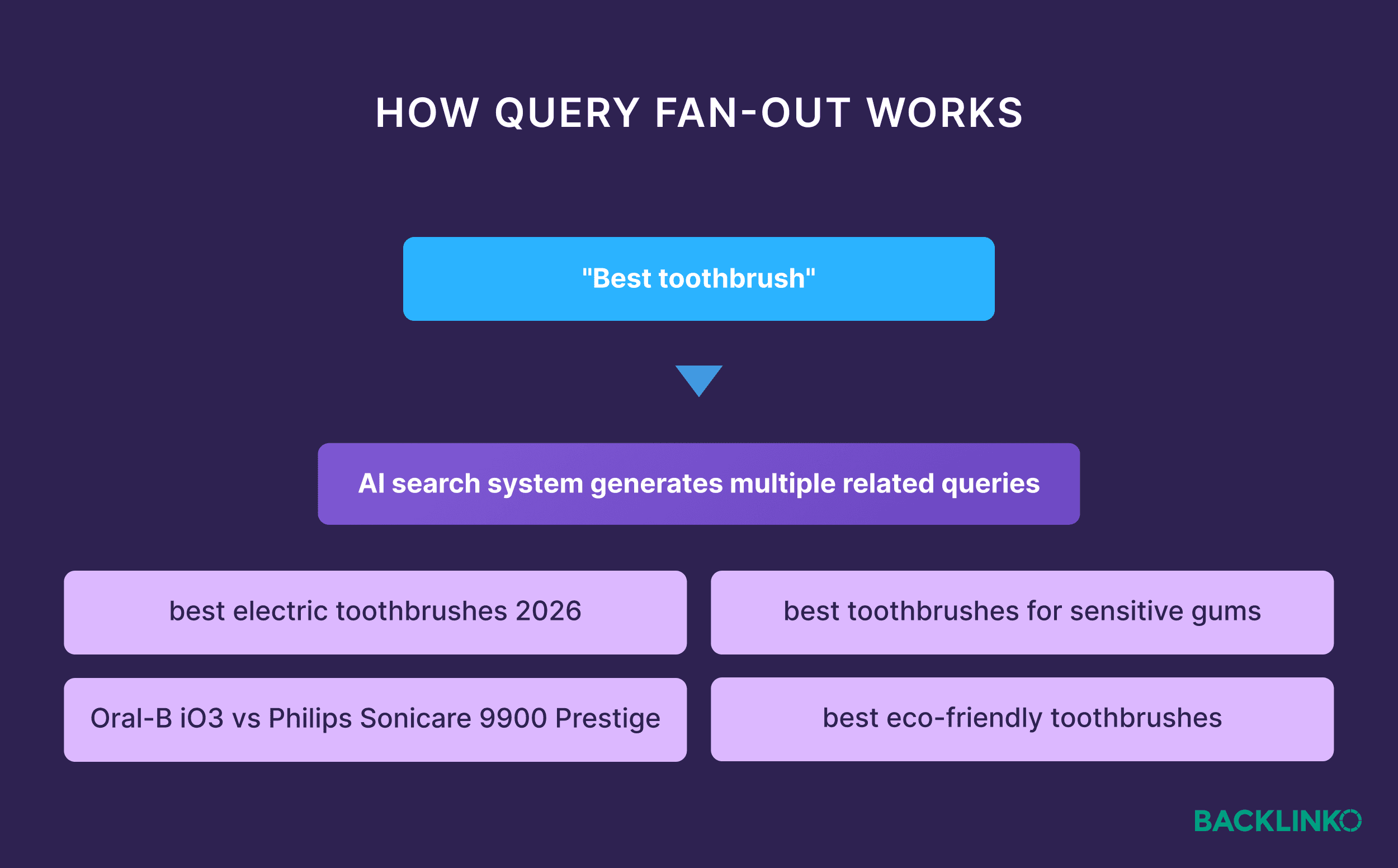
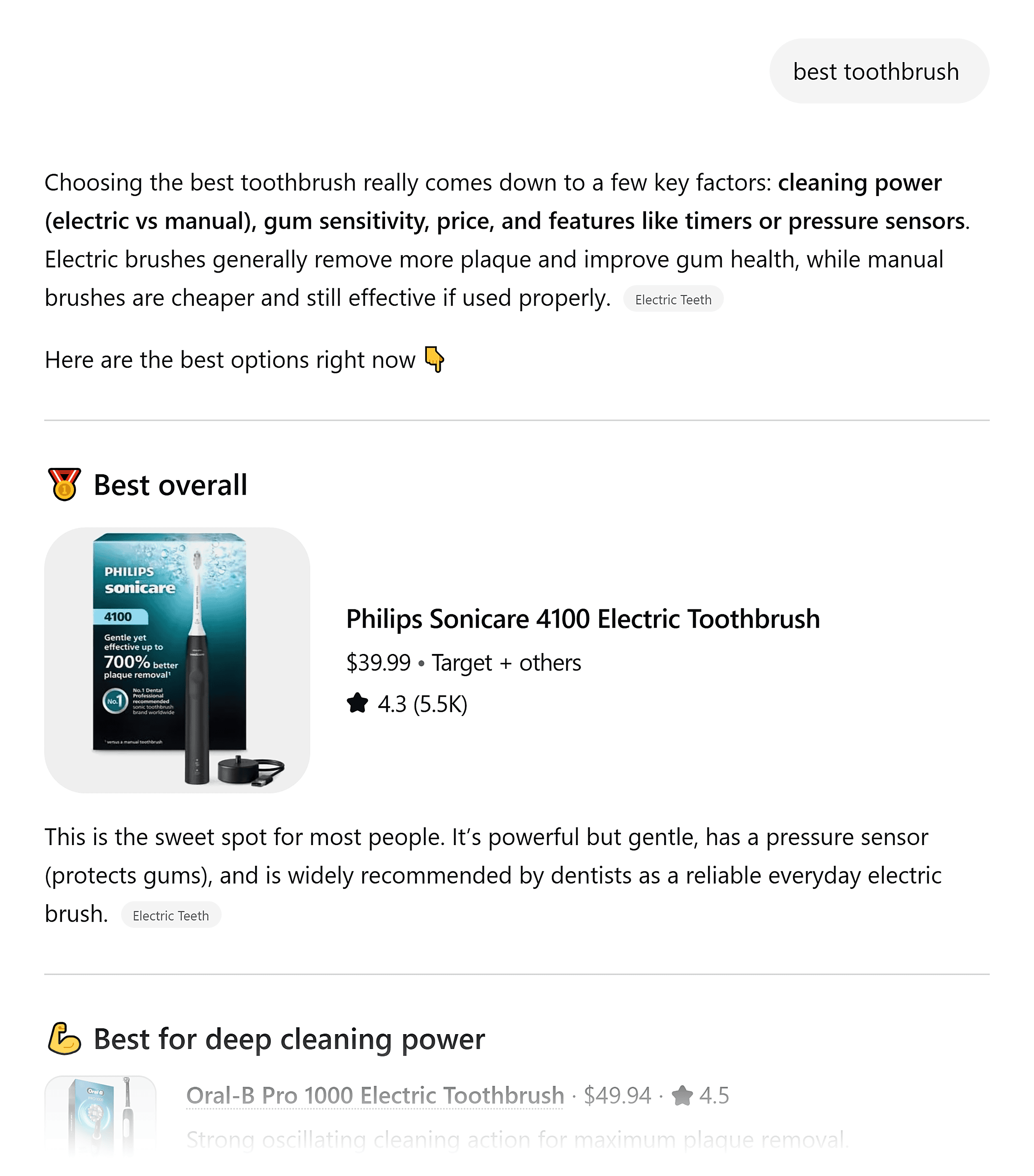
For instance, a seemingly simple query such as "best toothbrush" might trigger a complex fan-out process. The AI wouldn’t just look for pages titled "best toothbrush reviews." Instead, it could generate sub-queries like "best electric toothbrushes [current year]," "best toothbrushes for sensitive gums," "Oral-B vs. Philips Sonicare comparison," or "eco-friendly toothbrush options." Each of these sub-queries contributes a specific angle to the final AI-generated response:
- "Best electric toothbrushes": Provides top-rated selections and general consensus from expert reviews.
- "Best toothbrushes for sensitive gums": Offers use-case specific recommendations, catering to a particular user need.
- "Oral-B vs. Philips Sonicare": Supplies head-to-head comparison data, assisting in decision-making.
- "Best eco-friendly toothbrushes": Introduces value-based considerations and pricing information.
By executing these layered searches, the AI constructs a multi-dimensional answer that encompasses top product picks, price ranges, specialized use-case breakdowns, and direct comparisons. This anticipatory approach allows the AI to fulfill the user’s potential requirements, even when the initial prompt was brief and seemingly straightforward.
It is crucial to clarify what query fan-out is not. It is not merely a traditional keyword search, nor is it simply semantic search, which focuses on the meaning behind keywords. Furthermore, it differs from personalized search results, which tailor outcomes based on user history. Instead, query fan-out is a proactive, algorithmic expansion of a query’s scope, designed to ensure comprehensive and authoritative answers.
The Paradigm Shift: Why Query Fan-Out Matters for AI Visibility
The advent of query fan-out necessitates a significant re-evaluation of established content strategies for digital visibility. Several key shifts underscore its importance:
-
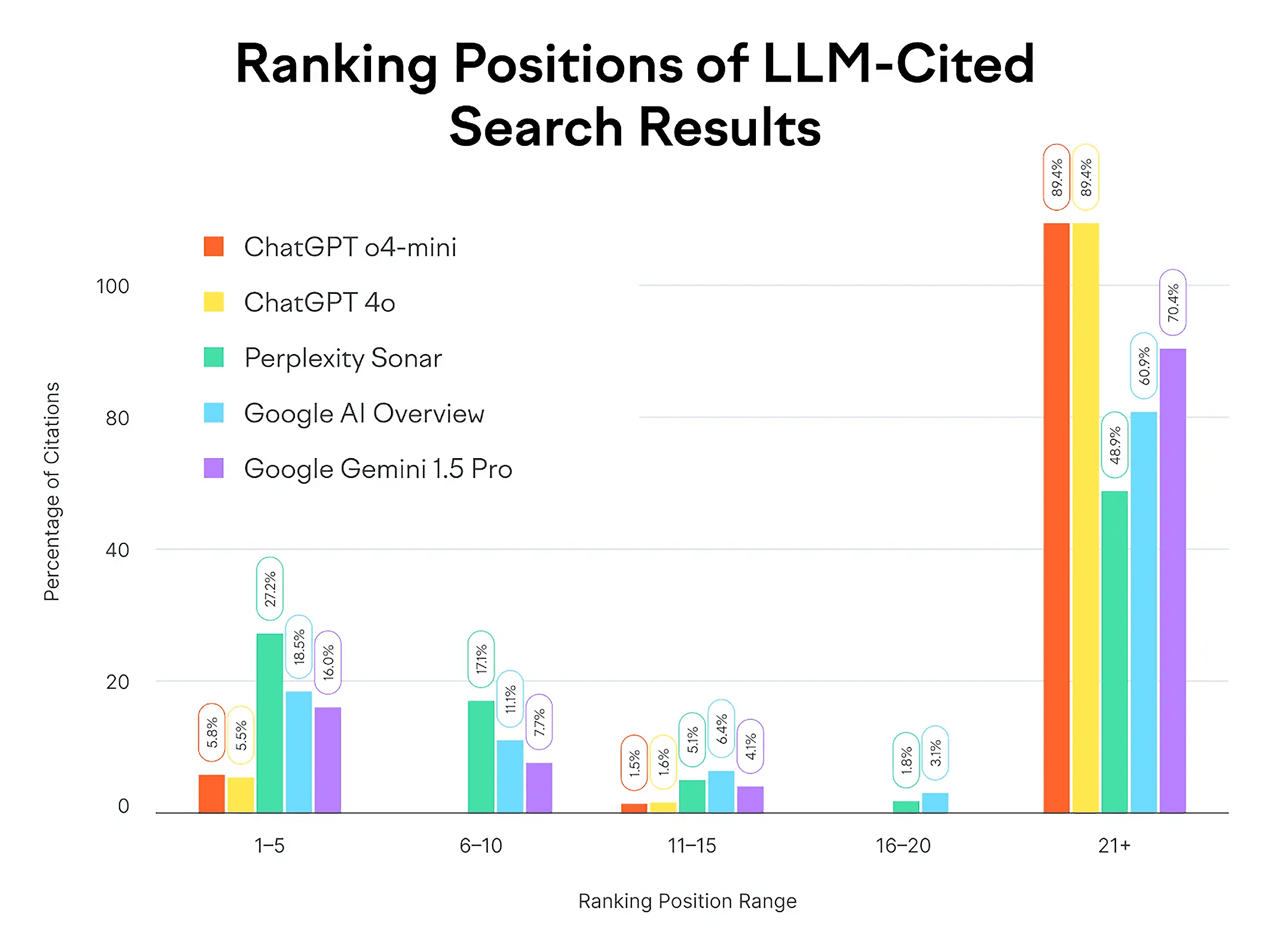
Top Rankings Don’t Guarantee AI Citations: A critical revelation for SEO professionals is that a high ranking on traditional search engine results pages (SERPs) does not automatically translate into citations from LLMs. Research conducted by Semrush indicates that ChatGPT, for example, cites pages ranked 21st or lower almost 90% of the time. This pattern is mirrored in other AI-powered search interfaces like Perplexity and Google’s own AI features. The AI prioritizes the most relevant and complete source for each specific sub-query, irrespective of its overall page ranking. This emphasizes that content quality and directness of answers are more valuable than mere positional authority.
-
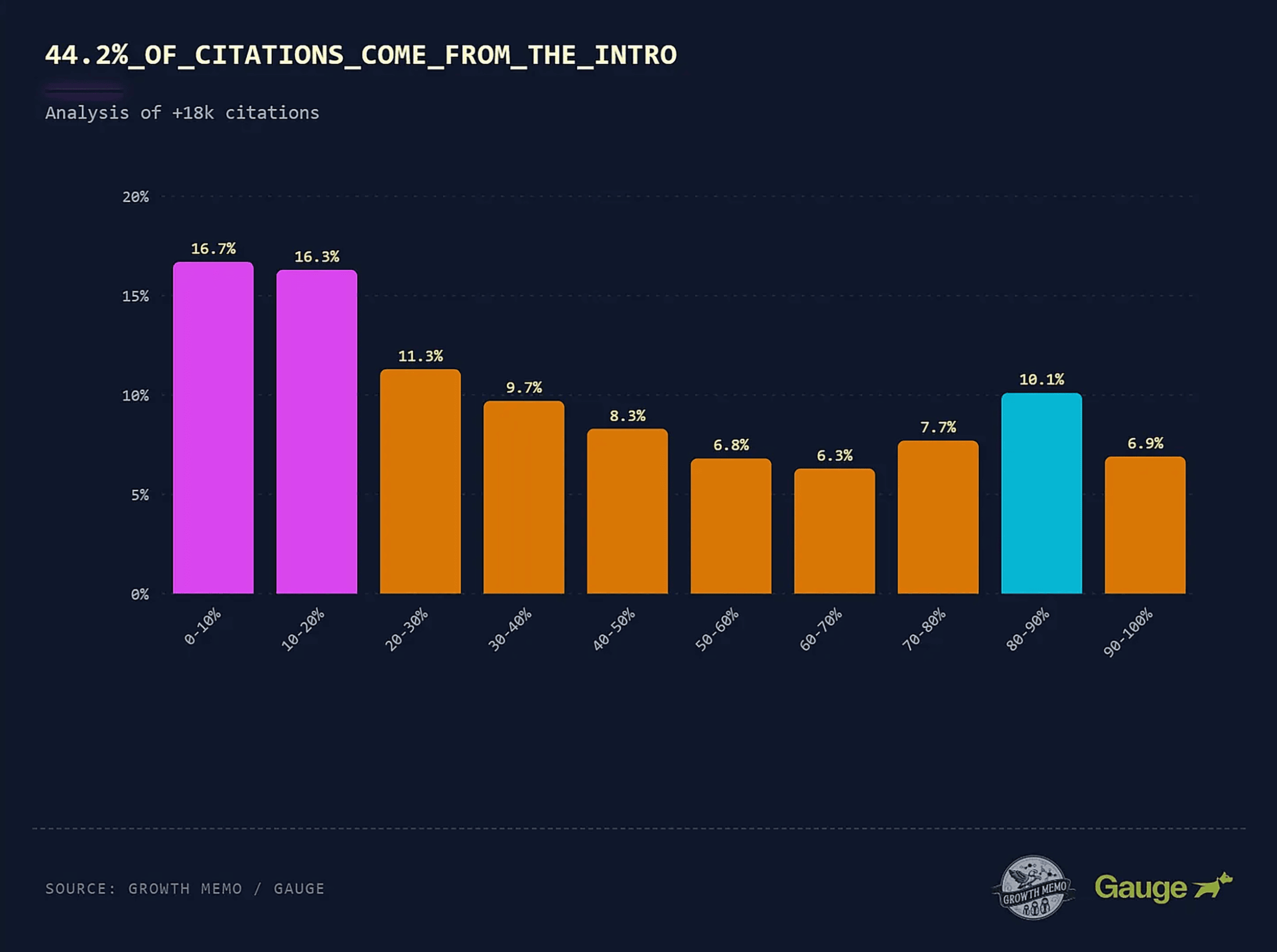
AI Retrieves Passages, Not Entire Pages: Unlike traditional search engines that often direct users to a full webpage, AI systems are designed to scan content, identify, and synthesize the precise passage that directly addresses a sub-query. This means that the location of information within a page becomes paramount. Data analyzed by growth advisor Kevin Indig, examining 1.2 million ChatGPT responses, reveals that 44.2% of citations originate from the first 30% of a page, with 31.1% from the middle and only 24.7% from the final third. This finding strongly suggests that answering questions early and concisely within content significantly increases the likelihood of being extracted and cited by AI.
-
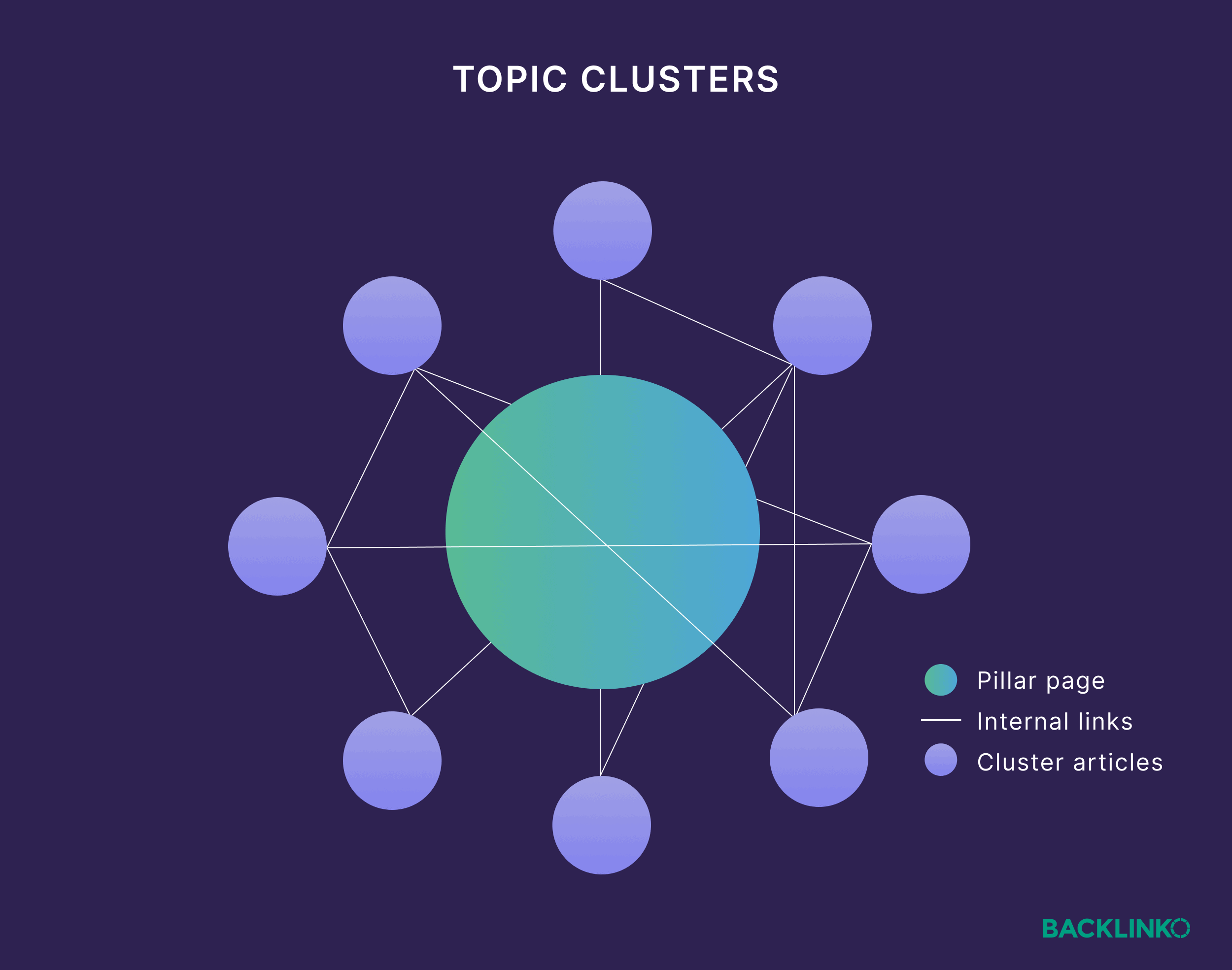
Competition Spans Entire Topics, Not Just Keywords: Traditional SEO often fixates on optimizing for individual keywords. However, query fan-out shifts the focus to comprehensive topic coverage. AI’s ability to generate numerous related sub-queries means that a website’s overall authority and breadth of content around a given topic become crucial. This reinforces the value of content strategies centered around "pillar pages" and "topic clusters," where a central, authoritative piece of content is supported by a network of interconnected, in-depth articles covering related sub-topics. Such a structure allows an AI to find comprehensive answers across a wide range of sub-queries, consolidating a brand’s authority.
-
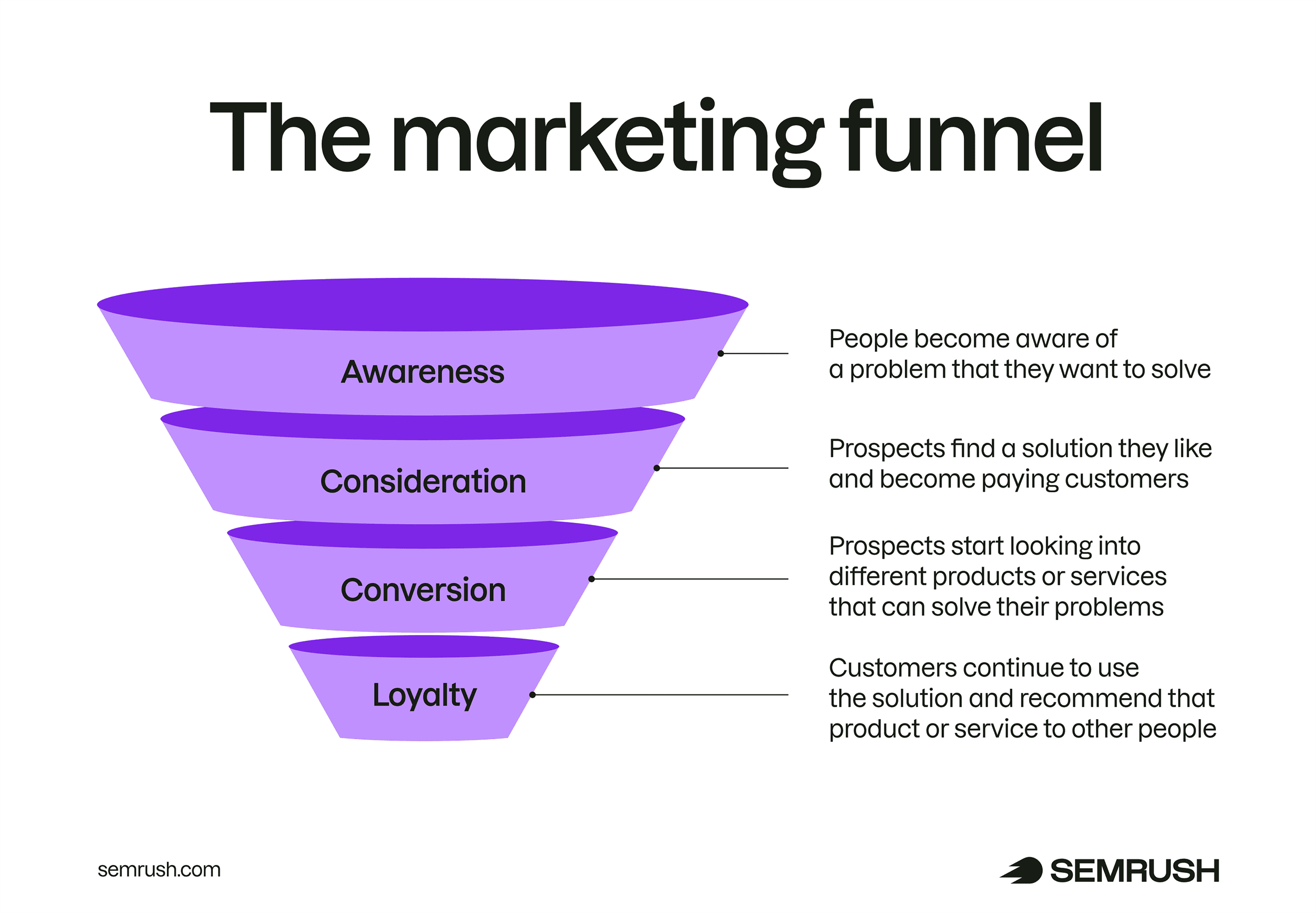
Query Fan-Out Collapses the Buying Journey: Historically, marketing funnels segmented content into distinct stages: awareness, consideration, and decision. Content was tailored to each stage, guiding users linearly. With AI, these stages often collapse into a single interaction. A user’s high-intent prompt can trigger an AI to fan out into sub-queries that cover informational (awareness), comparative (consideration), and specific purchasing details (decision) all at once. This means content must be equipped to serve the full funnel simultaneously, offering diverse answers within a single, accessible repository. Brands must ensure their content provides robust information for every stage of a potential customer’s journey, from initial curiosity to final purchase decision.
Strategic Adaptation: The Query Fan-Out Workflow
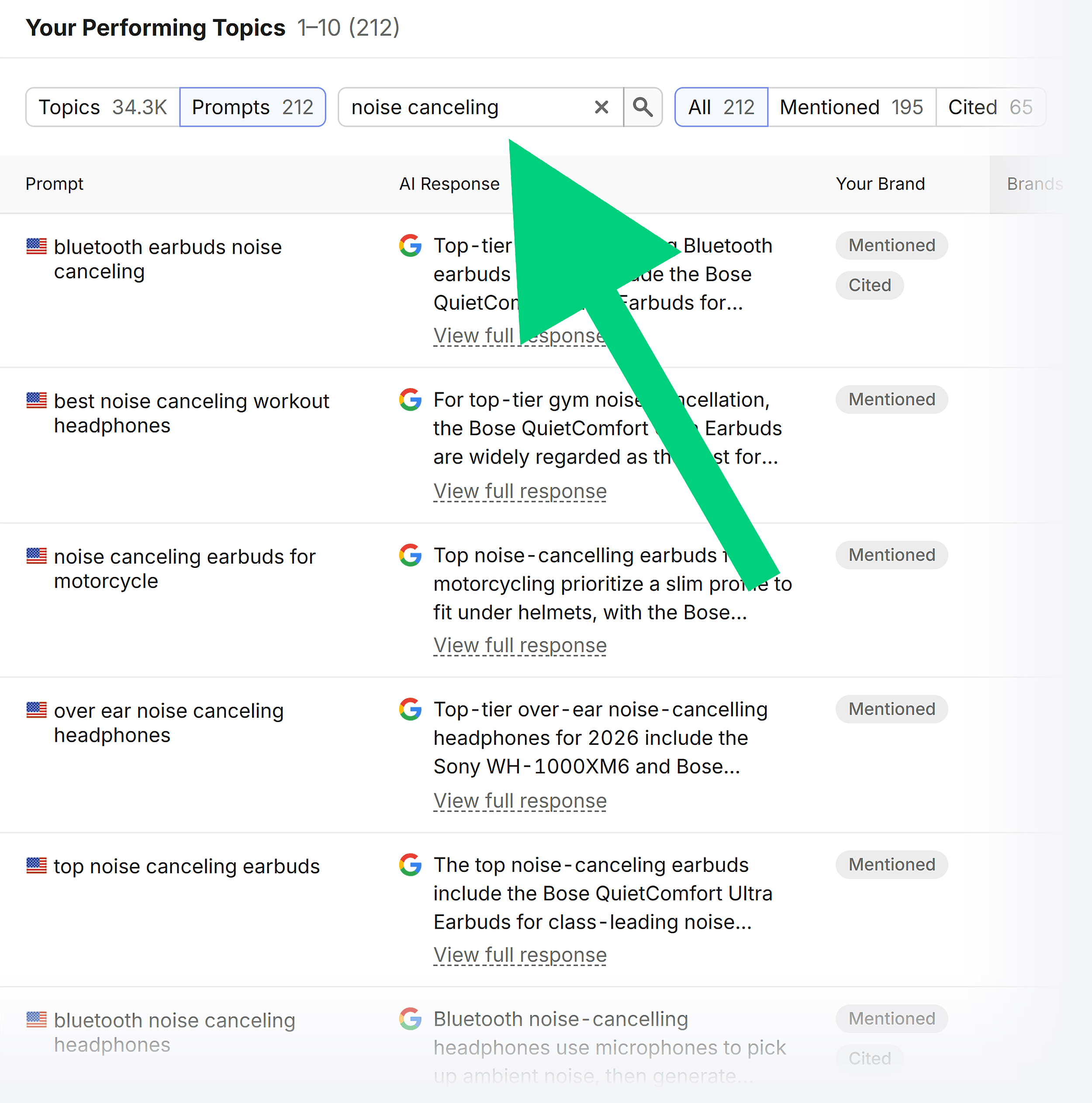
To effectively navigate this new AI-driven search paradigm and enhance AI visibility, content strategists must adopt a methodical, six-step workflow:
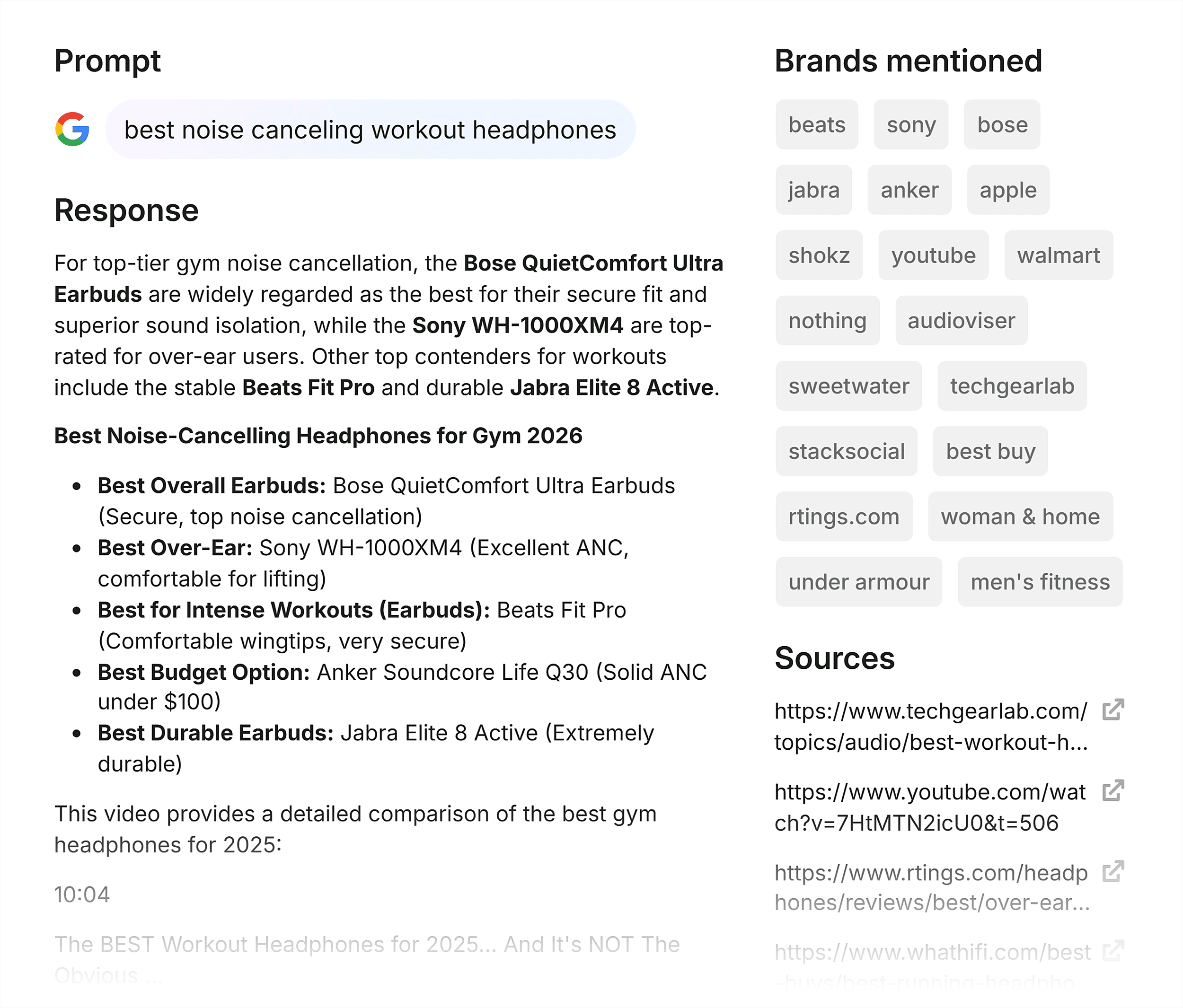
Step 1: Identify "Money Prompts"
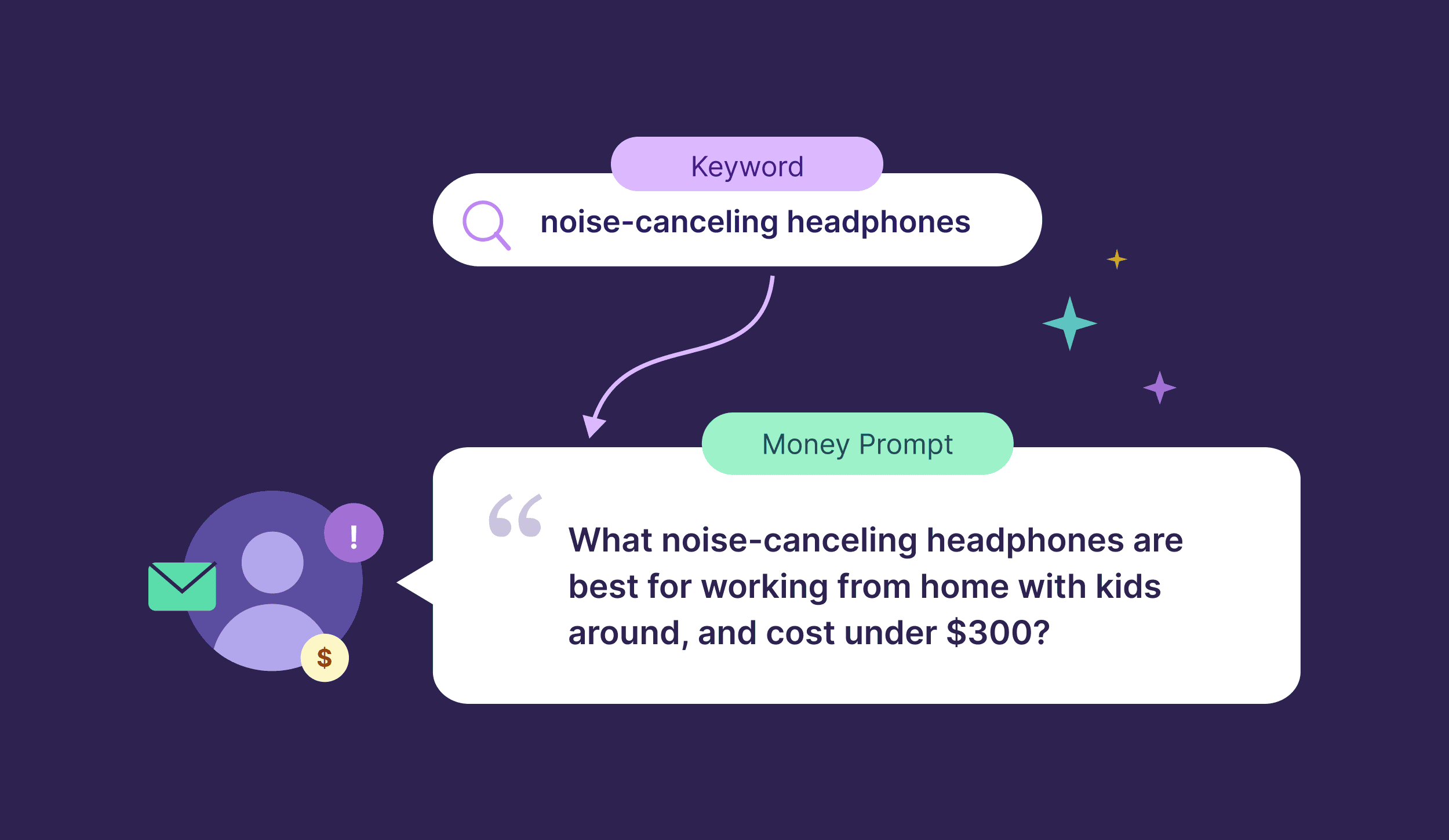
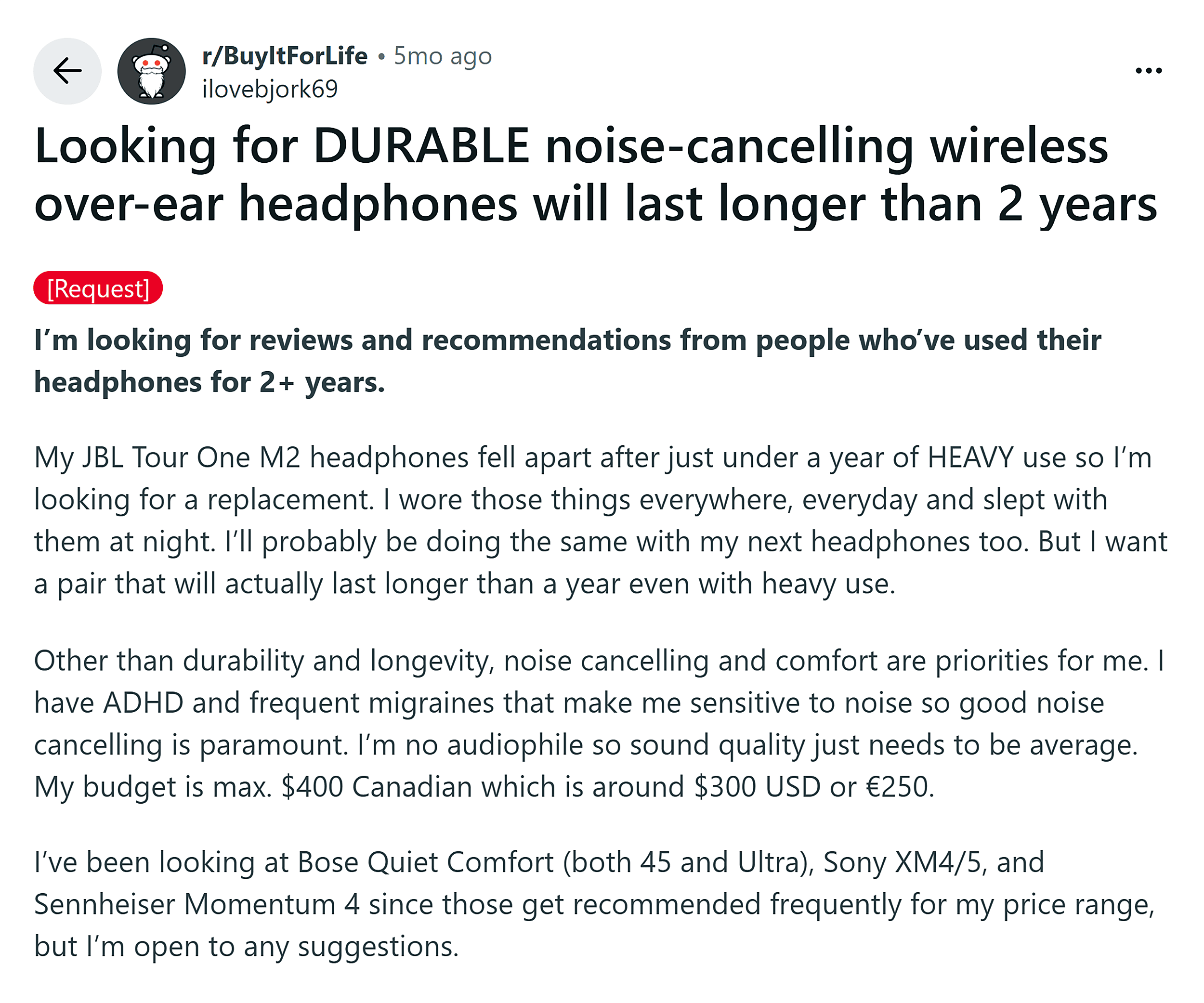
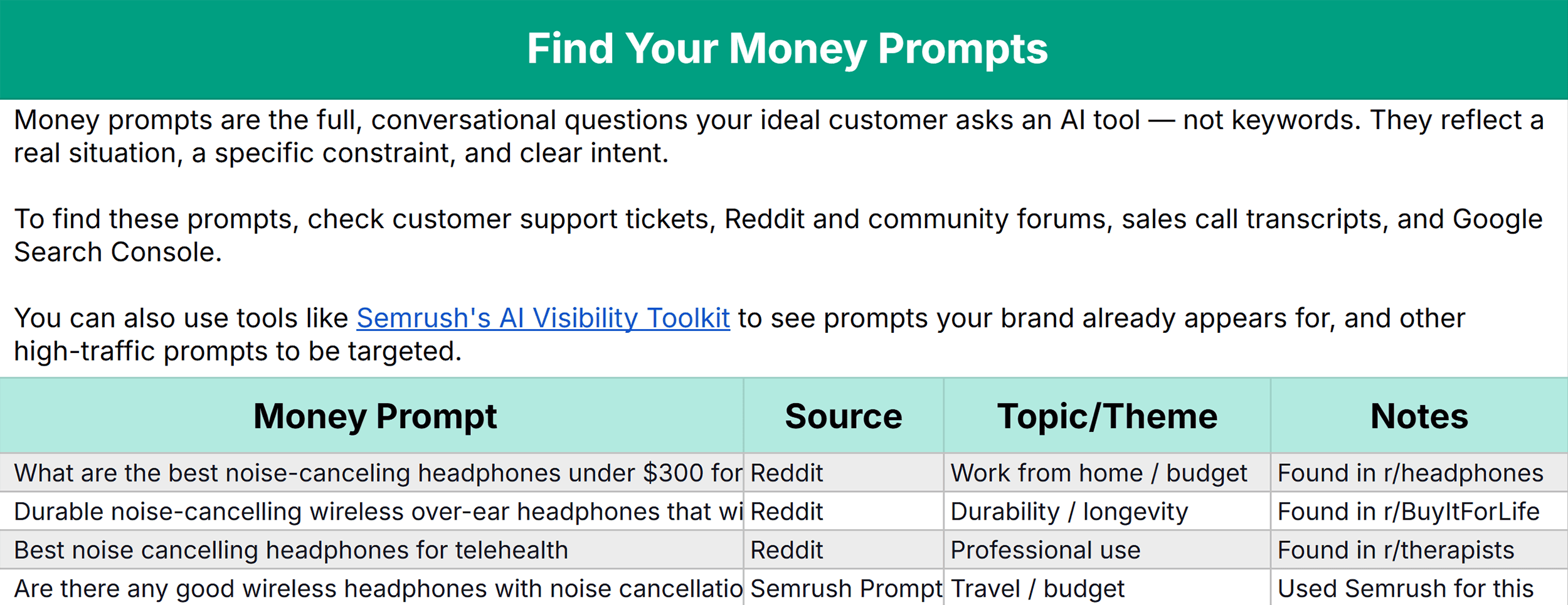
Money prompts are conversational phrases or questions that an ideal customer would pose to an AI tool when seeking solutions to problems that a product or service addresses. These are the AI SEO equivalents of high-commercial-intent keywords, directly linked to potential sales or conversions. Money prompts are typically specific, problem-oriented, and indicate a strong intent to act. Examples include "best noise-canceling headphones for working from home with kids under $300" or "durable noise-canceling headphones that last longer than 2 years."
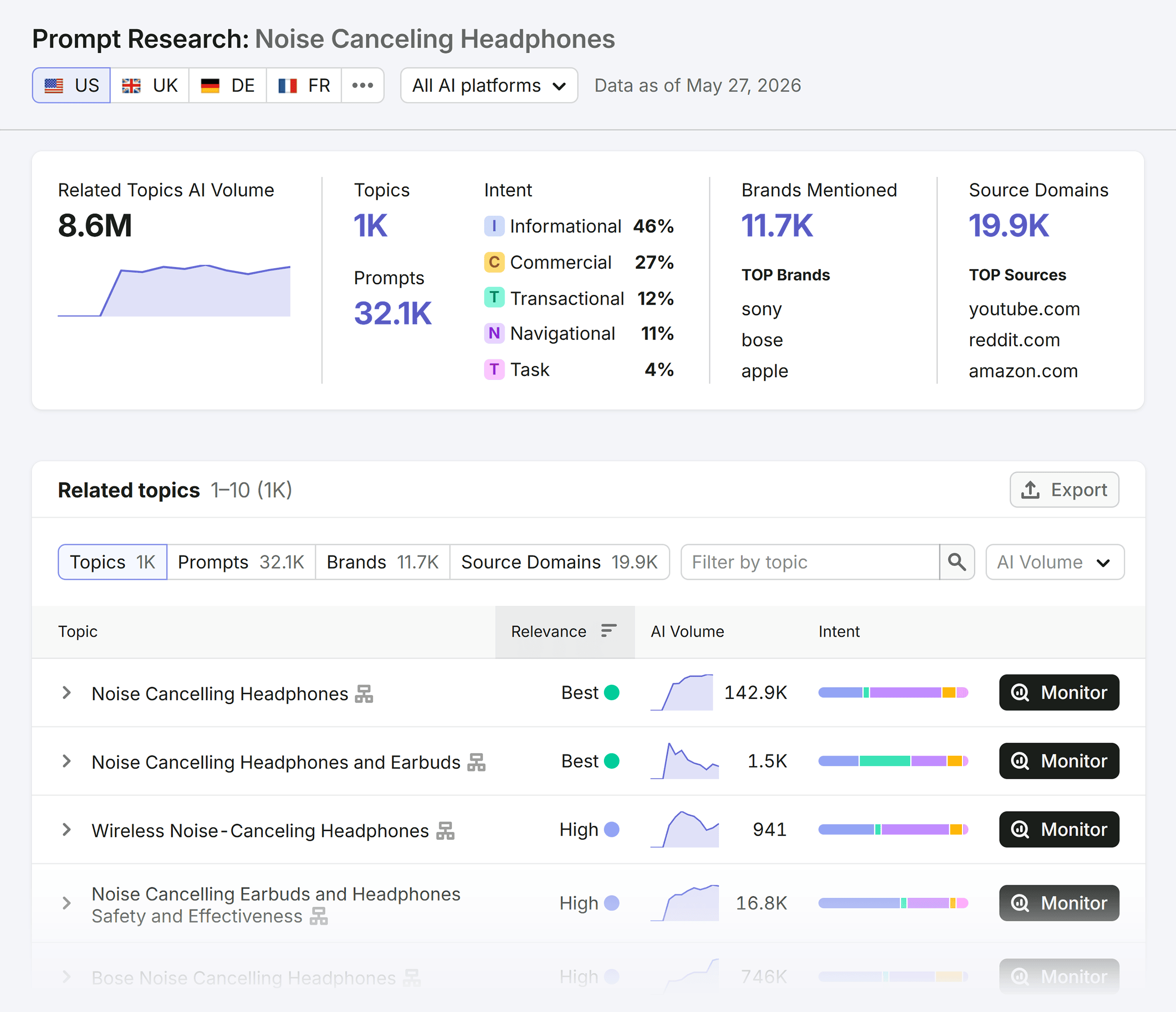
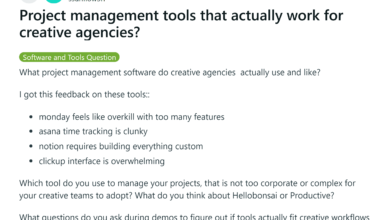
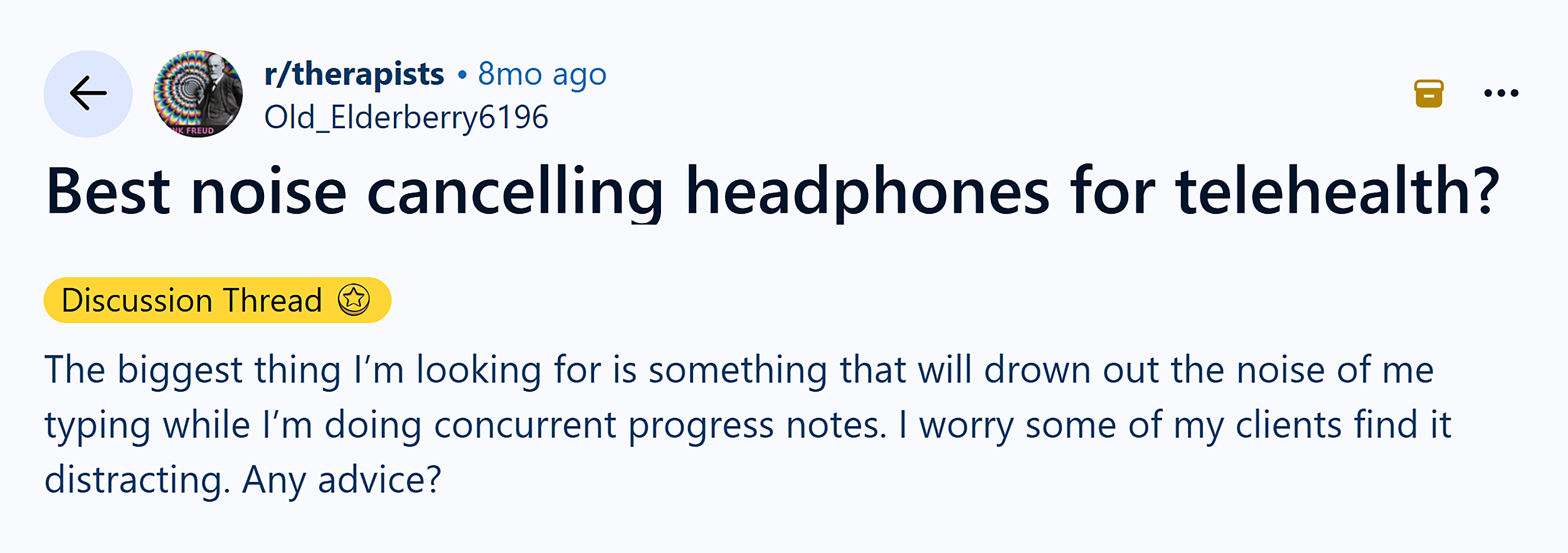
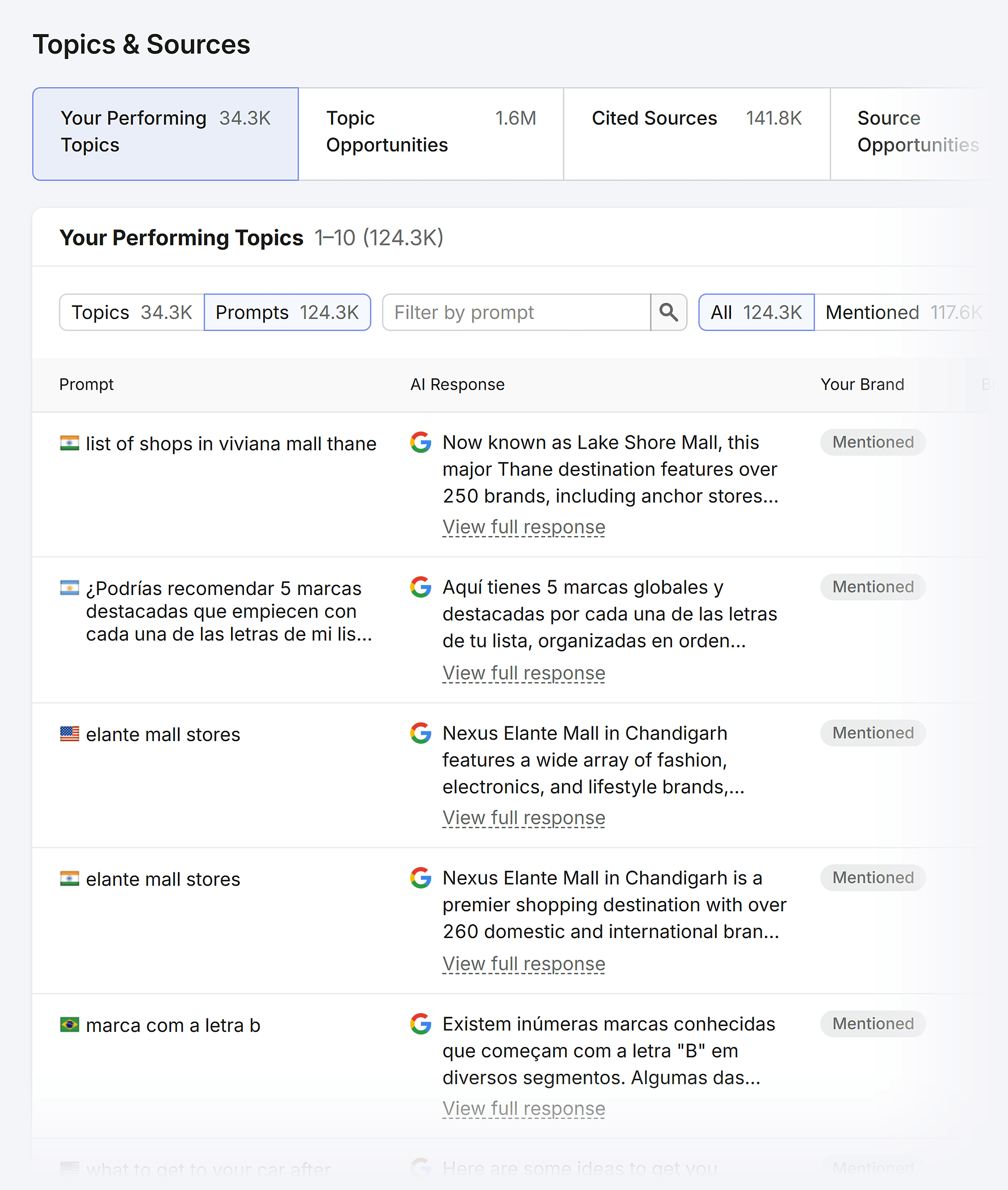
Identifying these prompts requires listening to the audience where they naturally express needs. Online forums like Reddit, customer service transcripts, and product reviews are excellent starting points. Specialized tools, such as Semrush’s AI Visibility Toolkit, are invaluable here. By analyzing a brand’s domain, the toolkit reveals prompts where the brand already appears in AI answers, providing a baseline for high-priority "money prompts." For brands without existing AI visibility, the Prompt Research tool helps uncover industry-relevant prompts generating the most AI results.
Step 2: Generate Your Fan-Out Set
Once money prompts are identified, the next step is to understand the full spectrum of sub-queries they generate. This can be done manually or with dedicated tools.
For manual generation, a simple prompt like "Act as an AI system and break down this query into all possible sub-queries, categorizing them by query type: ‘[Your Money Prompt]’" can be used in any LLM. This will yield sub-queries grouped into categories such as:
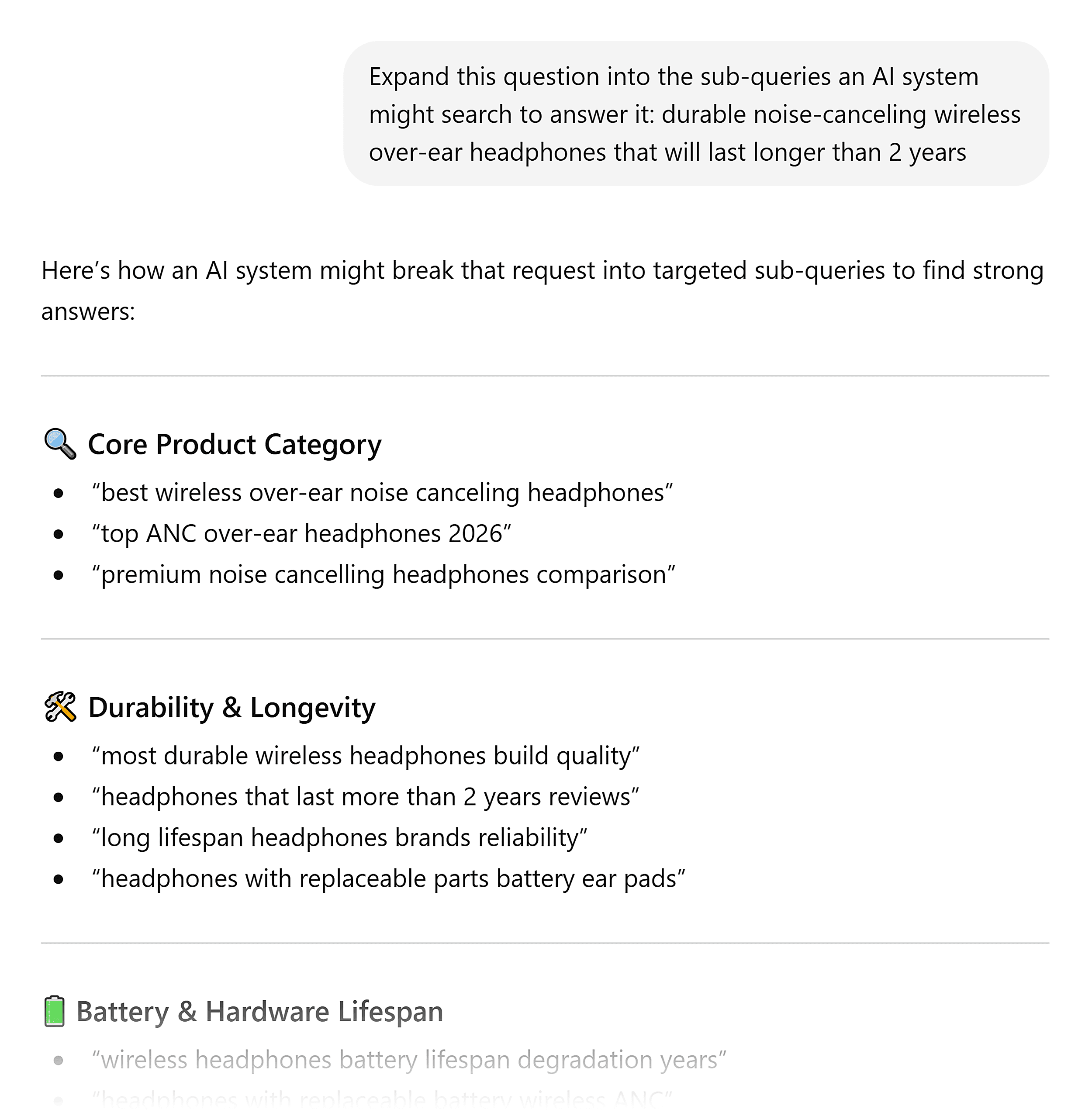
- Reformulation: A rephrased version of the original query.
- Comparative: Queries pitting two or more options against each other.
- Implicit: Addressing unstated user needs or assumptions.
- Personalized: Tailored to specific situations, constraints, or preferences.
- Entity expansion: Delving into specific brands, products, or individuals mentioned.
- Related: Connected topics the AI anticipates the user might explore next.
Running prompts through multiple AI platforms is recommended, as each may expand queries differently. For a more efficient approach, tools like Backlinko’s ChatGPT Query Fan-Out Tool (a Chrome extension) can capture real-time sub-queries generated by ChatGPT, categorizing them and providing search volumes and difficulty scores.
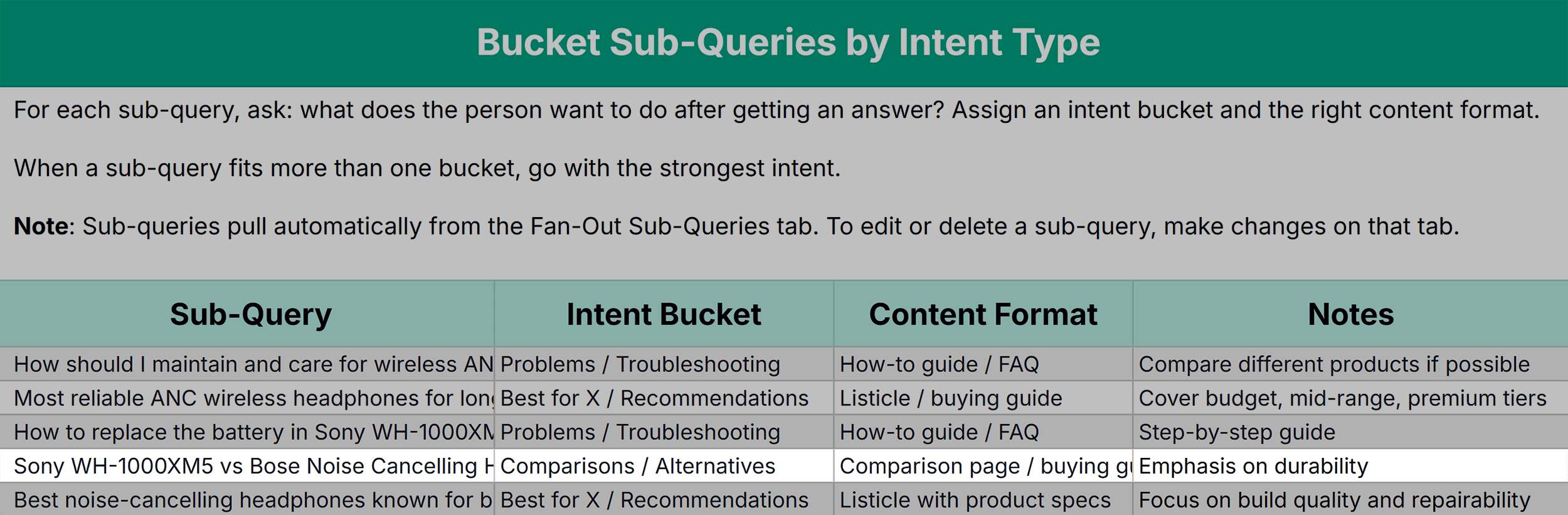
Step 3: Bucket Sub-Queries by Intent Type
Categorizing sub-queries by user intent is crucial for determining the appropriate content format and strategy. The core question to ask is: "What does the user genuinely intend to do after receiving an answer to this sub-query?"
For instance, "Sony vs. Bose Noise Canceling Headphones" clearly indicates a "comparison" intent, necessitating a head-to-head comparison page or a structured comparison table. Common intent buckets and their corresponding content formats include:
- Definitions/Basics: "What is X? How does X work?" (Explainer articles, glossary sections).
- Comparisons/Alternatives: "X vs. Y, alternatives to X" (Comparison pages, dedicated sections).
- Best for X/Recommendations: "Best option for a specific use case" (Listicles, buying guides).
- Problems/Troubleshooting: "How to fix X, why does X happen" (How-to guides, FAQ sections).
- Pricing/Value: "How much does X cost, is X worth it" (Pricing pages, value comparison sections).
- Social Proof/Discussions: "Reviews, Reddit opinions, user experience" (Review roundups, user feedback sections).
Some sub-queries might fit multiple buckets, in which case the strongest underlying intent should guide categorization.
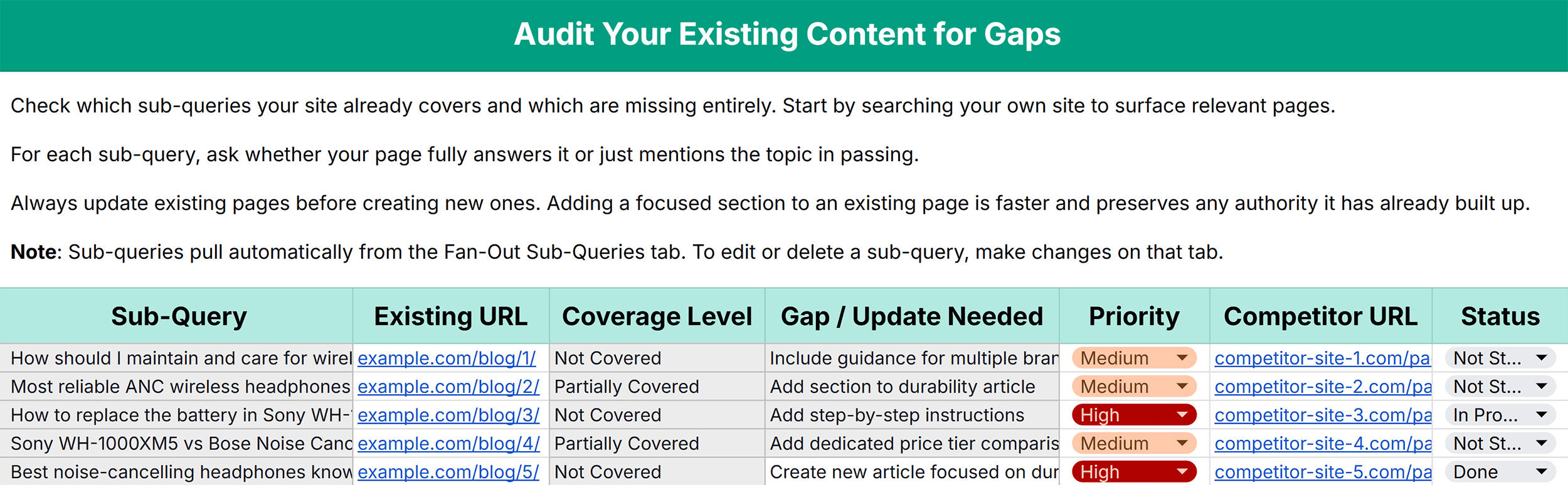
Step 4: Audit Your Existing Content for Gaps
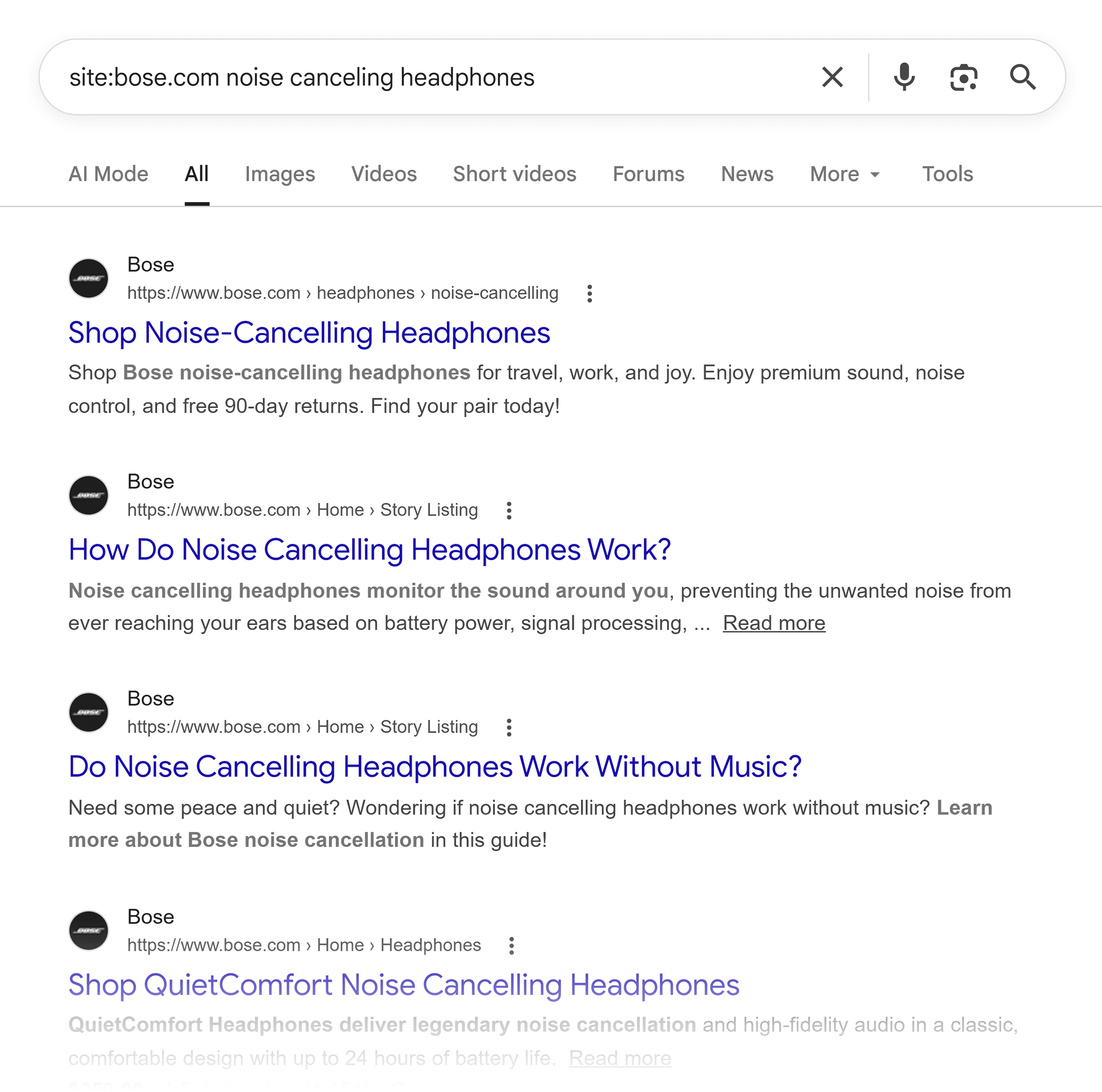
With sub-queries categorized, the next step is to assess current content. Use "site:yourdomain.com [sub-query topic]" on Google to find relevant pages. Evaluate each page against its corresponding sub-query based on three coverage levels:
- Not covered: No existing content addresses the sub-query. This signifies a need for new, dedicated content.
- Partially covered: The topic is mentioned but not fully resolved or presented as a standalone answer. These pages require adding dedicated, self-contained sections.
- Fully covered: A specific section or page completely answers the sub-query, extractable by AI without external context. These pages should be monitored and regularly updated.
Additionally, competitive analysis is vital. Using AI platforms or tools like Semrush’s AI Visibility Toolkit, identify competitors cited for your target money prompts. If your brand is already mentioned alongside competitors, reinforce that content. If not, prioritize closing those content gaps to capture AI visibility.
Step 5: Structure Your Content for AI Extraction
Creating the right content is only half the battle; it must also be easily discoverable and parsable by AI.
- Address Gaps: Develop new pages for "not covered" sub-queries and add self-contained answers to "partially covered" pages.
- Front-Load Answers: Place direct answers to potential sub-queries early in your content.
- Use Descriptive Subheadings: Employ clear, question-based subheadings (H2, H3) that directly mirror anticipated sub-queries.
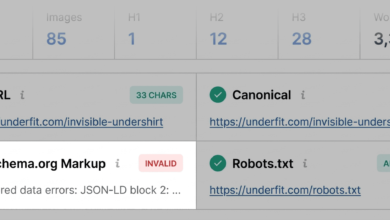
- Utilize Structured Data: Implement schema markup where appropriate to help AI understand the context and nature of your content.
- Employ Scannable Elements: Use bullet points, numbered lists, tables, and short paragraphs to make information digestible and easily extractable.
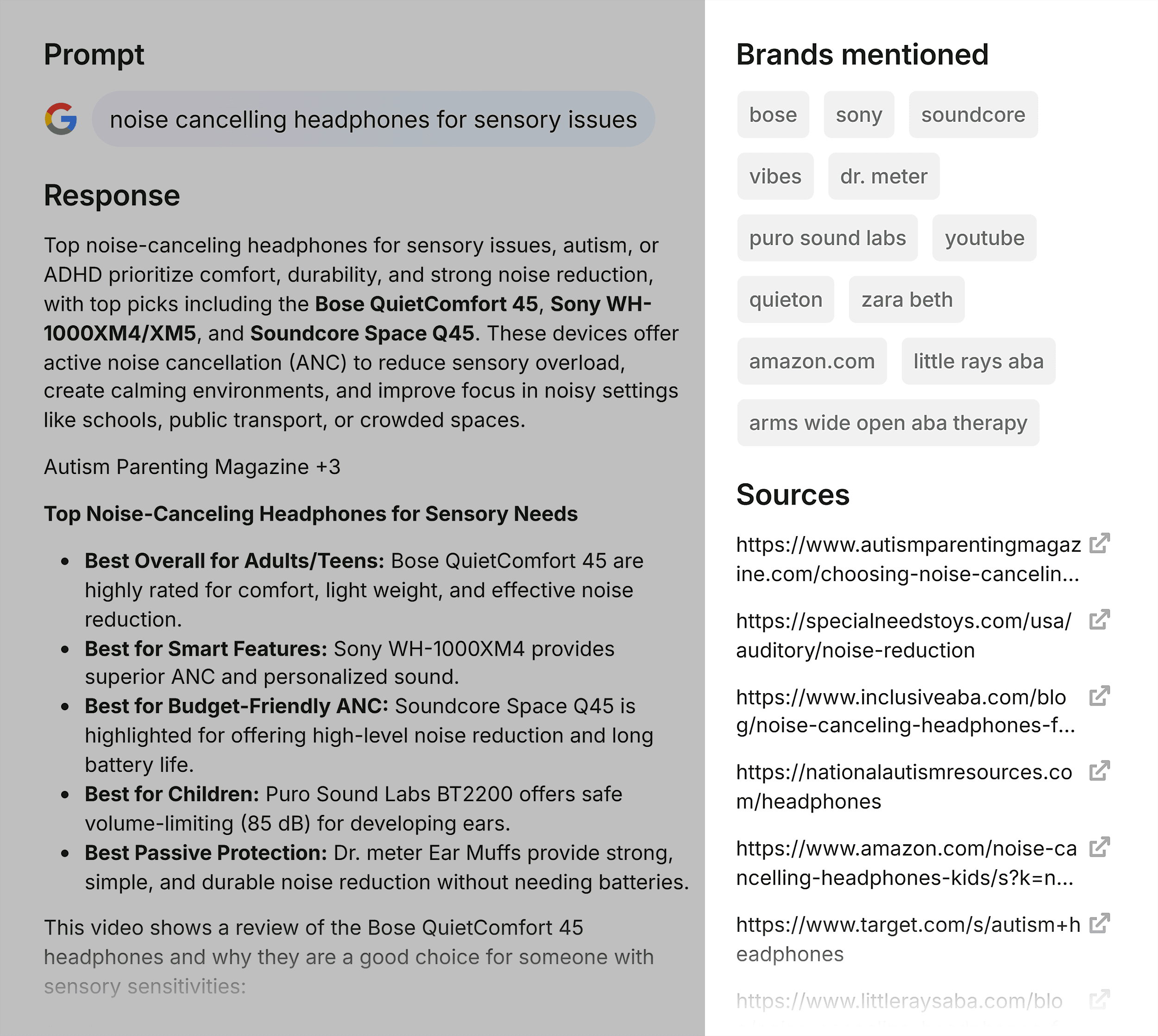
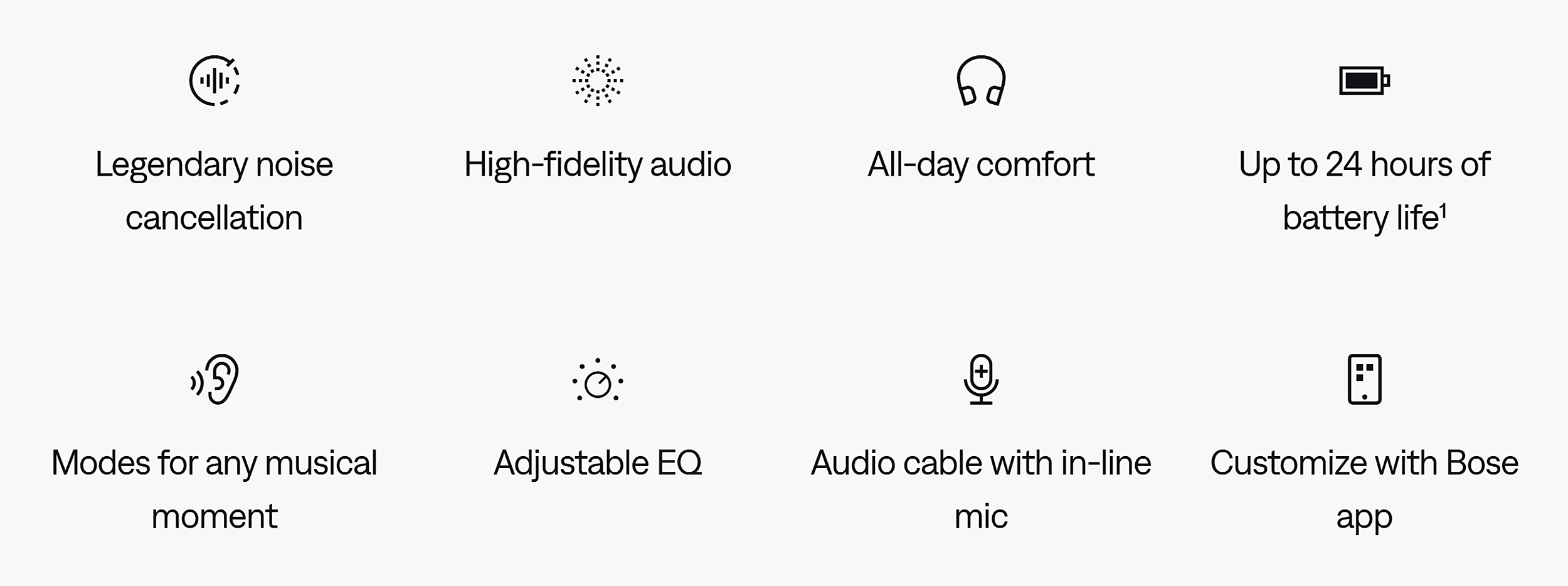
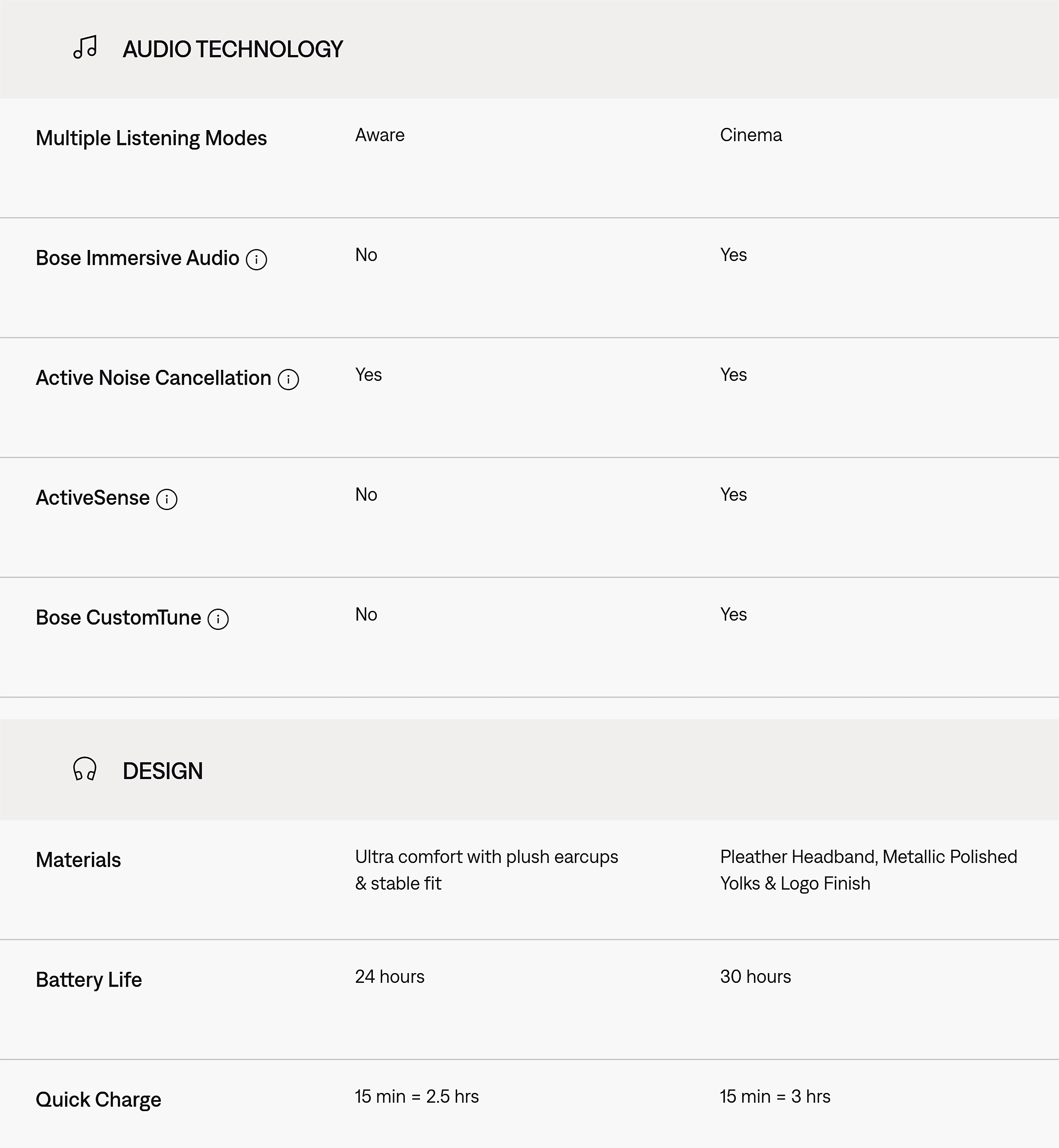
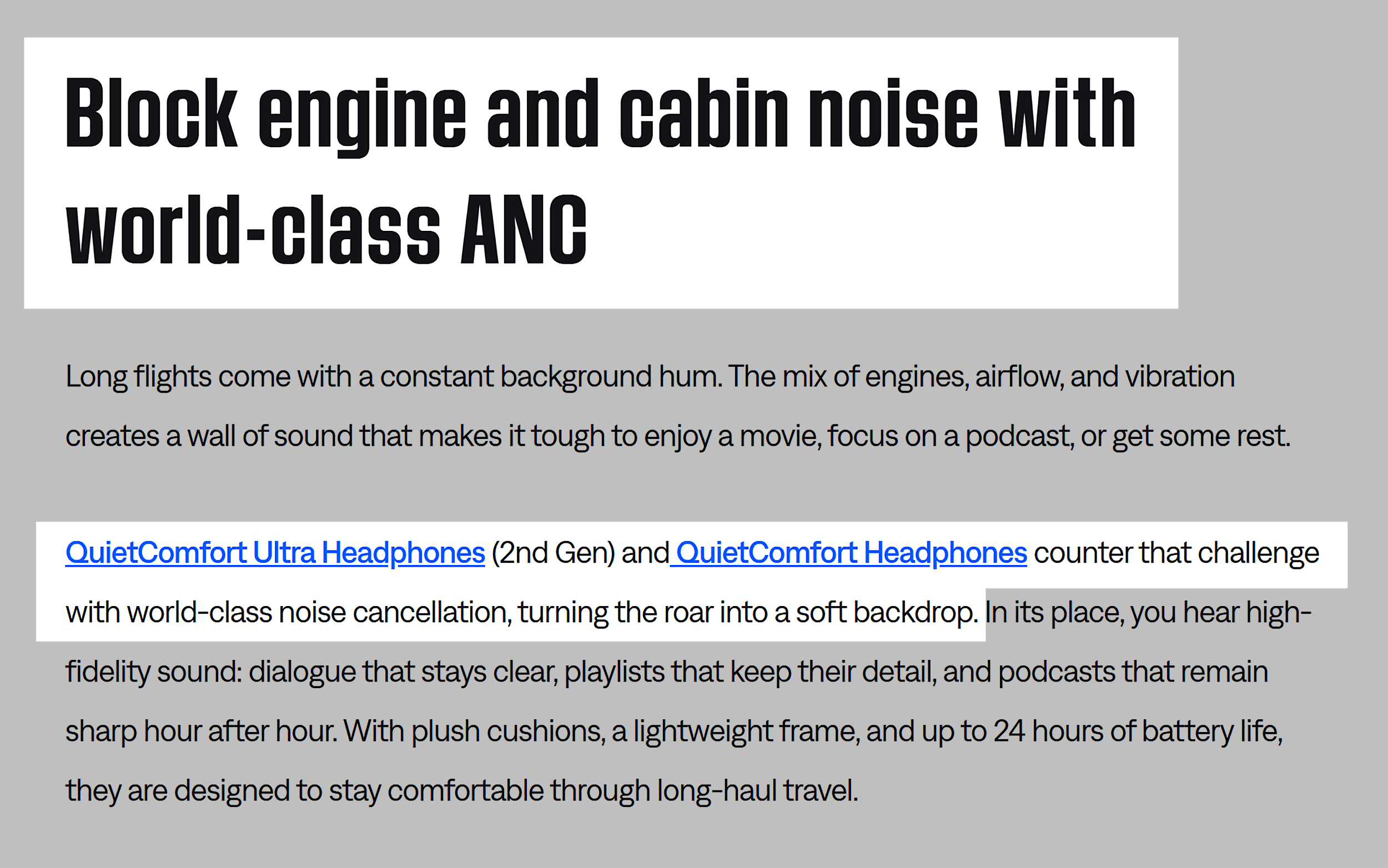
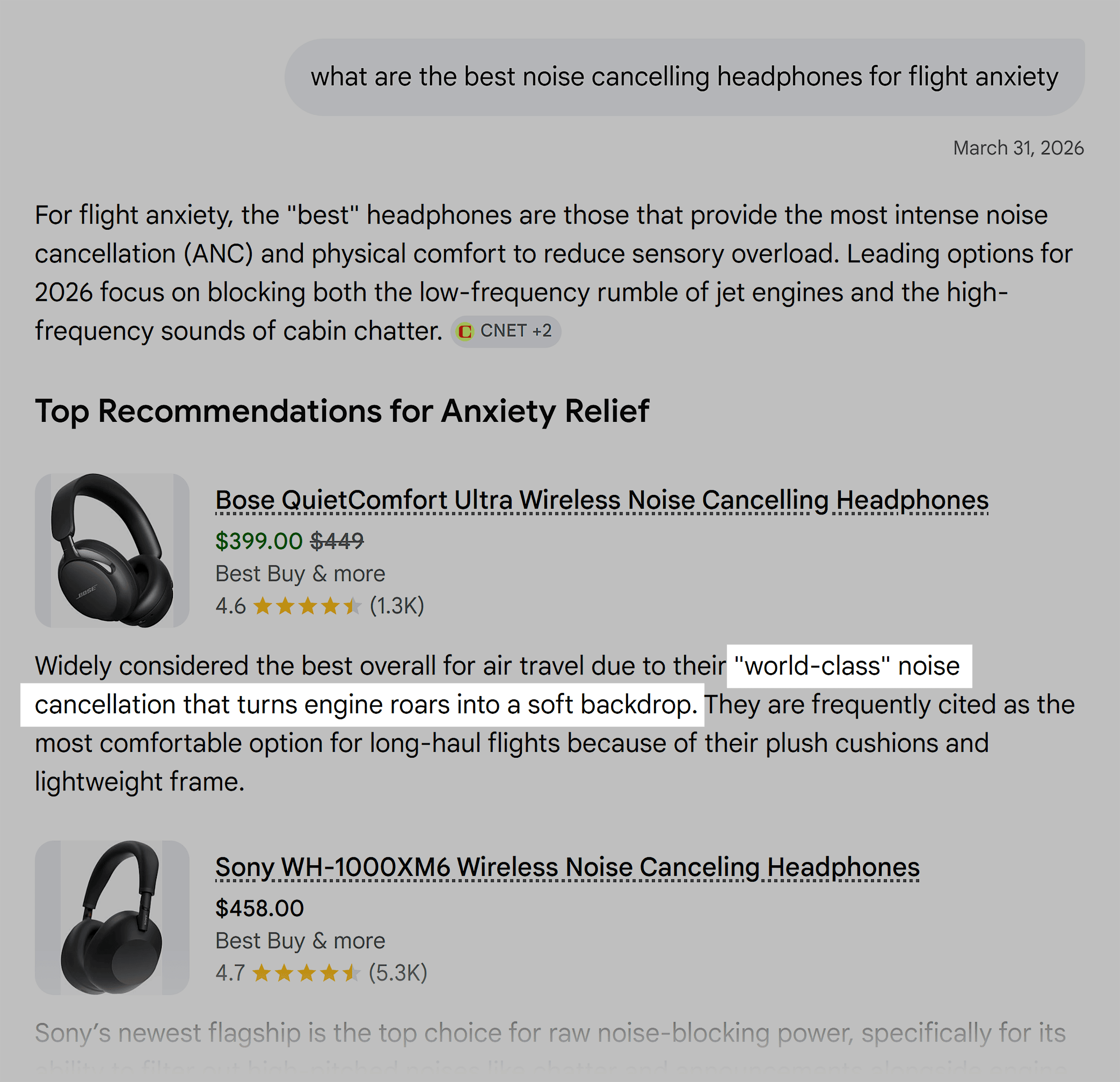
Brands like Bose exemplify effective AI-friendly content structuring. Their product pages highlight key claims (e.g., "24 hours of battery life," "legendary noise cancellation") as scannable elements. Technical specifications are organized into clear comparison tables. Furthermore, they create dedicated landing pages for specific use cases (e.g., "noise-canceling headphones for flights") using scenario-specific language. This targeted approach aligns perfectly with how AI fans out into use-case-specific sub-queries, increasing the likelihood of citation.
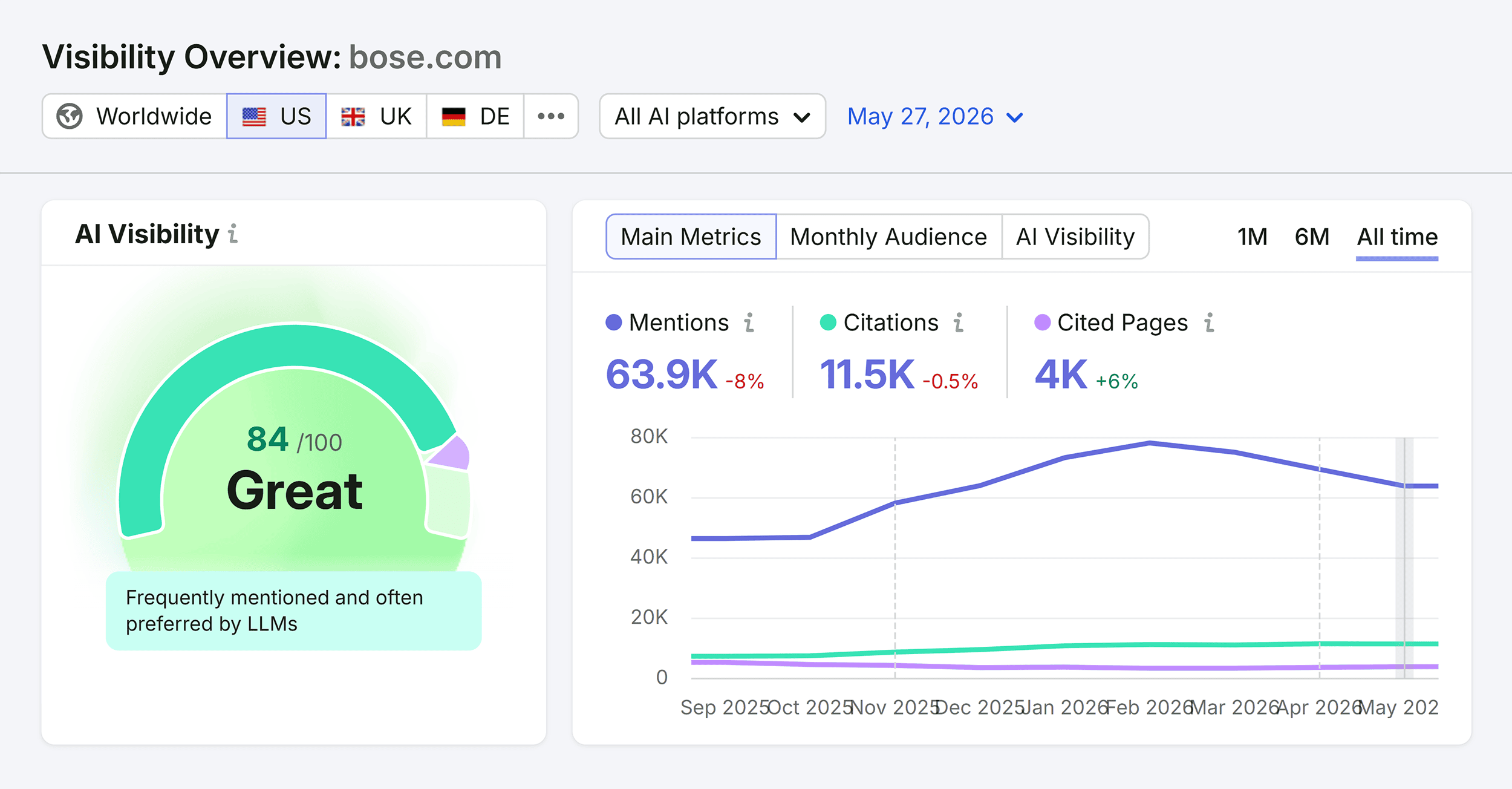
Step 6: Measure Your Performance in AI Search
Continuous tracking of performance in LLMs is essential. For each money prompt, monitor:
- Whether your brand is cited.
- The sentiment of the citation (positive, negative, neutral).
- The competitors cited alongside your brand.
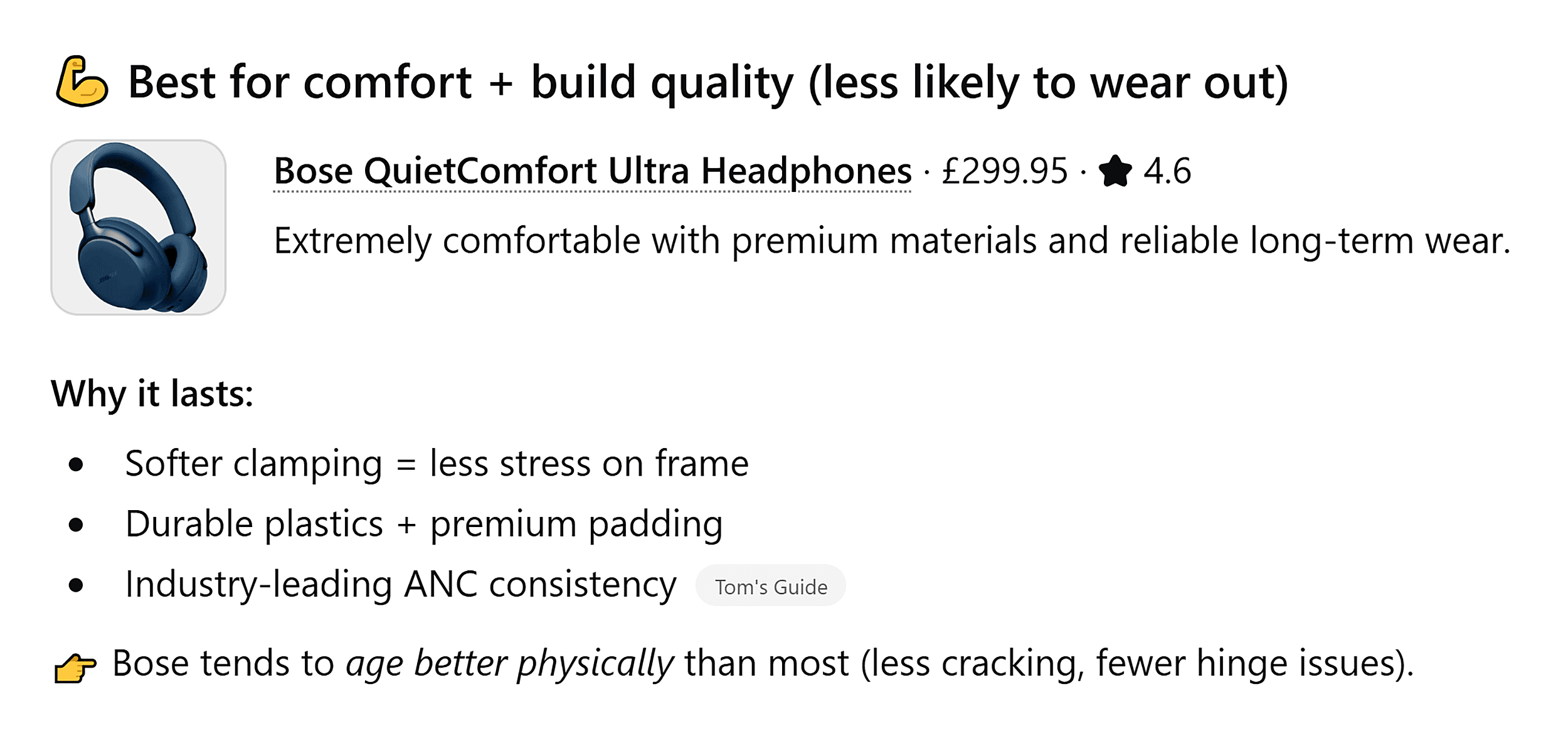
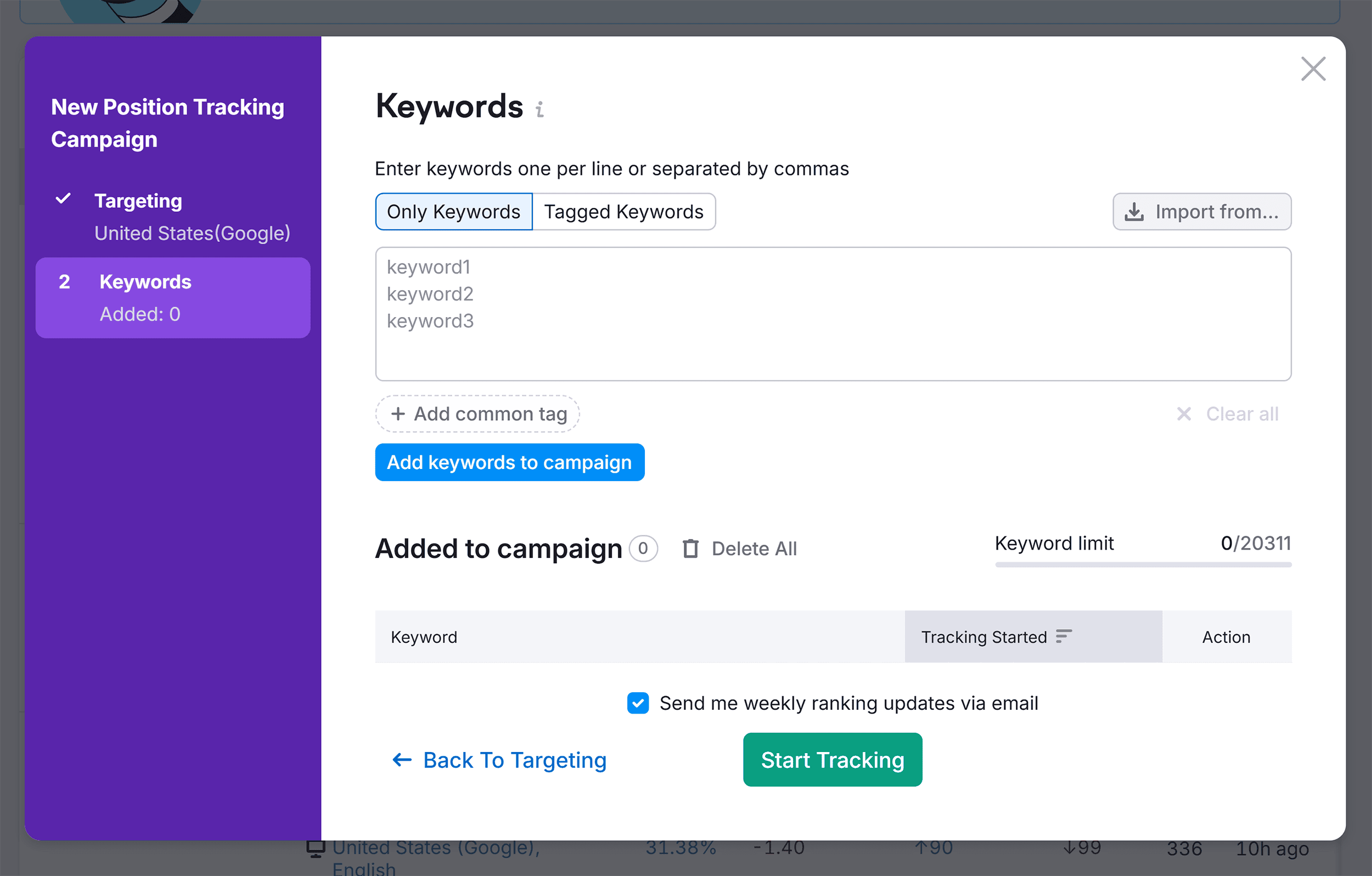
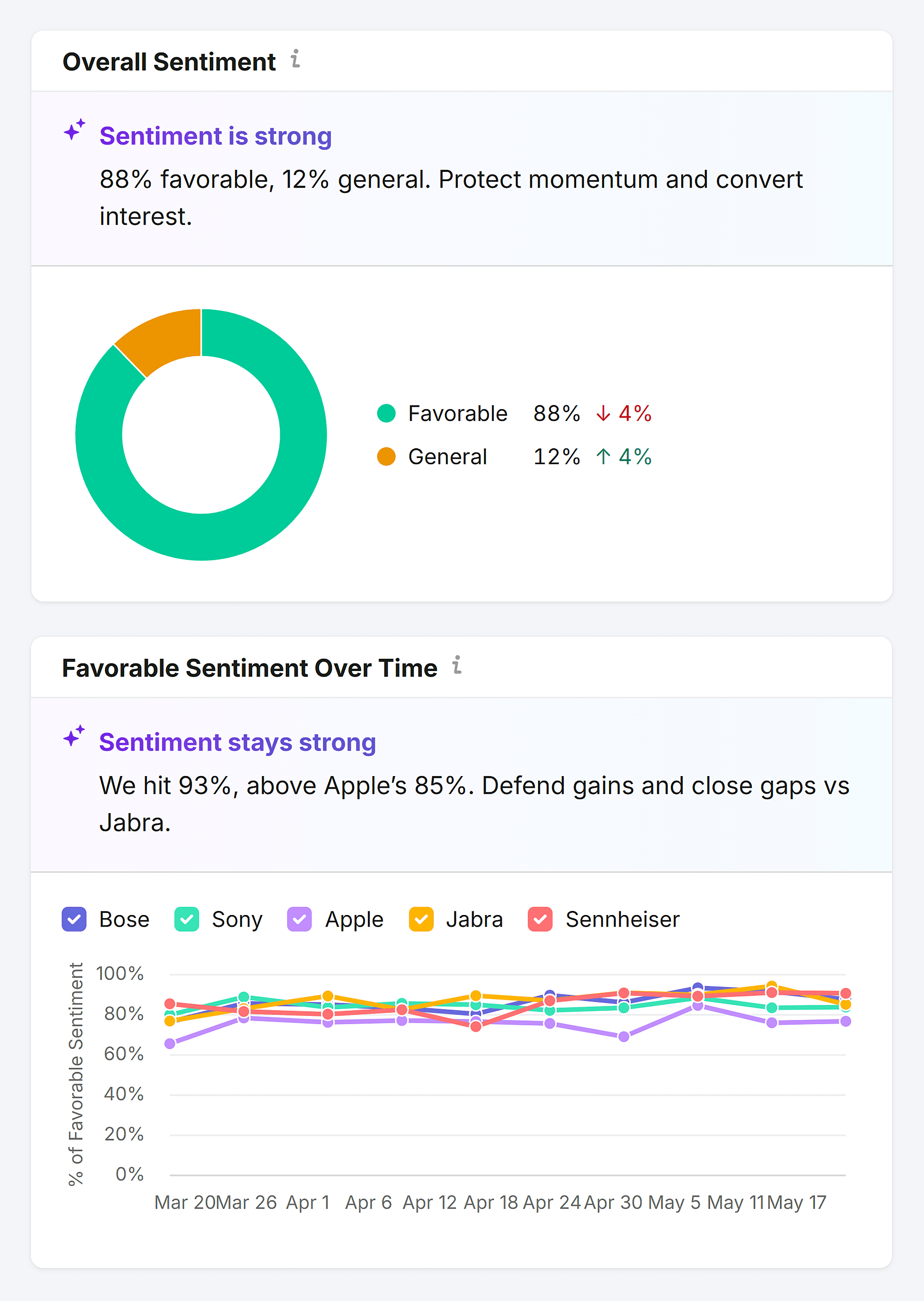
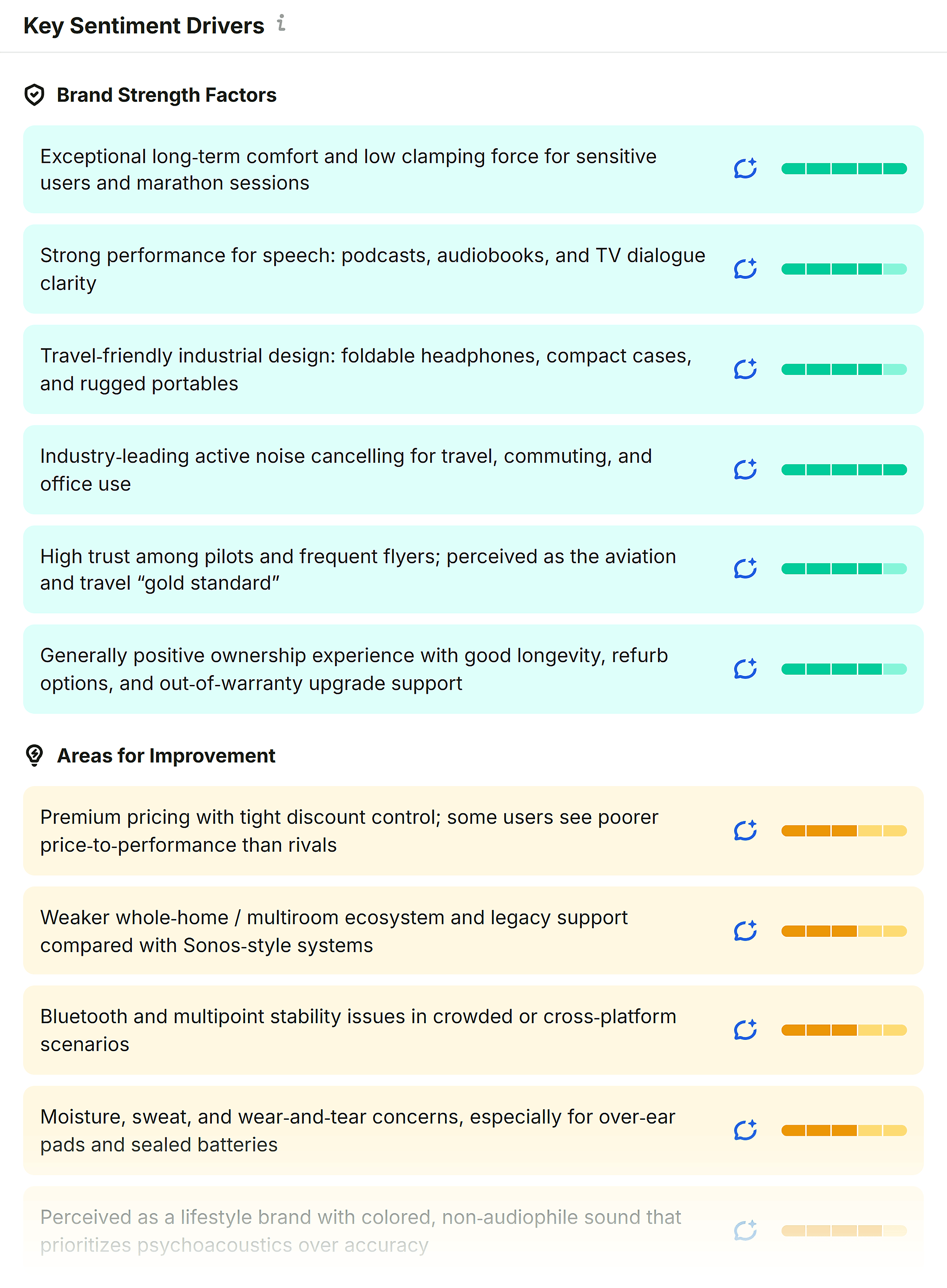
Manual tracking involves running prompts in incognito mode across various LLMs. For scale, automated tools like Semrush’s Prompt Tracker can alert you to changes in mentions for your money prompts. The AI Visibility Overview tool provides a score tracking your brand’s frequency in AI answers versus competitors. The Perception tool analyzes sentiment, highlighting strengths (e.g., "industry-leading noise cancellation" for Bose) and identifying areas for improvement (e.g., "over-the-ear models not sweatproof" for Bose), which can inform future content strategy. This ongoing monitoring allows for agile adjustments to content based on AI’s evolving preferences and competitive shifts.
How Query Fan-Out Works Across Different Platforms
The specifics of query fan-out can vary slightly across different AI platforms, influencing content optimization strategies:
-
ChatGPT: Often relies on its extensive training data for simple, informational queries. However, for questions requiring fresh data, comparisons, or current information, it performs live web searches, generating a multitude of internal sub-queries. These sub-queries can be manually extracted by inspecting the browser’s developer tools during a ChatGPT conversation. Optimizing for ChatGPT means ensuring topical authority and having content that addresses specific angles, even those found in third-party sources like Reddit.
-
Perplexity: This platform combines conversational context with real-time web searches. It might first conduct internal searches based on a user’s prior interactions or inferred preferences before launching external web searches for specific details like reliability or cost. Content for Perplexity needs to be highly specific and self-contained to maintain accuracy and usefulness regardless of the unpredictable surrounding conversational context.
-
Claude: Claude’s approach is more interactive. It often initiates by asking clarifying questions to understand user intent before generating a tailored response. This leads to fewer, more targeted sub-queries. For Claude, content that directly answers specific, well-defined use cases, rather than attempting to cover every possible angle on a single page, is likely to be more effective.
-
Google AI Overviews and AI Mode: Google AI Overviews provide concise, AI-generated summaries directly within search results, with sources cited in a sidebar. AI Mode, on the other hand, is a dedicated conversational tab for more complex, multi-part questions, offering deeper interaction. Both draw from Google’s existing web index. While Google does not publicly expose its sub-queries, SEOs can use advanced techniques, such as configuring Screaming Frog with a Gemini API, to reverse-engineer these fan-outs. For Google’s AI features, the optimization focus remains on front-loading answers, utilizing descriptive subheadings, and structuring content so individual passages can stand alone as complete, authoritative responses.
Broader Implications and Future Outlook
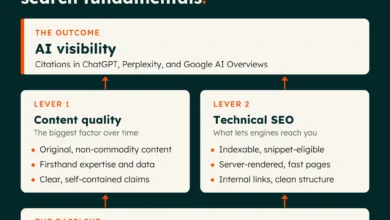
The rise of query fan-out signals a profound shift in the digital content ecosystem. Simply achieving high search rankings, a cornerstone of traditional SEO, is no longer sufficient to guarantee visibility and influence within AI-driven environments. Instead, the imperative is to cultivate a content strategy that prioritizes comprehensive topical coverage, direct and concise answers to specific sub-queries, and a structure optimized for AI extraction.
Brands and content creators must embrace this new reality by systematically identifying "money prompts," mapping out the extensive "fan-out" of related sub-queries, and rigorously auditing their existing content for gaps. The focus must be on creating or enhancing content that is readily retrievable and extractable by LLMs, ensuring that answers are not only accurate but also presented in a format that AI can easily process and cite. This includes leveraging structured data, clear headings, and scannable content elements.
The continuous measurement of AI visibility and sentiment will be crucial for refining these strategies. As AI models become more sophisticated and integrated into daily information seeking, the brands that adapt swiftly to the principles of query fan-out will be those that secure and maintain their relevance and authority in the evolving landscape of digital discovery. The journey towards AI visibility is not about abandoning traditional SEO, but rather augmenting it with a deeper understanding of how intelligent systems truly process and present information.