Rana Naidu Series Review Venkatesh And Rana S Walk On The Wild Side 138218

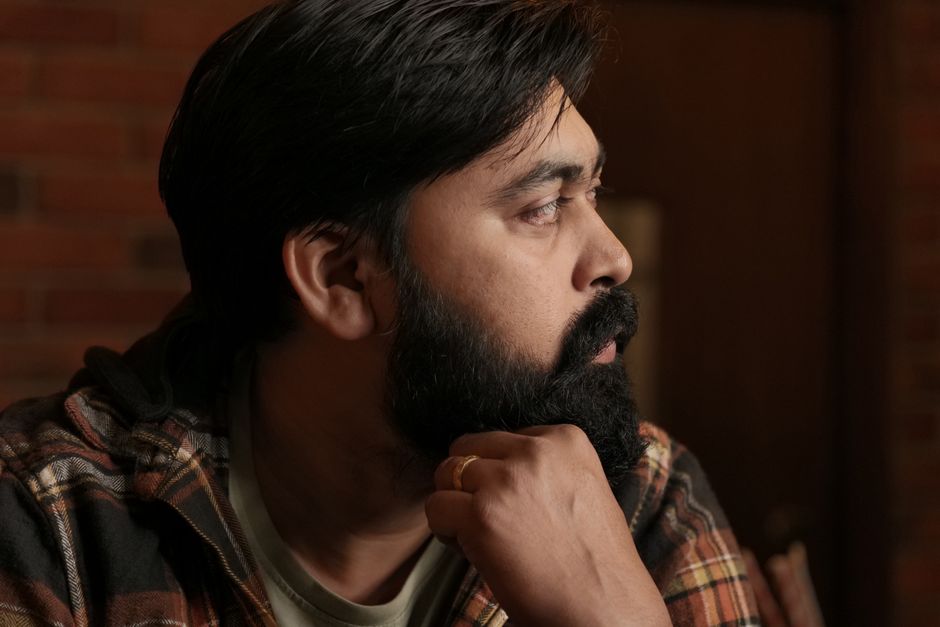
Rana Naidu Series Review: Venkatesh and Rana Daggubati’s Walk on the Wild Side
The Indian streaming landscape has been consistently evolving, and Netflix’s “Rana Naidu” emerges as a bold and gritty addition, charting a morally ambiguous territory with its titular character. This review delves deep into the series, dissecting its narrative, performances, and the unique dynamic between its lead actors, Venkatesh Daggubati and Rana Daggubati, exploring their “walk on the wild side.” The series, a remake of the American crime drama “Ray Donovan,” centers around Rana Naidu, a fixer who cleans up the messes of the rich and famous in Mumbai. His world, however, is irrevocably disrupted by the sudden release of his estranged father, Naga, from prison. This reunion throws a wrench into Rana’s carefully constructed life, forcing him to confront his past and his fractured family relationships. The sheer audacity of the premise, coupled with the star power of the Daggubati father-son duo, immediately positions “Rana Naidu” as a significant release, promising a blend of high-stakes drama, visceral action, and complex character studies.
At its core, “Rana Naidu” is an exploration of flawed characters navigating a world rife with corruption, violence, and personal demons. Rana Naidu, portrayed by Rana Daggubati, is a man of action, a problem-solver who operates in the shadows. He’s a man who has deliberately distanced himself from his family and their criminal legacy, yet his profession constantly pulls him back into that morally gray sphere. Rana Daggubati embodies this internal conflict with a steely resolve. His portrayal is less about overt emotional displays and more about controlled intensity, a simmering anger beneath a veneer of professionalism. He’s the anchor of the series, the one the audience is meant to follow through the labyrinthine plots and desperate situations. His ability to convey the weight of his past and the burden of his present without resorting to melodrama is a testament to his growing maturity as an actor.
The true revelation, however, is Venkatesh Daggubati’s performance as Naga, Rana’s incarcerated father. Venkatesh, a veteran actor with a repertoire of beloved roles, takes a dramatic departure from his usual affable persona. Naga is a volatile, charismatic, and deeply flawed individual. His release from prison is not a moment of redemption but rather the catalyst for chaos. Venkatesh revels in this anti-heroic role, delivering a performance that is both terrifying and strangely compelling. He embodies the primal energy of a man who has spent years confined but whose spirit remains unbroken, if not entirely unhinged. His interactions with Rana are charged with a palpable tension, a mixture of ingrained familial obligation and deep-seated resentment. The father-son dynamic is not one of warmth and understanding but of power struggles, manipulation, and the lingering wounds of a broken past. This is their “walk on the wild side,” a descent into the underbelly of society where loyalty is a commodity and survival is paramount.
The narrative structure of “Rana Naidu” is deliberately intricate, weaving multiple plotlines and introducing a plethora of supporting characters. This can, at times, feel overwhelming, with the series delving into various subplots involving corrupt politicians, aspiring actors, vengeful gangsters, and the intricacies of the Mumbai underworld. While the intention is clearly to build a rich and expansive world, some of these subplots occasionally detract from the central father-son conflict. However, when the focus sharpens on Rana and Naga, the series truly shines. The dialogue, while often laced with expletives and raw language, effectively captures the gritty realism the show aims for. The writers have opted for a no-holds-barred approach, not shying away from the uglier aspects of human nature and the harsh realities of the world they are depicting.
The supporting cast plays a crucial role in fleshing out the world of “Rana Naidu.” Characters like Arjun, Rana’s loyal but pragmatic aide, and various figures from Naga’s past, add layers to the overarching narrative. However, it is the female characters who, while present, often feel less developed. While there are women who play significant roles in the lives of Rana and Naga, their motivations and arcs sometimes feel secondary to the male-dominated conflicts. This is a common criticism in many crime dramas, and “Rana Naidu” is not entirely immune to it. Nevertheless, the performances of the supporting actors are generally strong, contributing to the immersive quality of the series.
Visually, “Rana Naidu” is a slick production. The cinematography captures the opulence and squalor of Mumbai with equal efficacy. The city itself becomes a character, its bustling streets, opulent penthouses, and dimly lit bars forming the backdrop for the unfolding drama. The action sequences are well-choreographed and impactful, contributing to the visceral nature of the series. The show doesn’t shy away from depicting violence, and when it occurs, it is often brutal and unflinching. This commitment to realism, while potentially off-putting for some viewers, is essential to the show’s overall tone and impact. The production design and costume choices also contribute to the authenticity, creating a believable world for these complex characters to inhabit.
The pacing of “Rana Naidu” is generally good, with each episode building upon the last. However, there are moments where the series can feel slightly repetitive, particularly in its exploration of certain character dynamics. The constant cycle of Rana cleaning up messes and then facing new ones can, at times, blur together. The central theme of redemption, or the lack thereof, is constantly at play, but the path to it is often murky and uncertain. The series doesn’t offer easy answers or clear-cut heroes and villains. Instead, it presents a spectrum of moral ambiguity, forcing the audience to question their own judgments.
The “walk on the wild side” metaphor is particularly apt for “Rana Naidu.” It signifies a journey into the untamed, the dangerous, and the unconventional. For Rana, it’s the constant battle to keep his sanity and his business afloat while grappling with his father’s destructive presence. For Naga, it’s a return to a life of power and influence, albeit one fraught with peril. And for Venkatesh and Rana Daggubati, it’s a daring professional venture, stepping into roles that push their boundaries and challenge audience expectations. This boldness in casting and characterization is what sets the series apart.
The series also touches upon themes of legacy, addiction, and the cyclical nature of violence. Naga’s past actions have had a profound impact on Rana, shaping his present and influencing his choices. The show explores how trauma can be inherited and how family dynamics, even when broken, continue to exert a powerful influence. The presence of Naga forces Rana to confront the very demons he has tried so hard to escape. The tension between their shared blood and their diametrically opposed life paths creates a compelling dramatic engine.
In conclusion, “Rana Naidu” is a compelling and often shocking crime drama that benefits immensely from the electrifying performances of Venkatesh and Rana Daggubati. Their chemistry, born out of a shared familial bond translated into a complex on-screen relationship, is the beating heart of the series. While the narrative can occasionally meander and some supporting characters could have been more fleshed out, the show’s unflinching exploration of morality, its gritty realism, and its powerful central performances make it a noteworthy addition to the Indian streaming library. It’s a show that doesn’t hold back, offering a raw and unvarnished look at the darker side of human nature, a true “walk on the wild side” that will undoubtedly spark conversations and linger in the minds of viewers long after the credits roll. The series is a testament to the evolving storytelling in Indian cinema, pushing boundaries and embracing complexity in a way that is both refreshing and impactful.


