The Evolution of AI and the Birth of Generative Search
The journey of AI began decades ago with foundational research into machine learning and computational logic. Early AI focused on problem-solving and rule-based systems, evolving through periods of "AI winters" and resurgences driven by increased computing power and data availability. The 2010s, however, witnessed a paradigm shift with the emergence of generative AI. Unlike previous AI iterations that primarily processed and analyzed existing data, generative AI models like Large Language Models (LLMs) gained the capacity to create original content, summarize information, and engage in conversational interactions.

This breakthrough led to the development of sophisticated AI-powered search tools such as ChatGPT, Gemini, Perplexity, and the integration of AI overviews directly into traditional search engines. These systems fundamentally alter how users interact with information online. Instead of merely presenting a list of links, they aim to provide direct, synthesized answers, often citing multiple sources to compile a comprehensive response. This transformation has profound implications for how content is discovered and valued, creating the imperative for Generative Engine Optimization.
Distinguishing GEO from Traditional SEO and AEO
To fully grasp the significance of GEO, it’s crucial to understand its relationship with existing optimization disciplines:

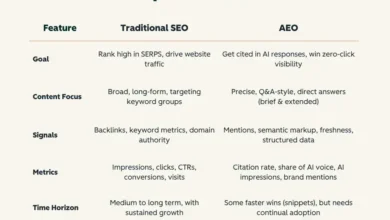
- Search Engine Optimization (SEO): This long-standing practice focuses on optimizing websites and content to rank higher in traditional search engine results pages (SERPs). SEO aims to get your content listed prominently, driving organic traffic through clicks on provided links.
- Answer Engine Optimization (AEO): A precursor to GEO, AEO targeted direct-answer features that have been integrated into search engines for some time. This includes optimizing for featured snippets, knowledge panels, and voice assistant responses, which provide concise answers directly within the search interface. Historically, there was a clearer distinction between AEO and GEO.
- Generative Engine Optimization (GEO): This specialized discipline focuses on making content discoverable, understandable, and citable by the newer wave of AI tools that generate original, synthesized responses. GEO helps ensure your content is not just found, but actively chosen and referenced as a reliable source within these AI-generated summaries.
The core distinction lies in the outcome: SEO gets you on the party guest list (SERP), AEO helps you get a quick answer box, but GEO secures you a VIP seat and a direct shoutout from the DJ (citation within an AI-generated response). While many underlying tactics overlap across all three—such as creating high-quality, relevant content—GEO requires an additional layer of strategic focus on how information is structured, presented, and credentialed to meet the specific demands of AI systems.
The Urgency of GEO: Why It Matters Now
The rapid adoption and integration of generative AI into daily digital interactions underscore the immediate relevance of GEO. This isn’t a future trend; it’s a current reality shaping consumer behavior and competitive landscapes.

- Shifting Search Behavior: While traditional search engines like Google still dominate general searches, driving an estimated 61% of all queries, AI platforms are experiencing significant growth as starting points for information discovery. Data from GWI indicates that 31% of Gen Z individuals already prioritize AI platforms or chatbots for online information retrieval. This demographic shift signals a broader move towards conversational and synthesized search experiences.
- B2B Implications: The impact extends beyond consumer search. Gartner predicts that by the end of the year, 40% of B2B queries will be handled by answer engines. This highlights a critical need for businesses to optimize their content to be recognized and cited by AI in professional contexts, influencing purchasing decisions and industry insights.
- Voice Search Proliferation: The pervasive presence of voice assistants like Siri, Alexa, and Google Assistant in smartphones and smart homes further emphasizes the demand for direct, synthesized answers. Users engaging with voice assistants typically seek immediate, actionable information rather than a list of links. GEO ensures content is optimized for these rapid-response scenarios.
- Competitive Advantage: Early adopters of GEO will secure a significant advantage. As AI becomes more integral to information access, businesses whose content is consistently cited will build greater authority, trust, and brand visibility, effectively setting them apart from competitors who rely solely on traditional SEO.
GEO is not about replacing SEO but extending it to a new frontier. It demands a higher level of content quality, structure, and trustworthiness, rewarding those who invest in delivering superior value.
Pillars of Generative Engine Optimization: Best Practices for Today
Implementing effective GEO involves a multifaceted approach, blending content strategy with technical optimization and credibility building.

1. Content Clarity and Structure: The Inverted Pyramid Approach
AI systems prioritize content that is concise, direct, and easy to parse. Information should not be buried deep within an article.
- Lead with Answers: Begin each section or article with a clear, direct answer to the target question, ideally under 300 words. Follow this with contextual details and elaborations. This "answer-first" approach ensures AI can quickly extract the core information.
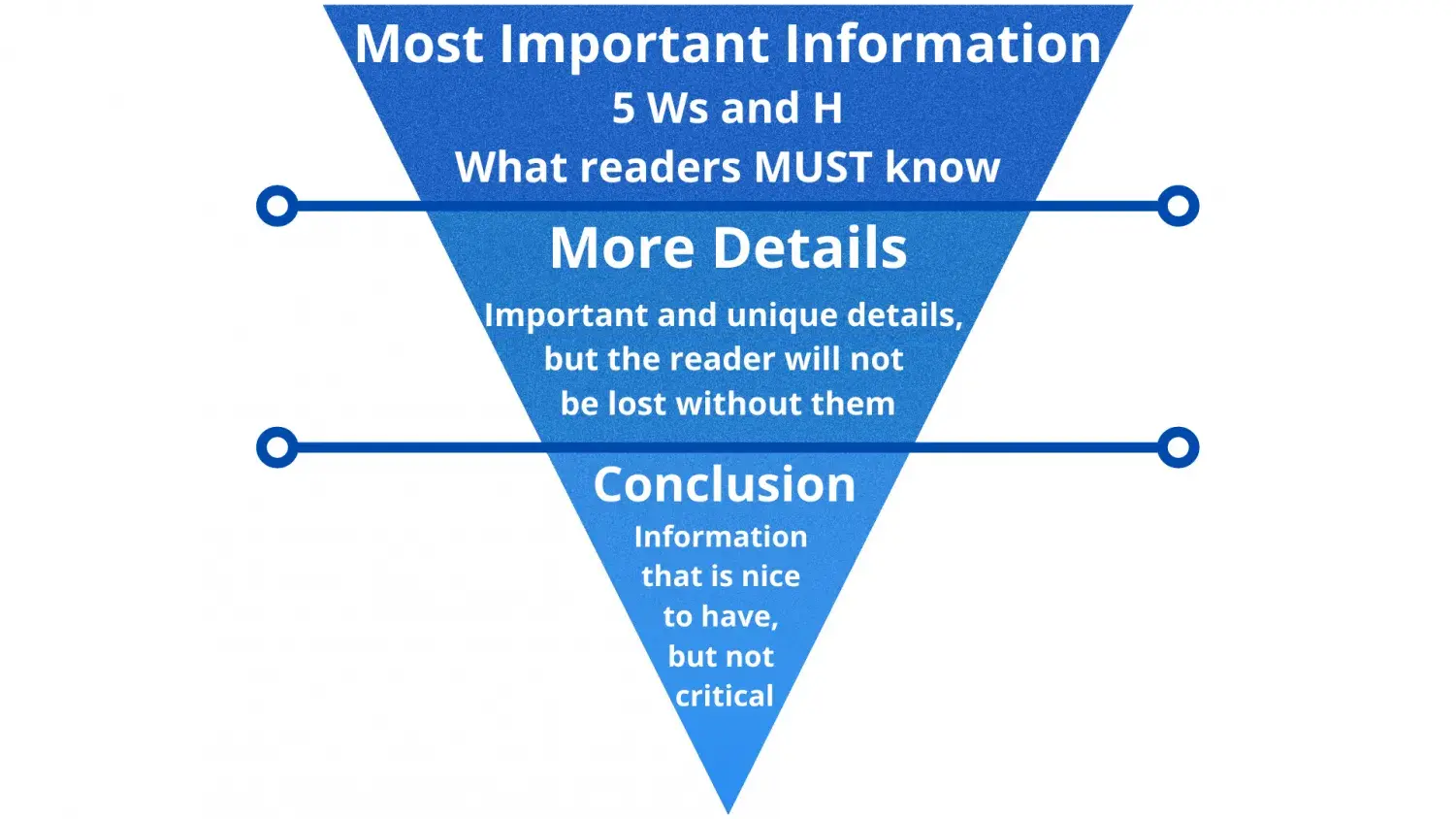
- Embrace the Inverted Pyramid: Adopt the journalistic principle of placing the most critical information at the top, followed by supporting details in descending order of importance. This structure is highly conducive to AI understanding and citation.
- Precision in Language: Be explicit about entities—people, organizations, products, and concepts. Avoid vague pronouns or ambiguous references. For example, instead of "The company launched it," specify "HubSpot launched Content Hub AI." This eliminates confusion for AI systems striving for factual accuracy.
2. Technical Foundations: Enhancing AI Readability
Beyond on-page content, the technical health and structure of your website are paramount for GEO.
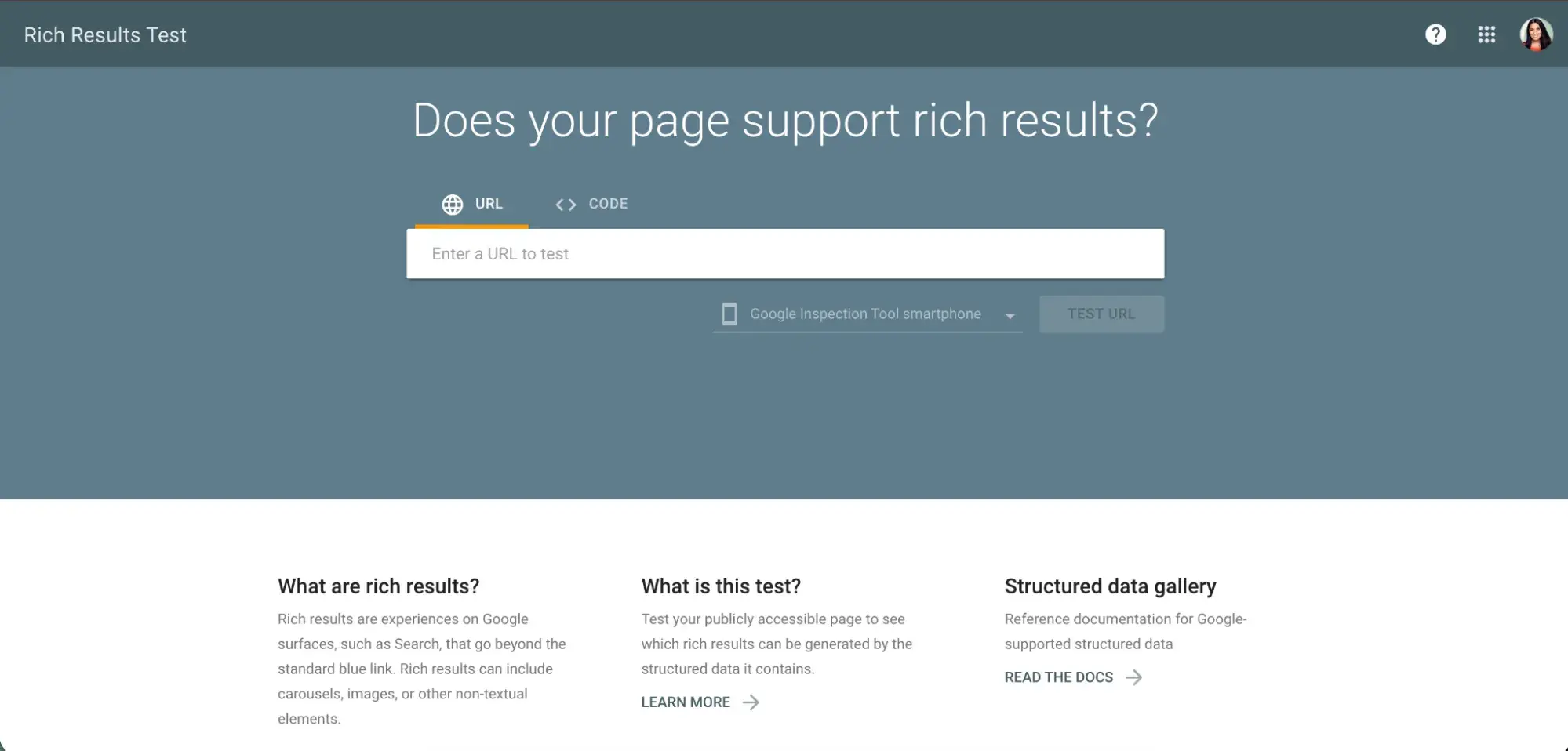
- Schema Markup Implementation: Schema markup is structured data that provides context to AI systems about your content. Properly implemented schema (e.g., Article, Organization, FAQ, Breadcrumb schema) removes ambiguity and improves the accuracy of AI interpretation. Tools like Google’s Rich Results Test are essential for validating schema implementation.
- Website Performance: Site speed and functionality are critical trust signals for both traditional search engines and AI. Slow or broken sites are deprioritized. Regular monitoring with tools like Google PageSpeed Insights and GTmetrix, focusing on Core Web Vitals (Largest Contentful Paint, First Input Delay, Cumulative Layout Shift), ensures a smooth user experience and signals quality to AI.
- Metadata Optimization: While traditional metadata targets SERPs, GEO-optimized metadata aids generative search in understanding and summarizing content. Craft meta titles and descriptions that are concise, keyword-rich, and accurately reflect the content’s core message.
3. Building Authority and Trust: E-E-A-T in the AI Era
Experience, Expertise, Authoritativeness, and Trustworthiness (E-E-A-T) remain foundational for credibility, especially in an AI-driven environment where "hallucinations" are a concern. AI systems are trained to assess source credibility using similar standards to Google’s Quality Rater Guidelines.
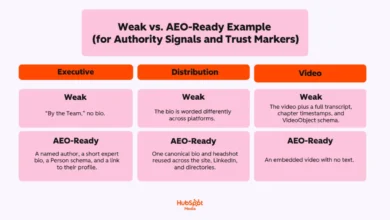
- Authoritative Signals: Include clear author bios with relevant credentials, professional affiliations, and links to other expert contributions.
- Transparent Sourcing: Cite reputable, up-to-date sources for all factual claims, including academic papers, industry reports, and established news outlets. Avoid outdated or questionable sources.
- About Us & Contact Pages: Ensure these pages are robust, detailing your organization’s mission, history, and contact information, reinforcing legitimacy.
4. Comprehensive Subject Matter Expertise: Depth Over Breadth
AI values comprehensive coverage of topics, viewing it as a strong indicator of expertise.
- In-depth Content: Aim for thorough, well-researched articles that cover a topic exhaustively. Research suggests content exceeding 2,500 words with comprehensive topic coverage receives significantly more AI citations.
- Pillar Pages and Topic Clusters: Organize your content around core "pillar pages" that provide a broad overview of a key topic. Support these pillars with detailed sub-articles, forming topic clusters. Strategic internal linking between these pieces signals to AI a deep, interconnected understanding of the subject matter.
5. Engaging Multimedia Integration: Visuals for AI and Humans
Content enriched with relevant images, charts, infographics, and videos is not only more engaging for human readers but also more likely to be cited by AI. Research from Princeton and Georgia Tech found that content with relevant visuals received 40% more AI citations than text-only content.
- Diverse Visuals: Incorporate a variety of multimedia elements, ensuring they are relevant and well-described with alt text and captions. This helps AI understand context and signals thoroughness.
6. Human-Centric Content Creation: Authentic Voice
Ironically, AI systems are trained on natural language and prefer content that sounds human.
- Conversational Tone: Write in a natural, conversational style, as if explaining a topic to a knowledgeable colleague. Avoid overly formal, jargon-filled, or keyword-stuffed language.
- Humanize AI-Generated Content: If using AI writing tools, always edit and humanize the output. Infuse original insights, brand voice, and expert perspectives to avoid generic, unoriginal content, which AI systems may downrank.
7. Content Freshness and Maintenance: Sustained Relevance
AI systems heavily favor recent and updated content, deeming it more likely to be accurate and relevant.
- Regular Publishing: Organizations publishing weekly or more frequently show significantly higher AI citation rates.
- Content Refresh Strategy: Implement a systematic approach to regularly update existing content, ensuring information is current, statistics are recent, and new developments are incorporated. Content untouched for over 18 months is less likely to be cited.
Navigating Common Pitfalls in Generative Engine Optimization
As with any evolving strategy, certain missteps can hinder GEO efforts.

- Vagueness and Inconsistency: Failing to be specific about entities or using inconsistent terminology can confuse AI. Always clarify subjects and use consistent naming conventions.
- Incorrect Schema Implementation: Skipping schema or implementing it improperly renders it ineffective. Utilize validation tools and ensure accurate, up-to-date schema usage.
- Citing Poor Sources: Relying on unreliable, outdated, or aggregative sources diminishes your content’s credibility in the eyes of AI. Prioritize primary research, authoritative studies, and current expert opinions.
- Unedited AI-Generated Content: Publishing raw AI output without human review, editing, and value addition leads to generic content that AI itself may deprioritize. Inject unique insights and your brand’s voice.
- Neglecting Content Updates: Allowing content to become stale ensures it will be overlooked by AI in favor of fresher, more relevant sources. Implement a robust content refresh schedule.
- Lack of Author Credentials: Anonymous content or content lacking clear author authority signals is less trustworthy. Always provide detailed author bios and organizational context.
- Ignoring Performance Tracking: Without measuring AI citations, traffic from AI platforms, or brand mentions, it’s impossible to refine your GEO strategy. Utilize analytics to track these emerging metrics.
- Over-optimization for Specific Platforms: The AI landscape is dynamic. Tailoring content too narrowly for one AI tool may limit its effectiveness as new platforms emerge or existing ones evolve. Focus on universal best practices of clarity, credibility, and comprehensiveness.
The Future Outlook: Generating Generative Success
Generative Engine Optimization is not a temporary trend but a strategic imperative that reflects the ongoing evolution of how information is accessed and consumed. While the headlines might suggest a radical departure, much of GEO is deeply rooted in the foundational principles of good SEO: quality content, technical excellence, and user-centric value.
The smartest approach for businesses and marketers is to integrate GEO into their broader digital strategy, understanding it as a complementary force rather than a replacement for traditional SEO. By prioritizing clear, structured, and authoritative content, optimized with the right technical foundations, organizations can ensure their expertise is not only found but actively amplified by AI-powered search. The organizations that embrace GEO as a strategic priority, consistently delivering high-value content, will be best positioned to thrive in this new era of information discovery, maintaining visibility and influence as the search landscape continues its dynamic transformation.