Google Quietly Pulls the Plug on the Pixel Tablet, Marking the End of Its Innovative Smart Home Hybrid Experiment

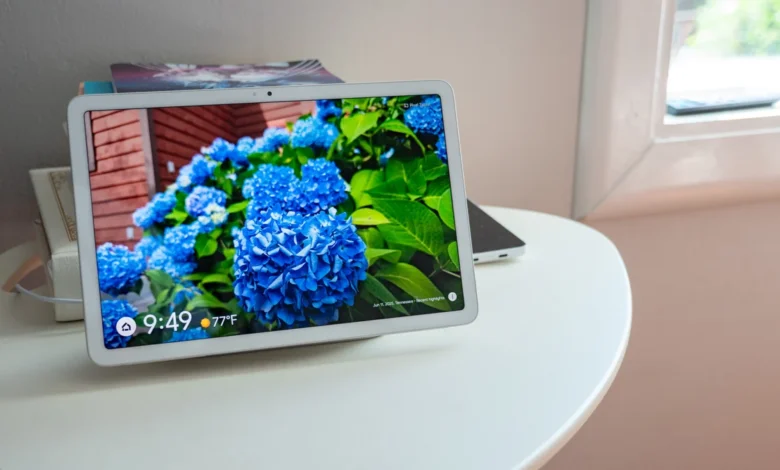
The era of Google’s unique hybrid tablet and smart home hub has officially come to a permanent close. Industry trackers and consumers alike have noted that the tech giant has thoroughly scrubbed the original Google Pixel Tablet from its digital storefront. What began as a lingering "out of stock" notice has transformed into a total removal of the product page from the Google Store. Concurrently, major third-party retailers such as Amazon and Best Buy have watched their remaining inventories evaporate. For months, tech analysts debated whether the device would see a reprieve or a stealthy return, but this definitive inventory wipe confirms that Google has entirely ceased direct distribution of its debut tablet.
This development does not arrive as an abrupt shock to industry insiders, yet it solidifies a major strategic retreat for Google’s hardware division. First introduced to the global market in May 2023 at a starting price of $499, the Pixel Tablet was pitched as a paradigm-shifting device. It sought to solve a perennial consumer dilemma: the fact that traditional tablets spend the vast majority of their lifespans sitting idle, powered down in drawers or gathering dust on coffee tables. Google’s engineered solution was the Speaker Dock. By bundling a charging base equipped with an integrated speaker into the box, the company transformed the mobile slate into a stationary smart display capable of cycling through Google Photos, controlling connected smart home appliances, and responding to hands-free Google Assistant queries.
Despite the ingenuity of the dual-purpose concept, the execution faced steep market headwinds. Consumers and reviewers praised the seamless transition between portable tablet mode and stationary dock mode, yet criticized various hardware compromises. The device shipped with a standard 60Hz LCD display rather than a high-refresh-rate panel, utilized middling camera hardware, and featured thick bezels that felt uninspired at a $499 price point. Furthermore, Android’s tablet application ecosystem—historically fragmented compared to Apple’s iPadOS—struggled to provide optimized software experiences for many mainstream productivity and entertainment applications. Consequently, sales figures failed to meet the lofty internal projections set by Google’s hardware executives.
The Chronology of a Quiet Cancellation
Tracing the trajectory of the Pixel Tablet reveals a swift escalation from hopeful ambition to complete cancellation.
In May 2023, Google launched the Pixel Tablet with immense fanfare at its annual Google I/O developer conference. Executives positioned the device as the cornerstone of a revitalized Android tablet ecosystem, promising deep integration with the company’s proprietary Tensor G2 chip and machine learning infrastructure.
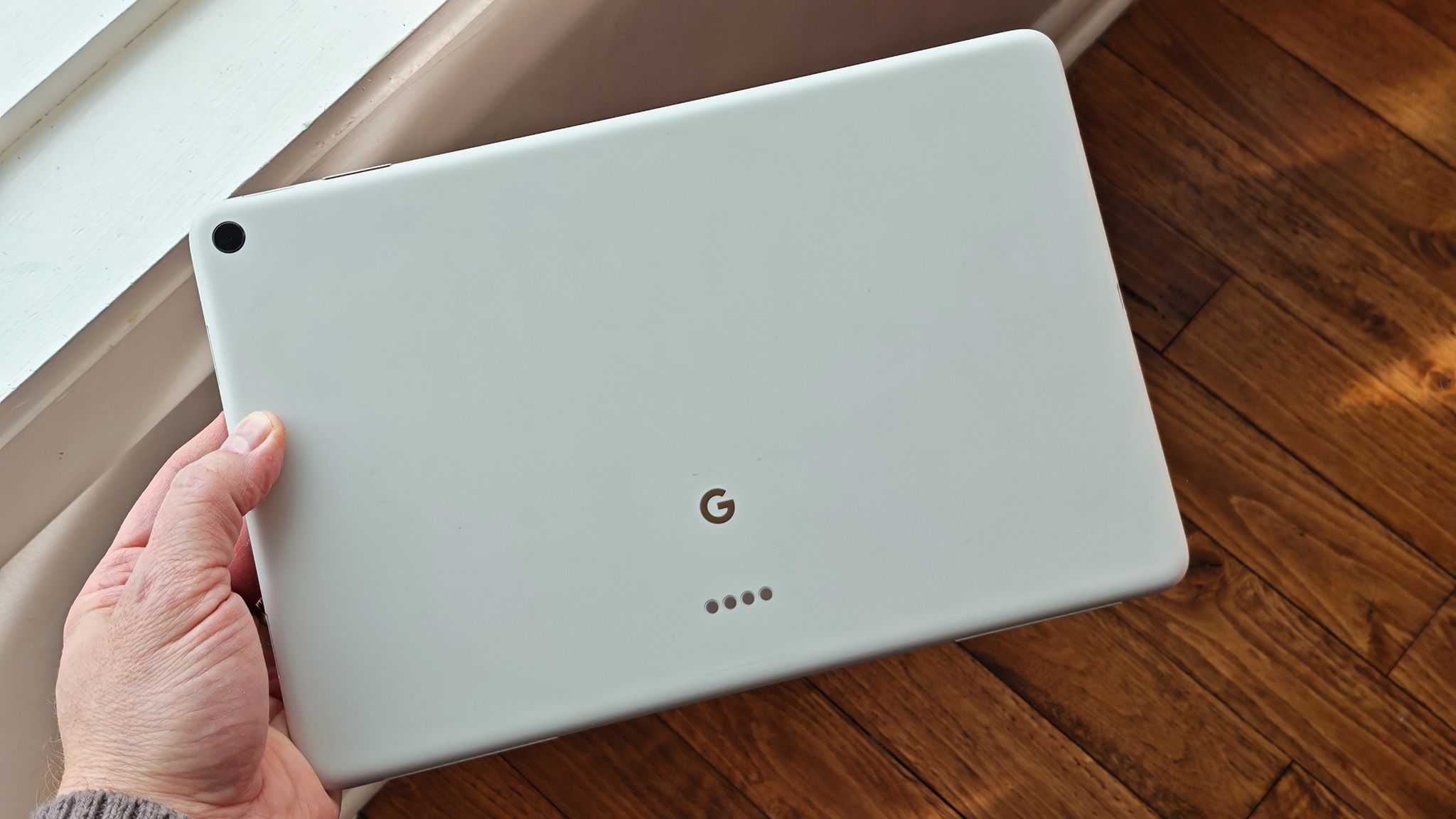
By early 2024, however, whispers began to circulate within supply chain circles that the hardware line’s future was in jeopardy. Reports emerged indicating that Google had quietly cancelled development on a heavily anticipated second-generation model, internally slated for a 2025 release, as well as conceptual blueprints for a third-generation iteration planned for 2027. These decisions were reportedly driven by tightening profitability margins, lower-than-expected hardware adoption rates, and a broader corporate mandate to streamline hardware spending across experimental categories.
Throughout 2024 and 2025, the original Pixel Tablet remained listed on the Google Store and select partner retail outlets, though promotional discounts became increasingly frequent. Industry observers interpreted these sales as a gradual inventory burn-off rather than an active marketing push.
By early 2026, the final phase of the device’s lifecycle commenced. Remaining stock dwindled to zero across major retail channels. The definitive removal of the product listing from the Google Store in the first quarter of 2026 marks the official final chapter of the hardware line, leaving behind a market void where Google once hoped to challenge Apple’s iPad dominance.
Implications for Existing Owners and Software Support
For consumers who previously invested in the Pixel Tablet, the cessation of hardware sales raises immediate questions regarding longevity and technical maintenance. Fortunately, Google has maintained a commitment to its established software update lifecycles.
Current owners will not see their devices rendered obsolete overnight. Google’s corporate support schedule dictates that the Pixel Tablet will continue to receive critical security patches, operating system upgrades, and feature drops through mid-2028. This ensures that users can safely operate the device within connected smart home ecosystems for several more years without facing immediate security vulnerabilities or application incompatibility issues.
Nevertheless, the disappearance of the hardware leaves a conspicuous gap in Google’s ecosystem strategy. The company had spent years coaxing developers to build responsive, large-screen layouts for Android applications—efforts that bore fruit largely through the success of foldable smartphones like the Pixel Fold series. With the Pixel Tablet line permanently canceled and no successor in active development, Google effectively surrenders the traditional standalone tablet market to competitors like Apple and Samsung, ceding ground in a sector where hardware form factors remain critically important for media consumption and enterprise tasks alike.
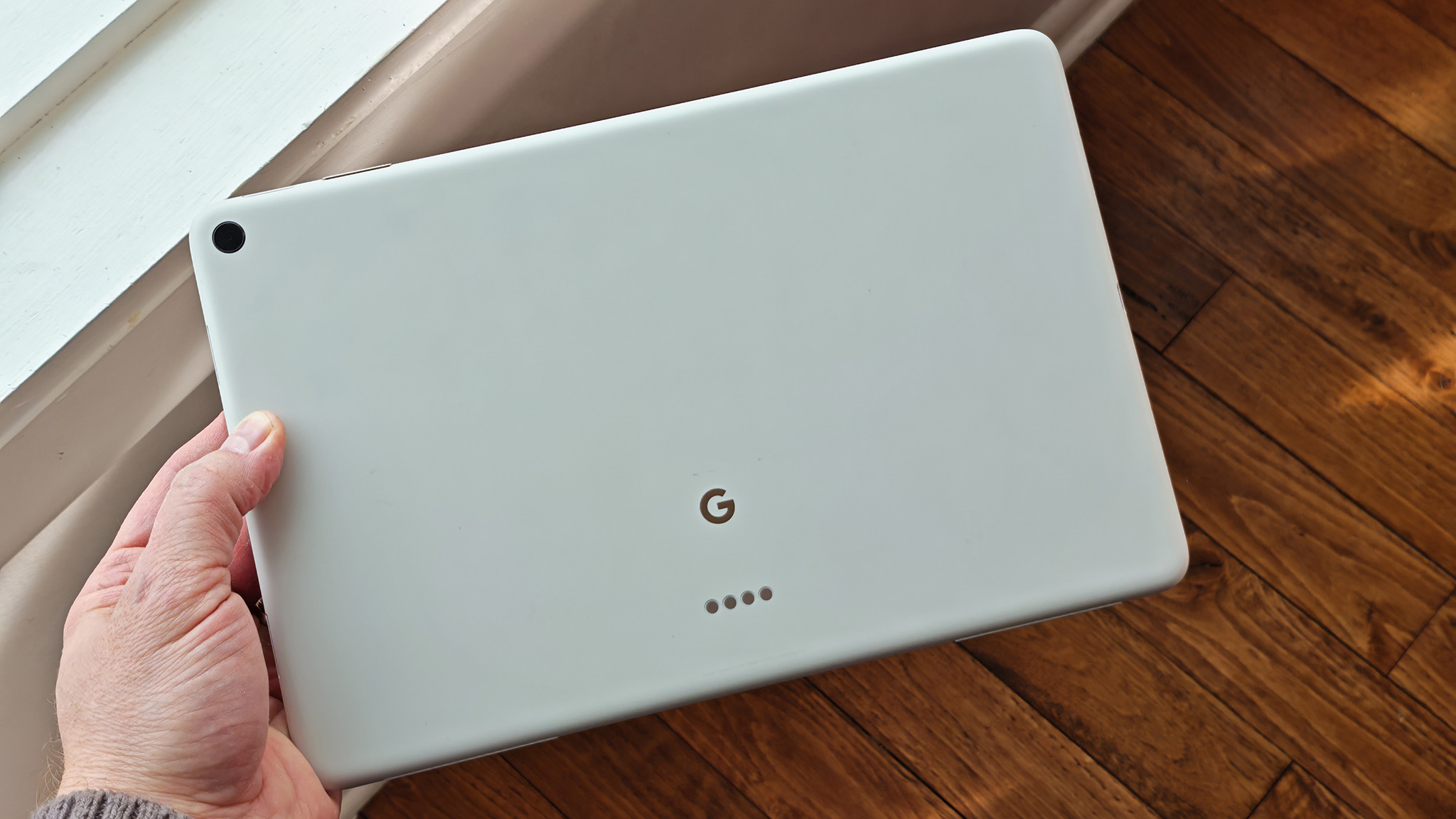
Broader Market Analysis and the Future of Android Tablets
The demise of the Pixel Tablet underscores the profound difficulties hardware manufacturers face when attempting to carve out profitable niches in a mature, consolidated tablet market. Apple’s iPad lineup maintains an overwhelming market share advantage, anchored by a robust pro-tier application ecosystem and powerful proprietary silicon. Meanwhile, Samsung commands the Android tablet landscape with a diverse portfolio spanning affordable media consumption devices to premium, productivity-focused Ultra models outfitted with OLED displays and stylus support.
Google’s strategic miscalculation may have stemmed from trying to serve two distinct masters. By positioning the device primarily as a smart home hub that happened to detach into a tablet, the company may have alienated traditional tablet buyers who desired high-end display technology and robust multitasking capabilities. Conversely, dedicated smart home consumers found the $499 price tag far too expensive compared to single-purpose dedicated smart displays like the Nest Hub, which routinely retailed for a fraction of the cost.
Furthermore, the failure of the hybrid experiment highlights the ongoing friction within the Android operating system regarding tablet optimization. While Google made admirable strides in updating its native applications—such as Gmail, Google Drive, and Google TV—to utilize expanded screen real estate, third-party developer adoption remained sluggish. Without a massive installed base of active tablet users, software developers lacked the financial incentive to engineer bespoke tablet interfaces, creating a perpetual chicken-and-egg dilemma that ultimately crippled hardware adoption.
As the tech industry processes the finality of the Pixel Tablet’s retirement, the overarching narrative is one of pragmatism. Google’s hardware division, under the leadership of hardware chief Rick Osterloh, has increasingly leaned into rigorous financial discipline, prioritizing high-margin, high-growth categories like flagship smartphones, smartwatches, and true wireless audio products over speculative experiments.
Whether Google will eventually re-enter the tablet arena with a more conventional, productivity-oriented slate remains an open question for future product roadmaps. For now, however, the experiment is over. The Pixel Tablet is gone from store shelves, leaving behind a legacy as a fascinating, forward-thinking innovation that ultimately proved too ambitious for a cautious market.