Apple Pay Antitrust Lawsuit Advances as Judge Certifies Class Action Representing U.S. Financial Institutions

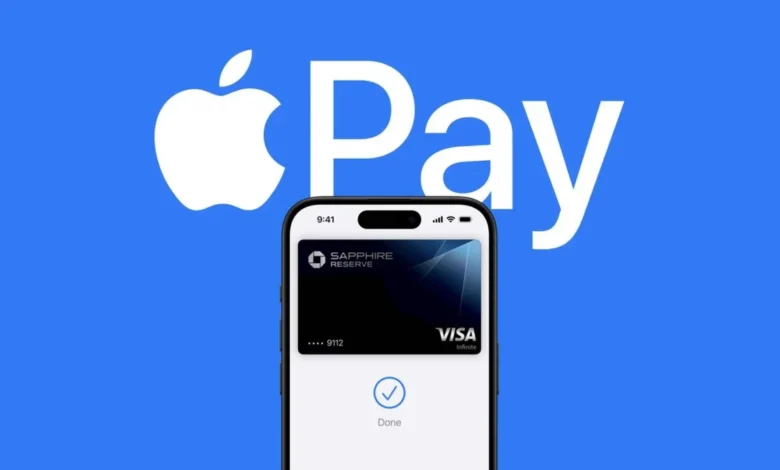
A significant legal challenge against Apple’s mobile payment ecosystem has reached a critical inflection point, as U.S. District Judge Jeffrey White formally certified a class-action lawsuit brought by financial institutions against the tech giant. The ruling, issued on September 25, 2026, allows banks and credit unions across the United States to consolidate their claims, alleging that Apple has engaged in anticompetitive behavior by restricting access to the iPhone’s Near Field Communication (NFC) hardware. This legal victory for the plaintiffs marks a major escalation in a dispute that has been simmering since 2022, centering on the core mechanics of how mobile payments are processed on Apple devices.
The lawsuit asserts that Apple maintains an illegal monopoly over the mobile wallet market by mandating that its proprietary Apple Pay system be the sole option for tap-to-pay transactions on iOS devices. By restricting third-party access to the NFC chip—a hardware component that enables secure, contactless communication between smartphones and point-of-sale terminals—the plaintiffs argue that Apple effectively dictates the economic terms of mobile commerce.
Chronology of the Litigation
The origins of this dispute date back to July 2022, when a group of financial institutions initiated litigation against Apple, claiming that the company’s "walled garden" approach regarding its hardware was an abuse of market dominance. The core of the plaintiffs’ argument is that, unlike Android devices, which permit a diverse ecosystem of competing mobile wallets and payment apps, the iPhone remains locked to Apple Pay.
- July 2022: The initial complaint is filed, alleging that Apple’s restrictive policies force financial institutions to pay exorbitant fees.
- 2023-2025: Pre-trial motions and discovery proceed, with Apple consistently maintaining that its security protocols necessitate strict control over the NFC chip.
- October 2024: Industry experts note a shift in regulatory pressure as the European Union and other jurisdictions begin questioning Apple’s exclusivity.
- September 2026: Judge Jeffrey White grants class certification, encompassing any U.S. entity that issued a payment card enabled for Apple Pay and subsequently paid transaction fees to Apple. Simultaneously, the court denied Apple’s motion to exclude expert testimony regarding the company’s purported monopoly power.
Economic Impact and Transaction Fees
At the heart of the litigation is the economic structure of Apple Pay. When a consumer uses an iPhone to make a purchase at a retail outlet, the card issuer is required to pay Apple a fee—specifically, 0.15% for credit card transactions and half a cent for debit card transactions.
The plaintiffs argue that these fees, which generate an estimated $1 billion in annual revenue for Apple, are only possible because of the company’s refusal to allow competing wallets to access the NFC chip. For instance, on a $1,000 transaction, the card issuer is obligated to pay $1.50 directly to Apple. The lawsuit posits that if Apple were to open its NFC platform to rivals, market forces would drive these fees down, benefiting both financial institutions and, potentially, the end consumer.
The financial institutions contend that this is a "tax" on their participation in the digital economy. They argue that they are essentially forced to pay to reach their own customers on devices those customers have already purchased. Apple, conversely, has defended these fees as compensation for the infrastructure, security, and user experience it provides within the Apple Pay environment.
Changing Landscapes and iOS 18.1
The legal landscape has shifted considerably since the initial filing of the lawsuit. Following intense regulatory scrutiny, particularly from the European Commission and various international competition authorities, Apple began to liberalize its NFC policies.
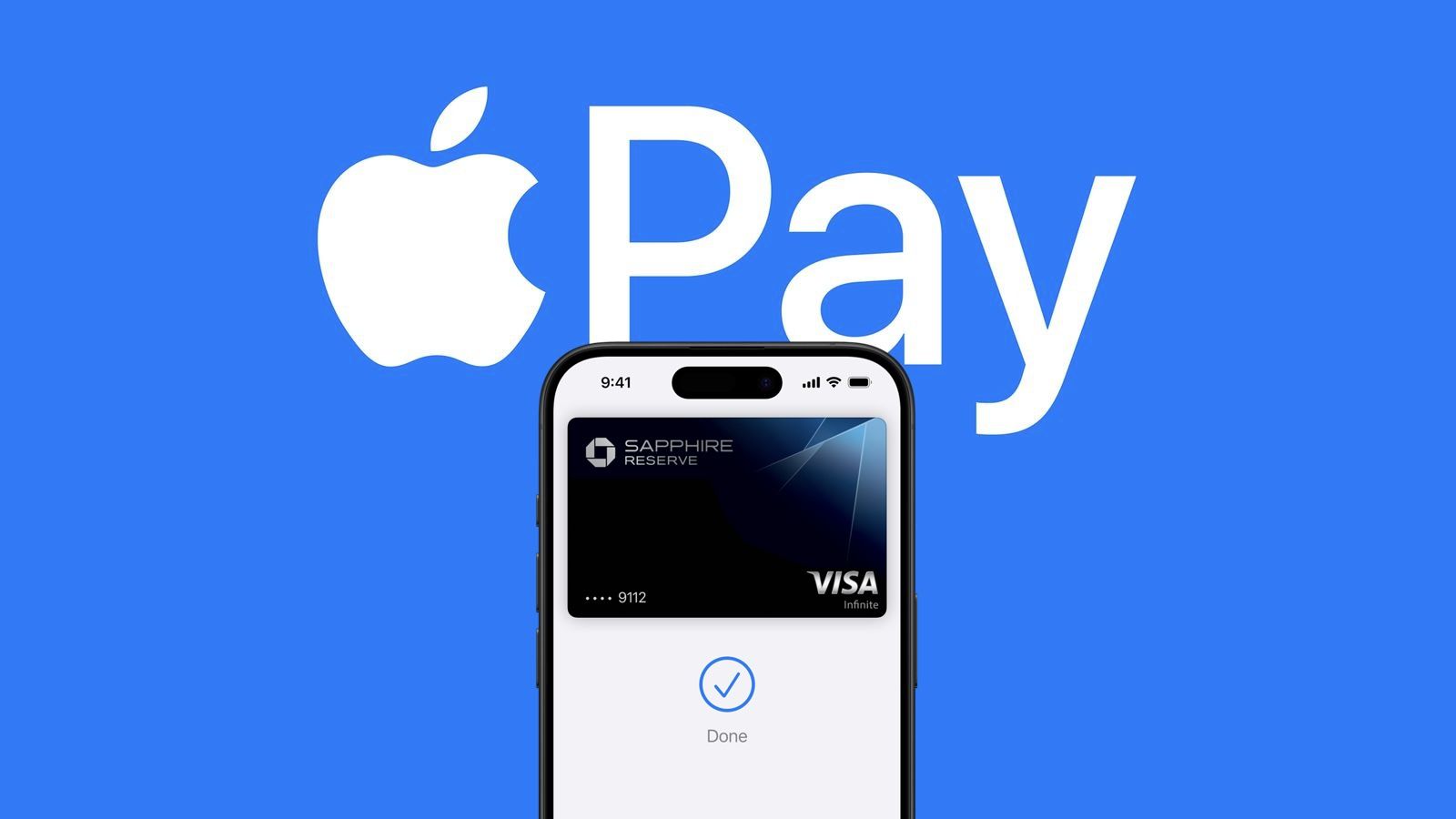
As of the rollout of iOS 18.1, Apple officially opened the NFC chip to third-party developers, allowing them to offer contactless payments directly through their own applications in several regions, including the United States, Canada, Australia, Brazil, Japan, the UK, and the European Economic Area. While this development represents a significant departure from the company’s long-standing policy, the plaintiffs in the class-action lawsuit argue that these changes do not absolve Apple of past antitrust violations. The lawsuit continues to seek damages for the fees already paid and injunctive relief to ensure that the current, more open environment remains permanent and competitive.
Expert Testimony and Monopoly Allegations
A pivotal moment in the recent court ruling was Judge White’s decision to allow expert testimony that specifically examines Apple’s monopoly power. Apple’s legal team had sought to exclude this testimony, arguing that it relied on flawed methodologies and failed to account for the competitive nature of the broader digital payments market. By denying this motion, the court has essentially signaled that the question of whether Apple possesses sufficient market power to stifle competition is a triable issue for a jury.
Experts for the plaintiffs are expected to present evidence demonstrating that the integration of the iPhone’s hardware with its software services creates a barrier to entry that no other mobile wallet can overcome. They point to the "seamlessness" of Apple Pay as a feature that, while convenient for users, serves as a mechanism to lock consumers into a payment ecosystem that limits the ability of banks to differentiate their own services.
Broader Implications for the Tech Industry
The outcome of this lawsuit could have profound implications for how Big Tech companies manage their proprietary hardware. If the plaintiffs succeed, it could establish a legal precedent that hardware manufacturers cannot use their dominant market position in device sales to force usage of their own software services, particularly in the financial services sector.
For the banking industry, the success of the class action would provide a significant financial recovery. However, the more lasting impact may be the structural change in the mobile payment market. If banks and fintech companies are empowered to build their own contactless payment solutions without paying a middleman fee to Apple, the landscape of mobile commerce could become significantly more fragmented and competitive.
Conversely, a victory for Apple would reinforce the company’s position that its integrated ecosystem is a feature of its products, not a violation of competition law. Apple has long argued that its control over the NFC chip is essential for maintaining the high security and privacy standards that users expect. They contend that allowing third-party access—even with current restrictions—requires delicate management to prevent potential fraud or security vulnerabilities.
Ongoing Legal Challenges
This case is part of a wider wave of litigation and regulatory action currently facing the Cupertino-based company. As noted in recent headlines, Apple is also contending with a $250 million settlement regarding the delayed rollout of Siri AI features and an ongoing dispute with OpenAI concerning trade secrets. These legal entanglements suggest a period of intense scrutiny for Apple, as courts and regulators worldwide increasingly challenge the company’s business model.
As the Apple Pay class action moves toward trial, the focus will likely remain on the intersection of technical innovation and competitive fairness. For now, the financial sector is watching closely, as the ruling represents one of the most significant collective efforts by banks and credit unions to reclaim control over their digital transaction channels. Whether this leads to a fundamental shift in mobile payment economics or confirms the status quo remains to be seen in the coming months of legal proceedings.