The Emergence and Strategic Importance of Answer Engine Optimization (AEO) Rank Trackers in the Age of AI

The rapid evolution of artificial intelligence (AI) has fundamentally reshaped how users seek and consume information online, ushering in a new era where traditional search engine optimization (SEO) must be complemented by Answer Engine Optimization (AEO). As AI-powered chatbots and generative search experiences become ubiquitous, the quest for brand visibility shifts from securing a top spot on a list of "blue links" to ensuring prominent and authoritative inclusion within synthesized, AI-generated answers. This paradigm shift necessitates a specialized set of tools: AEO rank trackers, designed to gauge a brand’s presence, influence, and sentiment within these new digital landscapes.
The Dawn of Answer Engine Optimization: A Paradigm Shift
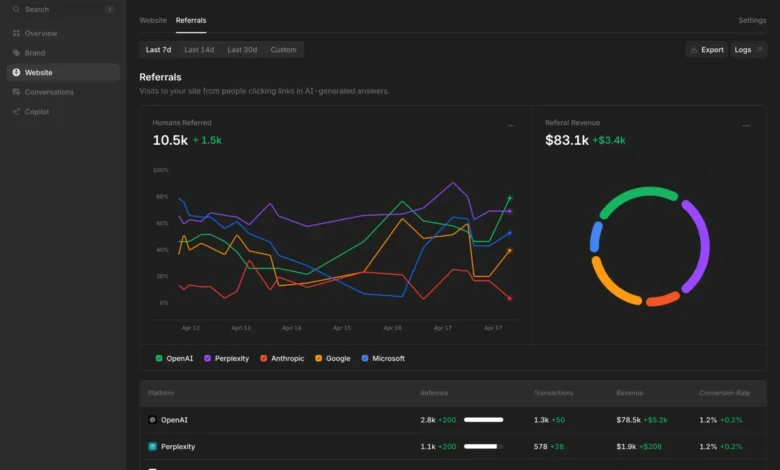
For decades, digital marketing revolved around SEO, a discipline focused on optimizing websites to rank highly on search engine results pages (SERPs). Success was measured by keyword rankings, organic traffic, and click-through rates, all tethered to the hierarchical display of web pages. However, the advent of sophisticated large language models (LLMs) and their integration into search interfaces—such as ChatGPT, Google’s Gemini, Microsoft’s Copilot, Perplexity AI, and Anthropic’s Claude—has introduced an entirely different mechanism for information retrieval.
These AI answer engines do not merely present a list of links; instead, they synthesize information from vast datasets across the web, generating concise, narrative responses. When a user asks "what’s the best CRM for small businesses?" an AI engine doesn’t just return a top result. It retrieves, evaluates, and composes a single answer, often referencing multiple brands, products, and data points in a cohesive narrative. This fundamental difference renders traditional SEO metrics incomplete for assessing true online visibility.

The timeline of this shift has been remarkably swift. While conversational AI has been in development for years, the public release of ChatGPT in late 2022 marked a pivotal moment, rapidly accelerating the adoption and integration of generative AI into mainstream information-seeking behaviors. This sudden surge created an immediate vacuum in measurement capabilities, prompting developers and marketing tech companies to innovate new solutions specifically tailored to the nuances of AI-generated content. Industry experts quickly recognized that a new optimization strategy was required, giving rise to AEO.
AEO Rank Trackers: A New Frontier in Visibility Measurement
AEO rank trackers are purpose-built to navigate this new informational landscape. Unlike their SEO counterparts, which track website positions on SERPs, AEO tools measure whether and how prominently a brand appears within an AI-generated answer. The metrics they focus on are distinct and reflect the synthesized nature of AI responses:
- Citations: These are explicit references or direct links to a specific source (e.g., a blog post, product page, research paper) that the AI engine used to construct its answer. A citation signifies that the AI considered the content a credible and authoritative source.
- Mentions: These occur when an AI engine names a brand, product, or service within its response without providing a direct link back to its content. While not a direct attribution, a mention still signals brand presence and relevance within the broader information ecosystem.
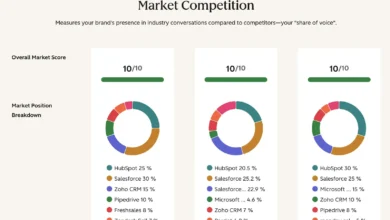
- Share of Voice (SOV): This metric quantifies the percentage of AI-generated answers where a specific brand is mentioned or cited relative to its competitors or the total number of relevant answers for a given set of prompts. A higher SOV indicates stronger overall brand presence in AI conversations.
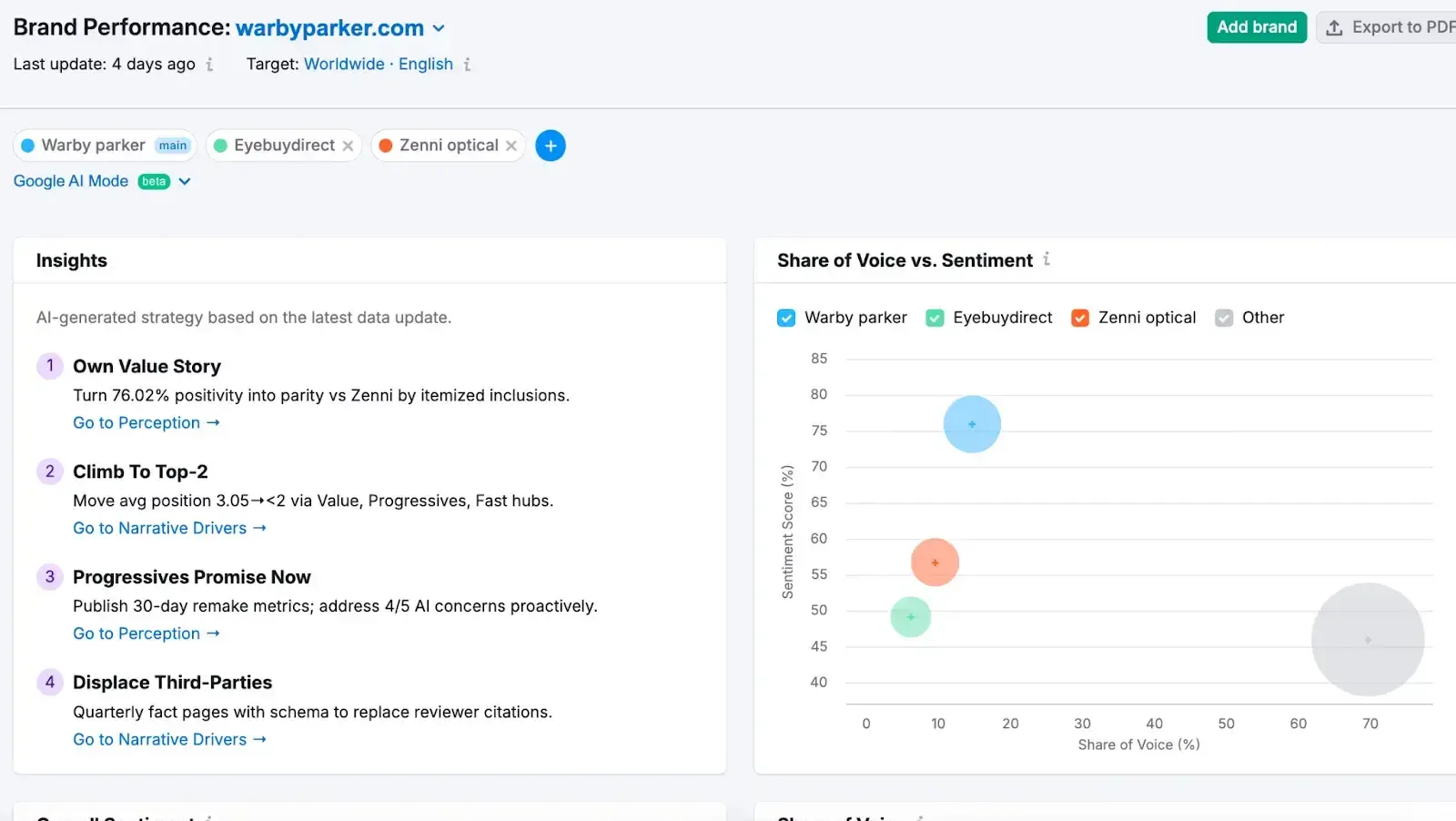
- Sentiment: AEO trackers can analyze the tone and emotional context surrounding brand mentions within AI answers. Positive sentiment reinforces brand reputation, while negative sentiment can signal areas for improvement or reputational management.
- Average Position: Some advanced AEO trackers can measure the typical placement of a brand’s citation within a list of sources presented by the AI, or its prominence within the narrative flow of the answer. This is analogous to traditional keyword position but adapted for AI-generated structures.
This distinction is crucial. Data suggests that a significant percentage of online queries are now either directed to AI chatbots or processed through generative AI features within traditional search engines. A recent survey by Statista indicated that over 40% of internet users worldwide reported using generative AI tools as of early 2024. As this adoption grows, brands that only monitor traditional SEO metrics risk overlooking a substantial and growing segment of their target audience. AEO tracking provides a holistic view, ensuring brands remain visible and influential across all digital touchpoints.
Key Features Defining Robust AEO Tracking

Given the nascent stage of AEO tools, there are significant feature gaps between platforms. However, certain capabilities are emerging as essential for effective LLM performance tracking and content optimization:
- Multi-Engine Coverage: A comprehensive AEO tracker must monitor visibility across various prominent AI engines, including ChatGPT, Google’s Gemini/AI Overviews, Perplexity AI, Microsoft Copilot, and potentially others like Claude or Grok. Brands cannot afford to optimize for just one AI platform.
- Citation-Level Analytics: The ability to precisely identify the specific URLs or content pieces that an AI engine cites is paramount. This granular data allows content teams to understand what content is resonating and being deemed authoritative by AI.
- Share of Voice & Sentiment Analysis: Beyond simple mentions, understanding the competitive landscape (SOV) and the qualitative nature of brand mentions (sentiment) offers deeper strategic insights for brand management and content refinement.
- Prompt Management and Segmentation: Effective trackers allow users to input and manage a large volume of prompts relevant to their business. Advanced tools offer segmentation capabilities, enabling the analysis of how visibility shifts based on geographic location, language, or specific user personas, which is particularly vital for local SEO strategies.
- Competitive Intelligence: A robust AEO tracker should provide detailed comparisons of citation rates, mention frequency, and sentiment between a brand and its key competitors. This intelligence is critical for identifying gaps and opportunities.
- Actionable Insights and Integration: The best tools don’t just present data; they translate it into actionable recommendations for content creation, updates, and distribution. Integration with existing marketing workflows, such as CRM or content management systems, streamlines the entire optimization process.
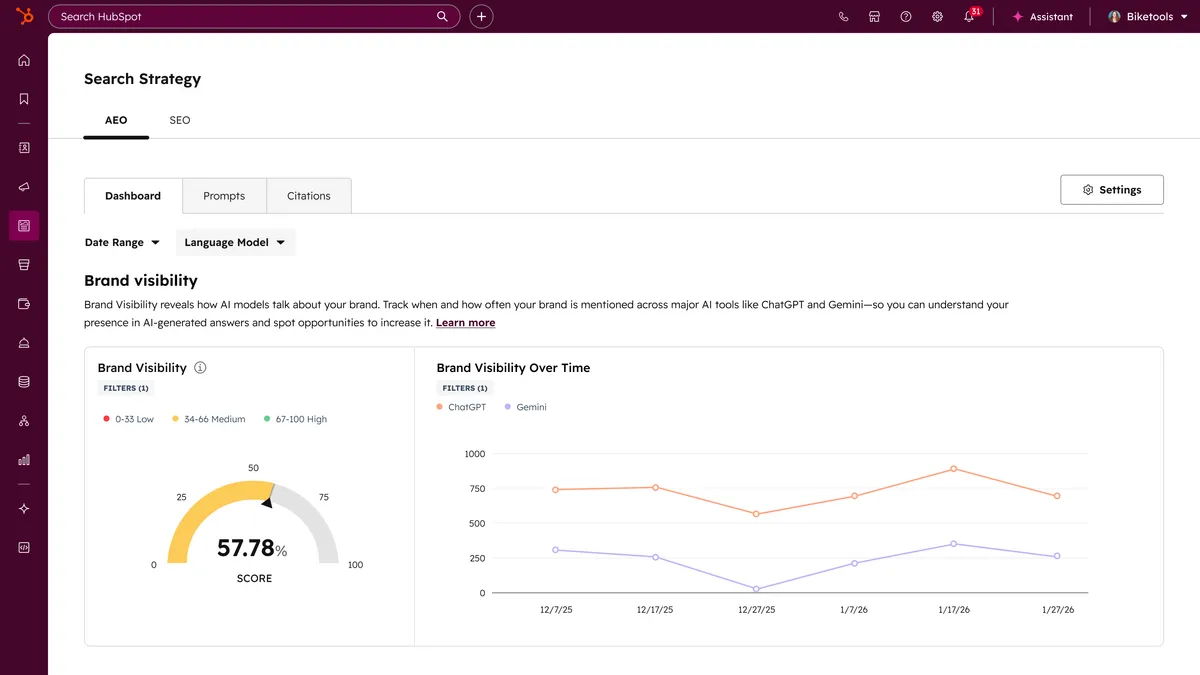
- Historical Data Tracking: The ability to track performance over time allows marketers to observe trends, measure the impact of content changes, and adapt strategies proactively to the constantly evolving AI landscape.
Strategic Deployment: Transforming Insights into Content Advantage
Once an AEO tracker is deployed and collecting data, the strategic value lies in transforming these insights into tangible content wins. A highly effective starting point is often competitive reverse-engineering.
Reverse-Engineering Competitor Visibility:
Most AEO trackers facilitate direct comparisons of brand visibility. The process involves identifying prompts where competitors are consistently cited or mentioned, while your brand is not. This goes beyond a simple "are they showing up?" to "what did they publish, and where, that earned them that citation?" Key patterns often emerge:
- Definitive Guides and Research: Competitors might be cited for comprehensive, data-rich guides or original research that establish them as authorities on specific topics.
- Comparison Pages and Reviews: AI engines frequently pull from content that directly compares products or services, especially if it’s perceived as unbiased or thoroughly researched.
- Third-Party Validation: Inclusion in reputable industry roundups, expert interviews, or review sites can significantly boost a brand’s authority in the eyes of AI models.
- Structured Data and FAQs: Content optimized with schema markup and clear, concise answers to common questions often performs well in AI synthesis.
Turning Analysis into an Action Plan:
Identifying these patterns directly informs content strategy. If competitors are winning on "best CRM for small businesses" through a comprehensive comparison page, the action might be to create an even more detailed, data-backed comparison, perhaps incorporating user reviews or unique insights. If they are cited for original research, the response could be to conduct and publish proprietary studies.
The overarching goal is not merely to replicate competitor content but to understand what attributes (e.g., depth, accuracy, authority, specific data points) the AI engine values for particular query clusters. Brands should leverage their unique expertise, data, and voice to create superior content that satisfies these AI-driven criteria. This approach reinforces the importance of Expertise, Authoritativeness, and Trustworthiness (E-A-T, now often expanded to E-E-A-T for experience) – principles that AI models are increasingly designed to recognize and prioritize.
Selecting the Optimal AEO Rank Tracker for Your Organization
Choosing the right AEO tracker requires a careful assessment of internal needs, resources, and strategic goals. Beyond feature lists, consider these practical questions:
- Budgetary Constraints: What is the allocated monthly or annual budget for AEO tools? Pricing varies significantly, from basic plans to enterprise-level solutions.
- Team Size and Workflow Integration: How many team members will use the tool, and how will it integrate with existing marketing, content, or SEO workflows? Seamless integration can prevent tool sprawl and enhance efficiency.
- Required Depth of Analytics: Does the team need basic brand mention tracking, or advanced features like sentiment analysis, average position, and persona-level segmentation?
- Target AI Engines: Which AI platforms are most critical for your target audience? Ensure the tracker covers these specific engines.
- Ease of Use and Reporting: Is the interface intuitive? Can reports be easily generated and understood by various stakeholders, from content creators to executive leadership?
A practical approach involves building a weighted scorecard. List five to seven critical criteria based on the above questions, assign a weight to each criterion reflecting its importance to your team, and then rate each prospective tool on a 1-5 scale for each criterion. This objective framework can help surface the best fit, minimizing bias from product demos. Furthermore, always leverage free trials to run a consistent set of 5-10 key prompts through each tool to directly compare the depth, accuracy, and utility of the returned data. HubSpot’s AEO tool, for instance, offers a 28-day free trial for tracking 10 prompts on ChatGPT, providing a valuable starting point.
Leading AEO Rank Tracker Solutions in the Market
The market for AEO rank trackers is dynamic and rapidly evolving, with several platforms offering distinct approaches to monitoring AI visibility.
-
HubSpot AEO:
- Best for: Teams seeking integrated visibility tracking and content execution within a unified marketing platform.
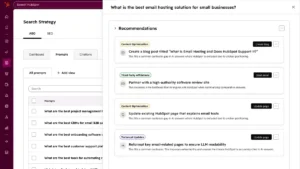
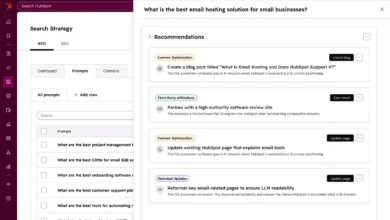
- HubSpot AEO tracks brand visibility, citations, share of voice, and sentiment across major AI engines like ChatGPT, Perplexity, and Gemini. Paid plans (starting at $50/month) offer prompt volumes comparable to their Marketing Hub Pro ($890/month) and Enterprise ($3600/month) tiers, with CRM data informing prompt suggestions for tailored tracking. Its strength lies in its ability to connect AEO insights directly to content creation and customer data within the HubSpot ecosystem, streamlining the entire content optimization workflow.
-
Semrush AI Visibility Toolkit:
- Best for: Existing SEO teams looking to seamlessly integrate AEO capabilities into their established Semrush workflow.
- Semrush extends its robust SEO suite with the AI Visibility Toolkit, tracking brand mentions and sentiment across ChatGPT, Google AI Mode, AI Overviews, Gemini, and Perplexity. Its Prompt Tracking feature provides an "Average Position" metric, indicating where citations typically appear in AI responses. Available as a standalone at $99/month or integrated into Semrush One ($199/month), it offers a familiar interface and data integration for current Semrush users.
-
Profound:
- Best for: Enterprise teams requiring deep analytics, extensive multi-engine coverage, and advanced features.
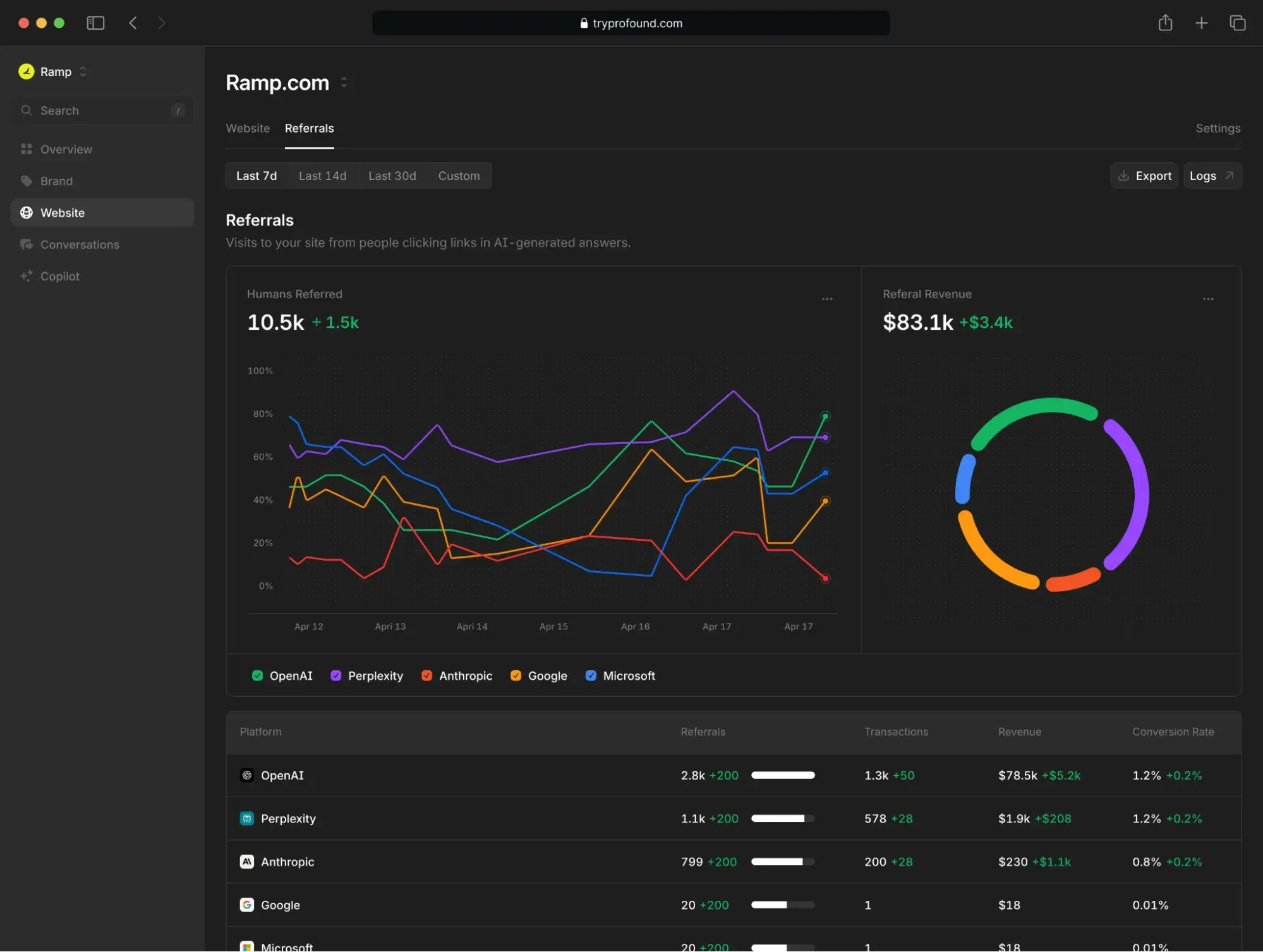
- Profound boasts coverage across up to 10 answer engines, including ChatGPT, Gemini, Claude, Perplexity, Copilot, Grok, and DeepSeek. It offers advanced features such as "query fanout" (understanding variations of a prompt) and "prompt volumes," alongside "Average Position" tracking. Starting at $99/month for ChatGPT-only tracking (50 prompts), its multi-engine "Growth" tier begins at $399/month, catering to organizations with complex, high-volume tracking needs.
-
Otterly:
- Best for: Lean teams and small to medium-sized businesses beginning AEO tracking without requiring enterprise-level complexity.
- Otterly covers six answer engines, including ChatGPT, Perplexity, Google AI Overviews, and Copilot, with Google AI Mode and Gemini as add-ons. It offers average brand position, sentiment tracking, and a comprehensive audit evaluating over 25 factors influencing AI visibility. With pricing starting at $29/month for 15 prompts and scaling up, Otterly provides an accessible entry point for brands to initiate their AEO journey.
The Future Outlook: Complementary, Not Substitutive
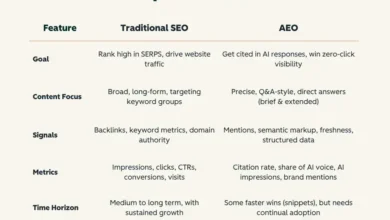
It is critical to reiterate that AEO rank trackers do not replace traditional SEO tools; they complement them. SEO tools remain essential for tracking website performance on traditional SERPs, including keyword rankings, clicks, impressions, and technical SEO health. AEO tools, conversely, focus on the distinct mechanics of AI-generated answers, measuring citations, mentions, and share of voice within synthesized responses. A holistic understanding of digital visibility necessitates the deployment of both AEO and SEO strategies and tools.
The landscape of AI-powered search is dynamic, with models continuously updating and user behaviors evolving. Therefore, ongoing monitoring and adaptation are paramount. Marketers should review prompt performance weekly to detect sudden shifts in visibility and refresh their prompt lists monthly to ensure they are tracking questions most relevant to current buyer intent. Furthermore, as AI models become more sophisticated, the ability to measure persona-level visibility—understanding how AI answers vary by user location, language, or profile context—will become increasingly important for targeted marketing and local optimization efforts.
For those with limited budgets, starting with free tools like HubSpot’s AEO Grader can provide a baseline AI visibility score without immediate financial commitment, offering an initial understanding of where a brand stands in this emerging digital frontier. As generative AI continues to mature and integrate deeper into the fabric of online information retrieval, AEO will transition from a niche consideration to an indispensable pillar of any comprehensive digital marketing strategy.