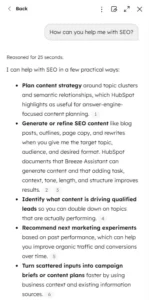
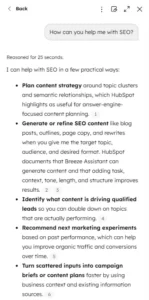
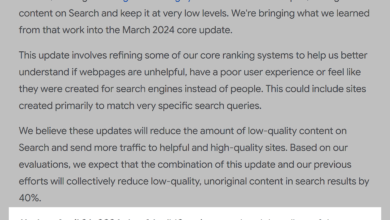
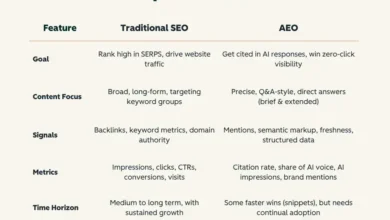
Your content can rank on the first page of Google and still never be cited or mentioned by LLMs.

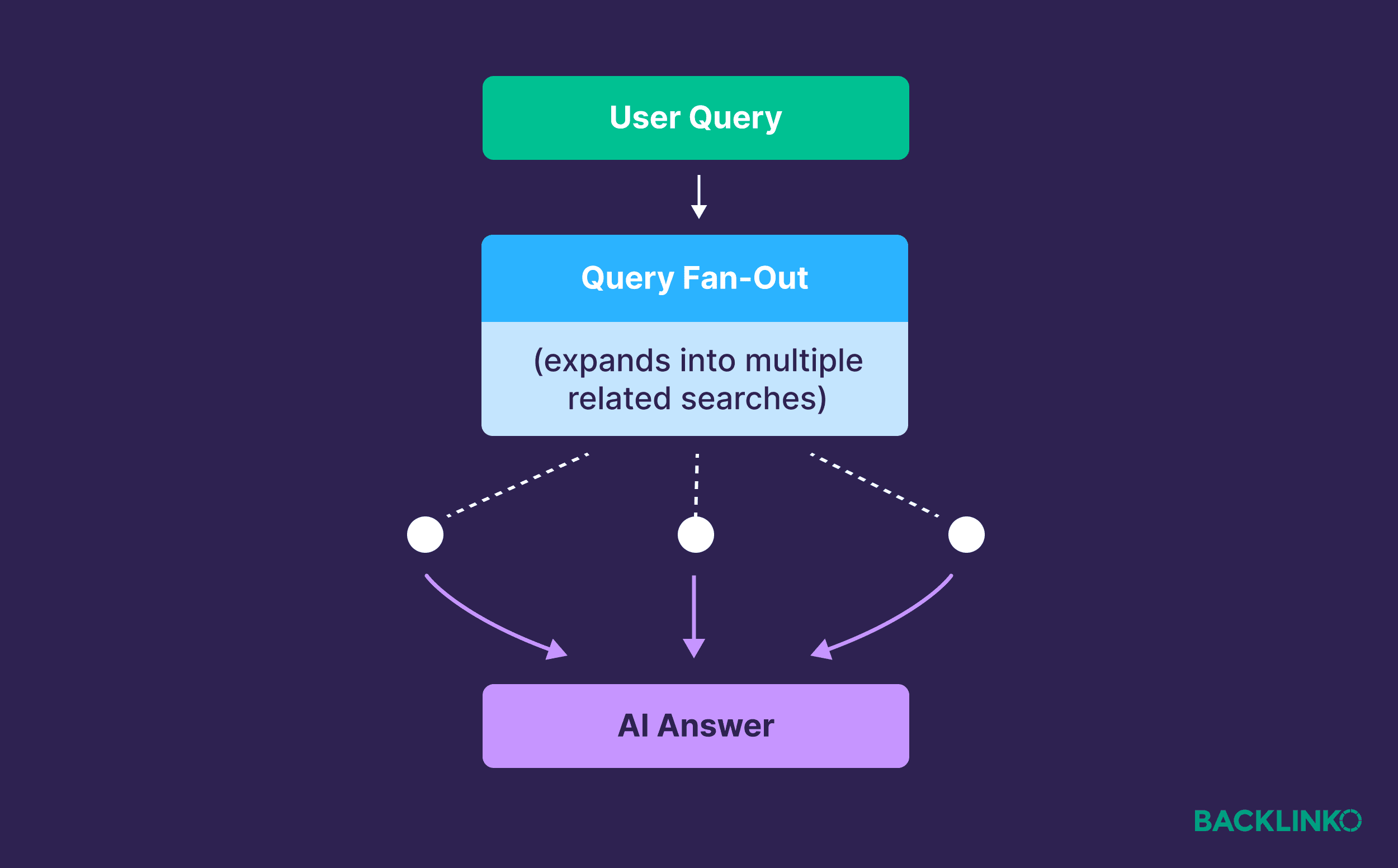
This emerging paradox in the digital landscape underscores a fundamental shift in how artificial intelligence systems process and synthesize information for users. The traditional metrics of search engine optimization (SEO), long centered on achieving top rankings in Google’s organic results, are proving insufficient for ensuring visibility within the burgeoning realm of AI-powered search. The underlying mechanism driving this divergence is known as "query fan-out," a sophisticated background process employed by advanced AI systems like ChatGPT, Perplexity, and Google’s own AI features to construct comprehensive and relevant answers.
The Evolution of Search: From Keywords to Conversational AI
For decades, the internet search paradigm revolved around keywords. Users typed specific terms into a search bar, and algorithms returned a list of web pages ranked by relevance and authority. SEO professionals meticulously crafted content, built backlinks, and optimized technical elements to climb these rankings, aiming for the coveted first page, or even the top three positions, where click-through rates are highest.
However, the rapid advancement and widespread adoption of Large Language Models (LLMs) have introduced a new dimension to information retrieval. Users are increasingly interacting with AI chatbots and conversational interfaces, posing complex, multi-part questions in natural language. These AI systems are not merely listing web pages; they are generating synthesized answers, often drawing information from multiple sources and presenting it directly to the user. This marks a significant evolution from traditional "link-out" search to "answer-in" AI, fundamentally altering the competitive dynamics for content creators and brands.
Understanding Query Fan-Out: The AI’s Deeper Dive
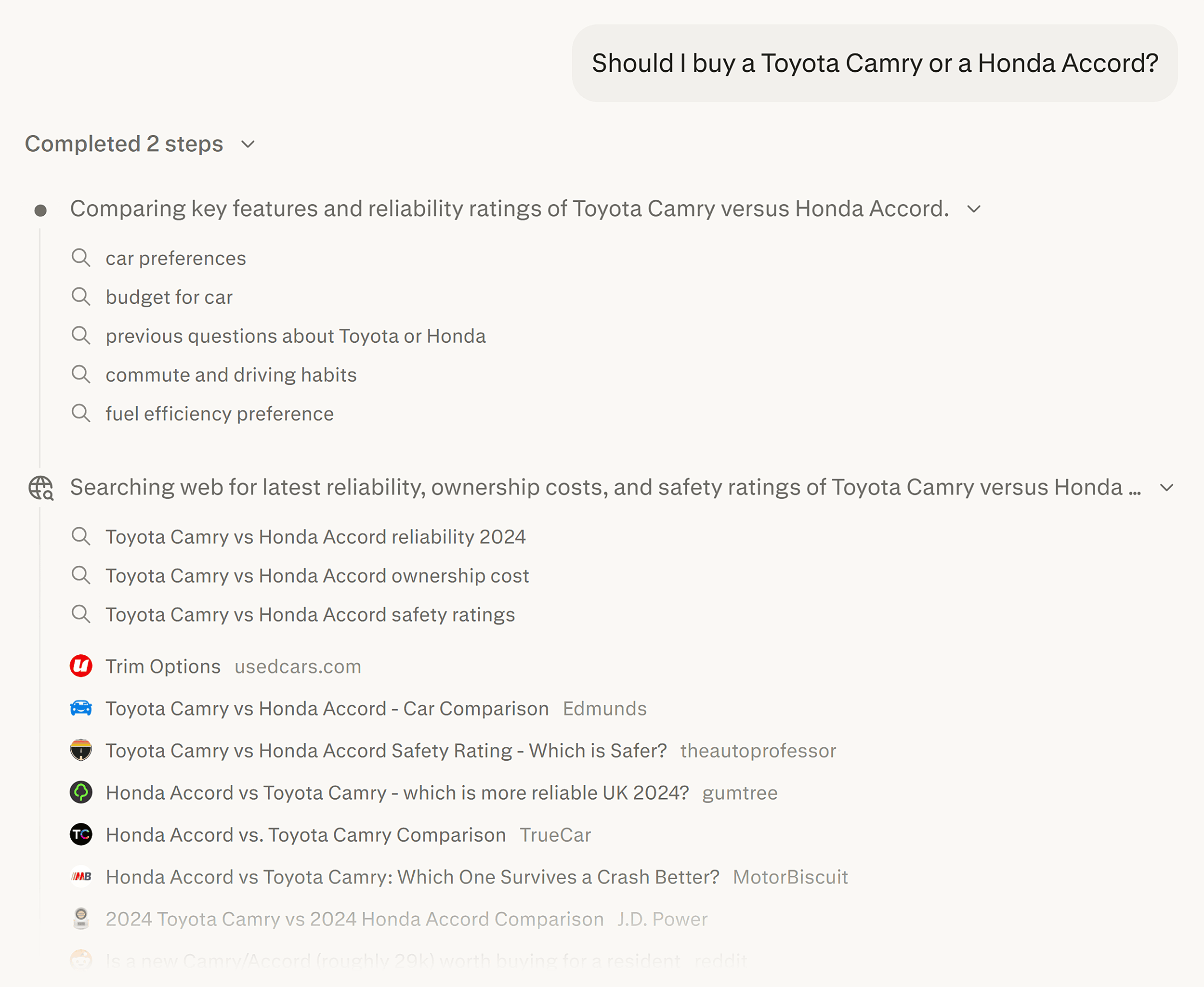
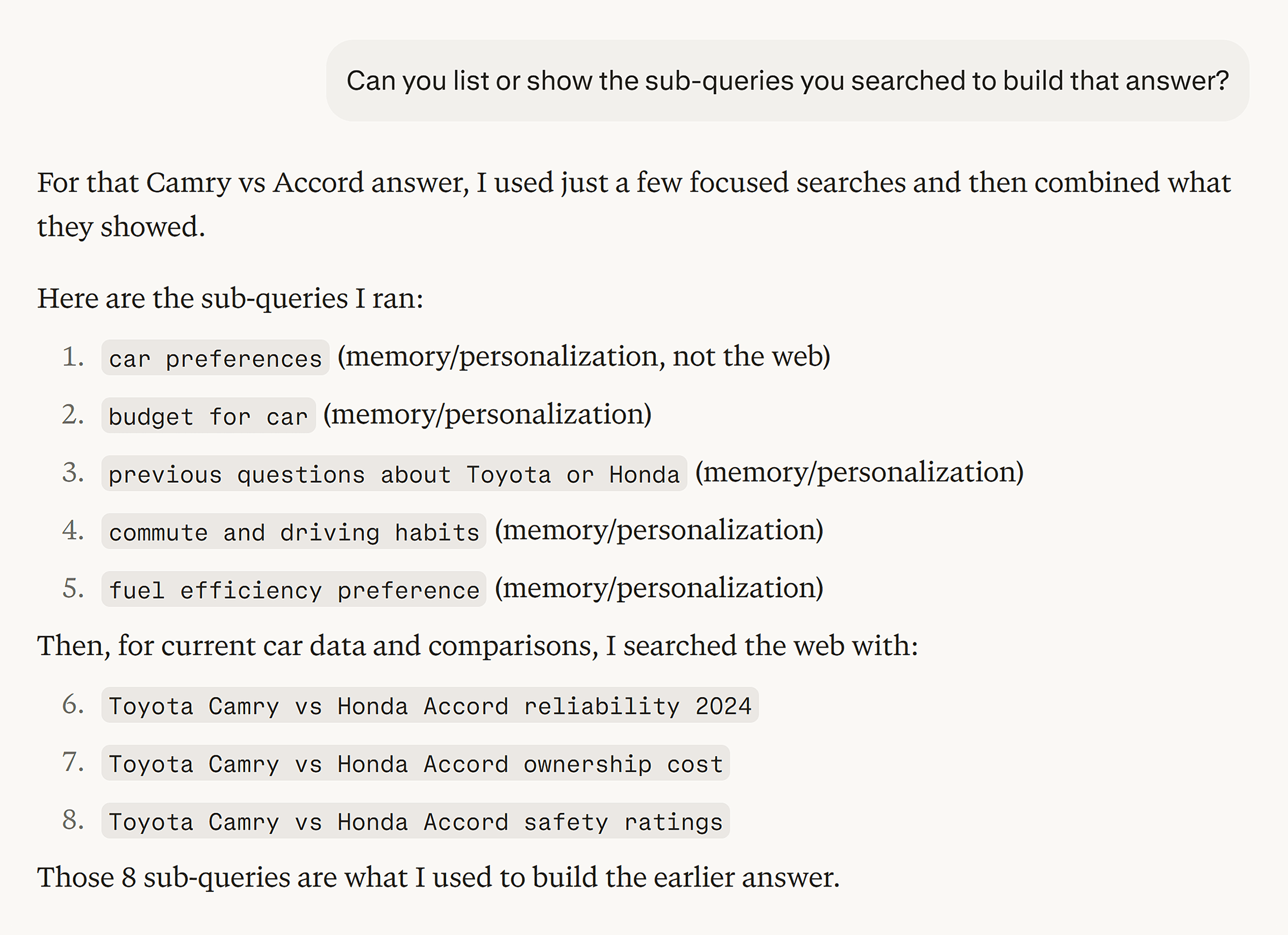
Query fan-out is the process by which an AI search system dissects a single, often broad, user query into numerous granular sub-queries. These sub-queries are then used to perform a more exhaustive and nuanced search across vast datasets, including the live web, specialized databases, and internal knowledge bases. The objective is to build a holistic understanding of the user’s intent and gather diverse perspectives to formulate a complete, helpful response.
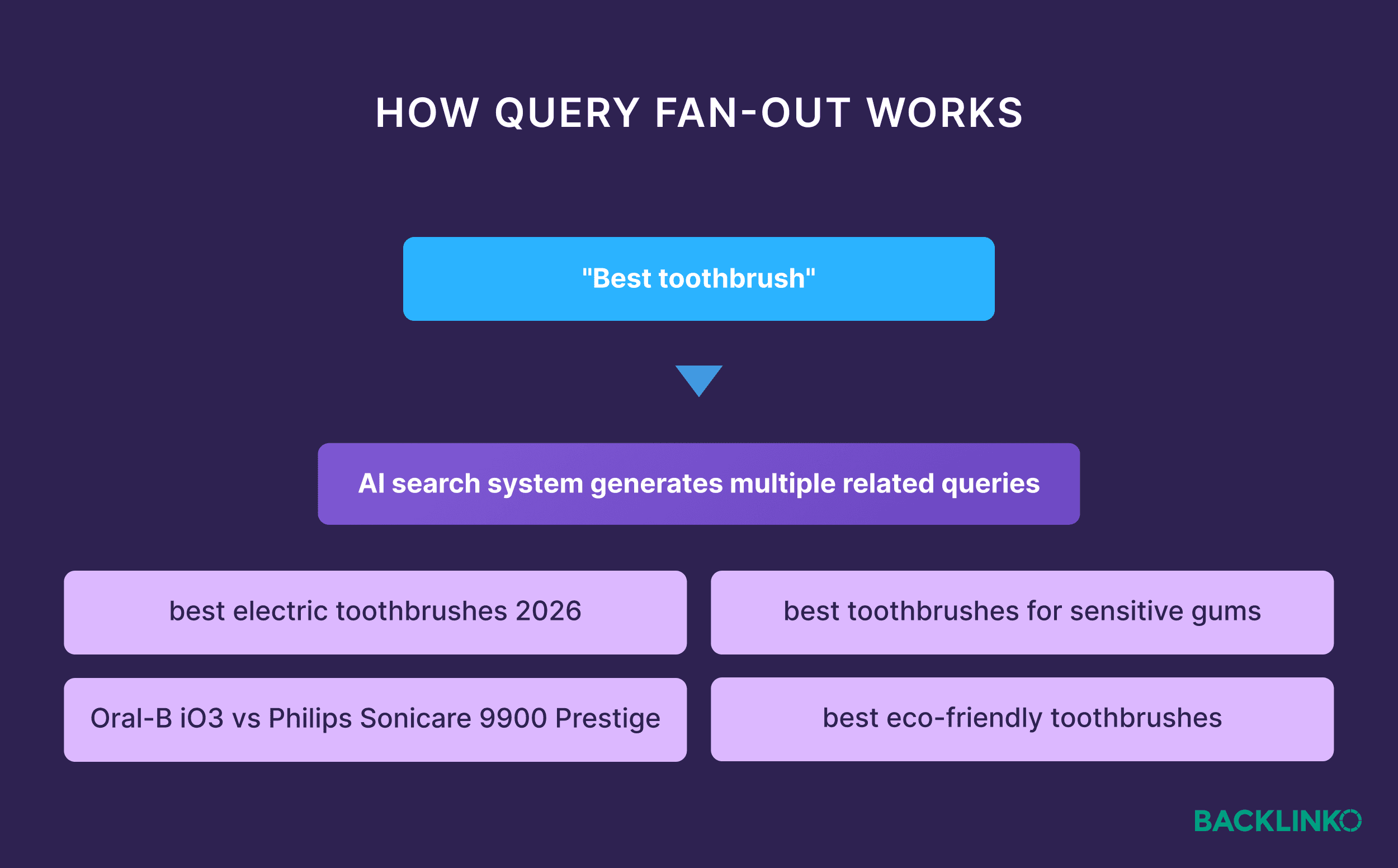
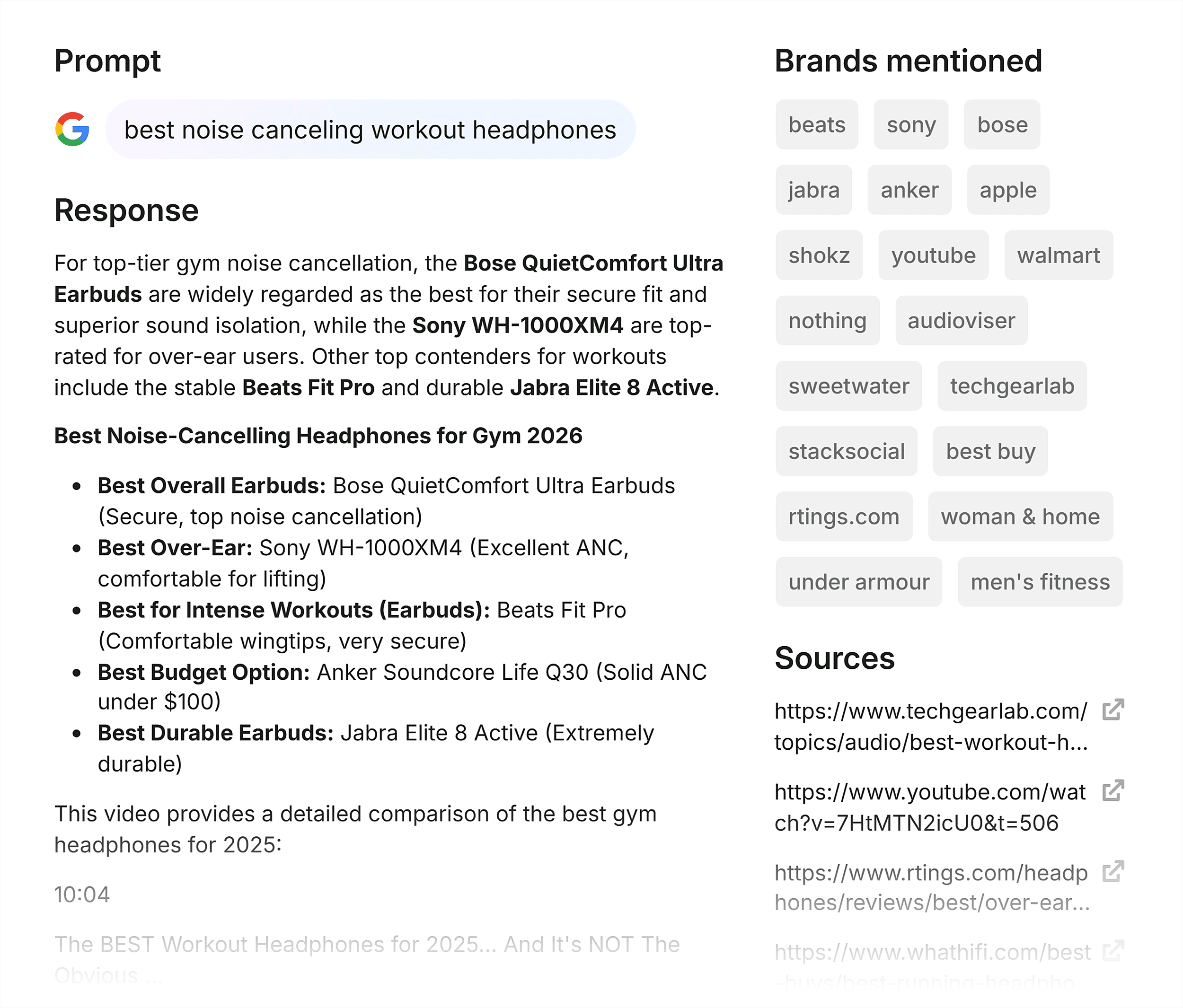
For instance, if a user asks ChatGPT or Perplexity a question like "What are the best noise-canceling headphones for remote work under $300?", the AI doesn’t simply look for a page ranking highly for "best noise-canceling headphones." Instead, it might generate a series of interconnected sub-queries behind the scenes, such as:
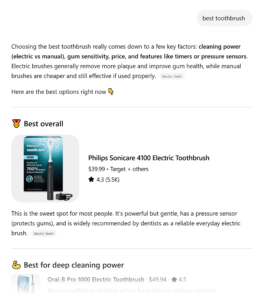
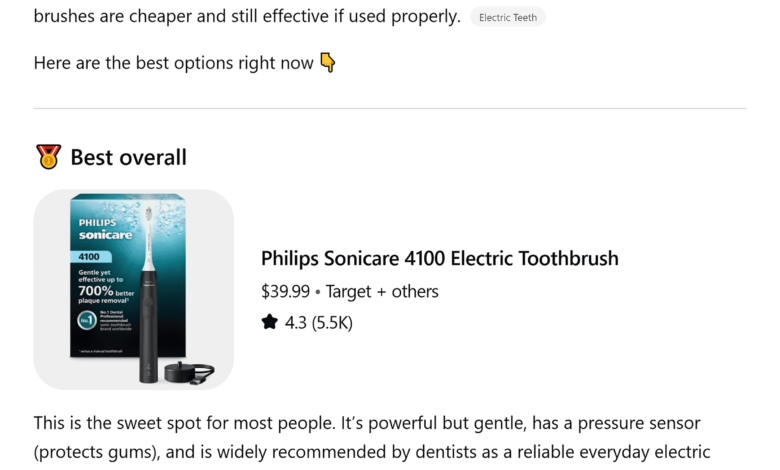
- "Best electric toothbrushes [year]" (for top-rated picks and editorial consensus)
- "Best toothbrushes for sensitive gums" (for use-case specific recommendations)
- "Oral-B vs. Philips Sonicare" (for head-to-head comparison data)
- "Best eco-friendly toothbrushes" (for value picks and pricing information)
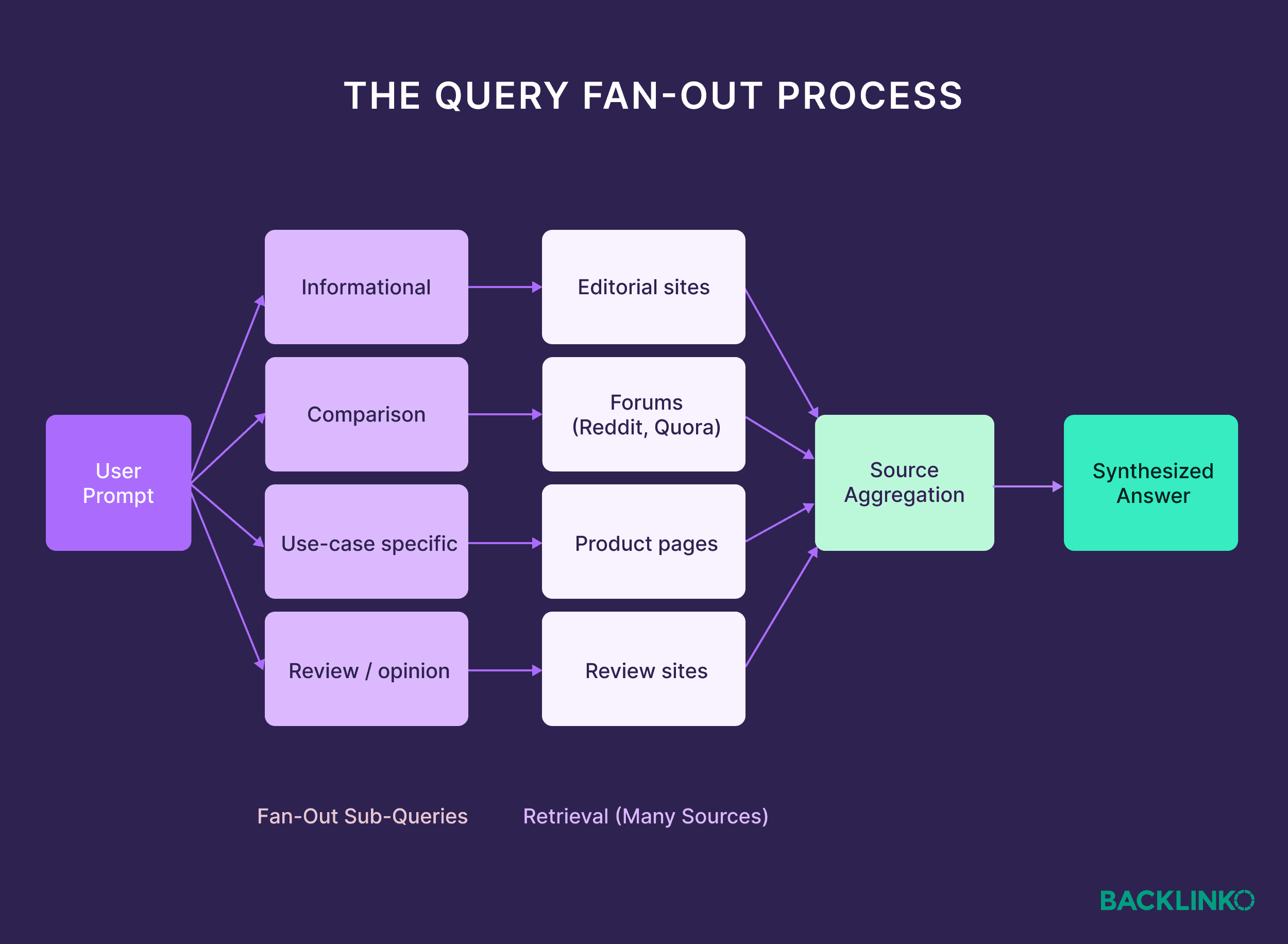
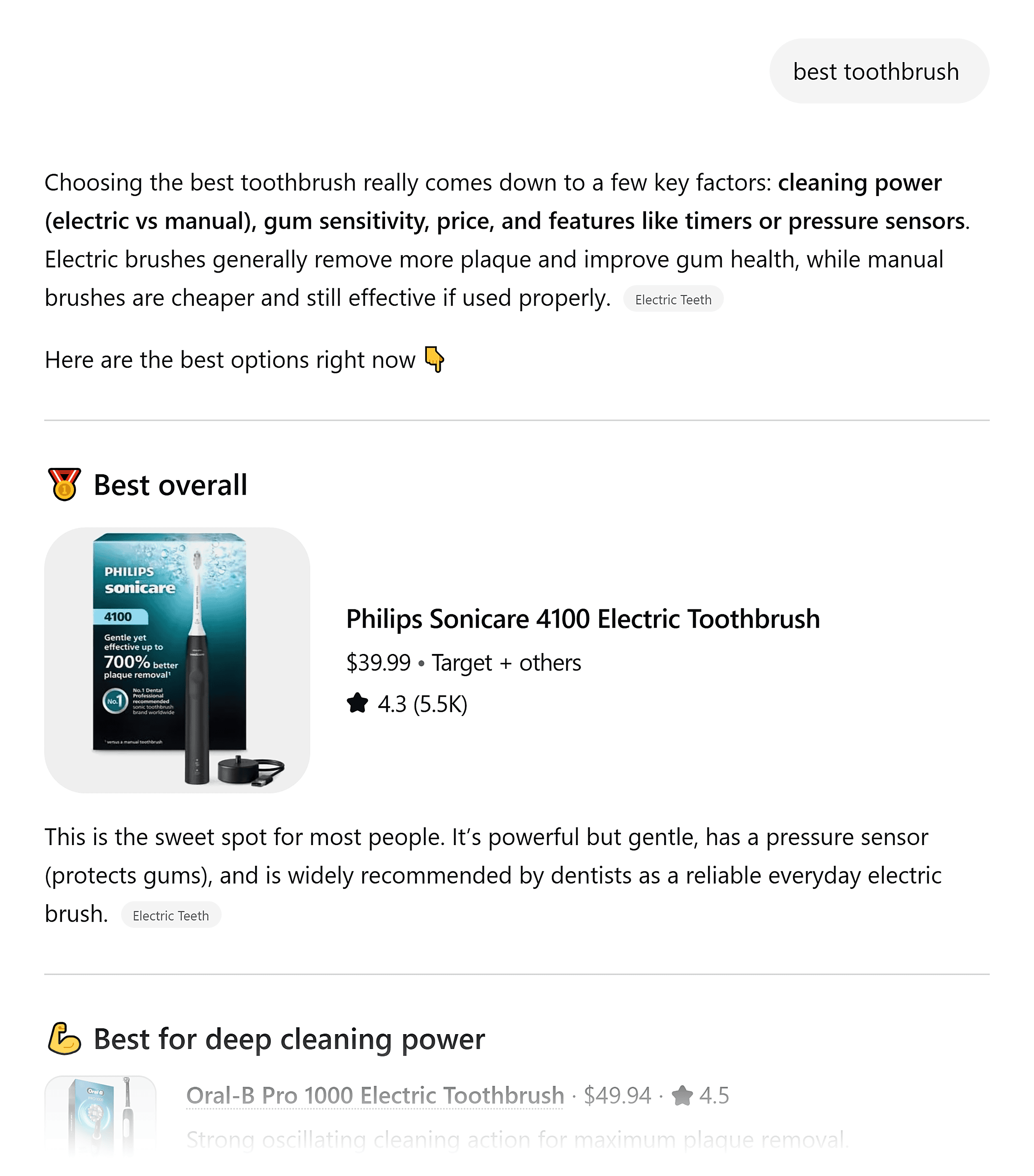
The AI then retrieves information pertaining to each of these sub-queries from a variety of sources – including editorial reviews, user forums like Reddit, product comparison sites, and brand-specific product pages. This raw data is then synthesized into a single, coherent, and comprehensive answer, addressing not just the explicit question but also anticipating related user needs. This proactive approach allows AI to provide an answer that covers top picks, price ranges, use-case breakdowns, and comparisons, all from a seemingly simple initial prompt.
It is crucial to clarify what query fan-out is not:
- It is not simply looking for the best-ranking page on Google.
- It is not exclusively relying on a single, authoritative source.
- It is not a direct keyword match exercise in the traditional SEO sense.
Instead, AI systems prioritize the most relevant and reliable sources for each individual sub-query, irrespective of their overall search engine ranking position. This means that a page ranking #25 for a broad keyword might be cited by an LLM if it provides the most precise and trustworthy answer to a highly specific sub-query generated through fan-out.
Why Query Fan-Out is a Game-Changer for AI Visibility
The mechanics of query fan-out introduce several paradigm shifts that demand a rethinking of traditional content strategy for marketers and businesses:
-
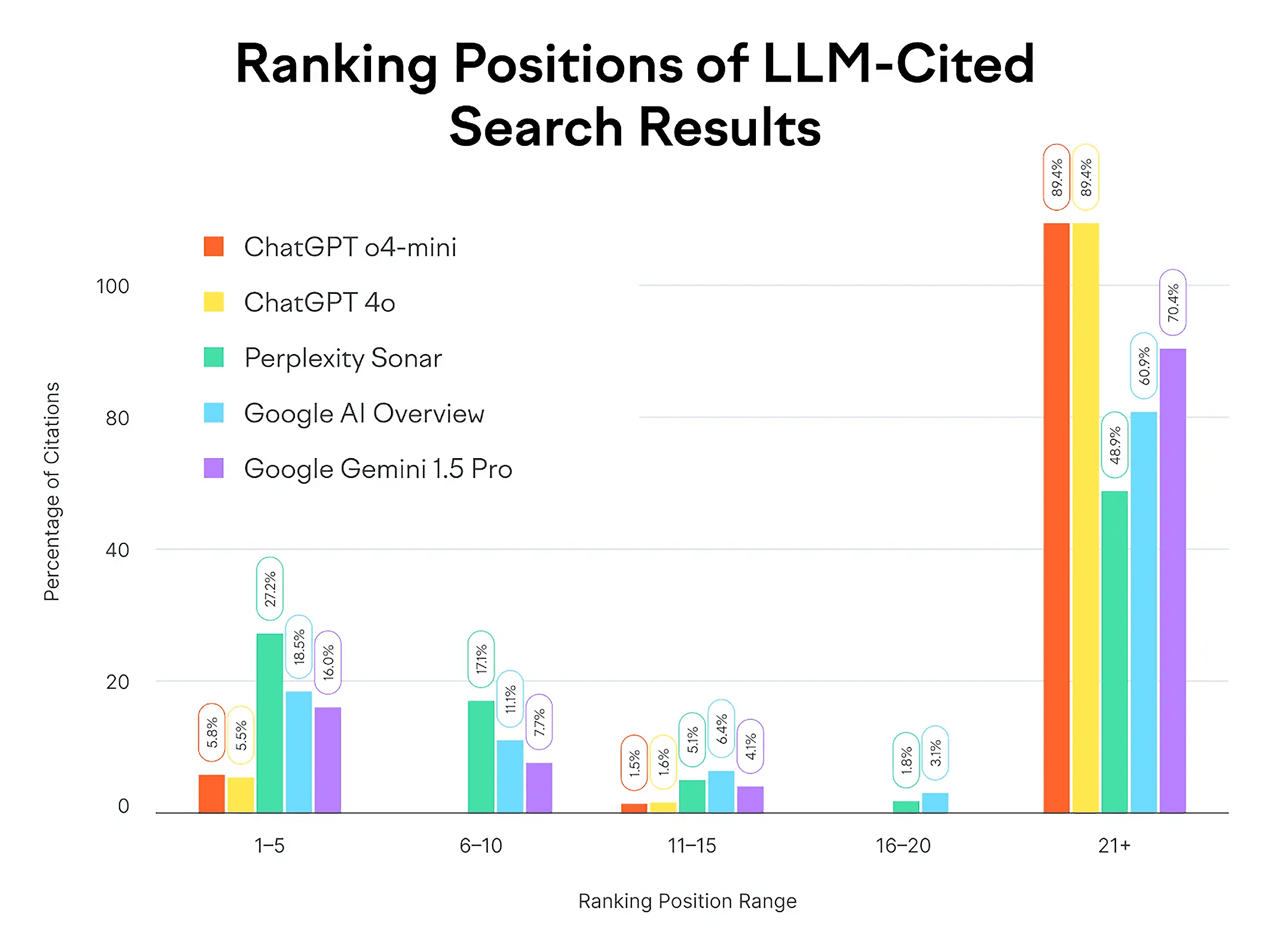
Top Rankings Don’t Guarantee AI Citations: A seminal study by Semrush revealed that approximately 90% of ChatGPT citations originate from pages ranking position 21 or lower in traditional Google search results. Similar patterns have been observed with Perplexity and Google’s own AI features. This data definitively dismantles the long-held belief that only top-ranking content achieves visibility, highlighting that AI prioritizes deep relevance and comprehensive coverage over mere positional authority in standard search.
-
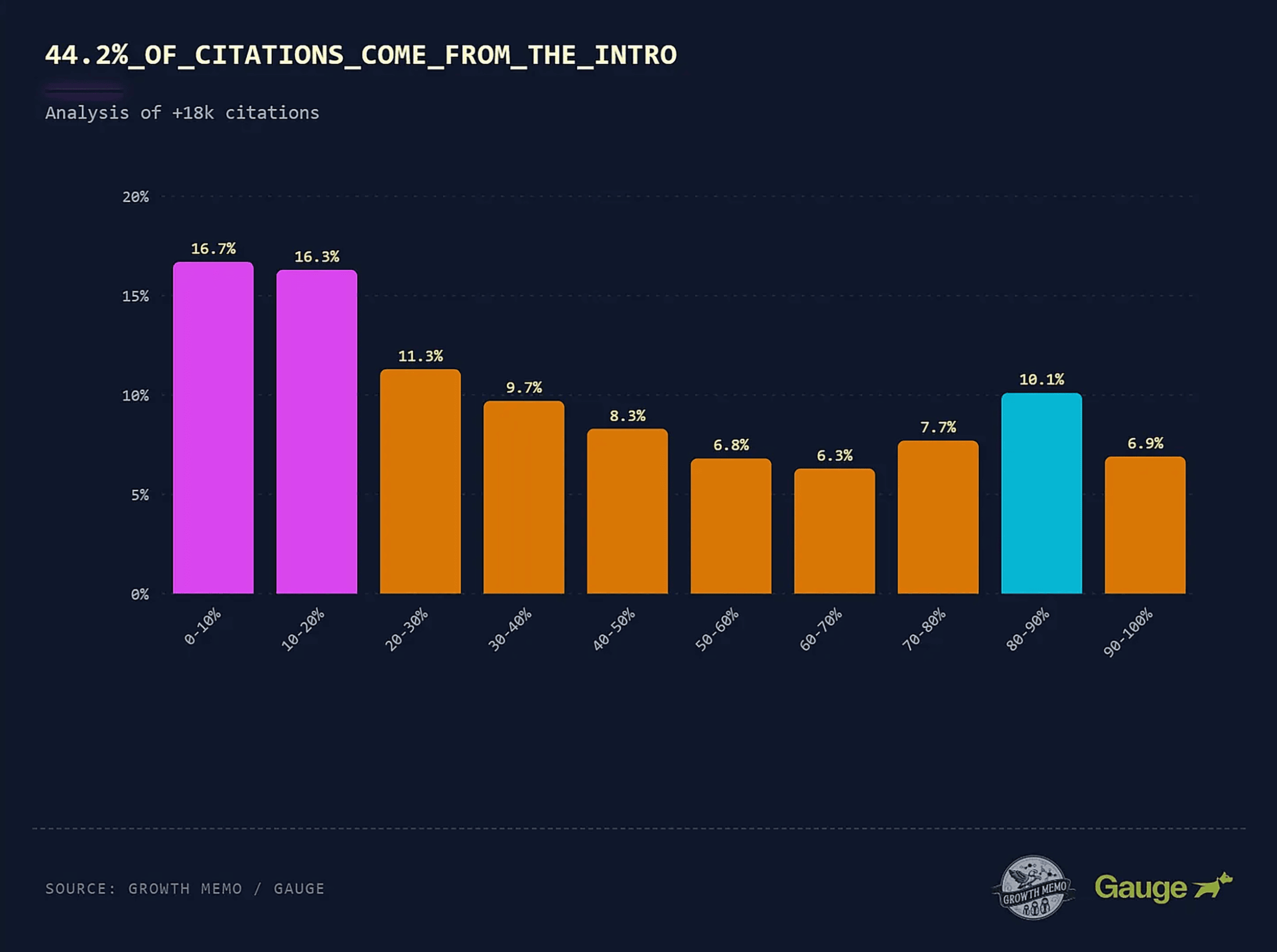
AI Retrieves Passages, Not Pages: Unlike traditional search engines that direct users to an entire webpage, AI systems are designed to extract and synthesize specific passages of text that directly answer a query. This implies that the location of an answer within a page is highly significant. Research by growth advisor Kevin Indig, analyzing 1.2 million ChatGPT responses, found that 44.2% of citations came from the first 30% of a page, while 31.1% came from the middle, and only 24.7% from the final third. This emphasizes the critical importance of front-loading answers and structuring content for easy extraction.
-
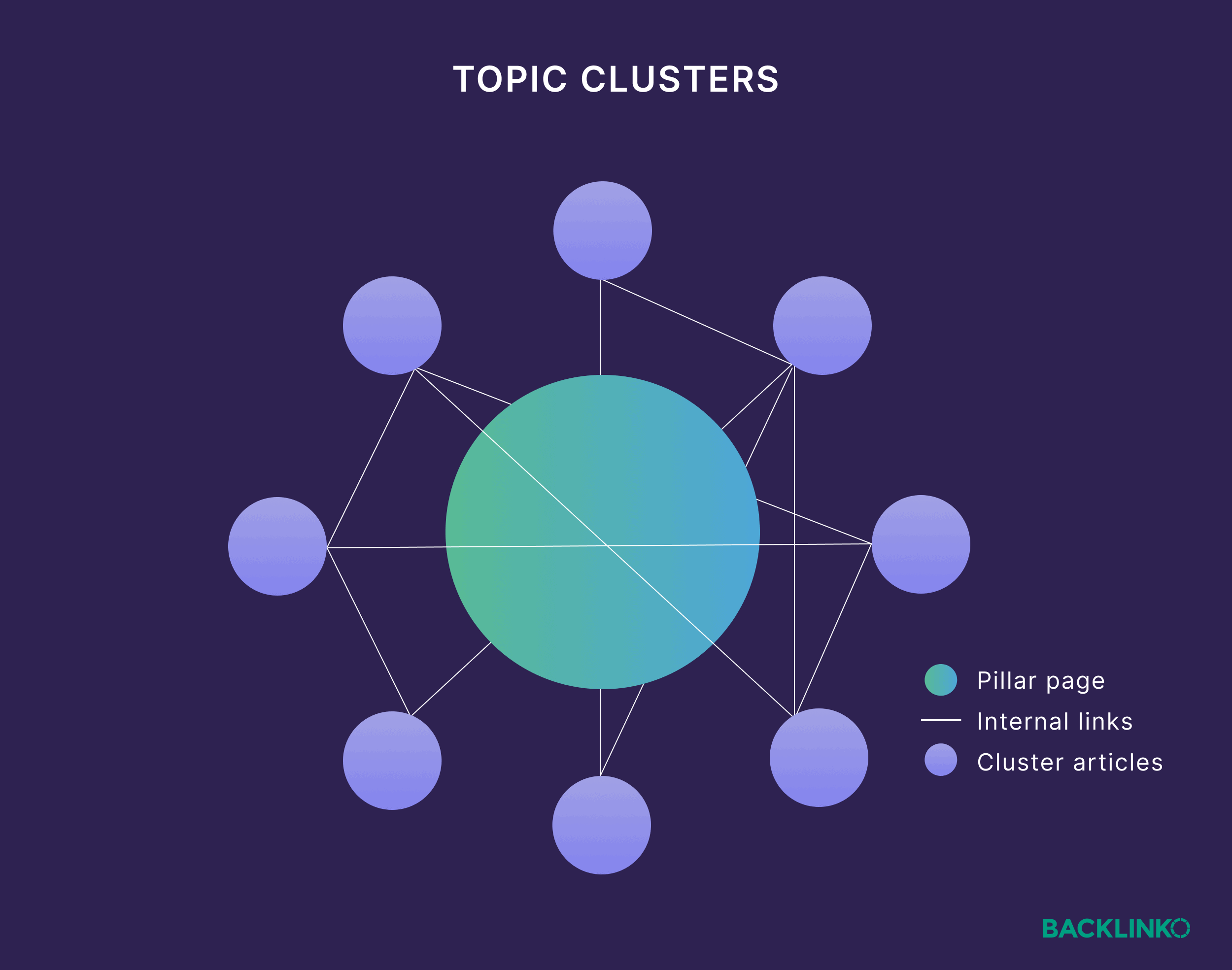
Competition Across Topics, Not Just Keywords: Traditional SEO often focuses on optimizing individual pages for specific keywords. Query fan-out, however, operates on the principle of comprehensive topical coverage. AI aims to understand a topic in its entirety and seeks content that addresses all its facets. This makes broad, interconnected content strategies, like the use of "pillar pages" and "topic clusters," incredibly effective. A pillar page covers a broad topic, while cluster content delves into specific sub-topics, all interlinked. This structure allows AI to draw from a rich ecosystem of related information, signaling deep expertise and authority on a subject.
-
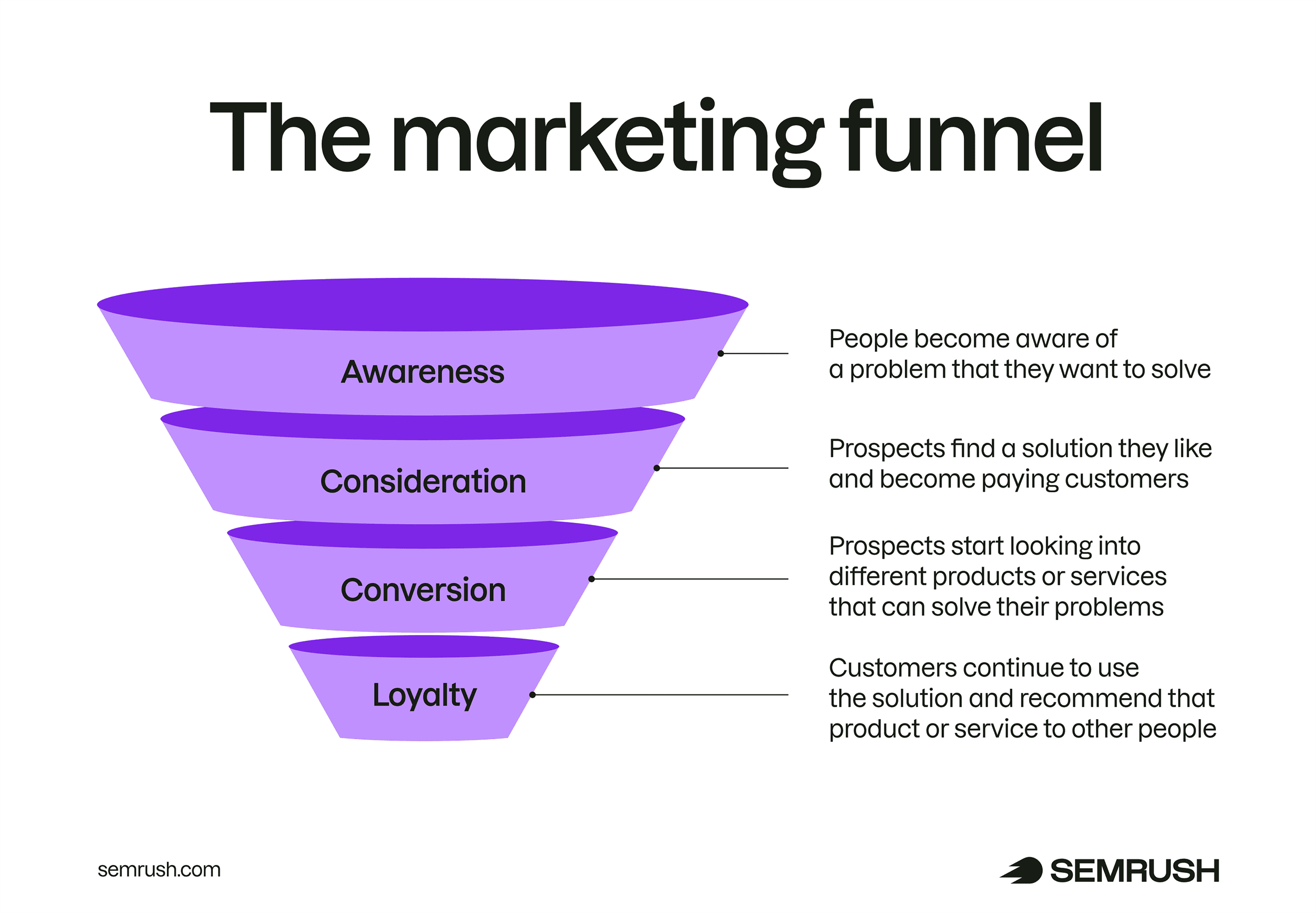
Query Fan-Out Collapses the Buying Journey: Historically, marketing funnels were designed as linear progression: awareness, consideration, and decision. Content was tailored to each stage. With AI, these stages often collapse into a single interaction. A single, high-intent question from a user can trigger the AI to fan out queries across all stages – pulling awareness-level context, consideration-level comparisons, and decision-level specifics into one cohesive answer. This means content must be versatile enough to address multiple stages of the buying journey simultaneously, providing comprehensive value in a single AI-generated response.
Strategic Adaptation: The Query Fan-Out Workflow
To thrive in this new AI-driven search environment, content creators and marketers must adopt a systematic workflow focused on optimizing for query fan-out. This six-step process is repeatable and scalable across any topic relevant to a business.
Step 1: Identify Your "Money Prompts"
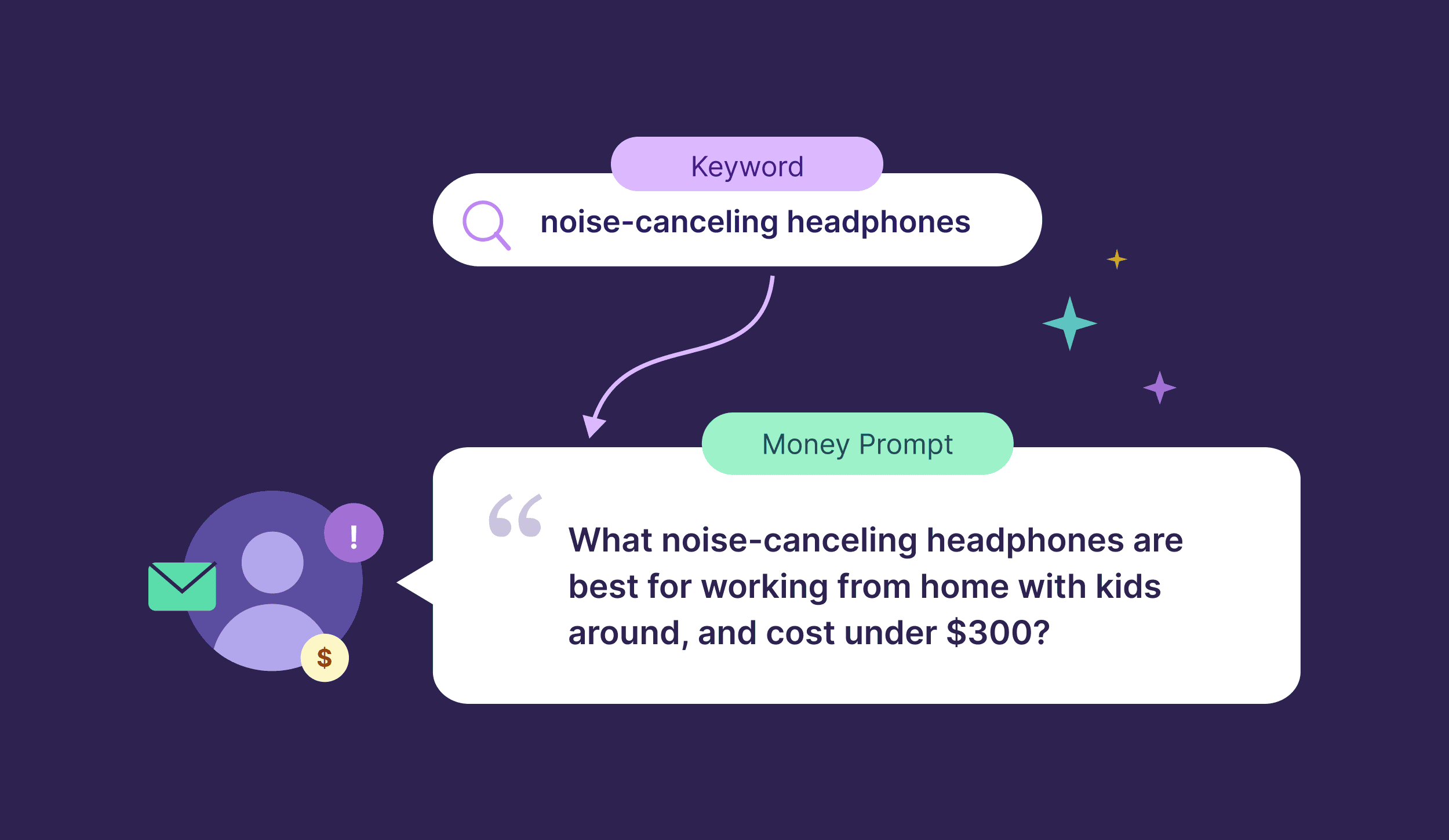
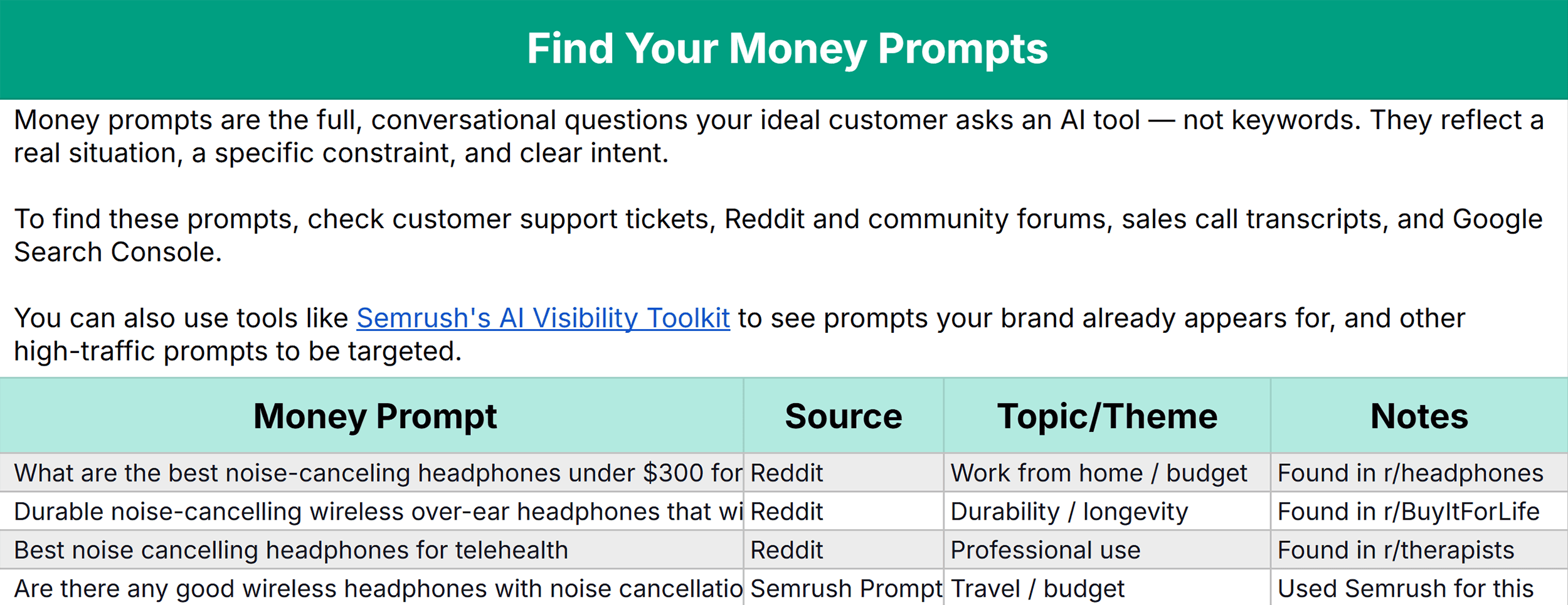
Money prompts are the conversational phrases or questions that ideal customers would pose to an AI tool when seeking solutions that a product or service offers. These are the AI SEO equivalent of high-commercial-intent keywords. They are characterized by their specificity, explicit or implicit need, and potential to lead directly to a purchase or conversion.
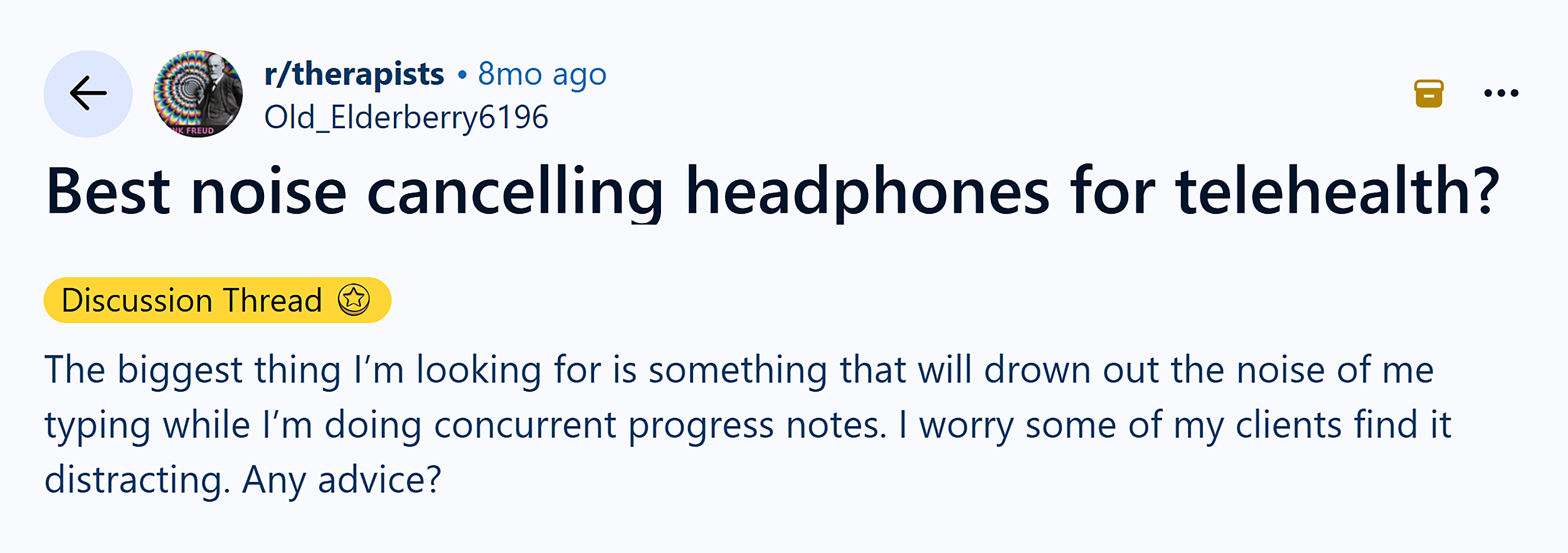
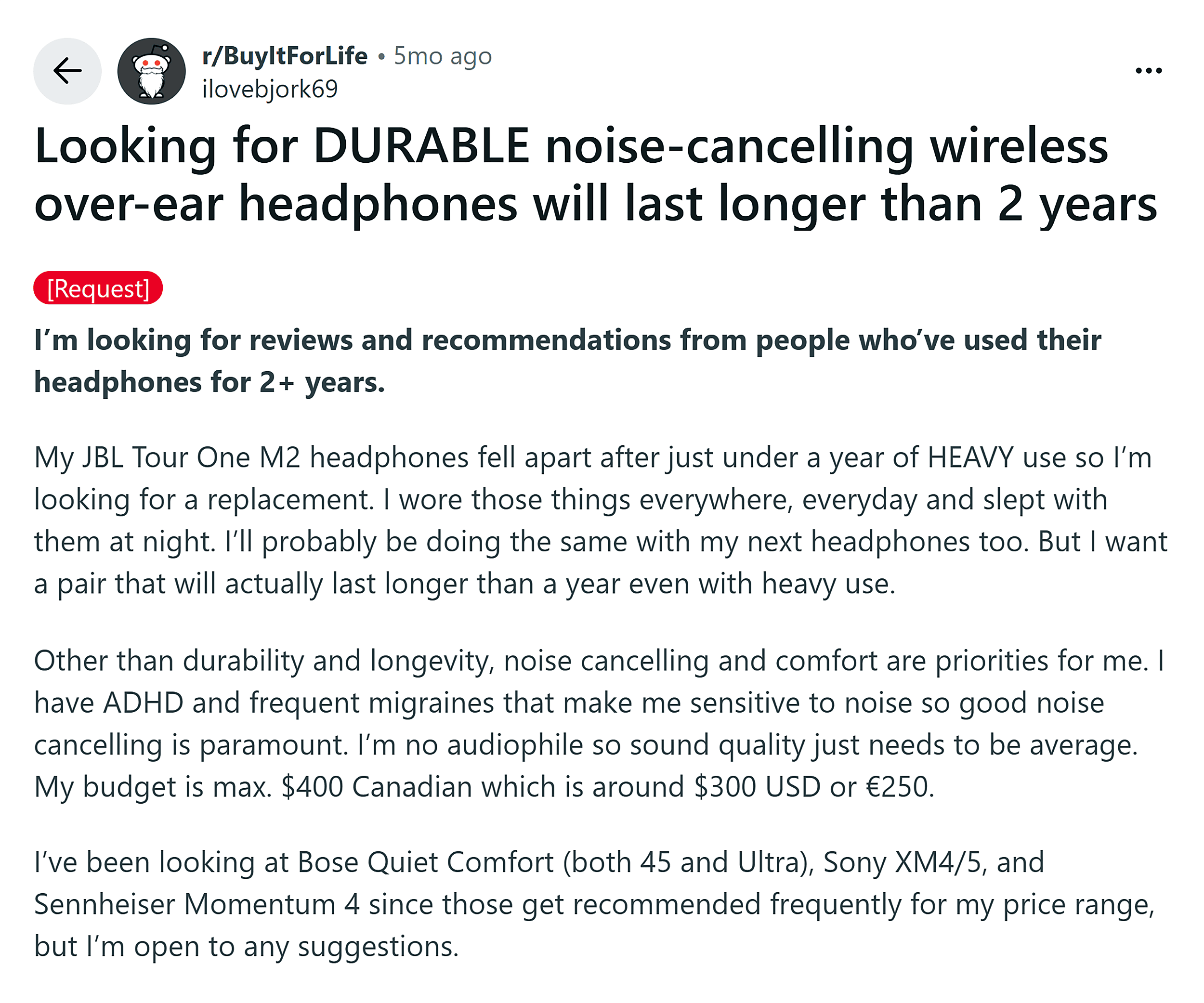
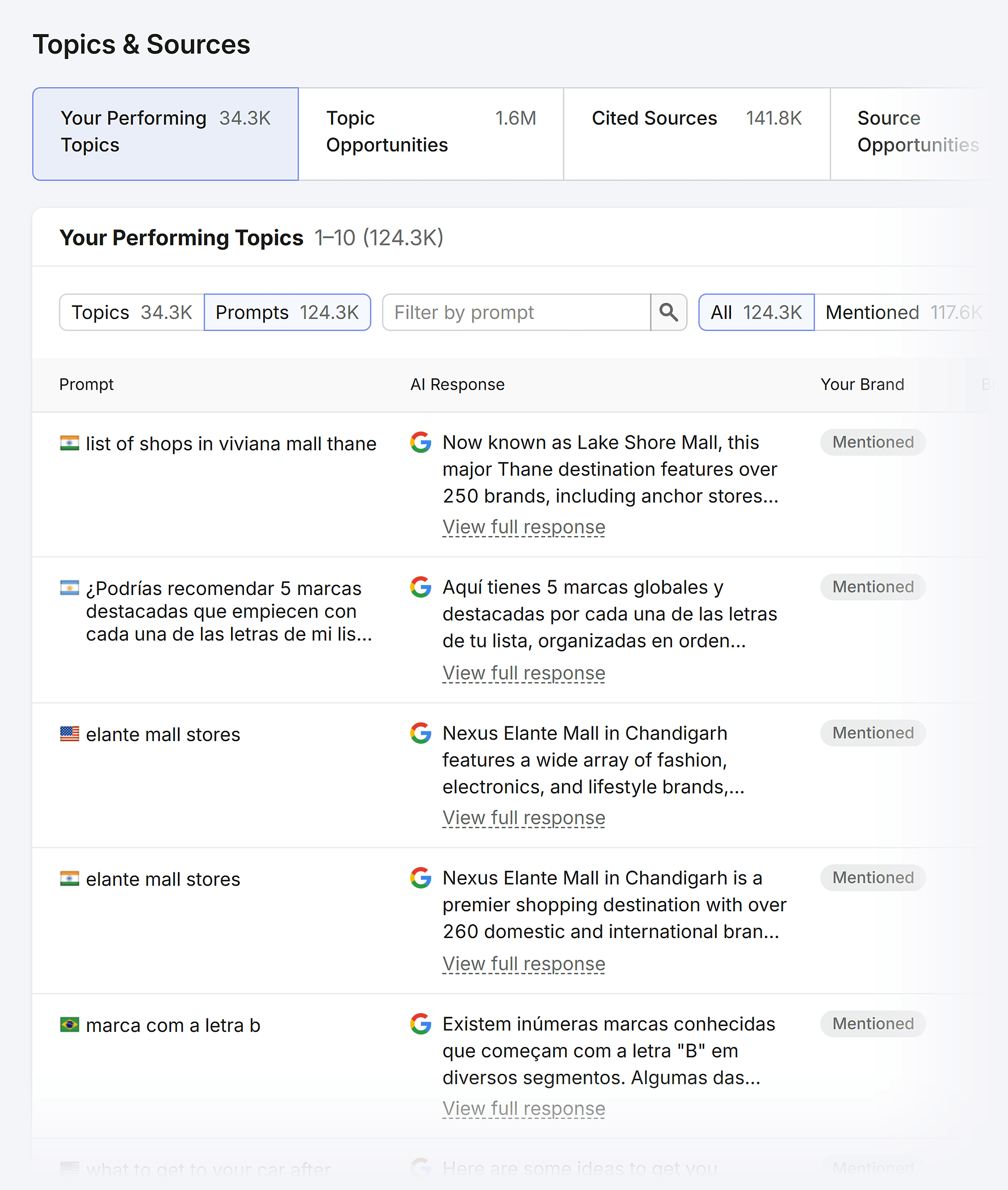
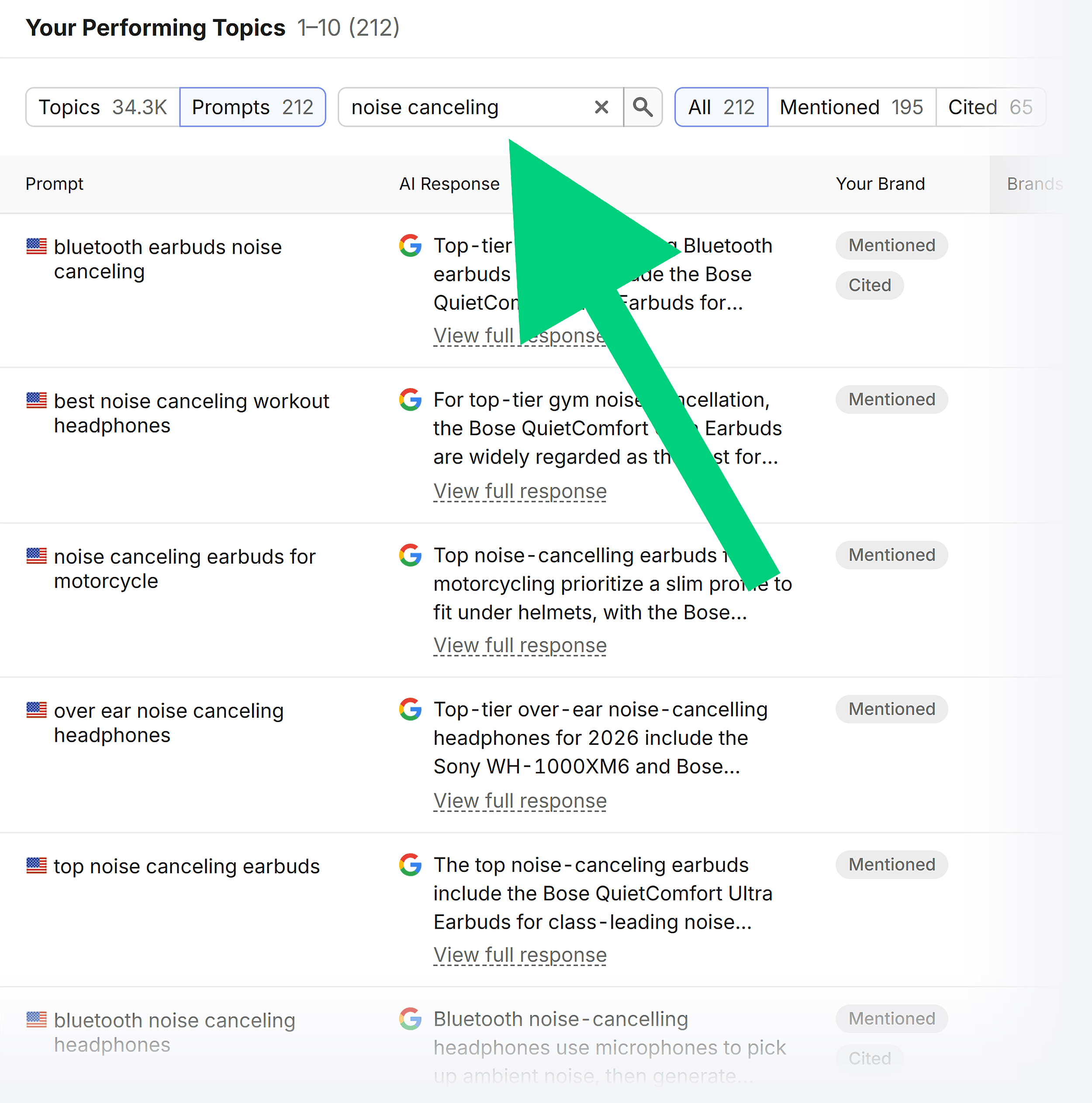
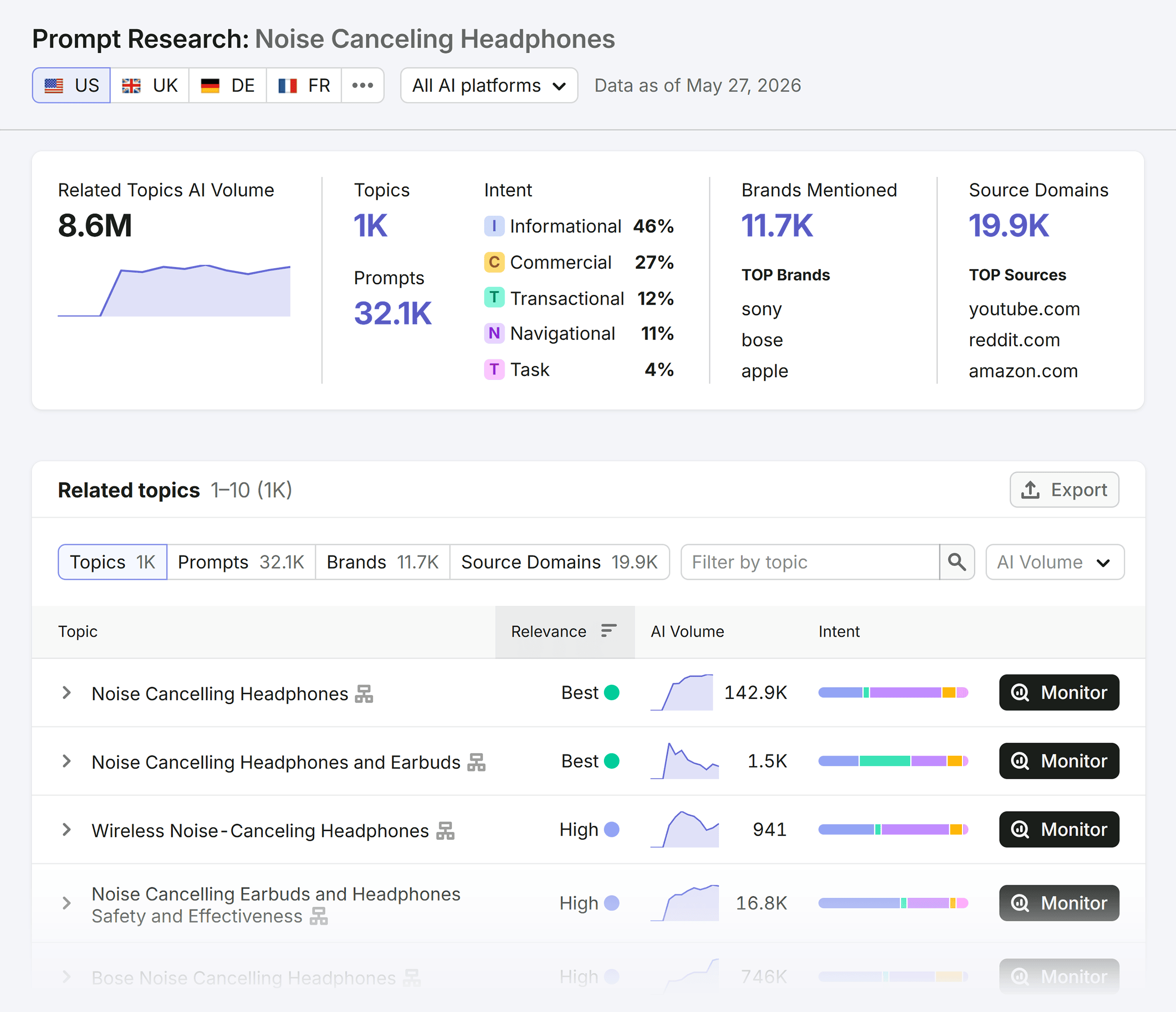
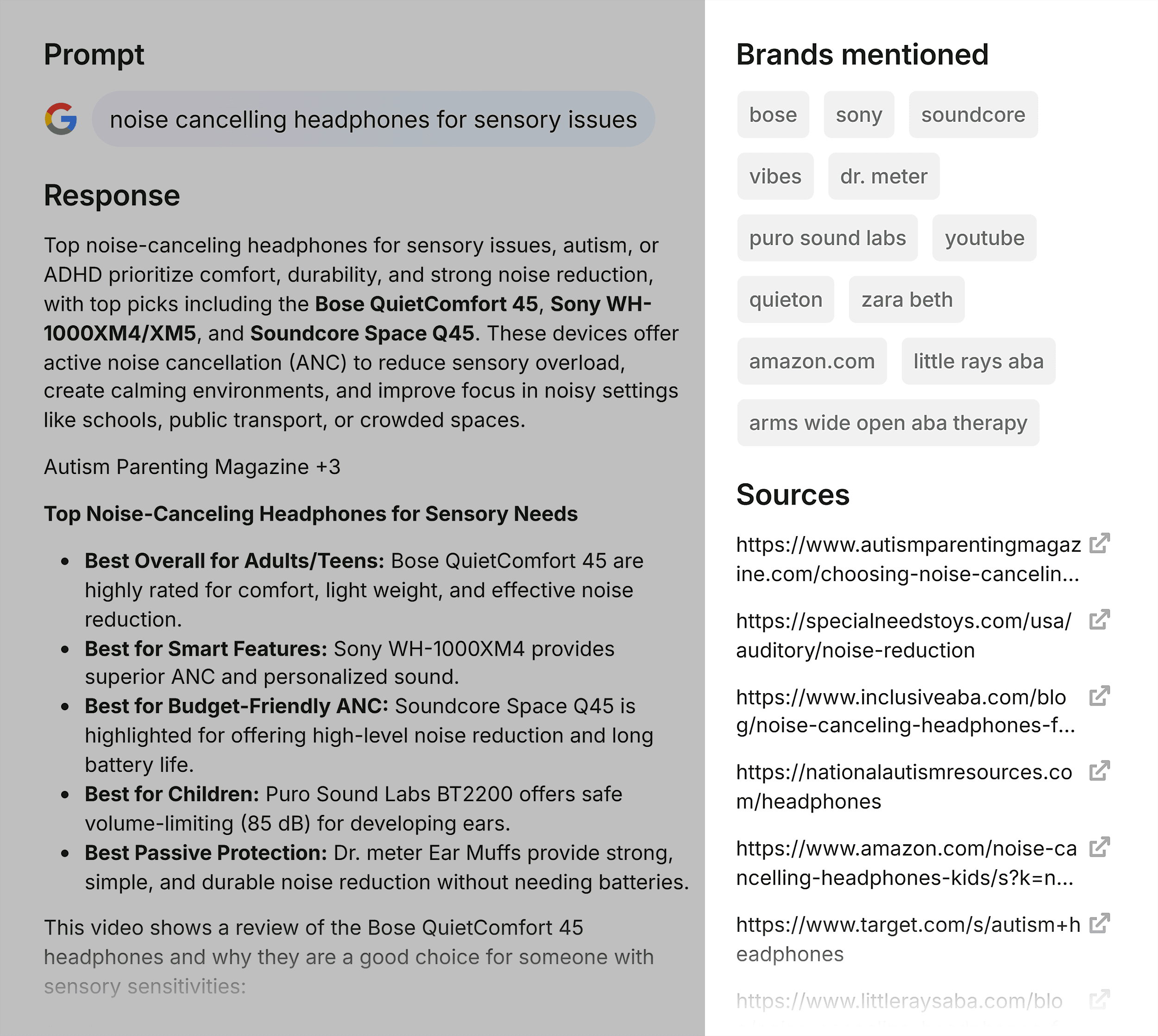
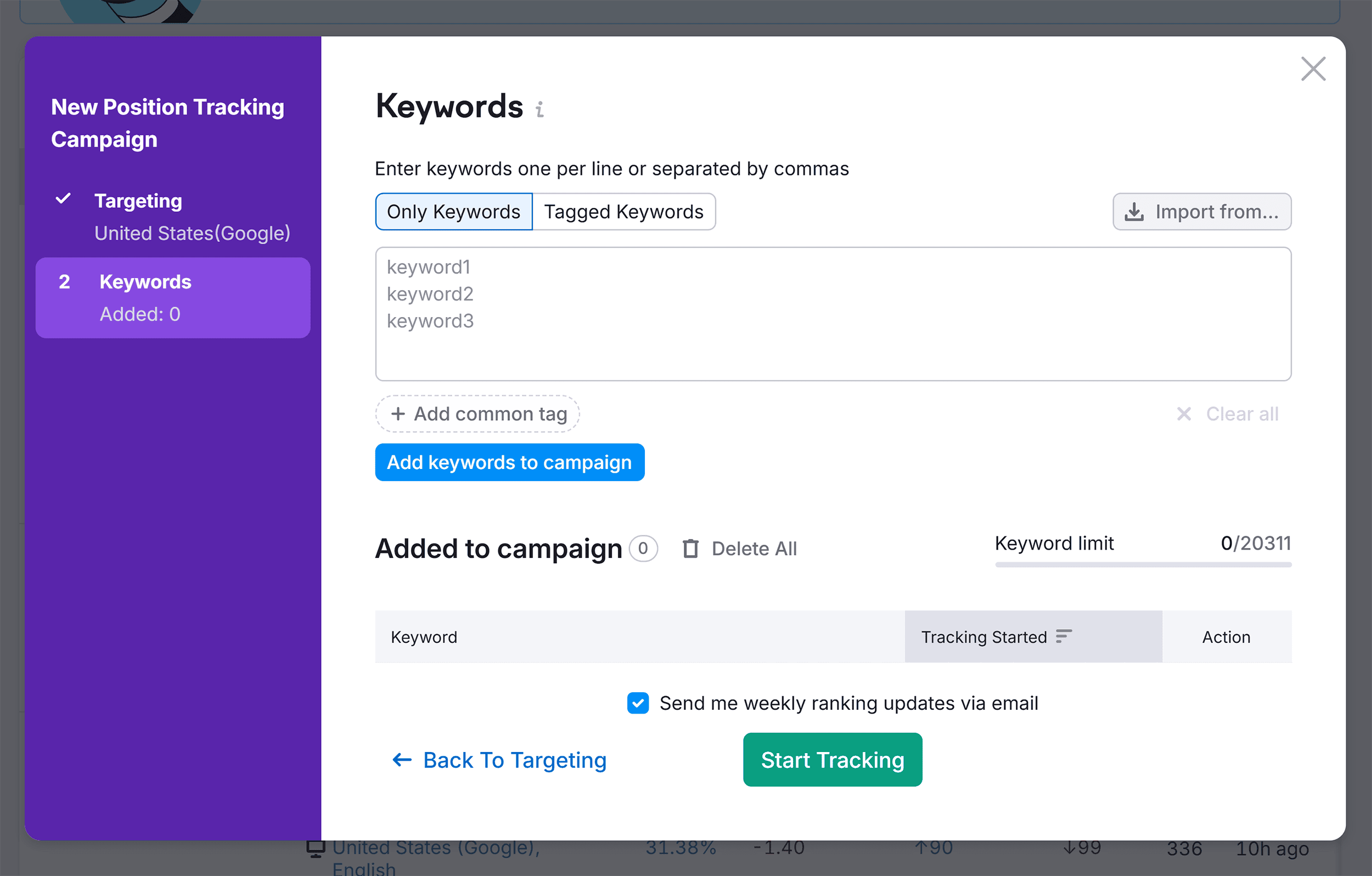
For example, "noise-canceling headphones" is a keyword. A money prompt would be, "What noise-canceling headphones are best for working from home with kids around, and cost under $300?" These prompts often arise from real-world scenarios and can be discovered by observing audience discussions on forums like Reddit, customer service interactions, or by utilizing specialized AI visibility tools. Semrush’s AI Visibility Toolkit, for instance, allows brands to see prompts where they already appear in AI answers, and to filter by specific topics to uncover niche money prompts (e.g., "noise-canceling headphones for sensory issues").
Step 2: Generate Your Fan-Out Set
Once money prompts are identified, the next step is to uncover the sub-queries that an AI system would generate from them. This can be done manually or with dedicated tools.
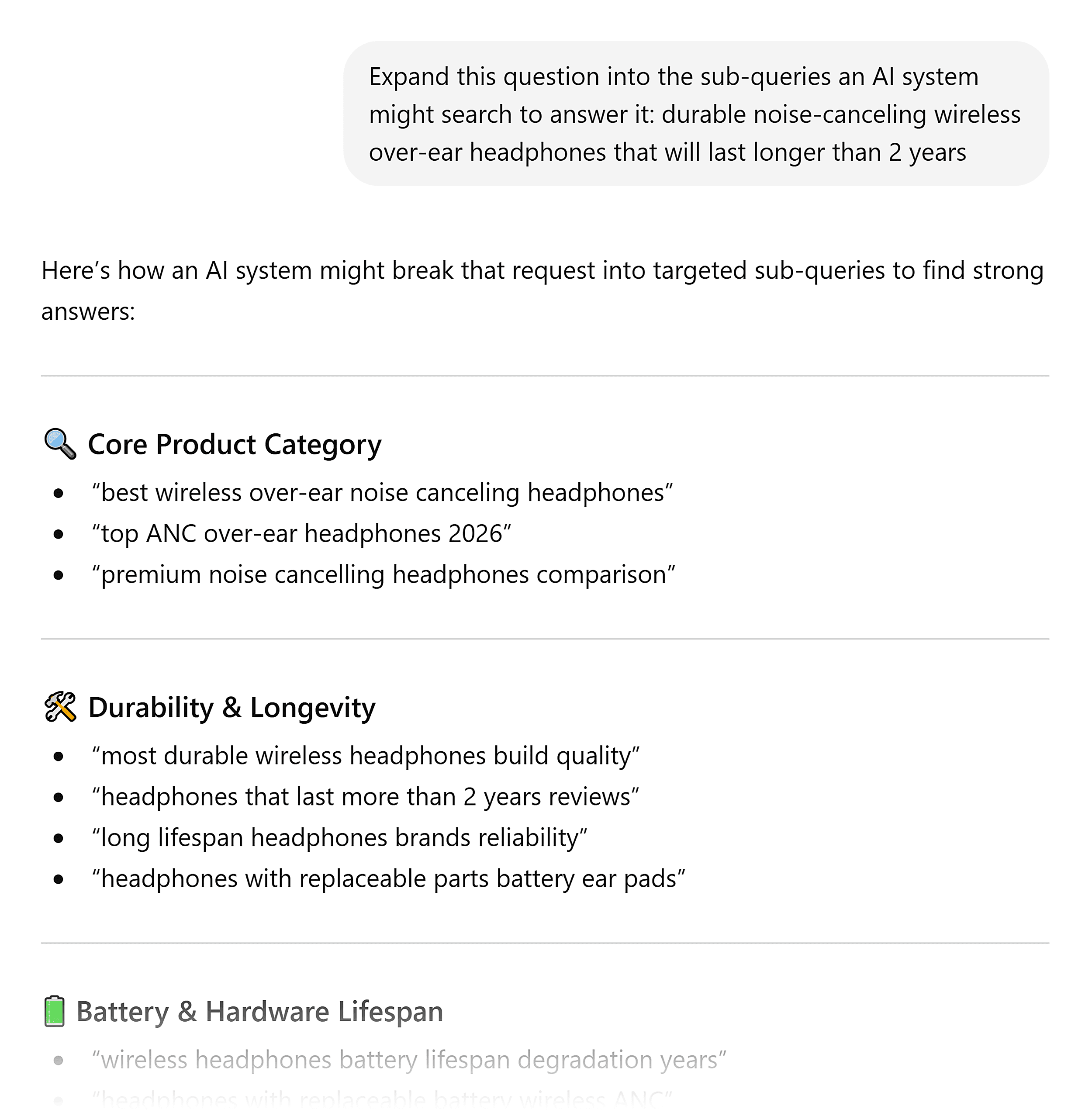
- Manual Method: Using a prompt template like "Given the user query: [your money prompt], act as a sophisticated AI search system and generate a list of 10-15 related sub-queries you would run to build a comprehensive answer. Group these sub-queries by logical categories," in an LLM like ChatGPT or Claude, can yield valuable insights into the types of information an AI seeks. Running the prompt through multiple LLMs can provide a more complete picture, as each platform might interpret and expand queries differently.
- Automated Tools: Tools like Backlinko’s ChatGPT Query Fan-Out Tool (a Chrome extension) or Semrush’s AI Visibility Toolkit can automate this process, revealing the exact sub-queries an AI system runs, their categorization, and the sources cited.
Sub-queries should be categorized by type:
- Reformulation: A rephrased version of the original query.
- Comparative: Queries weighing options against each other.
- Implicit: Addressing unstated user needs.
- Personalized: Tailored to specific situations or preferences.
- Entity Expansion: Drilling into specific brands, products, or people.
- Related: Connected topics the AI anticipates the user might want.
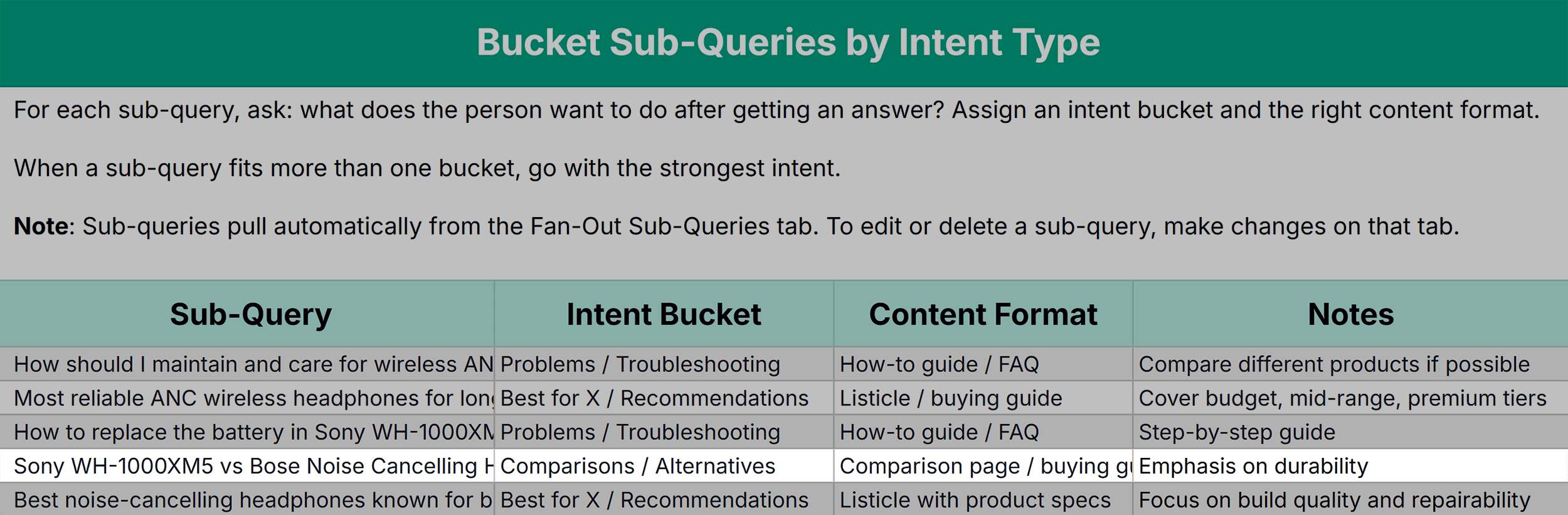
Step 3: Bucket Sub-Queries by Intent Type
Understanding the user’s underlying intent for each sub-query is crucial for determining the most appropriate content format. This involves asking: "What does the user actually want to do after getting an answer to this sub-query?"
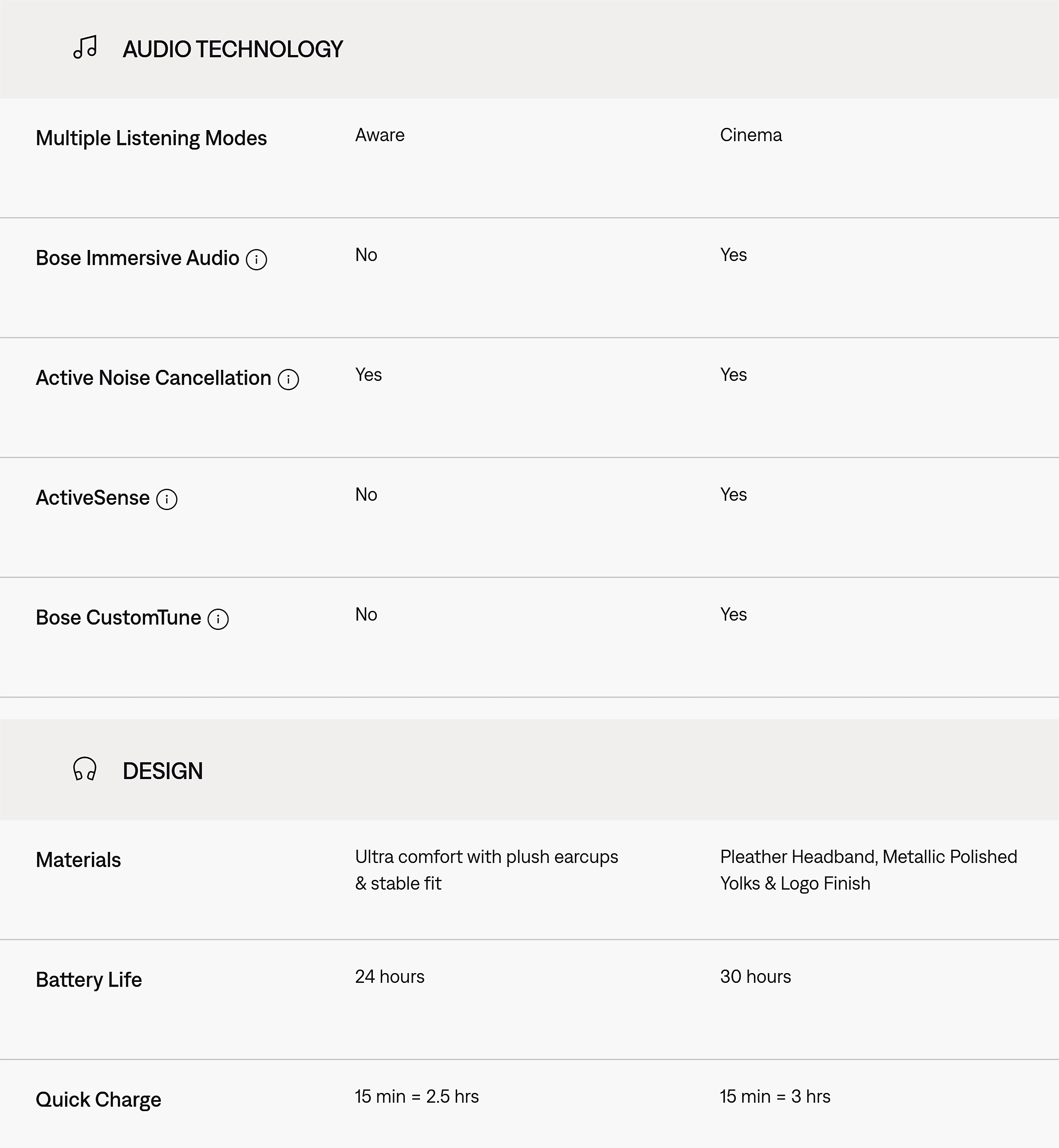
For example, the sub-query "Sony vs. Bose Noise Canceling Headphones" clearly indicates a "comparison" intent, necessitating a head-to-head comparison page or a structured comparison table. Other intent buckets include:
- Definitions/Basics: For "What is X?" or "How does X work?" – best served by explainer articles or glossary sections.
- Best for X/Recommendations: For "Best option for a specific use case" – requiring listicles or buying guides.
- Problems/Troubleshooting: For "How to fix X" or "Why does X happen" – addressed by how-to guides or FAQ sections.
- Pricing/Value: For "How much does X cost" – optimal for pricing pages or value comparison sections.
- Social Proof/Discussions: For "Reviews, Reddit opinions" – suitable for review roundups or user feedback sections.
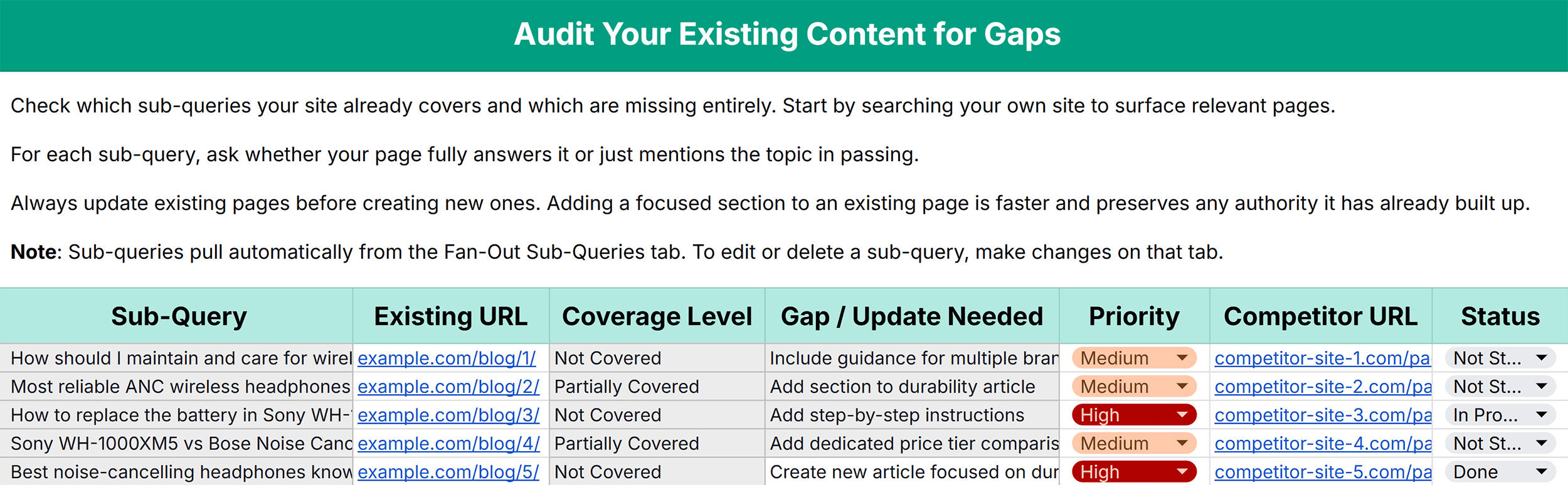
Step 4: Audit Your Existing Content for Gaps
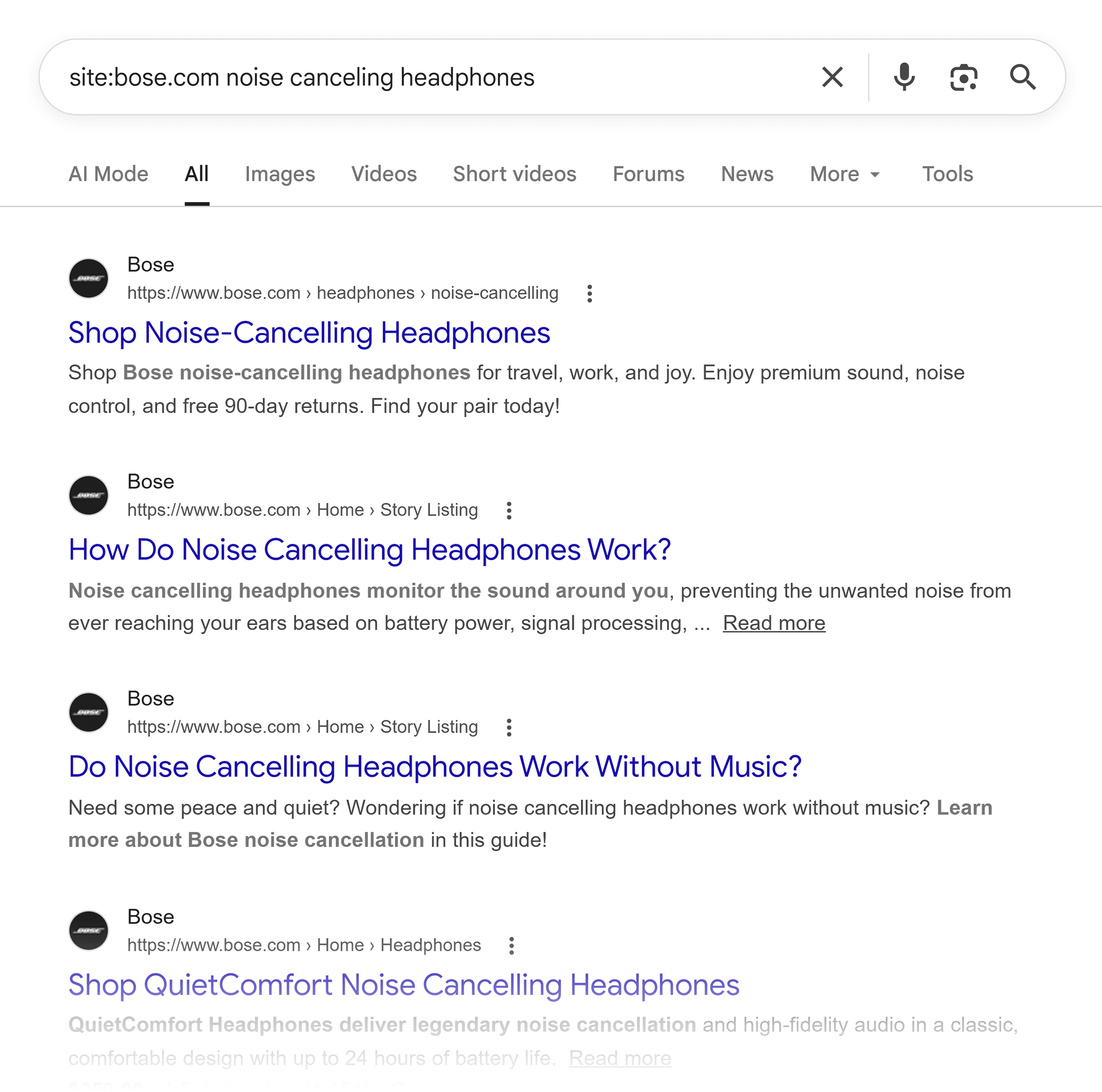
With sub-queries categorized by intent, conduct a thorough content audit to identify what your site already covers and what constitutes a "content gap." This involves using site:yourdomain.com [sub-query topic] searches on Google to identify relevant pages.
Each page should be evaluated for its coverage level:
- Not covered: No existing content addresses the sub-query. Requires new, dedicated content.
- Partially covered: The topic is mentioned, but the sub-query isn’t fully resolved. Requires adding a self-contained section to an existing page.
- Fully covered: A dedicated section or page completely answers the sub-query, extractable by AI without external context. Requires monitoring and regular updates.
Simultaneously, track competitor performance using AI platforms or tools like Semrush’s AI Visibility Toolkit. If competitors are cited for your money prompts while you are not, those represent high-priority gaps to address. Conversely, if your brand is already being cited, strengthening that content becomes a priority to maintain visibility.
Step 5: Structure Content for AI Extraction
Content creation is only half the battle; the other half is making it AI-friendly.
- Fill Gaps: Create new pages for uncovered sub-queries or expand existing ones for partial coverage, ensuring answers are self-contained.
- Front-Load Answers: Place direct answers to common questions early in the content.
- Descriptive Subheadings: Use clear, specific H2/H3 headings that mirror potential sub-queries (e.g., "Battery Life Comparison," "Comfort for Extended Wear").
- Structured Data: Implement schema markup (e.g., FAQ schema, Product schema) to explicitly define content elements for AI.
- Scannable Elements: Utilize lists, tables, bullet points, and short paragraphs to make information easily digestible and extractable.
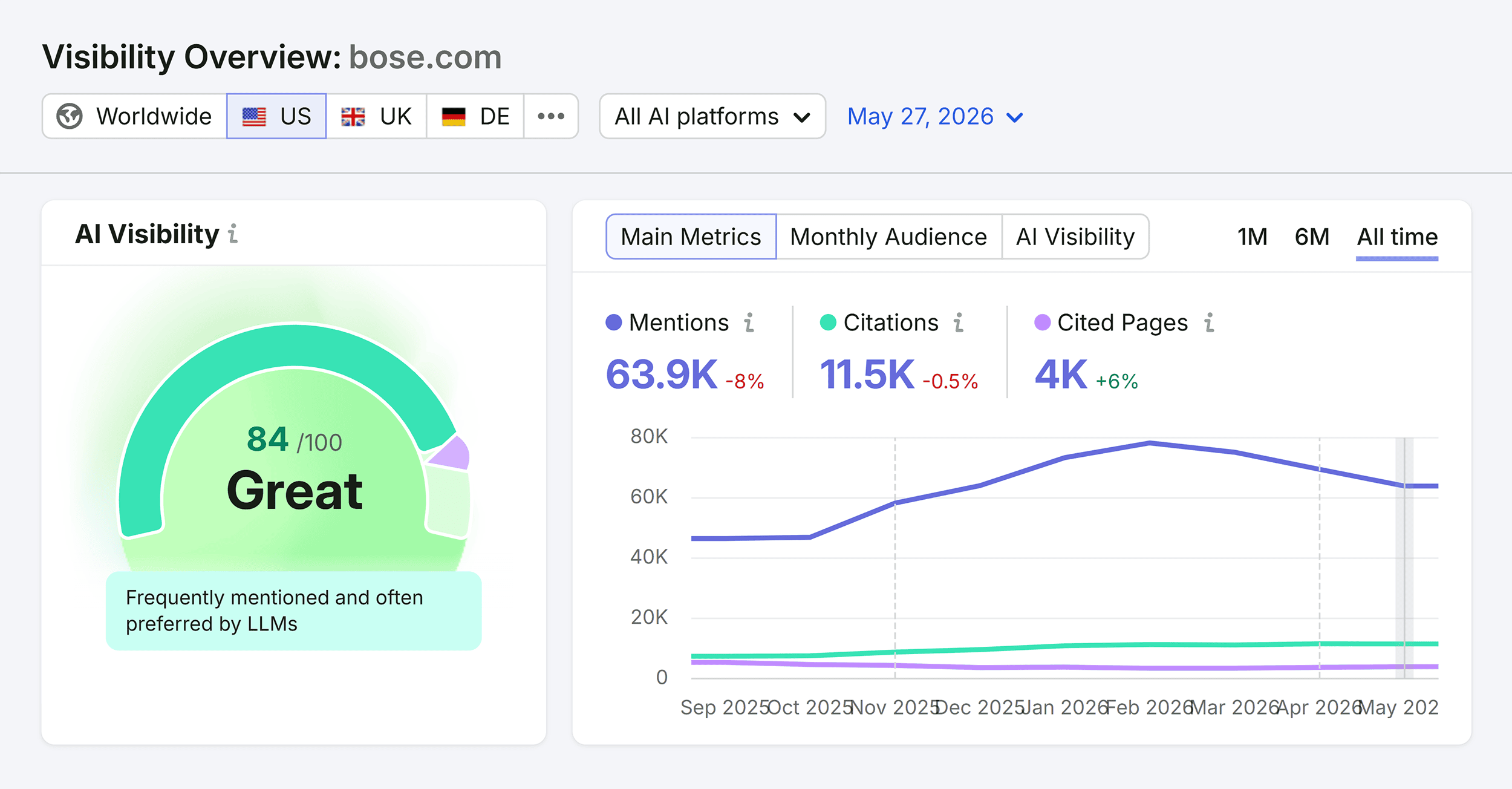
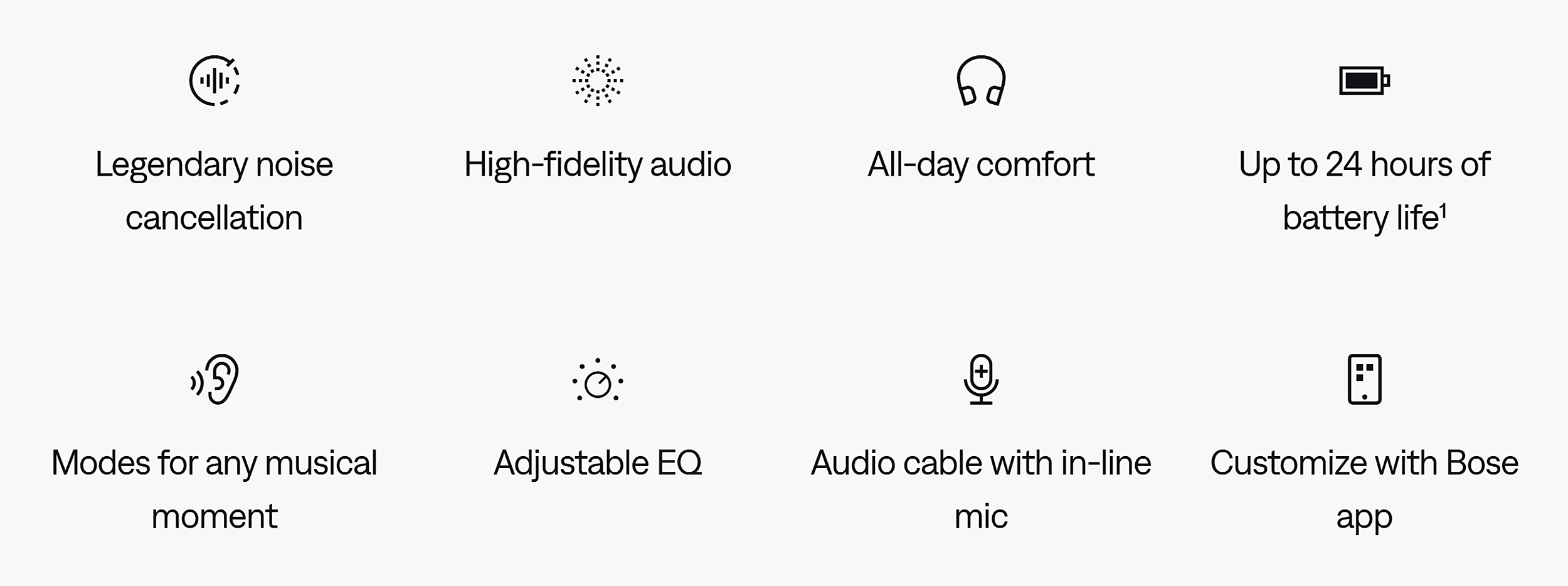
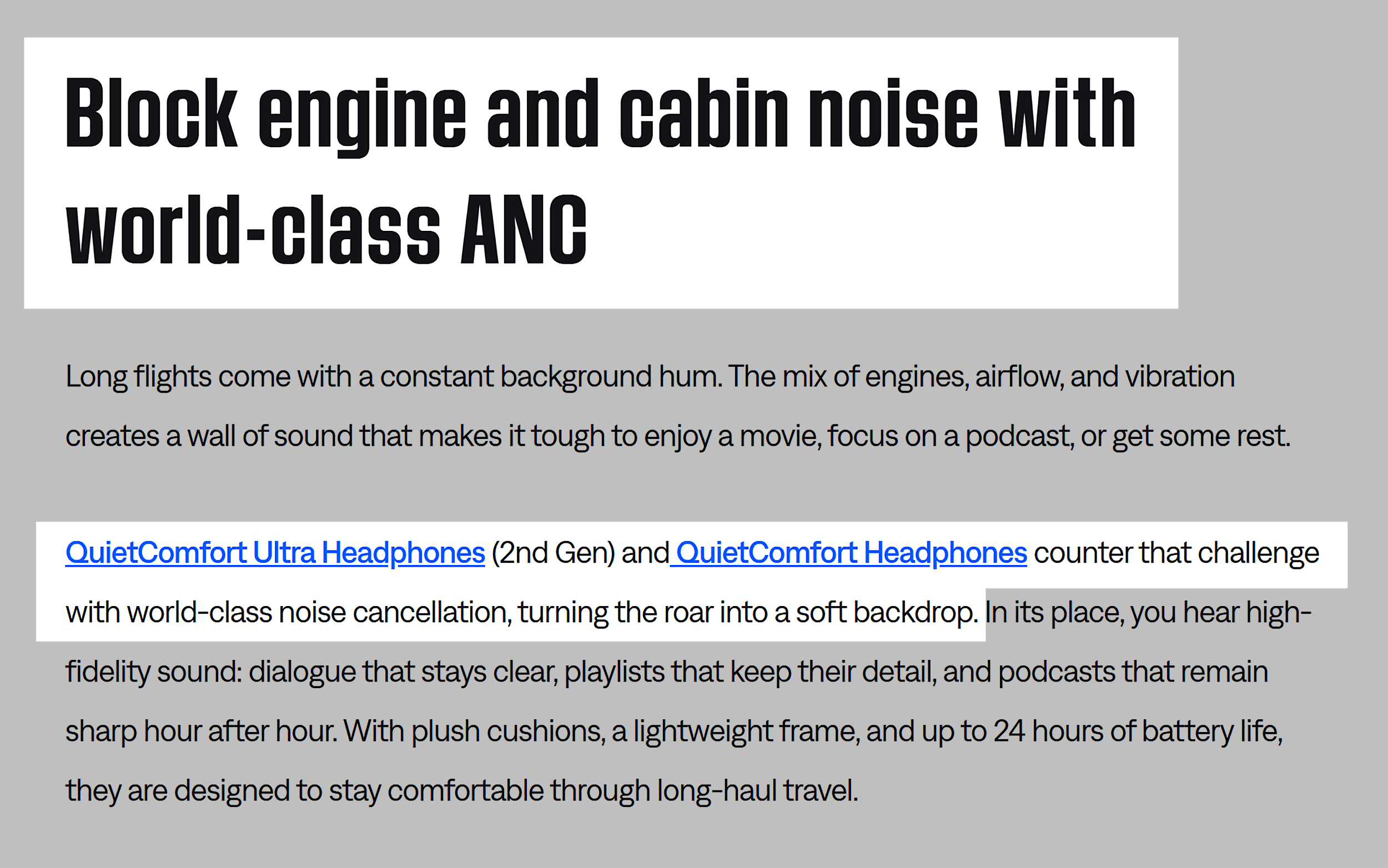
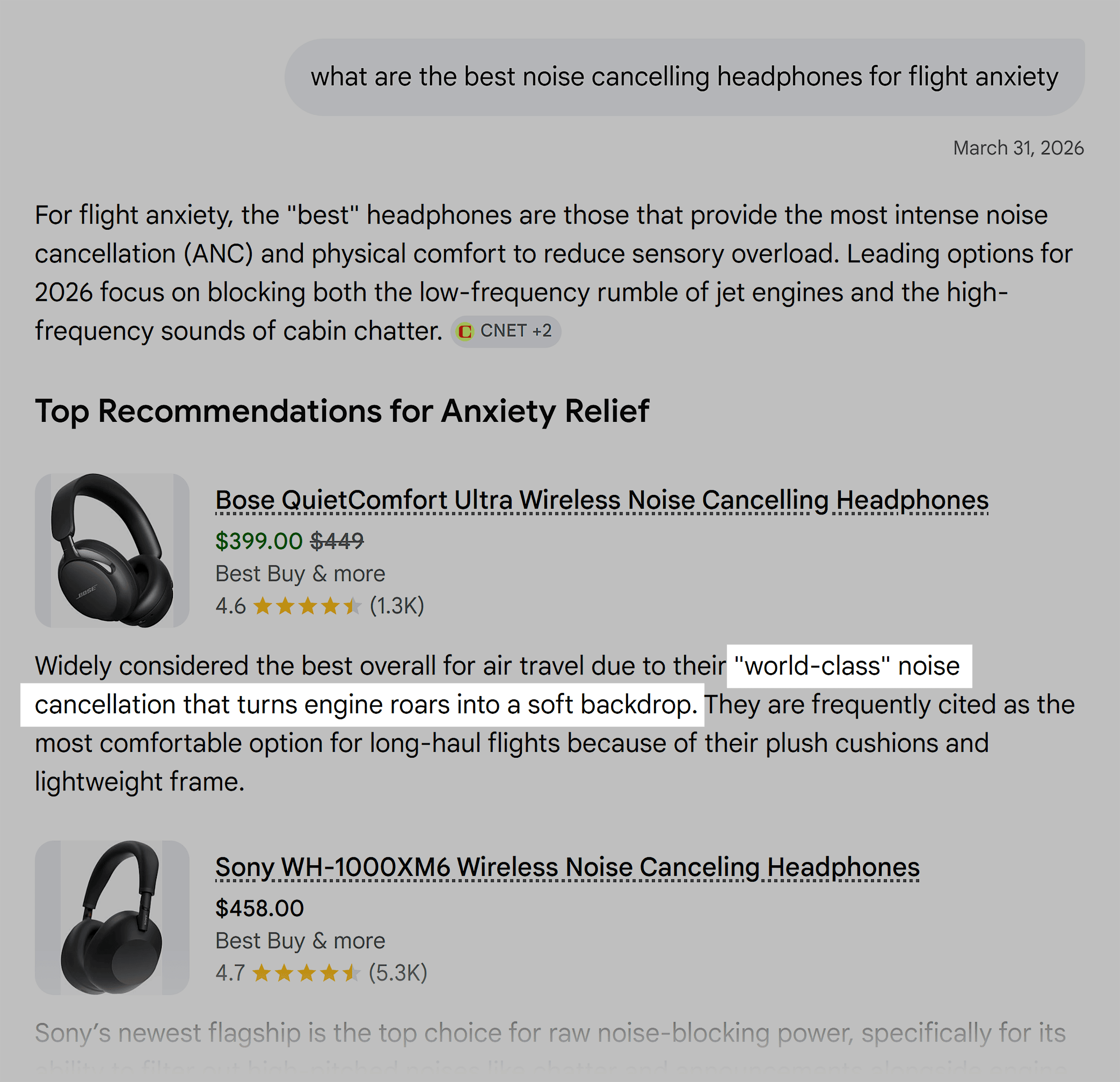
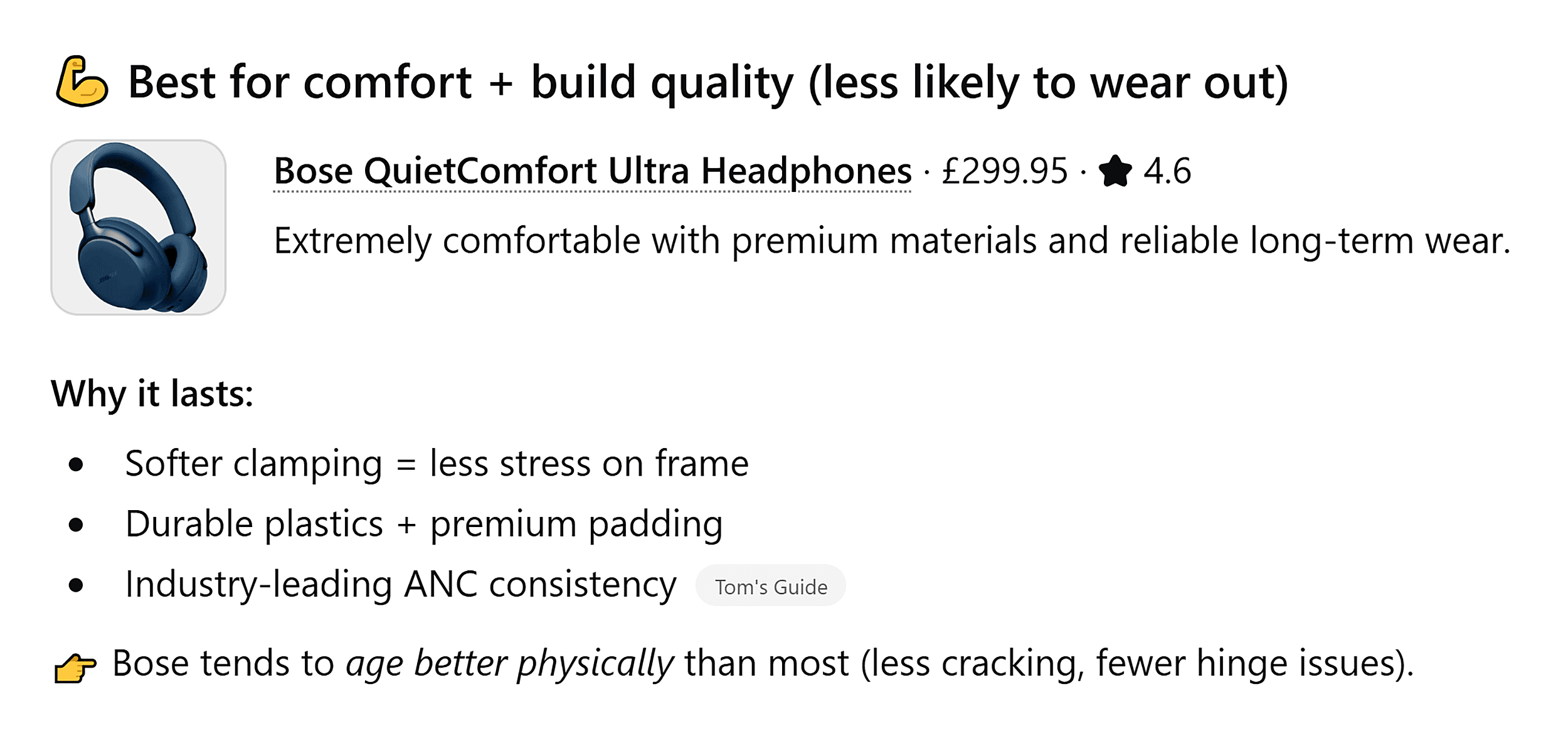
- Use-Case Specific Language: Craft content that directly addresses specific user scenarios. For example, Bose effectively uses dedicated landing pages for "noise-canceling headphones for flights," employing language that resonates with that specific use case. When a user asks an AI for "best noise-canceling headphones for flight anxiety," the AI can readily pull from Bose’s tailored content, demonstrating direct relevance.
Step 6: Measure Performance in AI Search
Ongoing measurement is vital.
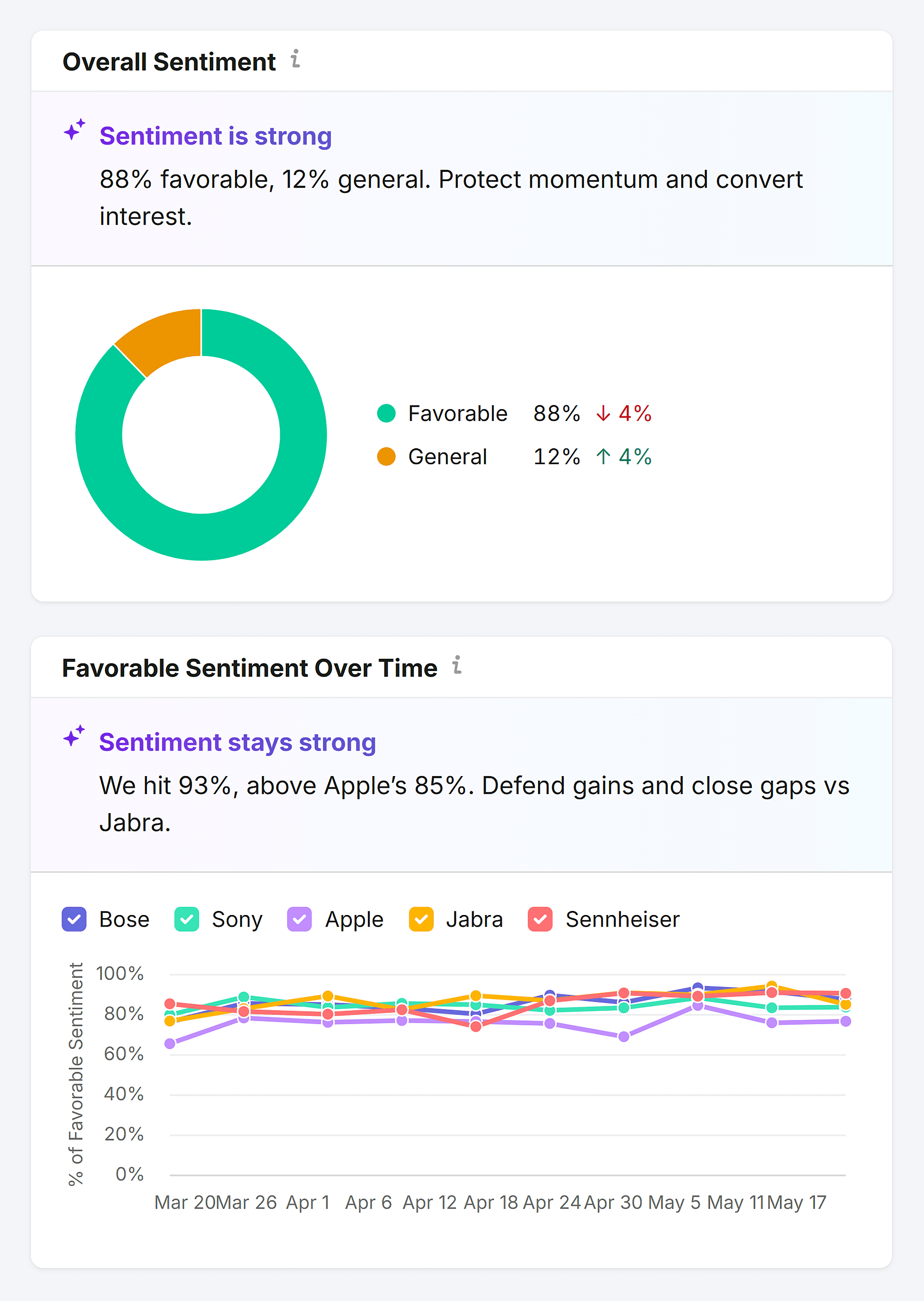
- Track Money Prompts: Monitor how often your brand is mentioned for your target money prompts across various LLMs.
- Analyze Citations: Determine which of your pages are being cited and for which specific sub-queries.
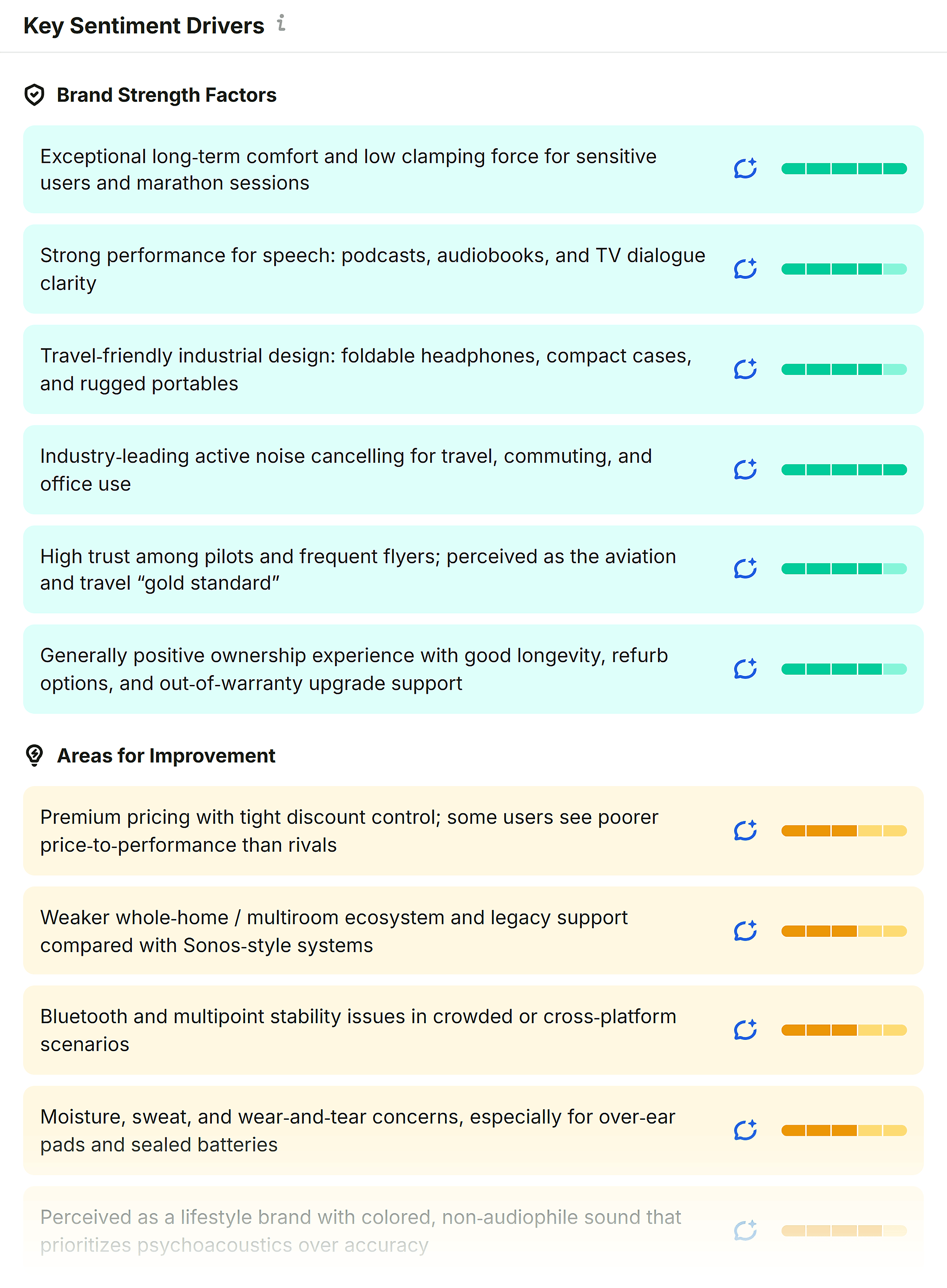
- Sentiment Analysis: Use tools like Semrush’s Perception tool to understand how LLMs describe your brand (e.g., "industry-leading noise cancellation" as a strength, or "over-the-ear models not sweatproof" as a potential weakness to address with content).
Automated tools like Semrush’s Prompt Tracker can alert to changes in AI mentions, while the Visibility Overview provides a competitive AI visibility score. This continuous feedback loop allows for agile content adjustments, ensuring sustained AI visibility.
Query Fan-Out Across Different AI Platforms
The specific manifestation of query fan-out can vary slightly across different AI platforms, influencing optimization strategies:
-
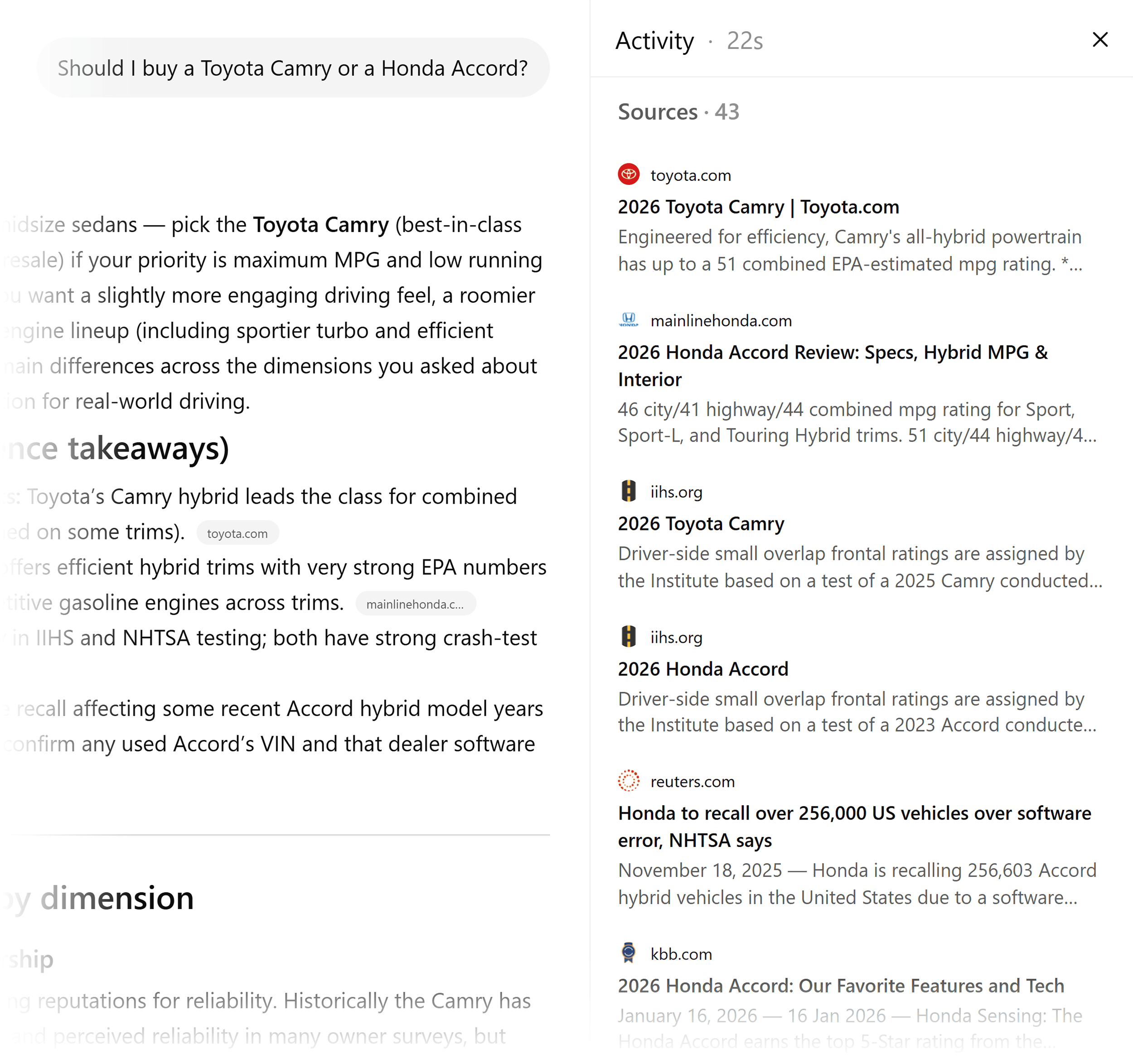
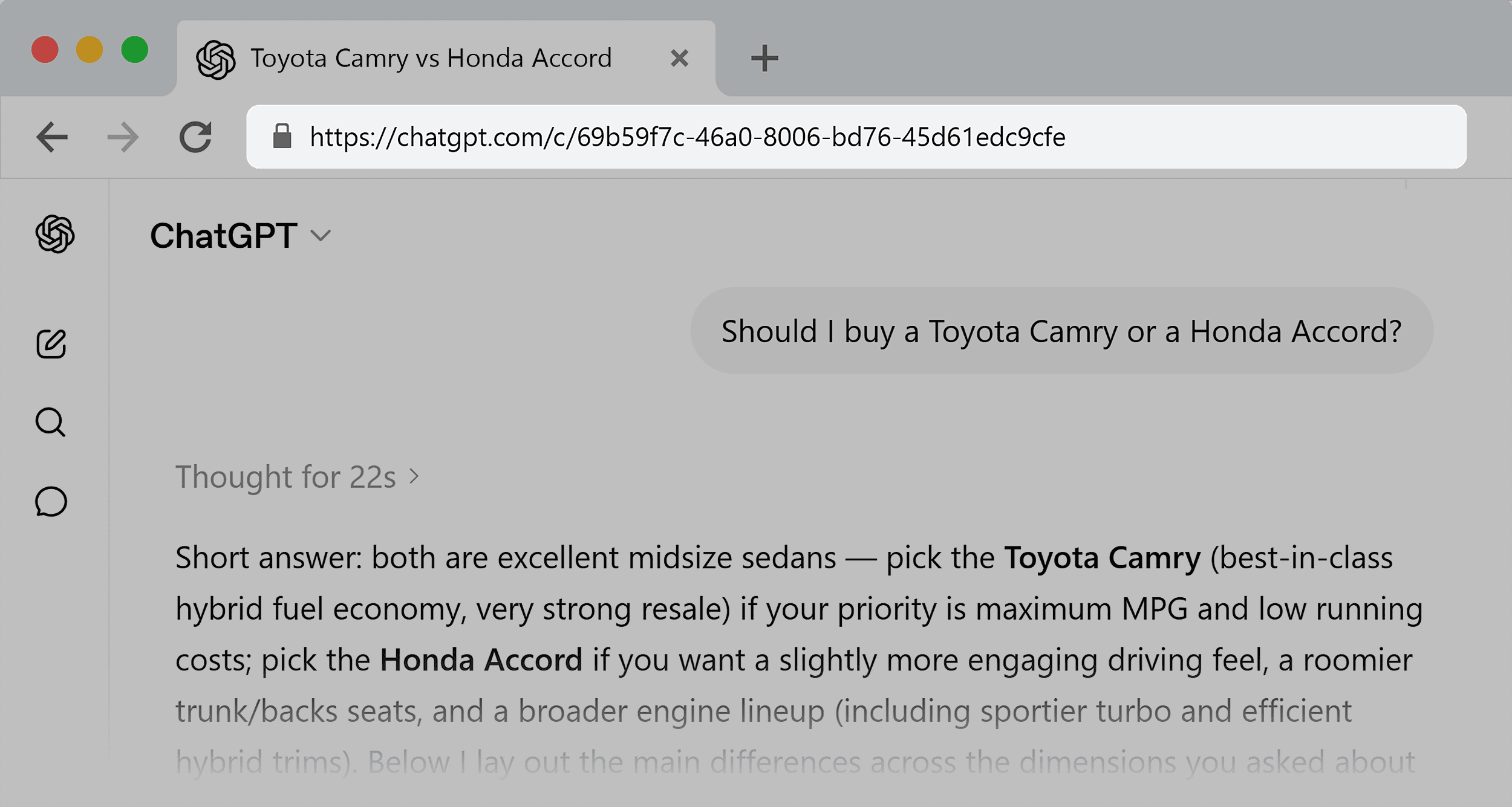
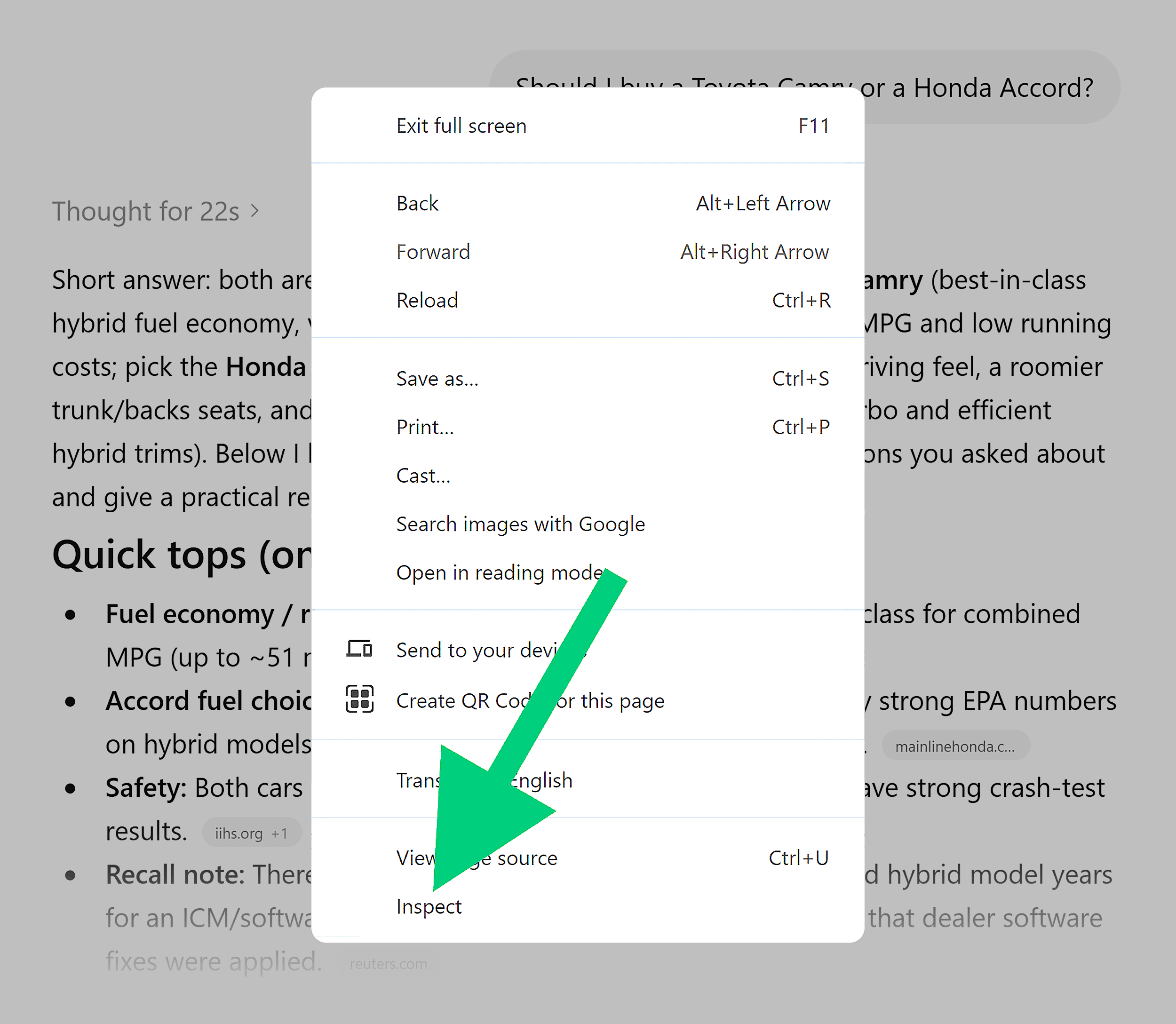
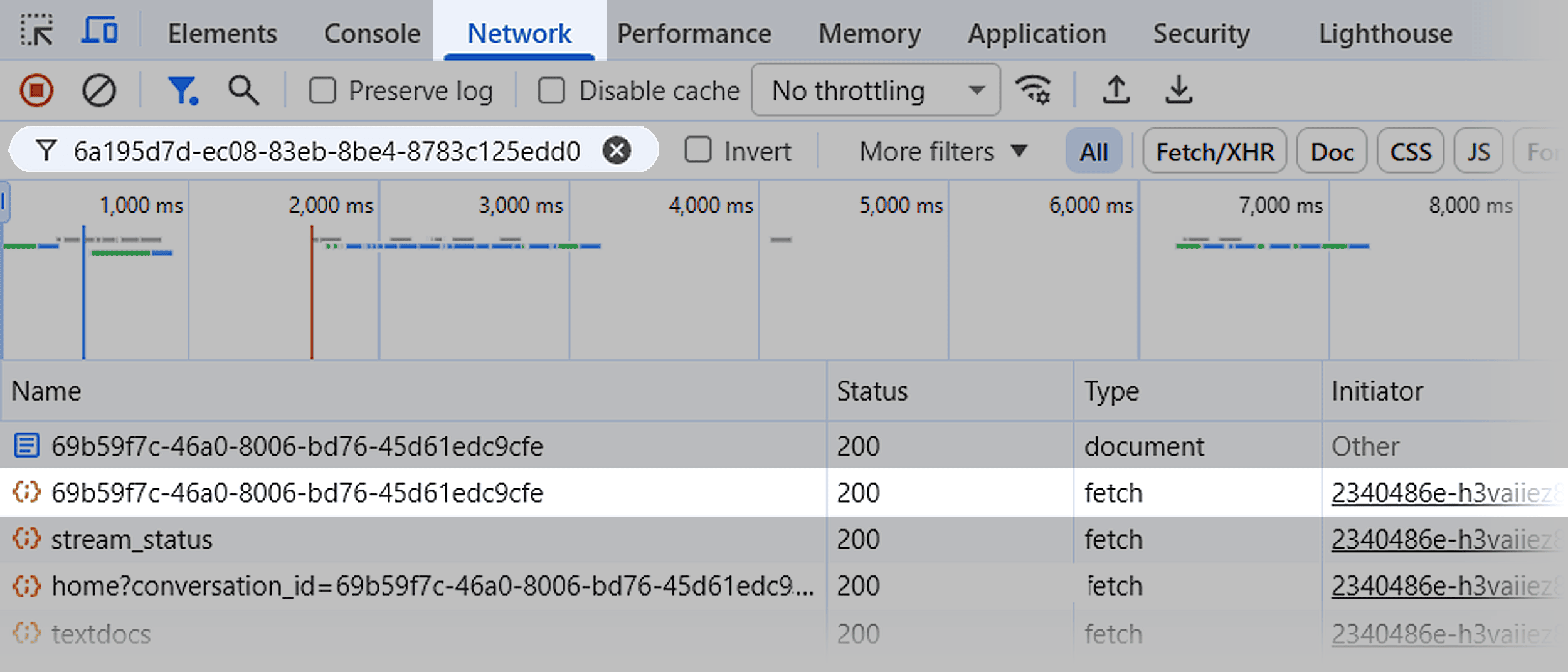
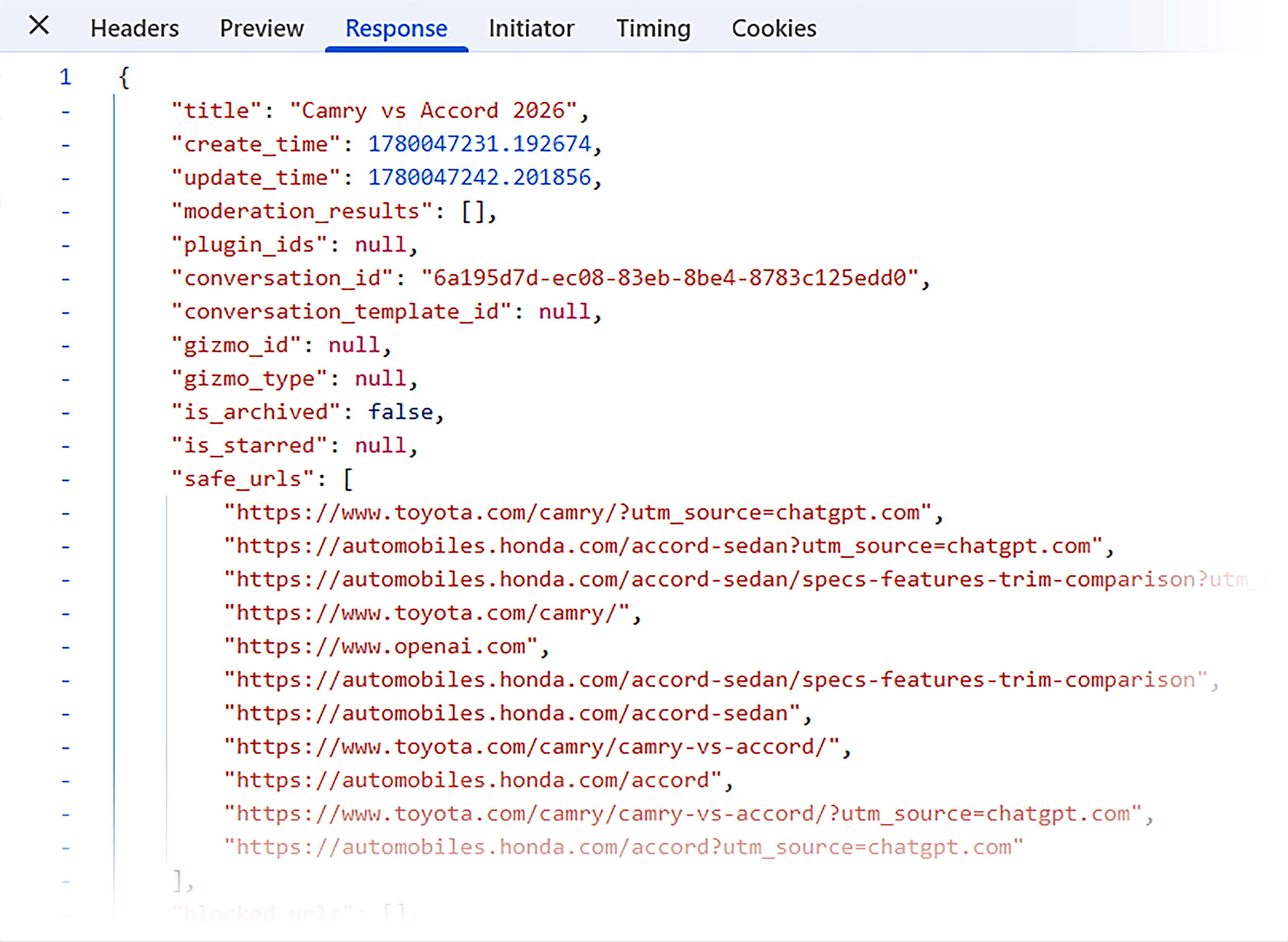
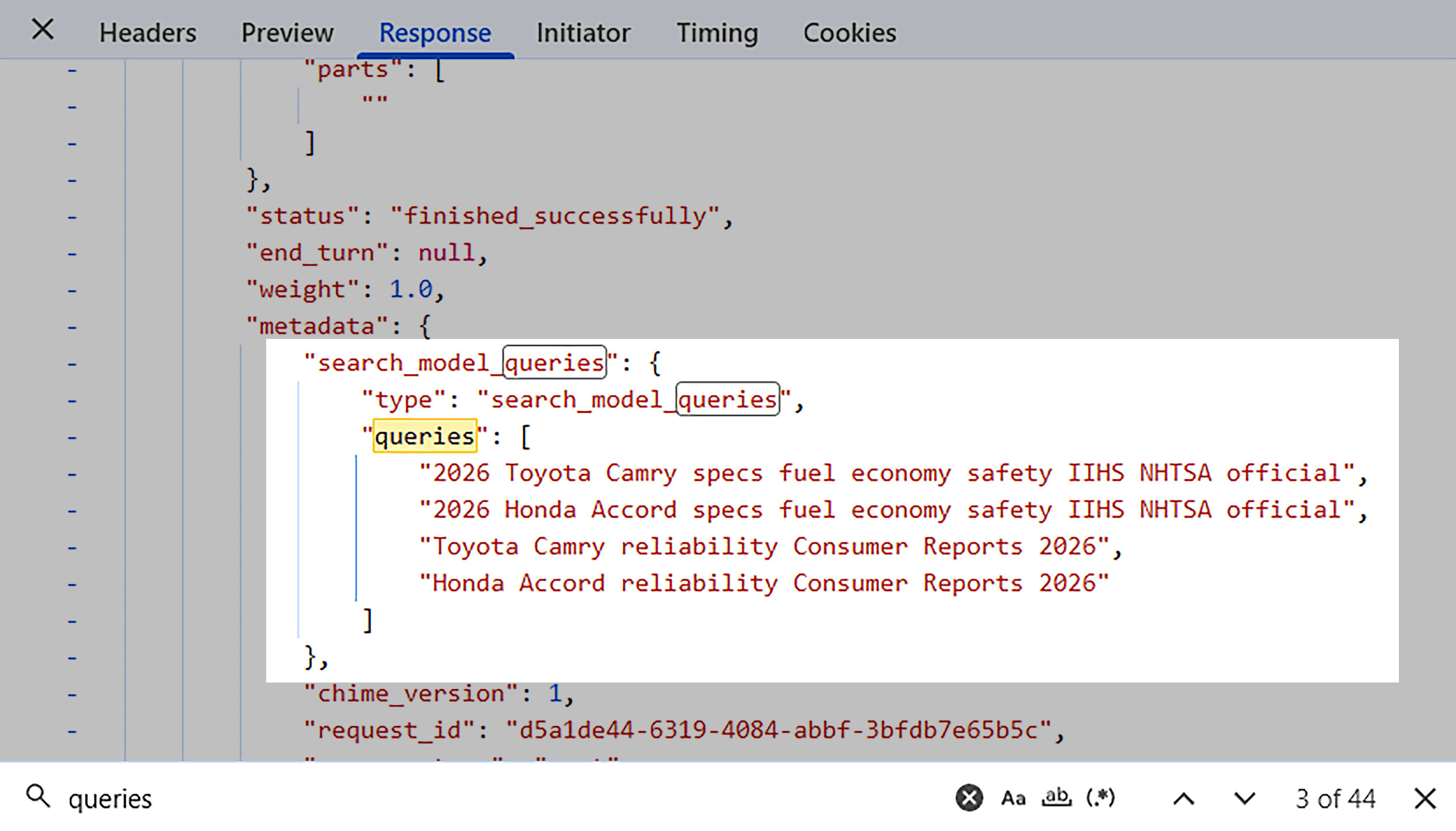
ChatGPT: For basic informational queries, ChatGPT primarily draws from its vast training data. However, for questions requiring current data, comparisons, or real-world insights, it activates live web searches, generating numerous sub-queries. While these sub-queries are not overtly displayed, they can be extracted using browser developer tools (e.g., inspecting network requests in Chrome DevTools to find "queries" within the response payload). This platform’s reliance on third-party sources like Reddit and review sites underscores the importance of a strong topical authority beyond one’s own website.
-
Perplexity: Perplexity employs a dual-layered fan-out. It first analyzes conversational context (past user interactions, stated preferences) and then simultaneously performs real-time web searches. This means Perplexity might combine a user’s prior statements about their budget with current web results on product comparisons. Content needs to be specific and self-contained to remain accurate and useful when paired with unpredictable contextual information.
-
Claude: Claude distinguishes itself by prioritizing user intent clarification. Instead of immediately fanning out queries, it often asks follow-up questions or presents preference widgets to narrow down user needs. Once intent is clarified, it generates fewer, more targeted sub-queries, often relying heavily on its extensive training data to tailor a precise response. For content creators, this emphasizes the value of highly specific, well-defined content that addresses distinct use cases directly.
-
Google AI Overviews and AI Mode: Google’s integration of AI into search takes two primary forms. AI Overviews provide concise, AI-generated summaries directly within the search results, drawing from Google’s existing web index and citing sources in a clickable sidebar. They function much like enhanced featured snippets. AI Mode, a dedicated conversational search tab, is designed for complex, multi-part questions, offering deeper interaction and more comprehensive answers, also powered by Google’s index. While Google does not explicitly expose the sub-queries it runs, advanced SEO techniques using tools like Screaming Frog with a Gemini API can reveal these underlying fan-outs. For both, the optimization focus remains consistent: clear, front-loaded answers, descriptive subheadings, and content structured to allow individual passages to stand alone.
Broader Implications for the Future of Content and SEO
The advent of query fan-out signals a profound shift in the foundational principles of content creation and SEO. The era of optimizing solely for keywords and top-of-SERP rankings is evolving into one where comprehensive topical authority, extractable content architecture, and deep user-centricity are paramount. Brands must transition from being mere publishers of content to being trusted, authoritative sources of information that AI can readily leverage.
This necessitates an increased focus on:
- E-E-A-T (Experience, Expertise, Authoritativeness, Trustworthiness): AI systems are increasingly sophisticated at evaluating the credibility and depth of information. Content from sources demonstrating genuine expertise and trustworthiness will be favored.
- Semantic SEO: Moving beyond individual keywords to understanding and covering entire topics and their semantic relationships.
- Structured Data and Clear Content Hierarchies: Making content easily machine-readable and parsable for AI.
- Anticipatory Content: Creating content that not only answers explicit questions but also anticipates implicit needs and related follow-up queries, mirroring the AI’s fan-out behavior.
- Brand Mentions and Third-Party Authority: Recognizing that AI draws from a diverse range of sources, fostering brand mentions and positive sentiment across various reputable platforms (e.g., industry sites, user forums) will contribute to overall AI visibility.
In conclusion, achieving visibility in AI search is no longer about brute-force ranking but about strategic content architecture. It’s about meticulously mapping user journeys, understanding the nuances of AI processing through query fan-out, and structuring content to be maximally retrievable and extractable. The brands that embrace this new framework will be the ones that effectively navigate the evolving landscape of AI-powered information retrieval, securing their place as trusted sources in the age of conversational AI.
Related posts: