Lenovo Legion Tab Gen 5 Review: A Nostalgic Concept Hampered by Modern Pricing and Software Inconsistency

The mobile gaming landscape has shifted significantly over the past decade, yet the niche for high-performance, small-form-factor Android tablets remains sparsely populated. Lenovo’s latest entry, the Legion Tab Gen 5, arrives as an attempt to capture the market for users seeking a portable, console-grade experience in a handheld chassis. While the device attempts to channel the legacy of iconic predecessors like the Nvidia Shield Tablet, it faces stiff competition from established handheld gaming PCs and premium slate offerings, ultimately struggling to justify its premium $900 price point through a combination of hardware limitations and unoptimized software.

Historical Context and the Evolution of the "Mini" Tablet
The desire for a powerful, sub-10-inch Android device traces back to the mid-2010s. The Nvidia Shield Tablet, released in 2014, set a benchmark for mobile gaming by offering a dedicated Tegra processor, front-firing speakers, and a stylus, effectively bridging the gap between a casual tablet and a dedicated gaming machine. When Nvidia exited the hardware space to focus on cloud computing and silicon, a void was left in the consumer market.

In the years that followed, manufacturers largely pivoted toward larger 12-inch displays, catering to productivity-focused users. Lenovo’s attempt to revitalize the "mini-gaming" category began with the Gen 3 model, which garnered positive feedback for its form factor. The Gen 5 iteration aims to push this concept into the modern era, utilizing the Snapdragon 8 Elite chipset to deliver flagship-level performance. However, the market has moved on; the rise of the Valve Steam Deck and its competitors, such as the ASUS ROG Ally, has changed consumer expectations regarding what a handheld gaming device should provide in terms of ergonomics, software ecosystems, and display technology.
Hardware Specifications and Design Analysis

The Lenovo Legion Tab Gen 5 features an 8.8-inch 16:10 LCD panel, a choice that has become a point of contention among enthusiasts. While the display offers a fast refresh rate and sufficient brightness for indoor use—peaking at 800 nits in High Brightness Mode (HBM)—it lacks the deep contrast and power efficiency of OLED technology. For a device positioned at the $900 tier, the absence of an OLED panel is a significant omission, especially when mid-range smartphones and even budget-friendly handhelds have moved toward emissive display technologies.
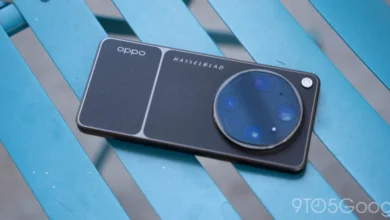
The chassis design evokes the utilitarian aesthetic of the original Shield Tablet, featuring a matte-black finish. While this provides a familiar, grippy texture, it is prone to collecting smudges and fingerprints, which can detract from the premium feel expected at this price point. A notable design flaw is the prominent camera bump. In an era where tablet photography is rarely prioritized, the inclusion of a protruding lens assembly that prevents the device from laying flat on a desk is a point of frustration for users who prioritize utility. Furthermore, the device weighs 360 grams, which, while manageable, creates a top-heavy sensation during portrait-mode use.

Biometrics and Input Limitations
Perhaps the most glaring hardware omission is the lack of a dedicated fingerprint scanner. The device relies exclusively on camera-based face authentication. This security solution is often unreliable in low-light environments, forcing users to frequently resort to manual PIN entry. For a gaming-centric device, the absence of biometric security integration that is both rapid and reliable is a notable lapse in design, particularly when competitors at much lower price points have successfully implemented side-mounted or under-display scanners.

The device also lacks a 3.5mm headphone jack, a standard feature for many dedicated gaming handhelds. While the placement of the stereo speakers—tucked along the sides to prevent obstruction during landscape gameplay—is a well-thought-out ergonomic detail, the removal of the analog audio port forces users to rely on Bluetooth, which may introduce latency for competitive gaming.
Software Performance and Optimization Issues

The most critical challenge facing the Legion Tab Gen 5 is its software experience. Running an AOSP-based version of Android, the device suffers from optimization issues that hinder its performance. During testing, users have reported instances where the display becomes locked at 60Hz, failing to utilize its higher refresh rate capabilities until a manual reset of the settings is performed.
Auto-rotation remains another pain point; the sensor is described as sluggish and inconsistent, often failing to trigger the necessary rotation prompt or the UI transition. Furthermore, the presence of pre-installed bloatware—including various match-three games and third-party applications—is antithetical to the premium, "gaming-first" branding. Users are expected to manually remove these applications during the initial setup, a process that is increasingly rare in high-end consumer electronics.

The current update policy remains a point of ambiguity. While Lenovo has made strides in its support for other product lines, the Legion Tab Gen 5 does not currently benefit from a clearly defined long-term update commitment. Industry expectations for a device at this price point include at least three to four years of major OS upgrades and consistent security patches, which the current model has yet to formally guarantee.
The Role of Emulation: DroidDeck and Beyond

The primary use case for this device, as identified by early adopters, is the running of emulation software, specifically projects like DroidDeck. The Snapdragon 8 Elite provides significant raw power, enabling the tablet to handle modern, non-native software applications with relative ease. The experience of running Steam’s Big Picture mode via emulation is a highlight of the device, showcasing what a "Valve-esque" Android tablet could look like.
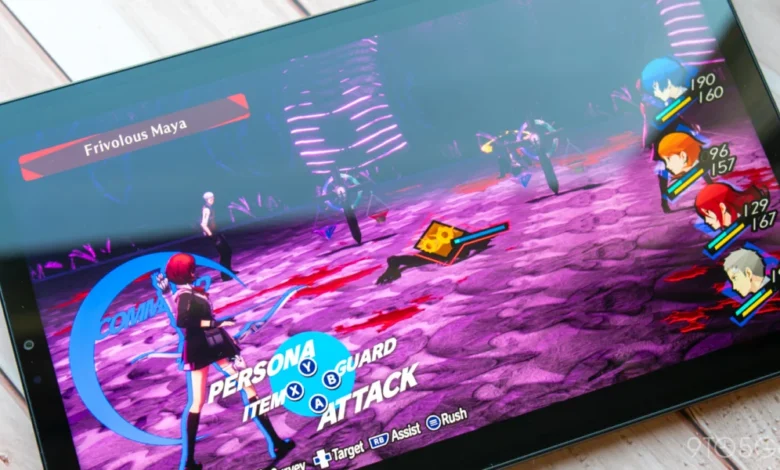
However, the experience is not seamless. While games like Persona 3 Reload are technically playable, they often require significant graphical downgrades to maintain a stable frame rate. The unpredictability of these applications, combined with the lack of official support for such software, means the device currently serves as an "enthusiast experiment" rather than a polished, plug-and-play gaming solution.

Market Position and Competitive Implications
When evaluating the Legion Tab Gen 5 against its market rivals, the price-to-performance ratio is difficult to justify. The Apple iPad Mini, while also considered expensive by some, offers a more refined software ecosystem and a broader library of optimized tablet applications. The base OLED Steam Deck, despite recent price adjustments, provides a dedicated gaming environment with superior controls and a more mature software library for $100 less than the Lenovo device.

Industry analysts suggest that Lenovo may be testing the waters with the Gen 5 model, using it to gauge the viability of the "premium mini" market before committing to more expensive hardware components like OLED displays. If the rumored 2027 successor introduces an OLED panel, it may address the primary visual critique of the current model. However, until the software environment is significantly refined and the pricing structure is aligned with the competitive landscape, the Legion Tab Gen 5 remains a niche device with limited appeal.
Broader Industry Impact

The release of the Legion Tab Gen 5 highlights a persistent challenge for manufacturers: the "Android tablet gap." While smartphones have reached incredible levels of performance and optimization, the tablet market continues to struggle with finding a balance between mobile gaming utility and the high-end hardware expectations of modern consumers. The reliance on legacy, unoptimized AOSP code in a flagship device suggests that there is still a significant disconnect between hardware capabilities and software maturity within the Android ecosystem.
For prospective buyers, the current iteration serves as a cautionary tale. While the hardware is fundamentally powerful, the user experience is currently hindered by bugs, a lack of biometric security, and a high entry cost. Those interested in the concept of a portable, high-performance gaming slate may be better served by waiting for subsequent iterations that promise to address these fundamental deficiencies. Until then, the Legion Tab Gen 5 stands as a reminder that raw processing power alone is insufficient to compete in a market that increasingly demands polish, software consistency, and long-term value.