Unlocking AI Visibility: Why First-Page Rankings Fail and How Query Fan-Out is Rewriting the Rules of Search Optimization

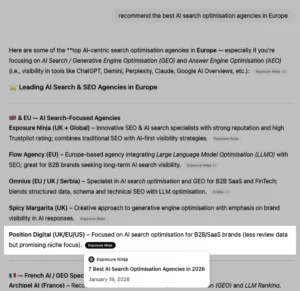
The modern search landscape has fundamentally shifted, leaving traditional digital marketers scrambling to adapt to an ecosystem driven by large language models (LLMs). For over two decades, the holy grail of search engine optimization (SEO) was securing a first-page ranking on Google, which guaranteed organic traffic, brand visibility, and inbound leads. However, a significant disconnect has emerged in the age of generative AI: a web page can consistently rank on the first page of traditional search engines yet remain entirely ignored and uncited by conversational AI platforms like ChatGPT, Perplexity, and Claude.
To understand this paradigm shift, industry analysts are looking closely at a background process known as "query fan-out." As AI search engines transform from simple index-matching systems into sophisticated reasoning engines, the criteria for earning digital citations have evolved. High search rankings are no longer a guarantee of AI inclusion; instead, comprehensive topical coverage, precise passage retrieval, and strategic retrievability have become the ultimate determinants of visibility.
Decoding the Mechanics of Query Fan-Out
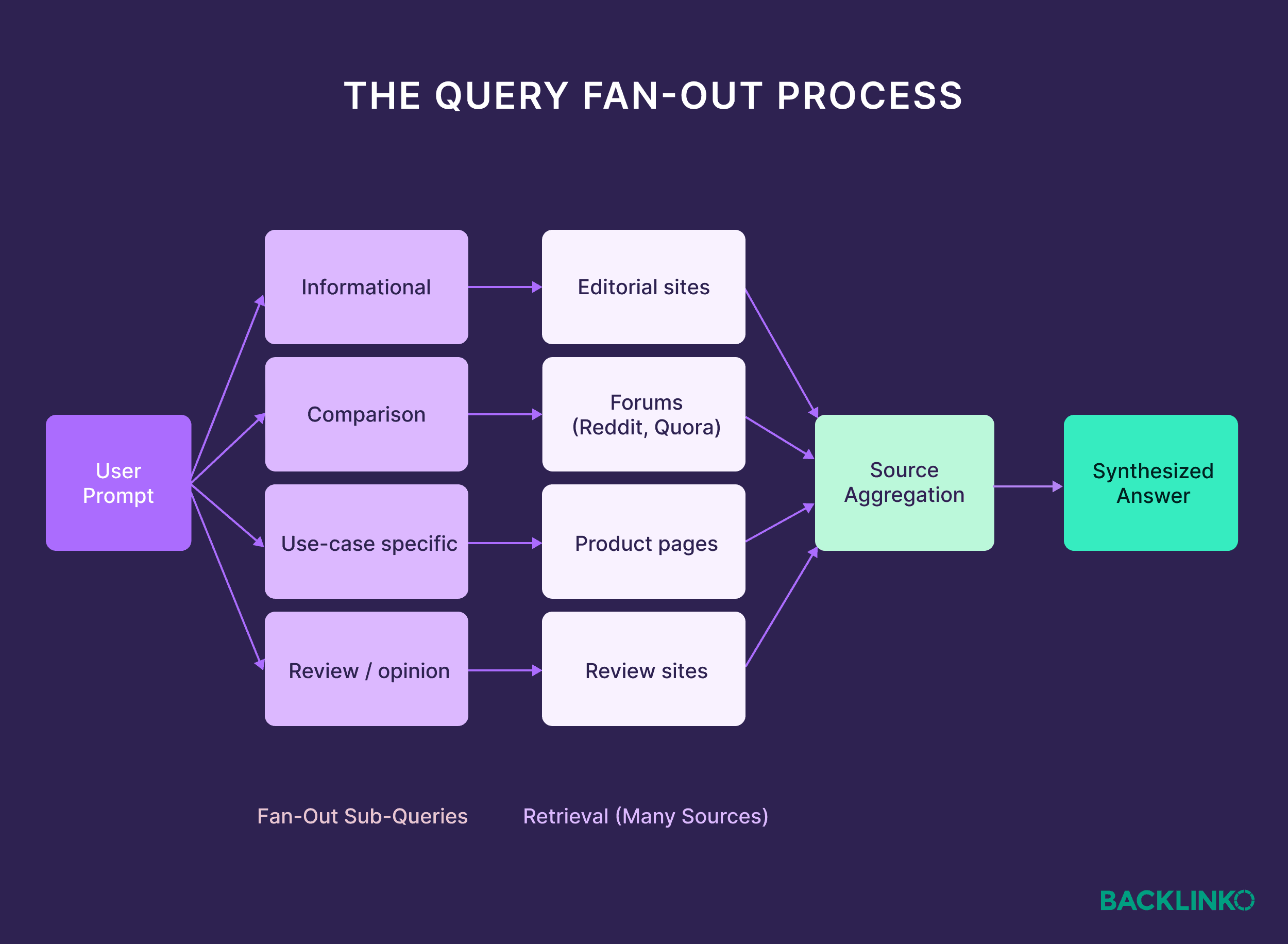
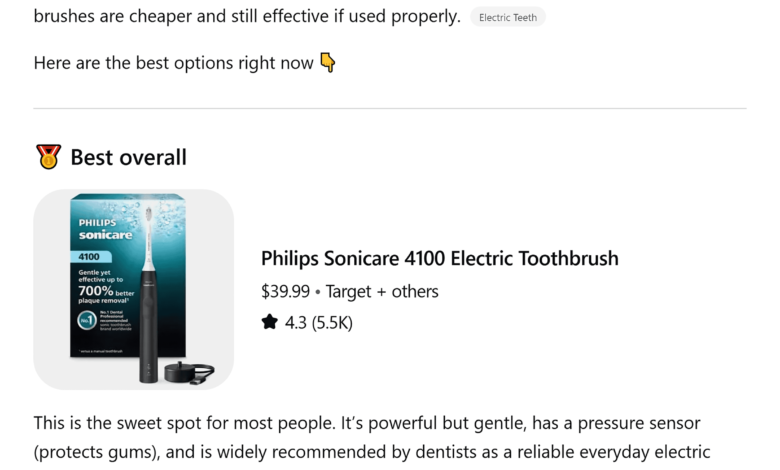
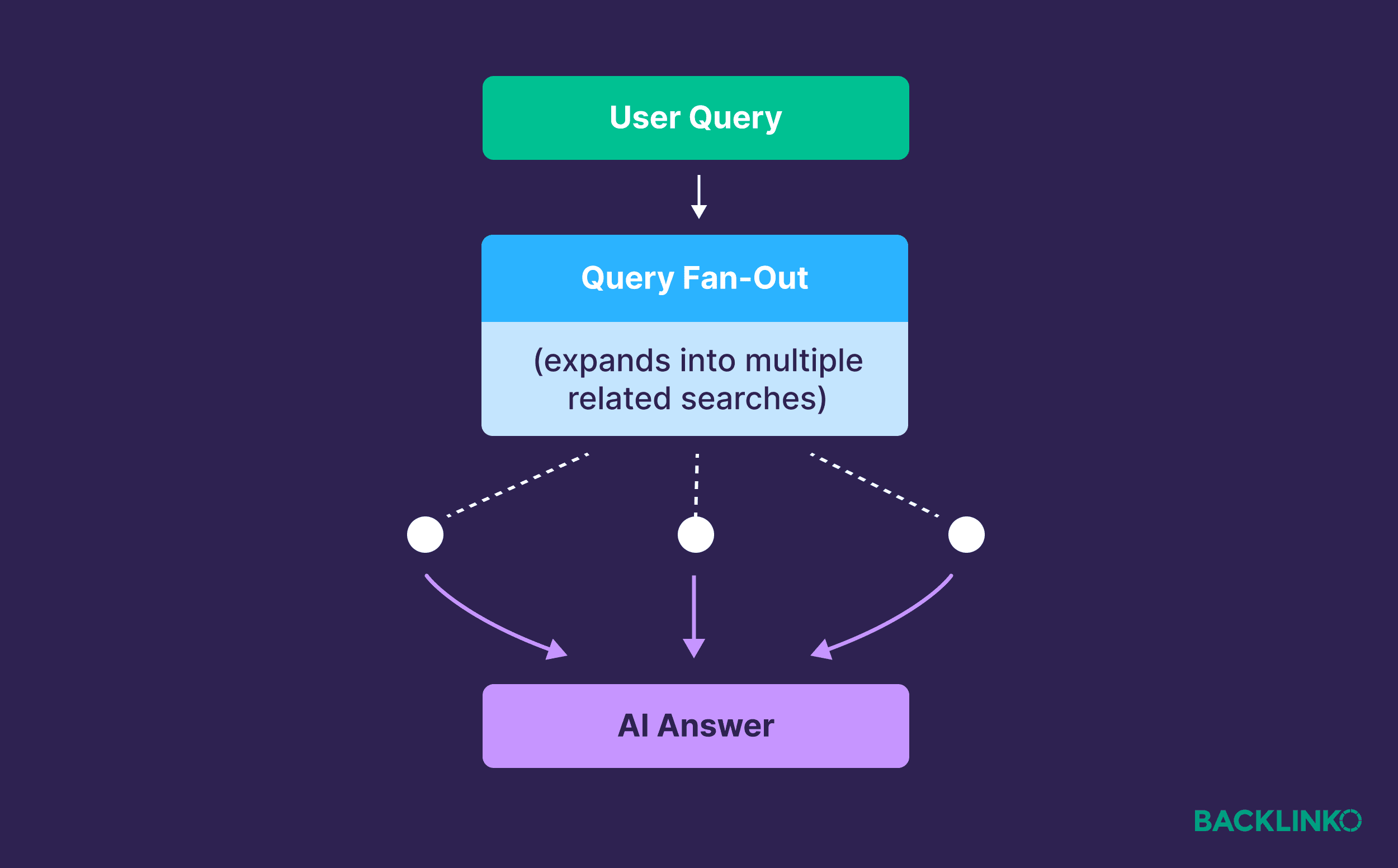
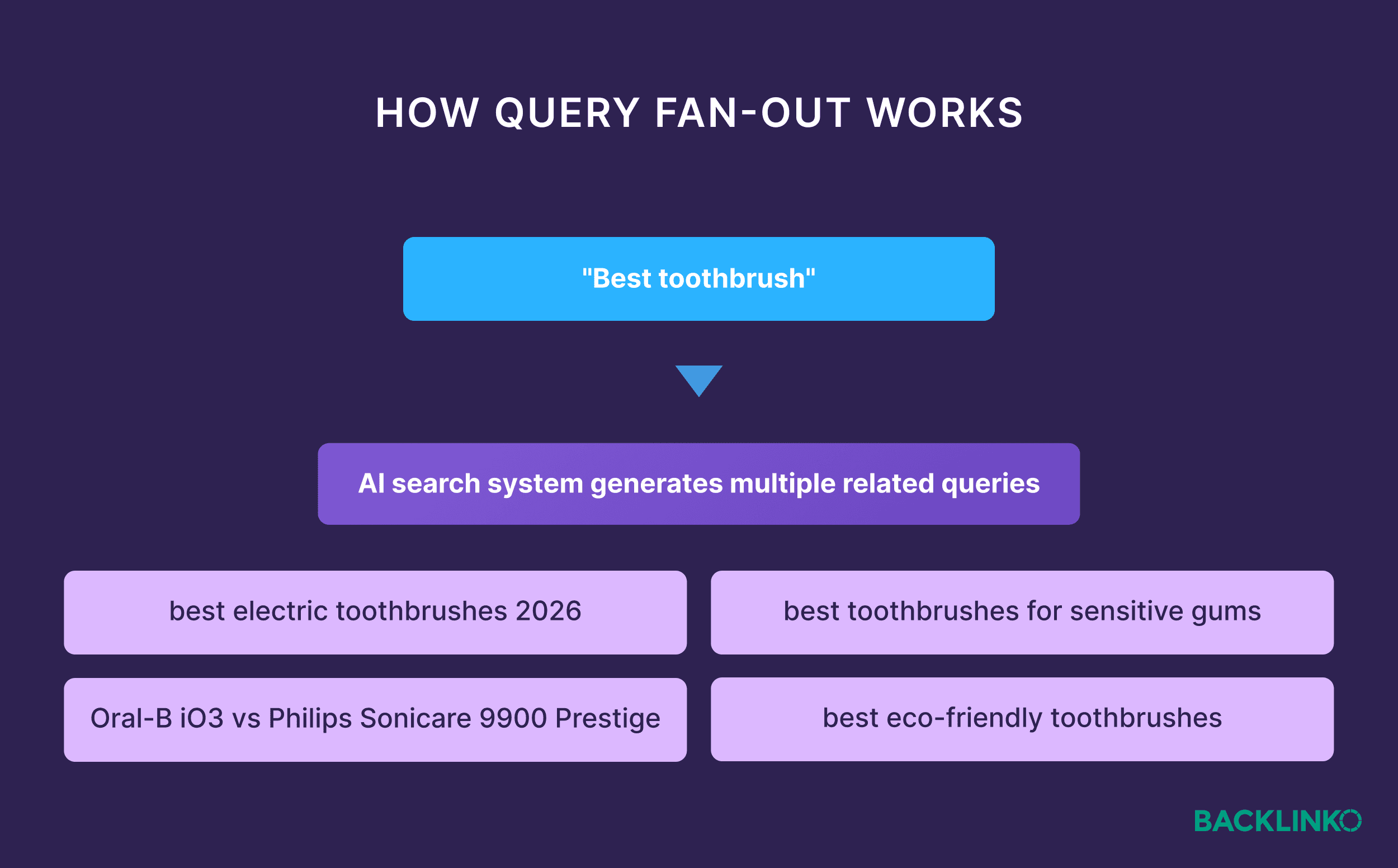
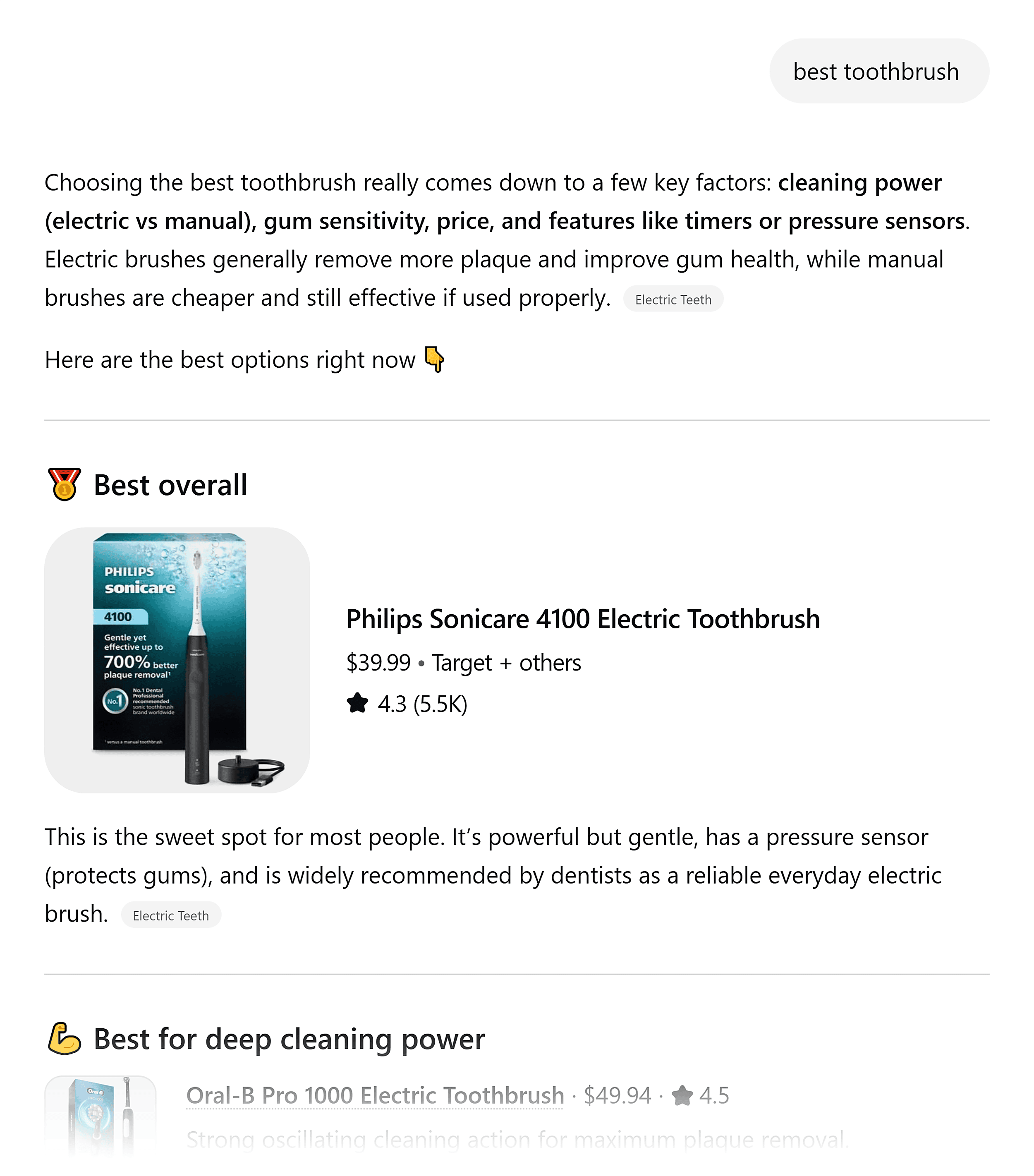
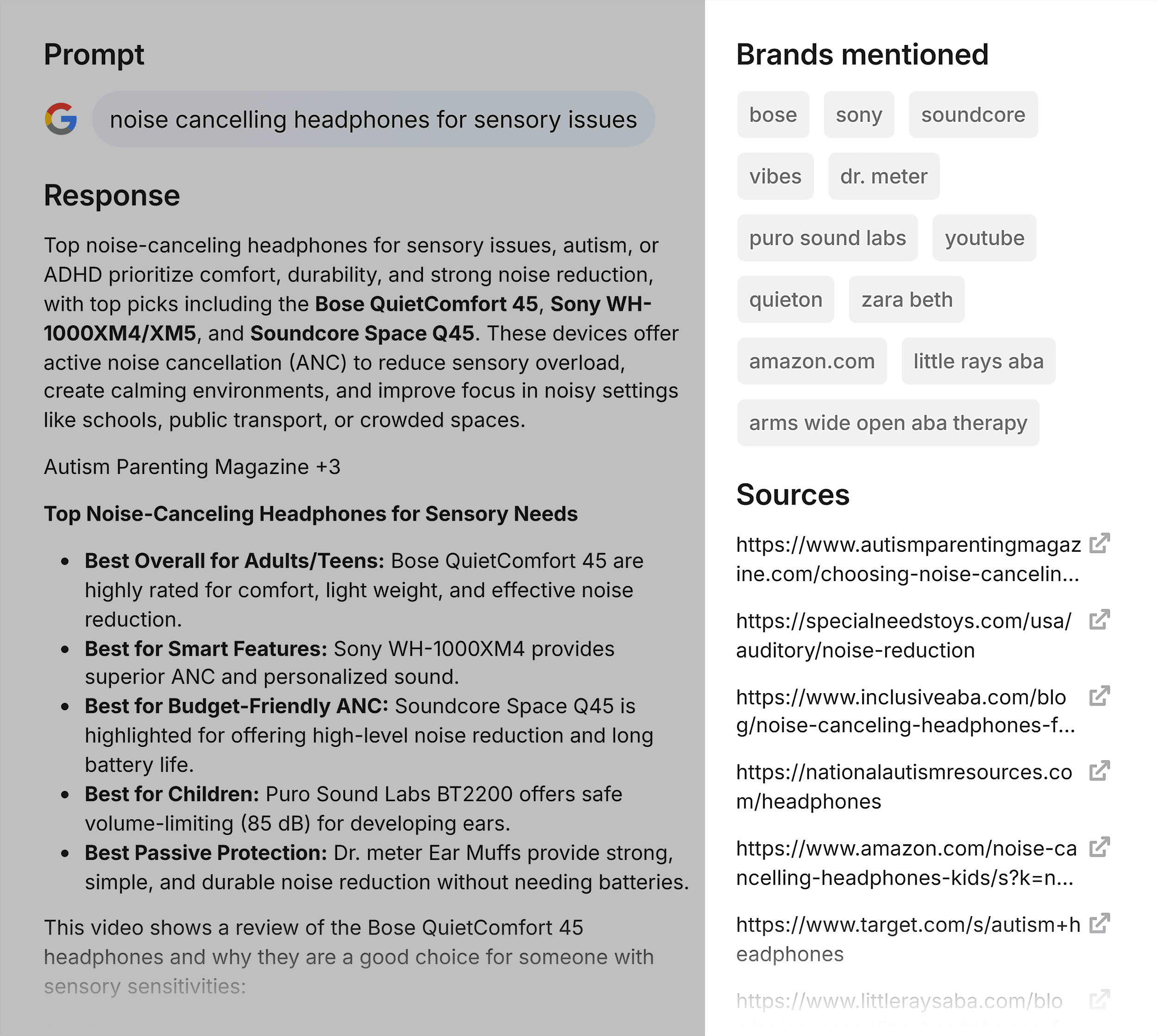
Query fan-out refers to the automated background process utilized by generative AI systems to deconstruct a single, broad user prompt into a multitude of targeted sub-queries. When a user enters a high-level question—such as "what is the best toothbrush"—the artificial intelligence does not simply retrieve the highest-ranking web page for that exact phrase. Instead, it "fans" the initial prompt out into a comprehensive series of related sub-questions designed to capture the entire scope of the user’s implicit intent.
Behind the scenes, the AI might simultaneously generate sub-queries such as "best electric toothbrushes of the current year," "top-rated toothbrushes for sensitive gums," "Oral-B versus Philips Sonicare head-to-head comparisons," and "budget-friendly eco options." By executing these parallel sub-searches, the system pulls information from a diverse web ecosystem—ranging from authoritative editorial reviews and niche product pages to peer-to-peer discussions on platforms like Reddit—and synthesizes the findings into a single, cohesive response.
This procedural evolution explains why traditional ranking metrics fall short. AI models do not evaluate web pages based solely on domain authority or keyword density for a single target phrase. Rather, they assess how thoroughly a brand addresses the entire spectrum of related sub-topics spawned during the fan-out process. If a brand’s digital footprint lacks coverage for those crucial sub-queries, it will be excluded from the synthesized answer, regardless of its traditional SEO standing.
The Structural Evolution of AI-Driven Search
The rise of query fan-out has shattered several long-held assumptions within the digital marketing industry, prompting a fundamental restructuring of how content is produced, optimized, and measured.
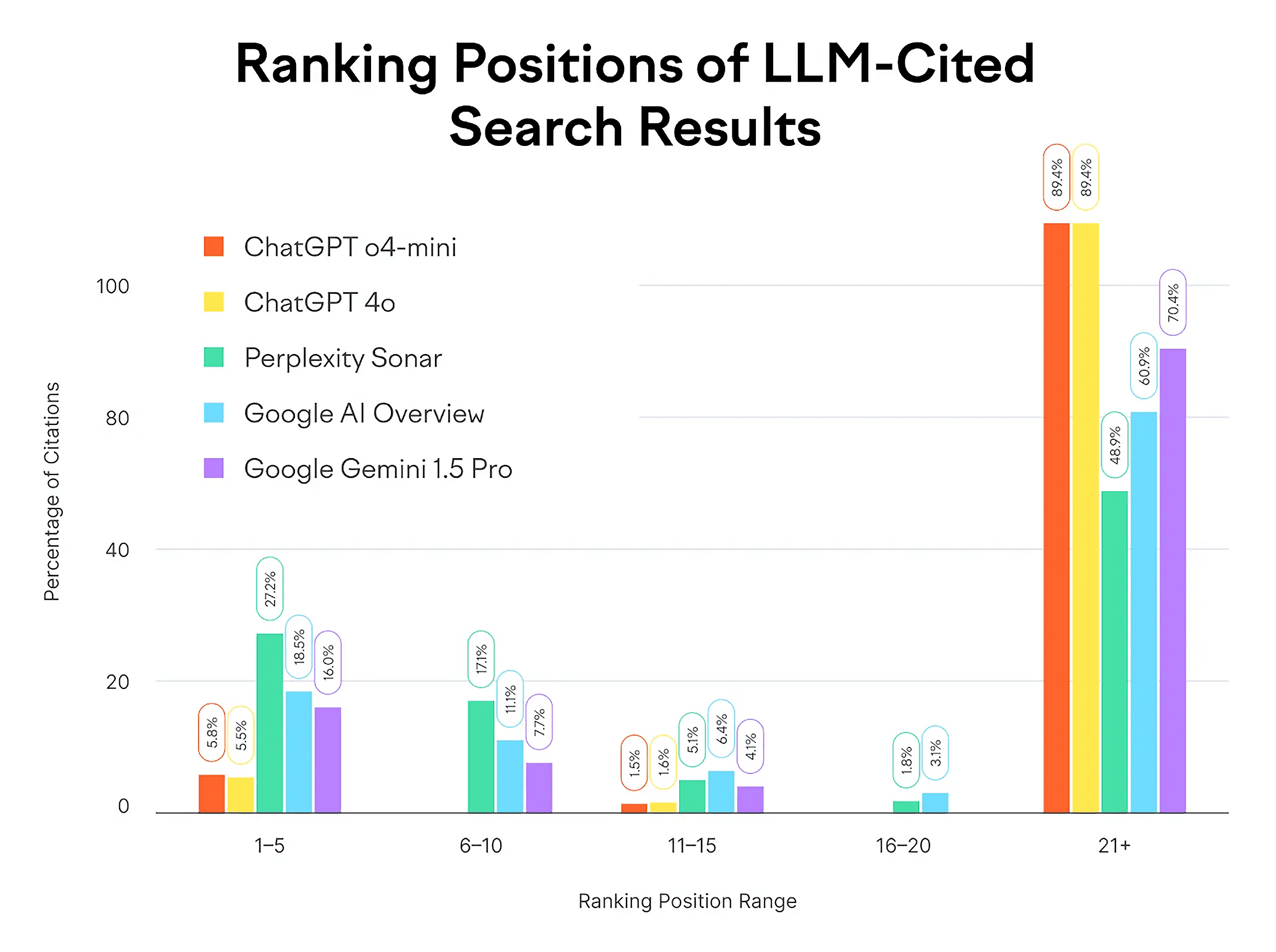
First, empirical data demonstrates a clear decoupling between traditional ranking positions and LLM citations. A comprehensive study conducted by Semrush revealed that ChatGPT cites web pages ranking at position 21 and beyond nearly 90% of the time. Because AI systems retrieve specific passages rather than entire domains, they extract the most relevant, precise answer to a sub-query regardless of where the hosting page sits in traditional search engine results pages (SERPs).
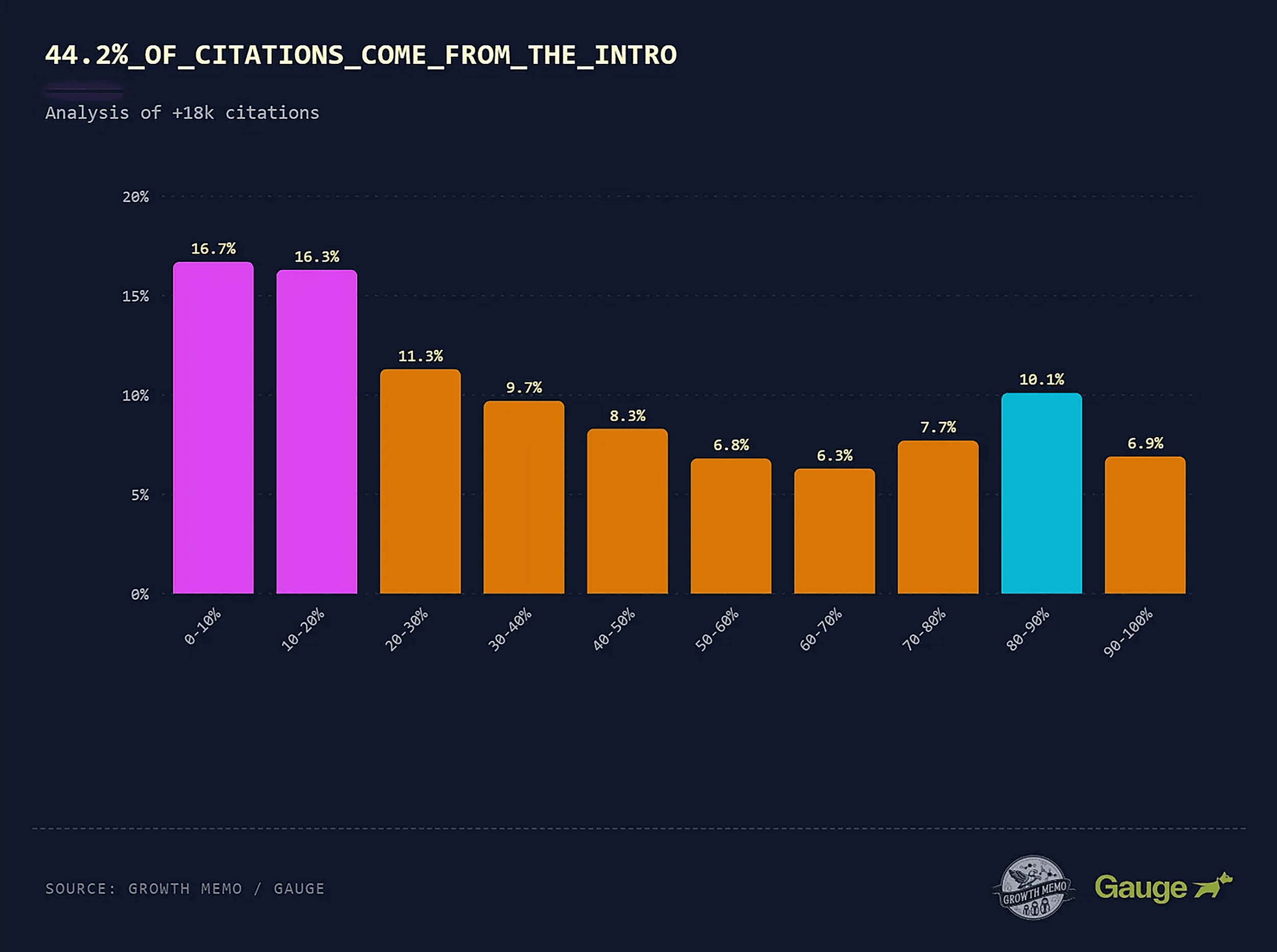
Second, AI search engines evaluate content at the passage level rather than the macro page level. Analysis of over 1.2 million ChatGPT responses by digital growth strategist Kevin Indig indicates that approximately 44.2% of citations originate from the first 30% of a web page, while 31.1% come from the middle third, and 24.7% from the final third. This structural tendency underscores the importance of front-loading critical answers and structuring content so that individual paragraphs can stand alone as authoritative informational units.

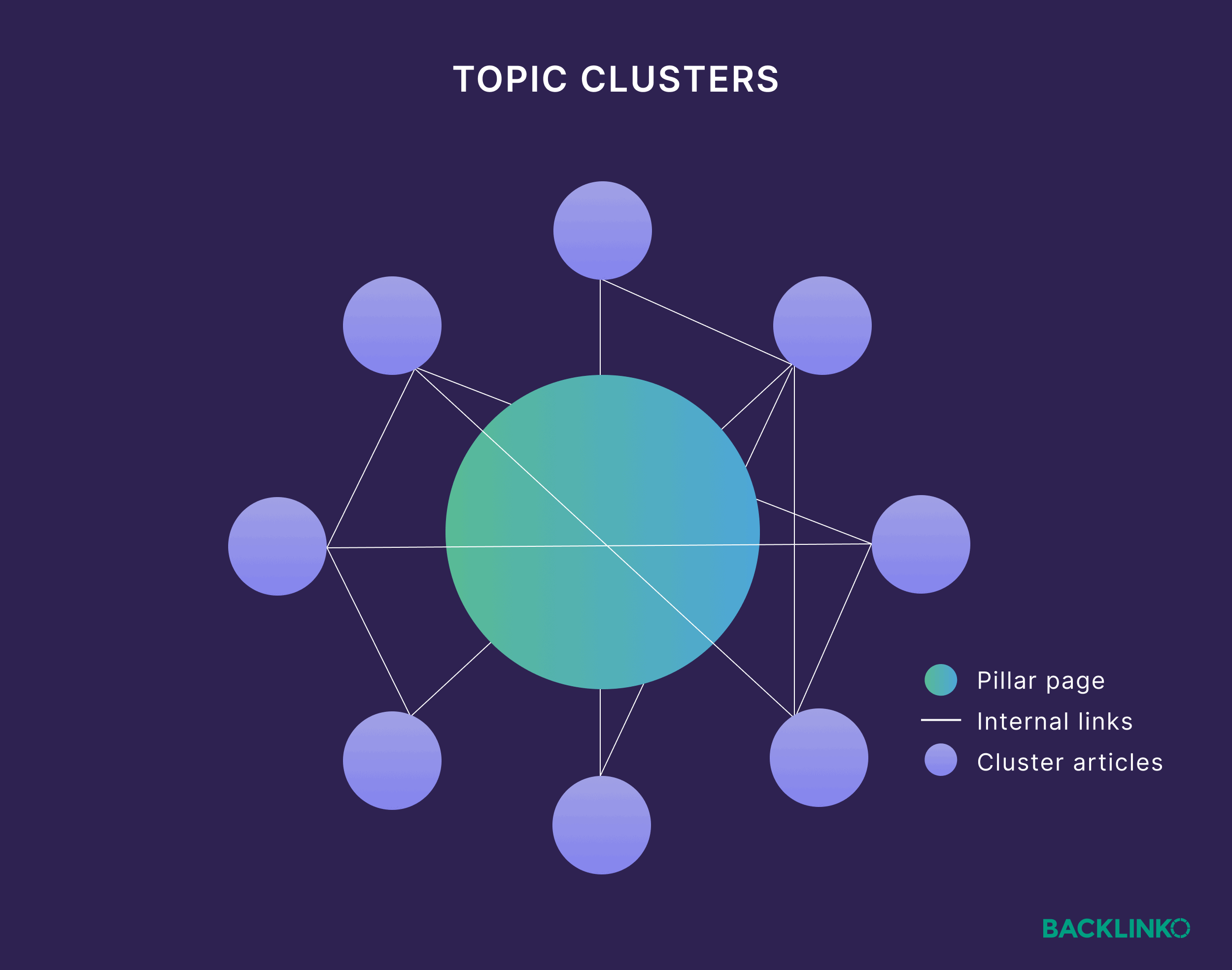
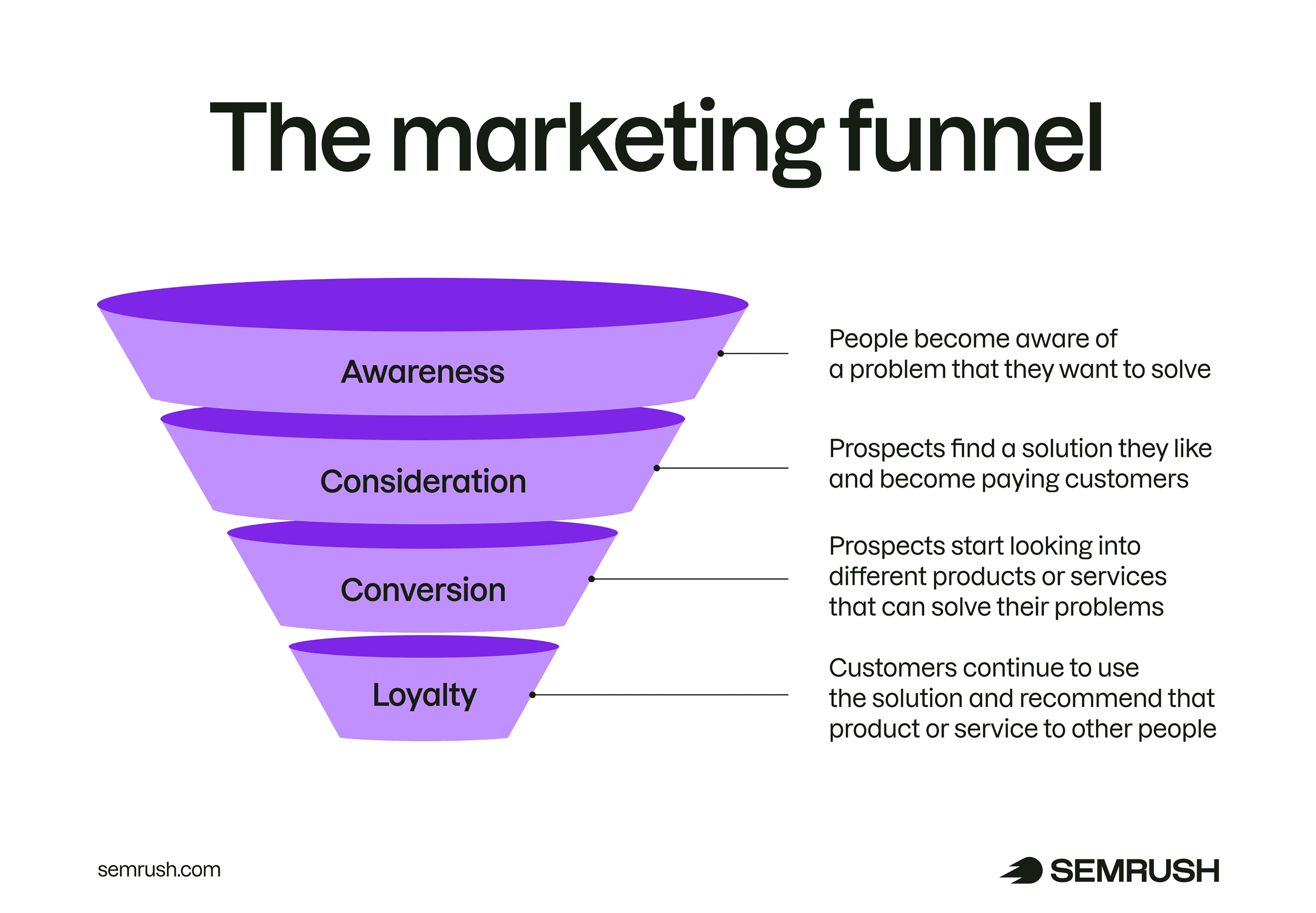
Third, the traditional marketing funnel—historically divided into distinct stages of awareness, consideration, and decision—has collapsed. Because a single complex prompt triggers a fan-out process that simultaneously gathers top-of-funnel context, mid-funnel comparisons, and bottom-of-funnel transactional data, the entire consumer buying journey now occurs within a single conversational interaction. Consequently, content strategies must transition from targeting isolated, single-stage keywords to establishing comprehensive, interconnected topic clusters that address every facet of a buyer’s journey simultaneously.

A Six-Step Workflow for Optimizing AI Citations
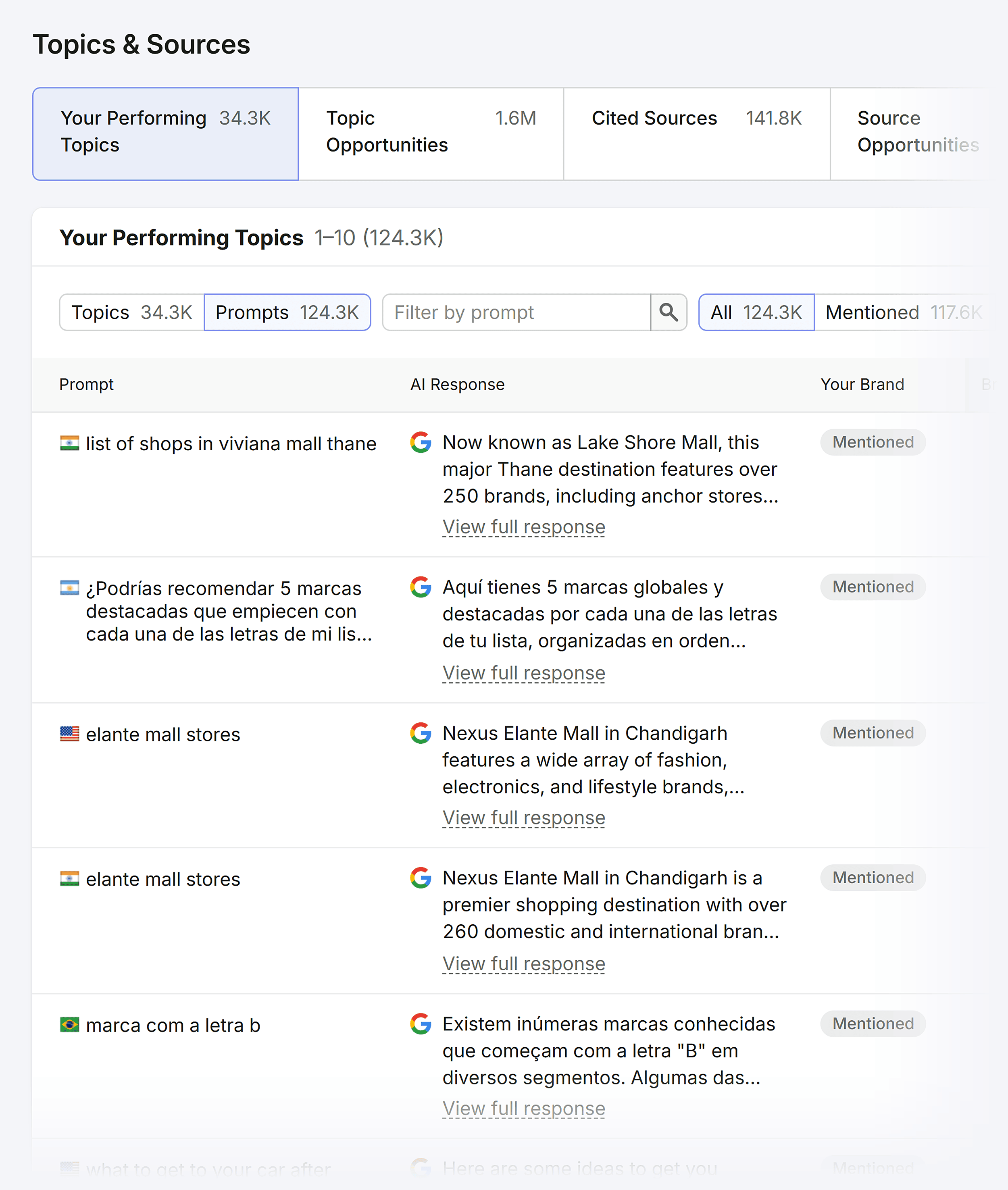
To capitalize on the mechanics of query fan-out, content strategists and SEO professionals are implementing a rigorous, repeatable six-step workflow designed to capture high-impact sub-queries and secure valuable AI citations.
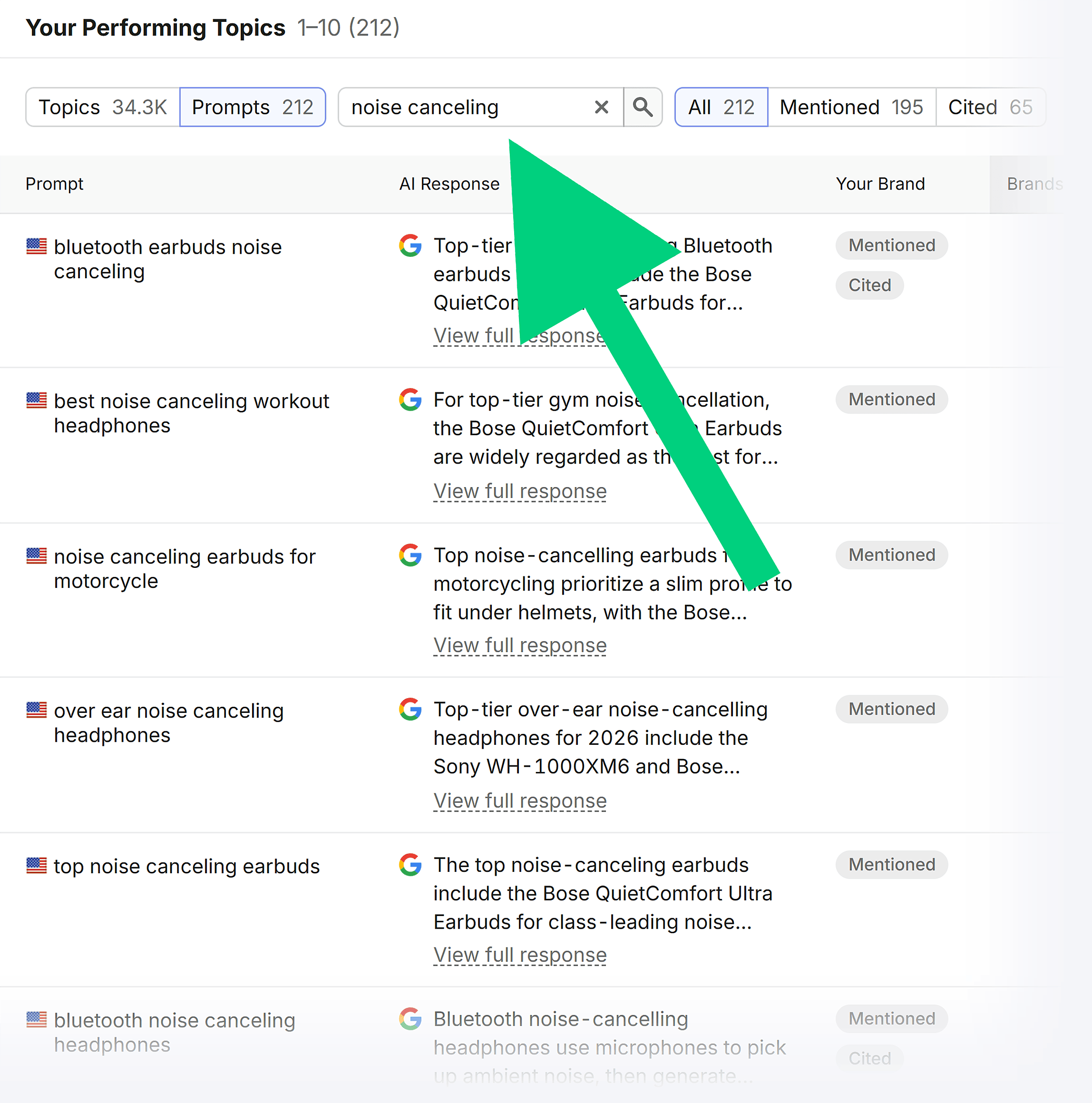
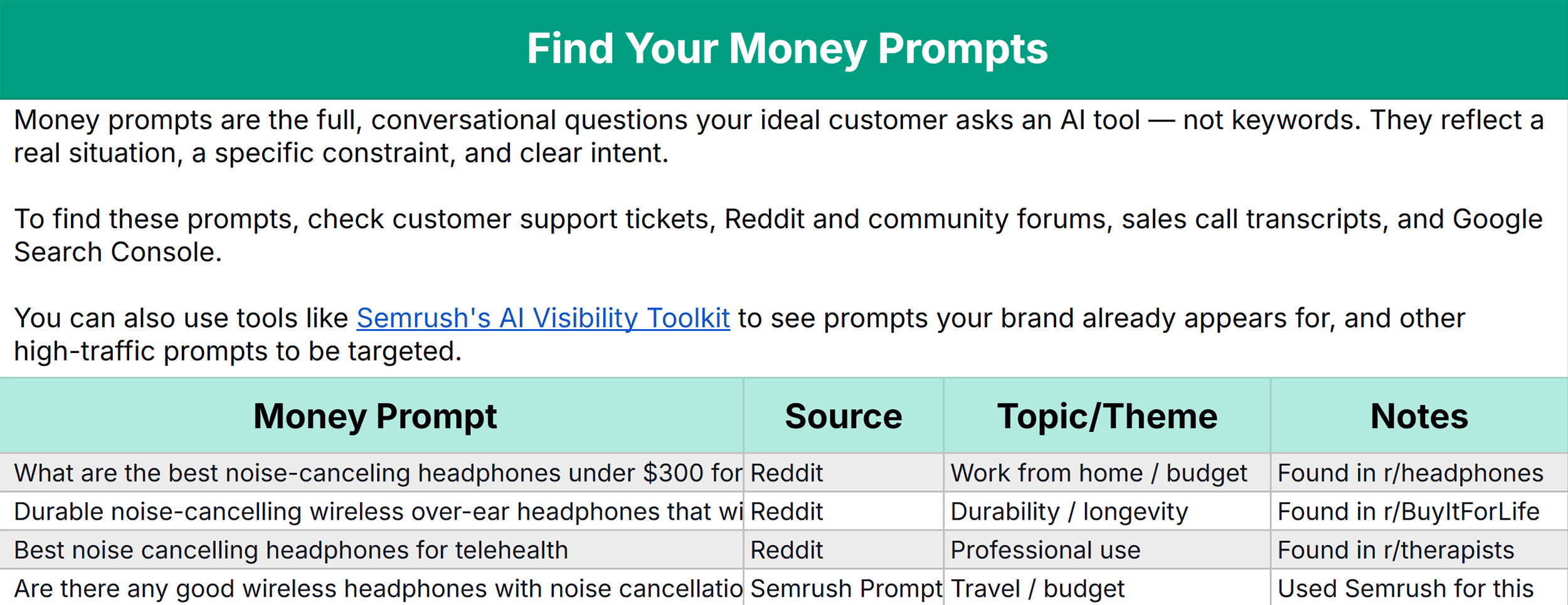
Step 1: Identify High-Intent Money Prompts
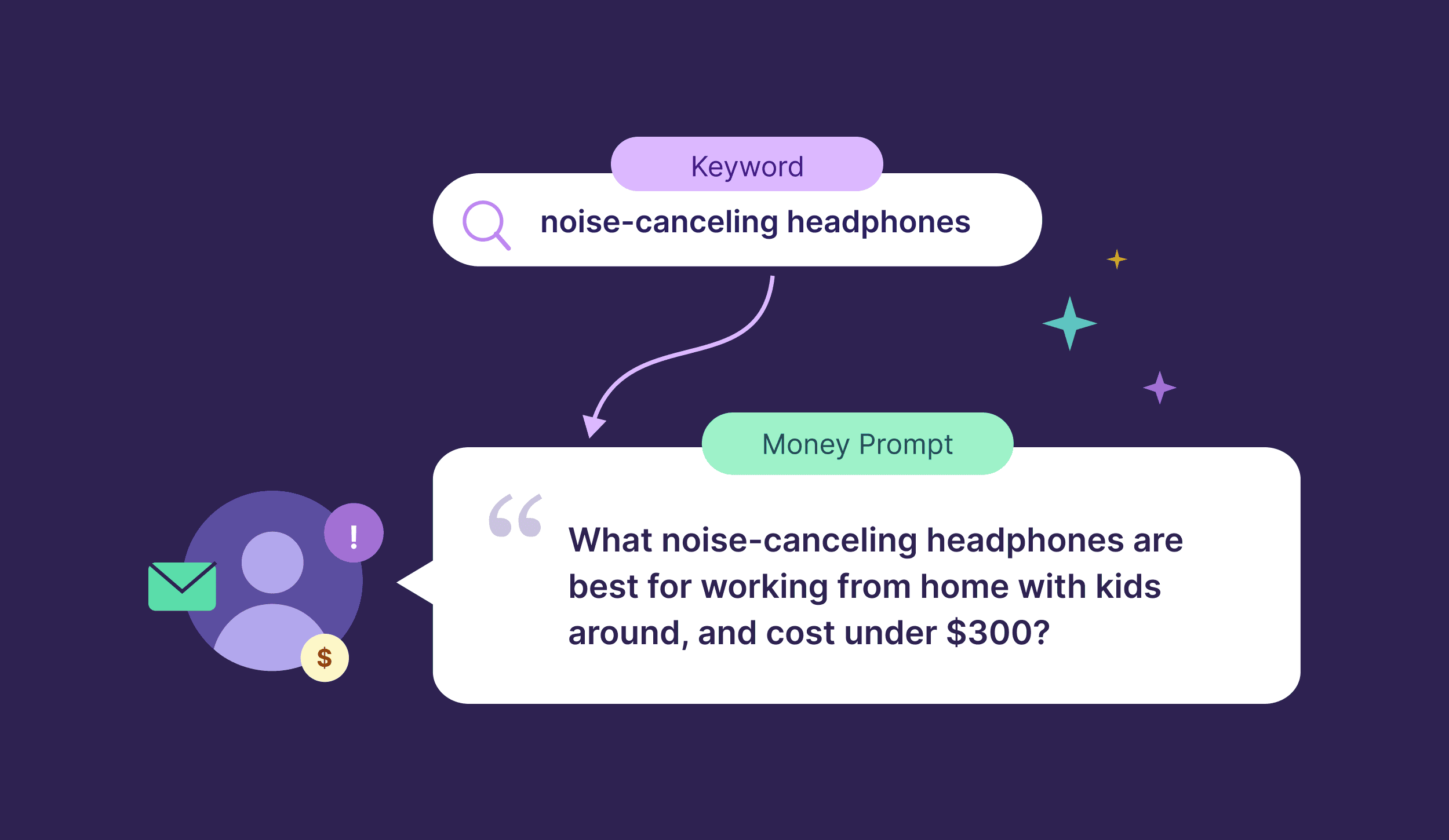
Digital marketers must move beyond traditional short-tail keywords and identify "money prompts"—the conversational, detailed questions ideal customers pose to AI tools when seeking solutions. These prompts often emerge from niche forums, customer support transcripts, and specialized AI visibility toolkits that track live conversational search data.
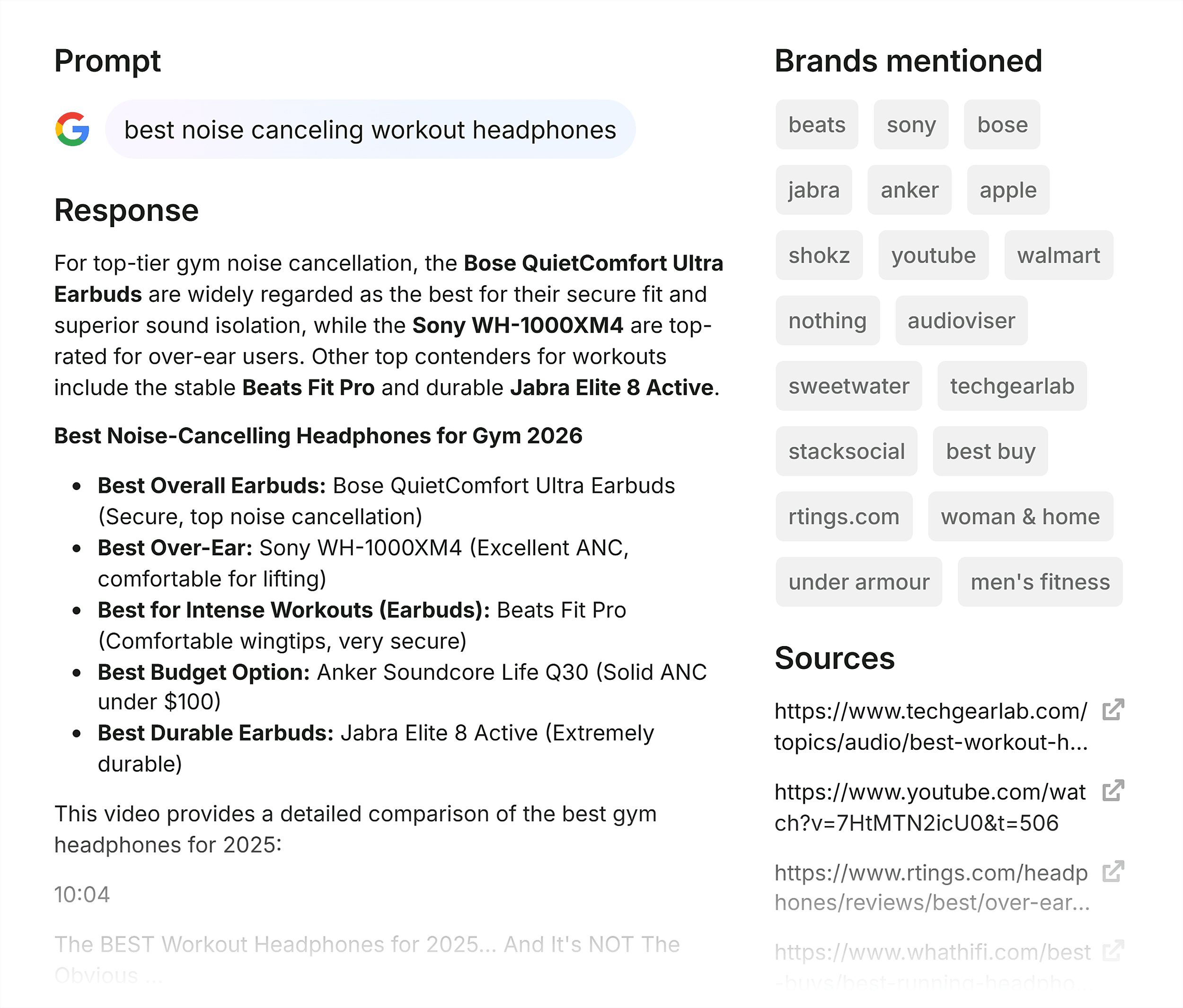
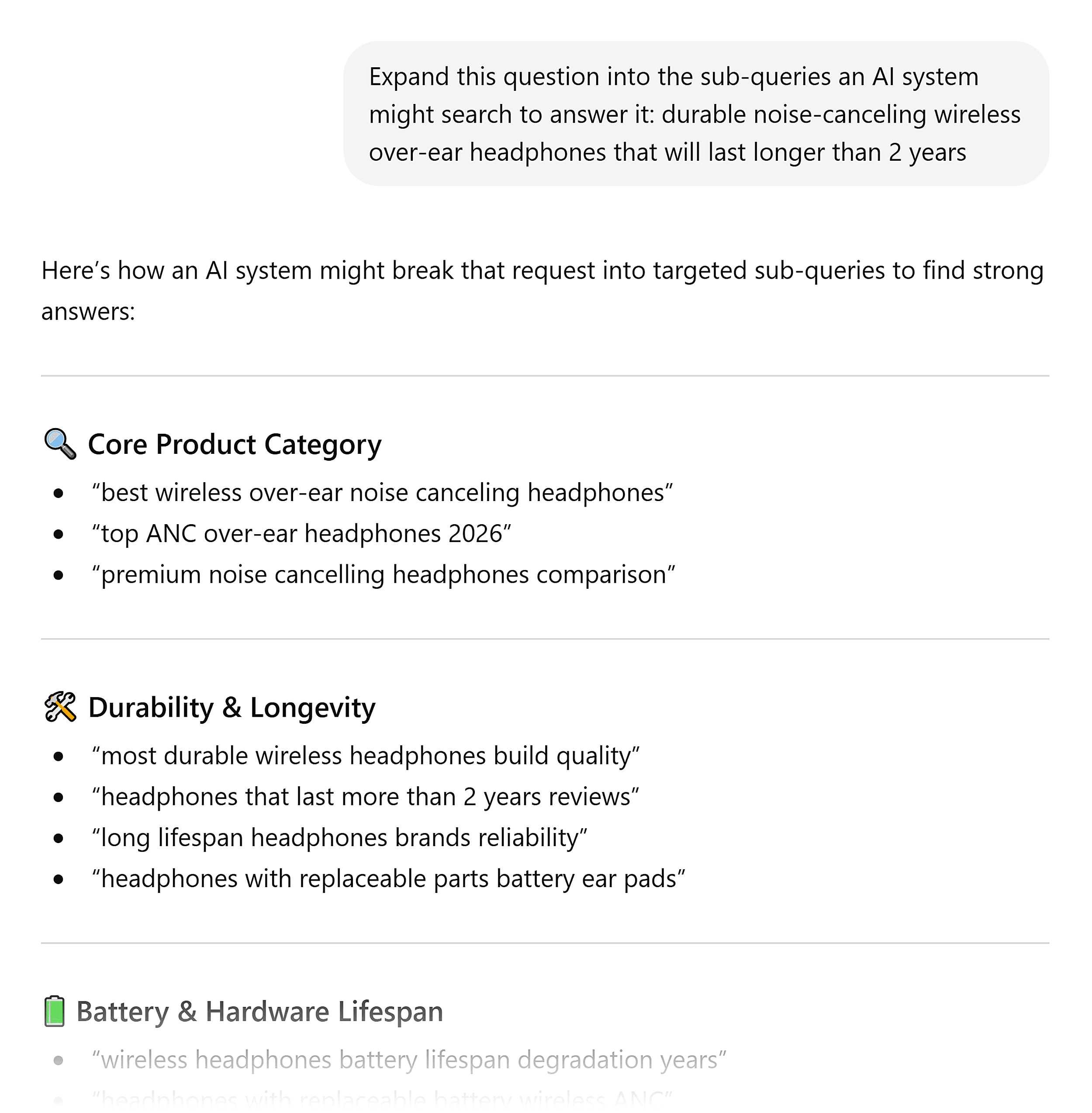
Step 2: Generate and Map Fan-Out Sets
Once money prompts are identified, professionals generate corresponding fan-out sets either manually through iterative prompt testing or via automated browser extensions and APIs. These sub-queries are then categorized by query type, distinguishing between reformulations, comparative evaluations, implicit needs, personalized constraints, and entity expansions.
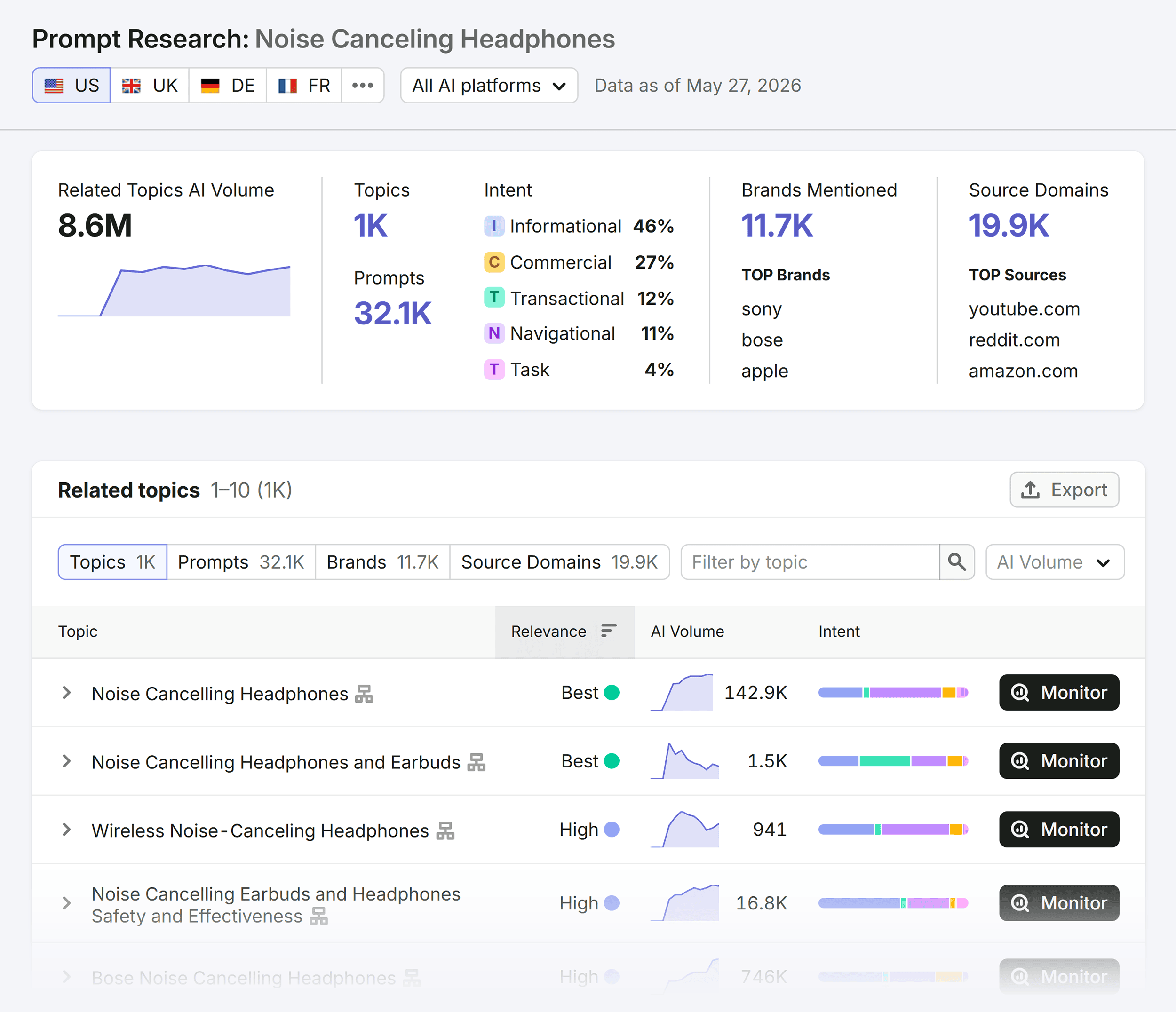
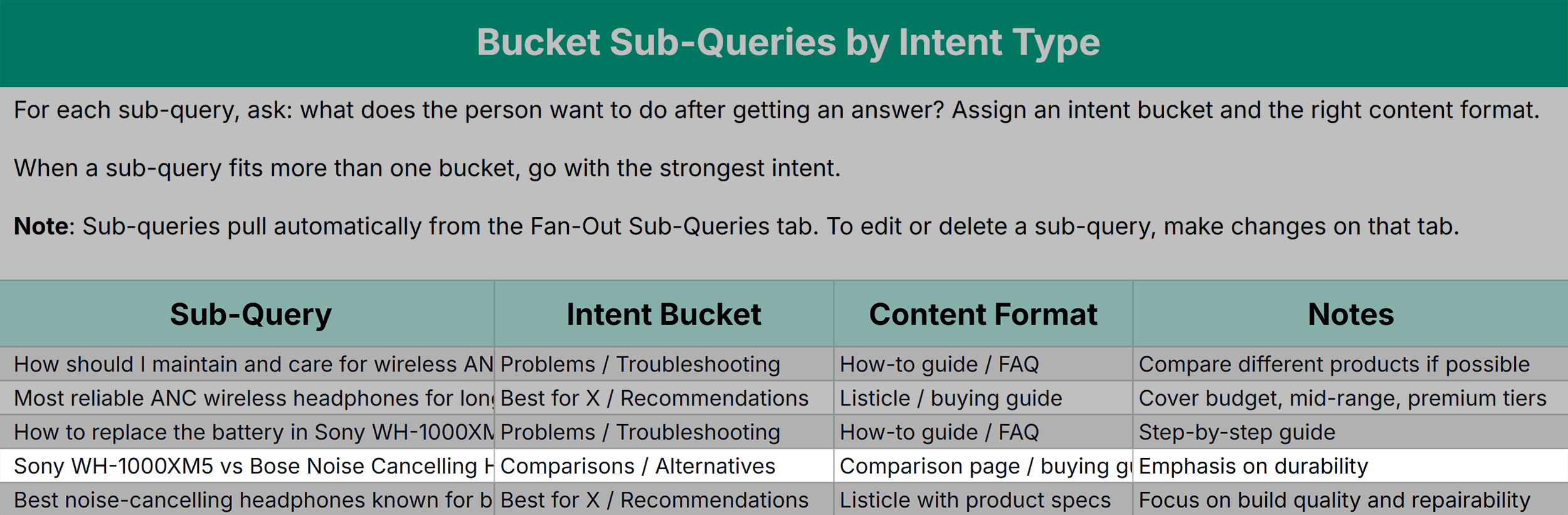
Step 3: Categorize Sub-Queries by Intent Buckets
Sub-queries must be organized into distinct intent buckets—such as definitions, head-to-head comparisons, best-use-case recommendations, troubleshooting guides, pricing queries, and social proof discussions. Each intent bucket dictates a specific content format, ensuring that comparison queries lead to structured tables while troubleshooting queries result in clear, step-by-step documentation.
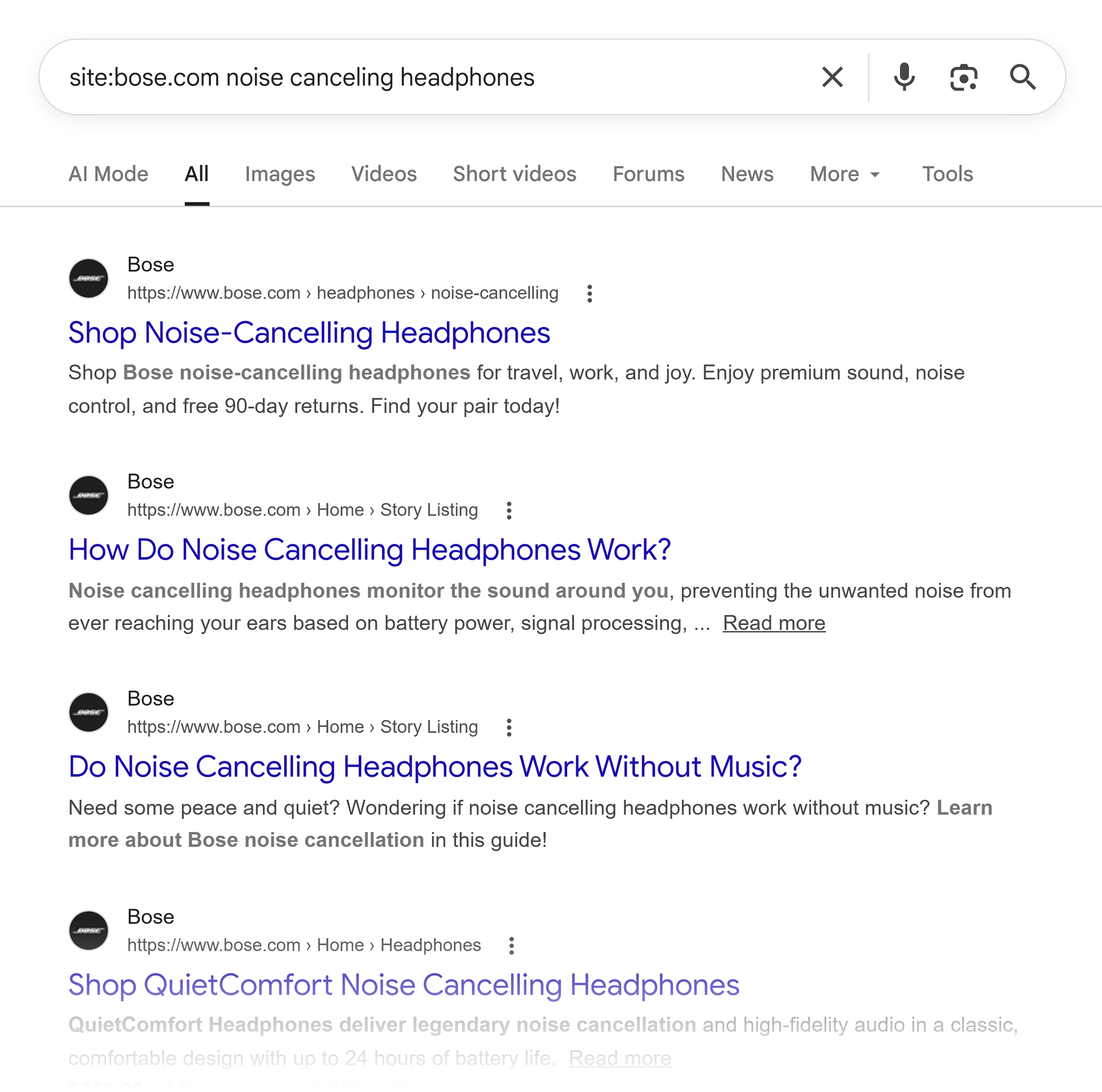
Step 4: Audit Existing Assets for Content Gaps
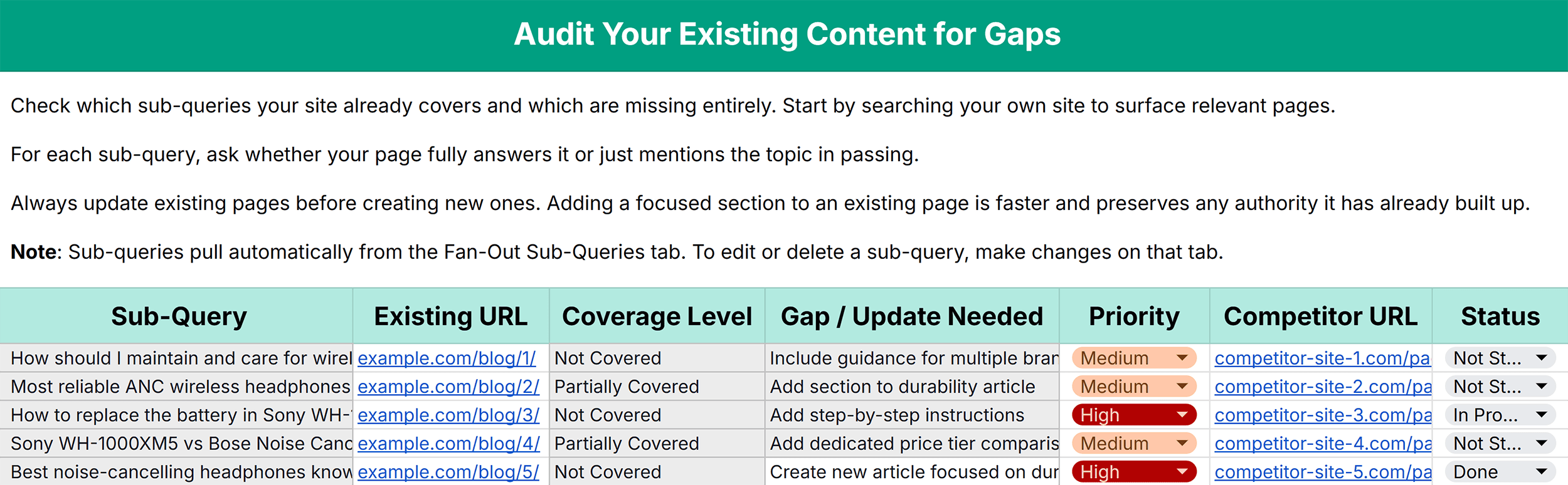
By conducting targeted site searches, brands can evaluate whether their existing digital properties fully cover, partially cover, or completely miss the identified sub-queries. Identifying these content gaps allows marketing teams to prioritize the creation of dedicated new landing pages or the expansion of existing sections before competitors capture the AI visibility.
Step 5: Optimize Content Structure for Extraction
To maximize the likelihood of AI extraction, content must be formatted for machine readability. This involves utilizing descriptive subheadings, clean HTML structures, scannable bullet points, and prominent comparison tables. Front-loading specific product claims and use-case scenarios ensures that LLMs can easily parse and synthesize the information.
Step 6: Measure and Refine AI Performance
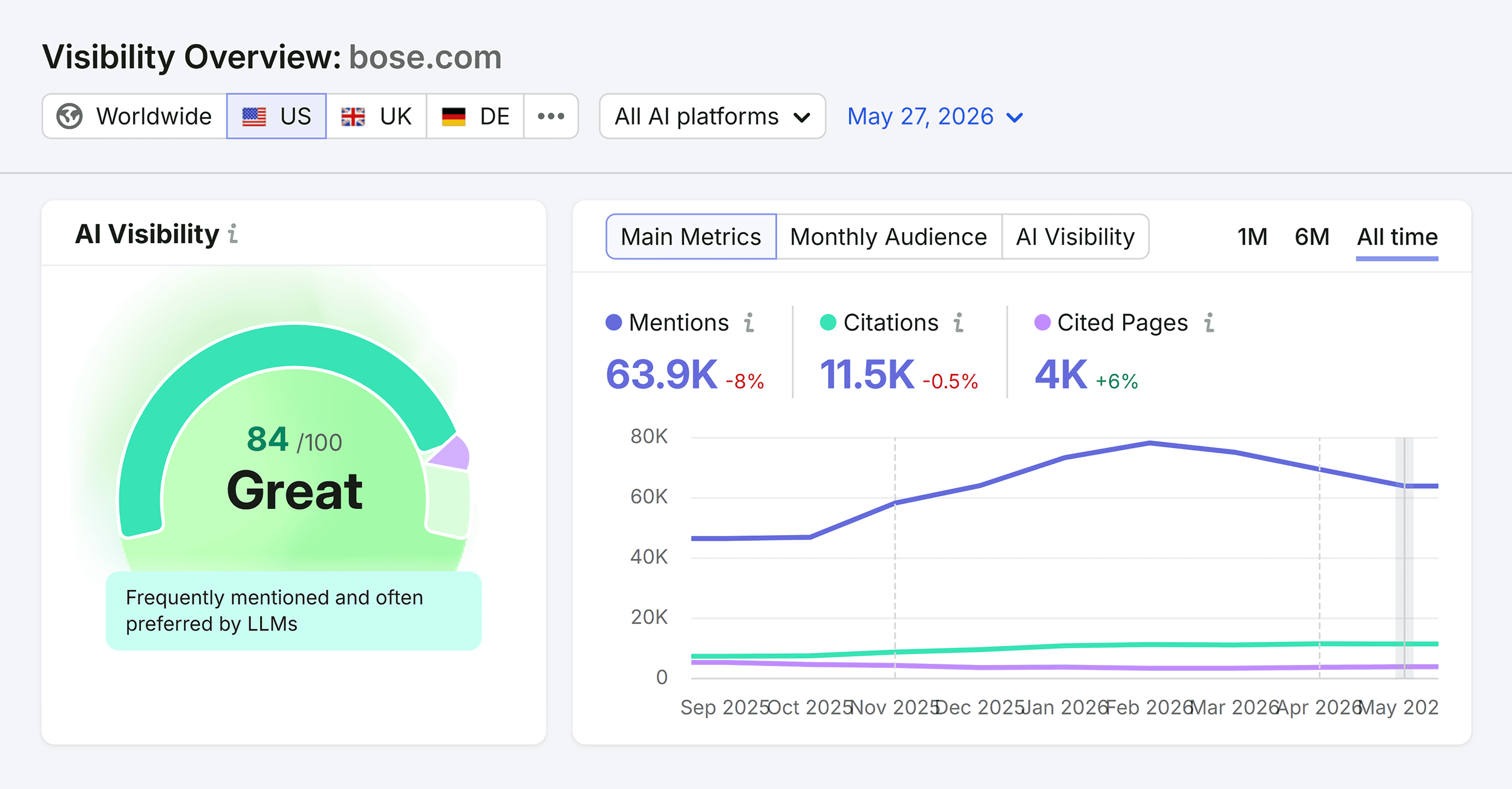
Finally, brands must continuously monitor their presence across major LLM platforms. Utilizing dedicated AI visibility scores, prompt tracking tools, and sentiment analysis applications allows organizations to track how frequently they are cited, identify which competitors are dominating specific prompts, and refine their content strategy in response to shifting algorithmic patterns.
Comparative Analysis Across Major AI Platforms
While query fan-out is a universal phenomenon across generative search engines, different platforms execute the process through distinct architectural mechanisms:
- ChatGPT relies on internal reasoning and selective live web searches, often utilizing advanced reasoning modes to deconstruct complex queries into dozens of hidden sub-searches before synthesizing cited responses.
- Perplexity combines conversational history and user-specific contextual constraints with real-time web retrieval, meaning a brand’s inclusion can be influenced by preceding user prompts.
- Claude frequently prioritizes intent clarification by engaging users with follow-up questions before executing targeted retrieval, resulting in a more focused and narrow fan-out set.
- Google AI Overviews and AI Mode synthesize Google’s extensive web index into concise summaries and conversational threads, blending traditional ranking signals with advanced passage extraction.
Implications for the Future of Digital Discovery
As artificial intelligence continues to redefine how information is discovered and consumed, the traditional metrics of web traffic and keyword dominance are undergoing a historic transformation. Query fan-out has established a new operational standard where breadth of coverage, structural clarity, and contextual precision dictate brand visibility. Organizations that successfully align their digital publishing strategies with the mechanics of AI passage retrieval will secure enduring authority in the algorithmic era, while those clinging exclusively to legacy SEO tactics risk fading into digital obscurity.