Bluesky Experiences Widespread Outage on April 16, 2026, Disrupting User Access Before Gradual Restoration

Bluesky, the rapidly growing decentralized social media platform and prominent alternative to Elon Musk’s X, experienced a significant service interruption on Thursday, April 16, 2026. The outage, which began in the early hours of the Eastern Time zone, rendered the platform inaccessible for many users across its mobile application and web interface for several hours. This disruption prompted immediate concern among its burgeoning user base and initiated a swift response from the platform’s engineering teams, eventually leading to a gradual restoration of services throughout the morning. The incident served as a critical test of Bluesky’s infrastructure and its commitment to the resilience inherent in its unique AT Protocol architecture.
The first indications of widespread issues emerged around 6:30 a.m. Eastern Time (10:30 a.m. Coordinated Universal Time, UTC), when the independent outage tracking service Downdetector registered a sharp and substantial increase in user reports. The platform, which monitors the real-time status of various online services, recorded a thousand-strong spike in reported problems with Bluesky, indicating a systemic failure rather than isolated user issues. Users attempting to access their feeds, post updates, or engage with communities were met with persistent loading errors, blank screens, or an inability to connect to the service altogether. This sudden unavailability for a platform increasingly relied upon for real-time communication and content sharing immediately triggered discussions on other social media platforms, as users sought confirmation and expressed their frustration.
A Detailed Chronology of the Outage and Recovery
The sequence of events on April 16, 2026, unfolded rapidly as Bluesky engineers worked to diagnose and rectify the service interruption.
- Approx. 6:30 a.m. ET (10:30 a.m. UTC): Downdetector begins to show a significant surge in user-reported issues with Bluesky, marking the onset of the widespread outage. The volume of reports quickly escalated, signaling a critical failure affecting a broad segment of the user base.
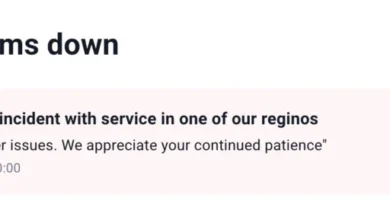
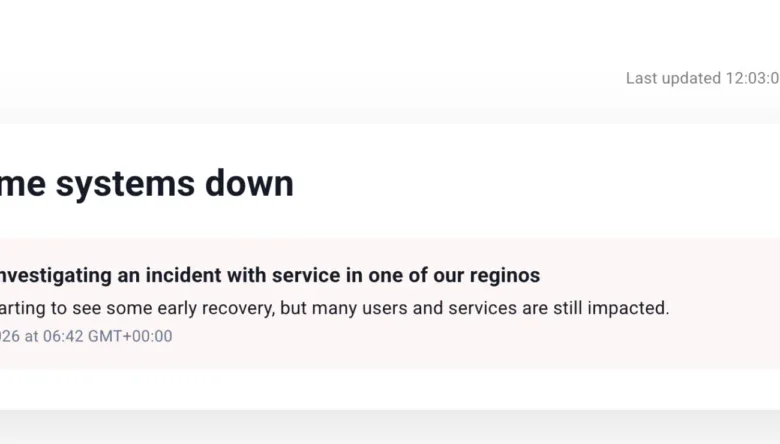
- 6:42 a.m. ET (10:42 a.m. UTC): Bluesky’s official service status page (status.bsky.app) publicly acknowledges the incident. The page updates with a notice stating, "Investigating an incident," and explicitly confirms that "some systems [are] down." This early acknowledgment provided users with official confirmation of the problem and indicated that the platform’s technical teams were actively engaged in resolution efforts.
- Initial Media Outreach and Response: During the initial phase of the outage, Mashable, among other news organizations, confirmed the inaccessibility of the Bluesky site and app and reached out to the company for comment. A Bluesky representative responded via email, stating, "We are experiencing some service interruptions and our team is working on the issue." The company directed further inquiries and real-time updates to its official status page and the "Bluesky Server Status" account, adhering to standard incident communication protocols.
- Early Signs of Stabilization: As the morning progressed, Bluesky’s status page provided a cautious update: "We are starting to see some early recovery, but many users and services are still impacted." This indicated that engineers had likely pinpointed the root cause or were in the process of restoring core functionalities, though full service normalization was still pending.
- Partial Restoration Reported (11:40 a.m. UTC / 7:40 a.m. ET): An update issued by Mashable indicated that Bluesky "appears to be working again, both on the app and web, though we’re still seeing loading issues." This marked a significant turning point, suggesting that primary services were coming back online, even if users might still experience intermittent performance issues or slow loading times.
- Full Operational Status Confirmed (2:28 p.m. UTC / 10:28 a.m. ET): Several hours after the initial reports, Bluesky’s status page updated to confirm that the platform was "operational again." This definitive announcement signaled a successful resolution of the primary issues that had led to the widespread outage. However, the company’s public statements at this point did not elaborate on the specific technical cause of the disruption, a common practice as engineering teams often prioritize restoration and conduct a thorough post-mortem analysis before detailing the intricate technical specifics.
Bluesky’s Position: A Decentralized Alternative
Bluesky has rapidly carved out a significant niche in the social media landscape, distinguishing itself as a leading decentralized alternative to traditional platforms like X. Launched initially through an invite-only system, it opened its doors to the general public in February 2024, triggering a surge in user registrations and solidifying its reputation as a viable option for those seeking a different kind of social experience.
At the core of Bluesky’s appeal is its foundation on the Authenticated Transfer Protocol (AT Protocol). This innovative, open-source framework fundamentally redefines how social media operates. Unlike centralized platforms where a single entity controls all user data and interactions, the AT Protocol enables a "federated" network. This means that instead of one monolithic server, the network can consist of multiple independent servers, or Personal Data Servers (PDSs), which interoperate seamlessly. Users have the unprecedented ability to choose their PDS, migrate their data freely, and interact with content across various servers without being locked into a single provider. This architecture is designed to foster greater user control, enhance data portability, promote censorship resistance, and, critically, improve overall network resilience by avoiding single points of failure.

Given this foundational promise of decentralization and resilience, the April 16 outage holds particular significance. While Bluesky’s primary infrastructure acts as a major PDS and hosts many core services for its users, the very ethos of the AT Protocol suggests a distributed system less susceptible to widespread shutdowns. The incident thus prompts deeper scrutiny into the implementation of these decentralized principles and the operational robustness of the core Bluesky team’s infrastructure, especially as the platform continues to scale and mature. Bluesky has been actively developing new functionalities, including customizable algorithmic feeds and advanced moderation tools, all while striving to maintain a stable and high-performing service for its millions of users.
Broader Context: The Inevitability of Social Media Outages
Outages, while disruptive, are an inherent reality in the complex world of global-scale digital services. Even the most technologically advanced and well-resourced companies, including Meta (Facebook, Instagram, WhatsApp) and X, have experienced significant periods of downtime. For instance, Meta platforms suffered a widely publicized global outage in October 2021, lasting for nearly six hours and resulting in substantial financial and reputational costs. Similarly, X has faced numerous reliability challenges, particularly following significant architectural overhauls and staffing changes in recent years.
These incidents underscore the immense technical complexity involved in operating services that cater to billions of users globally. Managing petabytes of data, processing billions of requests per second, and navigating intricate interdependencies between various software and hardware components means that even seemingly minor bugs or misconfigurations can rapidly escalate into widespread disruptions. For a platform like Bluesky, which is still in a dynamic growth phase and actively iterating on its core protocol, such an outage represents a critical learning opportunity. It serves as a real-world stress test for its engineering capabilities, monitoring systems, and overall infrastructure resilience.
Implications for Bluesky’s Reputation and Future Growth
The April 16 outage, though successfully resolved, carries several notable implications for Bluesky:
- User Trust and Retention: For any social media platform, user trust is paramount. Users migrate to platforms like Bluesky not only for specific features or community experiences but also for reliability and consistent access. A significant outage, especially one that takes several hours to mitigate, can erode confidence. New users, in particular, may become more hesitant to fully invest their time and content in a platform that experiences such disruptions, potentially affecting its long-term growth trajectory.
- Credibility of the AT Protocol: The incident indirectly tests the practical resilience claims of the AT Protocol. While the protocol aims to prevent single points of control and enable decentralization, the core Bluesky platform itself still operates critical shared services (like the main PDS, indexing services, and domain resolution) that, if affected, can impact a large portion of the user base. The outage will likely spur internal reviews to further decentralize these critical services or enhance their redundancy and fault tolerance.
- Competitive Landscape Impact: In a highly competitive social media market, even brief outages can create opportunities for rival platforms. Users unable to access Bluesky may temporarily shift to X, Threads, Mastodon, or other emerging decentralized platforms. While many will likely return once service is restored, the experience of being disconnected can subtly influence long-term platform loyalty and engagement. Bluesky’s competitive advantage relies heavily on its unique technical foundation and user experience; consistent availability is crucial to maintaining this edge.
Technical Challenges and Enhancing Future Resilience
While Bluesky has yet to release a detailed post-mortem report, common causes for such widespread outages typically include:

- Database Failures: Issues such as corruption, overload, or misconfigurations within core databases can severely impact services that depend on them for storing user data, posts, and feed information.
- Server Overload: Unanticipated surges in traffic or inefficiencies in load balancing and auto-scaling mechanisms can overwhelm server infrastructure, leading to cascading failures.
- Network Infrastructure Problems: Glitches within cloud provider networks, DNS resolution issues, or internal routing problems can disrupt communication between different service components.
- Software Deployment Bugs: The introduction of new code, unexpected interactions between system modules, or memory leaks can trigger system crashes or widespread service degradation.
- Security Incidents: While less frequent for outages resolved without evidence of data breaches, a denial-of-service (DoS) attack could hypothetically cause similar service disruption symptoms.
Following the incident, Bluesky’s engineering team will undoubtedly conduct a comprehensive post-mortem analysis. This critical process involves pinpointing the exact root cause, understanding the chain of events leading to the failure, and implementing robust preventative measures. Such measures commonly include:
- Advanced Monitoring and Alerting Systems: Deploying more sophisticated tools to detect anomalies and alert engineers faster, allowing for proactive intervention.
- Increased Redundancy and Distributed Architecture: Enhancing failover mechanisms and distributing services across multiple geographical regions or distinct availability zones to minimize the impact of localized failures.
- Refined Deployment Pipelines: Implementing more rigorous testing protocols, staged rollouts, and canary deployments for new code to reduce the risk of introducing critical bugs into production.
- Proactive Capacity Planning: Regularly evaluating and upgrading infrastructure resources to comfortably accommodate anticipated user growth and peak traffic loads.
- Regular Disaster Recovery Drills: Conducting simulated outage scenarios to test the effectiveness of recovery procedures and ensure the rapid, coordinated response of technical teams.
Official Response and User Sentiment
Bluesky’s handling of the outage, marked by prompt communication via its official status page and direct responses to media inquiries, aligns with industry best practices for incident management. The decision not to immediately disclose the specific technical cause is also typical, as engineering teams prioritize service restoration and stability before conducting a thorough, detailed analysis for public release. It is plausible that a more comprehensive technical post-mortem will be published in the coming days or weeks, offering deeper insights into the incident and the specific steps taken to enhance future resilience.
User sentiment, while initially characterized by frustration and concern, largely transitioned to relief and understanding once service was restored. Many users acknowledged the inherent challenges of operating a complex online platform and expressed appreciation for the quick recovery. However, a noticeable segment of the user base also reiterated the importance of consistent reliability for a platform aspiring to be a serious, long-term alternative to established social media giants.
Conclusion
The April 16, 2026, outage served as a significant real-world stress test for Bluesky and its foundational AT Protocol. While the platform demonstrated its capacity for rapid recovery from a major disruption, it also underscored the continuous challenges involved in scaling a complex, decentralized social network. As Bluesky advances its mission to provide an open, user-controlled alternative to centralized platforms, ensuring unwavering reliability will be paramount to cultivating enduring user trust and sustaining its impressive growth trajectory. The lessons learned from this incident will undoubtedly inform future infrastructure decisions and development priorities, aiming to further fortify the platform’s systems against future disruptions and solidify its position in the dynamic and competitive social media landscape. The effectiveness of these measures will be key to Bluesky’s long-term success and its ability to deliver on the promise of a more stable and user-empowered online social experience.