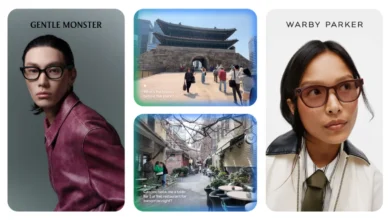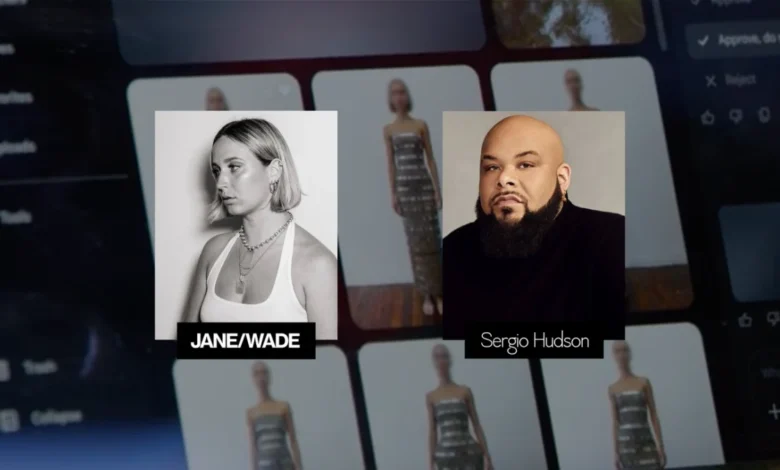
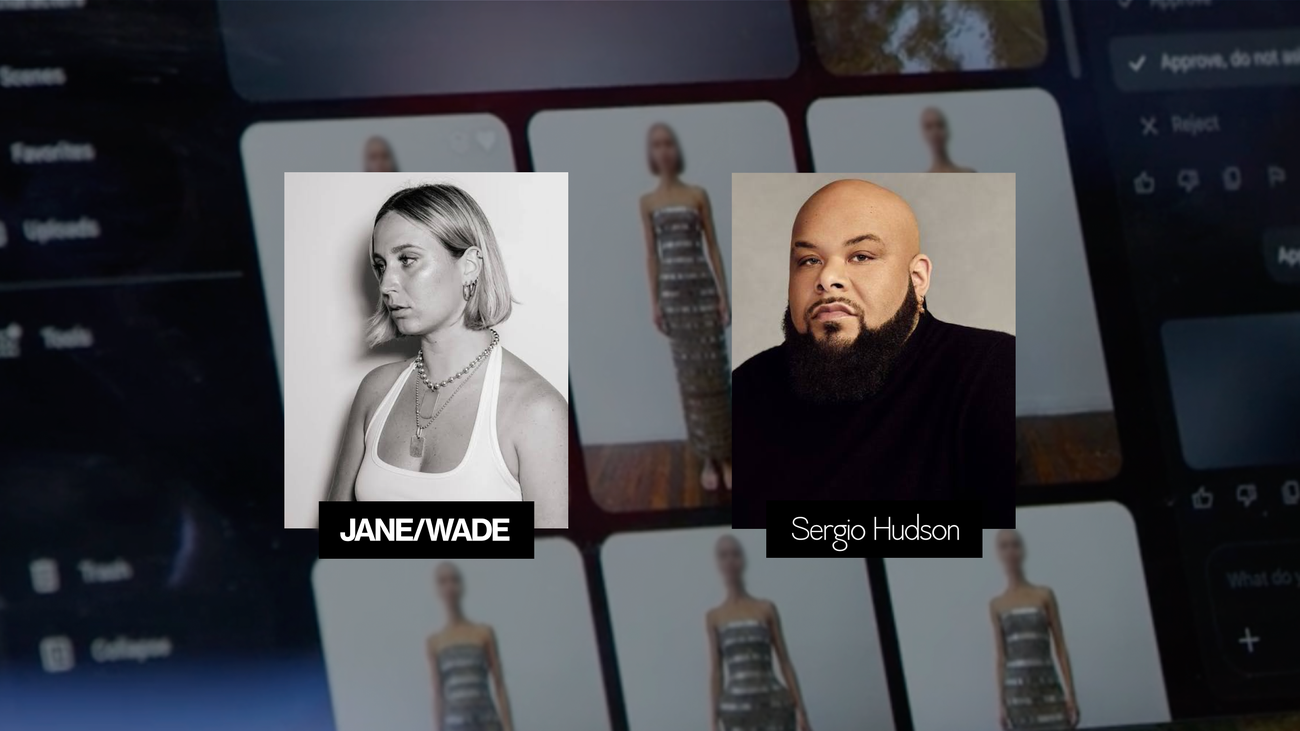
Independent fashion designers have long grappled with an unspoken paradox at the heart of their industry: the vast majority of their working hours are consumed not by the creative act of designing clothes, but by the tedious logistics of running a business. Administrative hurdles, supply chain coordination, factory negotiations, and financial accounting frequently relegate actual garment creation to the periphery. Ahead of the high-stakes environment of New York Fashion Week (NYFW), Google’s Envisioning Studio, backed by Google Labs, sought to alleviate this friction. By partnering directly with independent designers Jane Wade and Sergio Hudson, Google engineers set out to demonstrate how emerging artificial intelligence tools could streamline complex creative workflows, reduce overhead costs, and empower designers to bring their ambitious runway visions to fruition with unprecedented efficiency.
The collaboration centered around Google Flow, an AI-powered creative studio designed to build custom, bespoke tools tailored to unique professional workflows without requiring any coding experience. For Jane Wade and Sergio Hudson, the partnership offered a practical solution to persistent industry bottlenecks. Rather than imposing generalized software solutions, Google engineers worked side-by-side with the designers to diagnose their specific pain points—ranging from pre-production sample budgeting to complex runway choreography and virtual styling—and built customized applications to solve them.
Reimagining the Fitting Room: Virtual Styling and Digital Curation
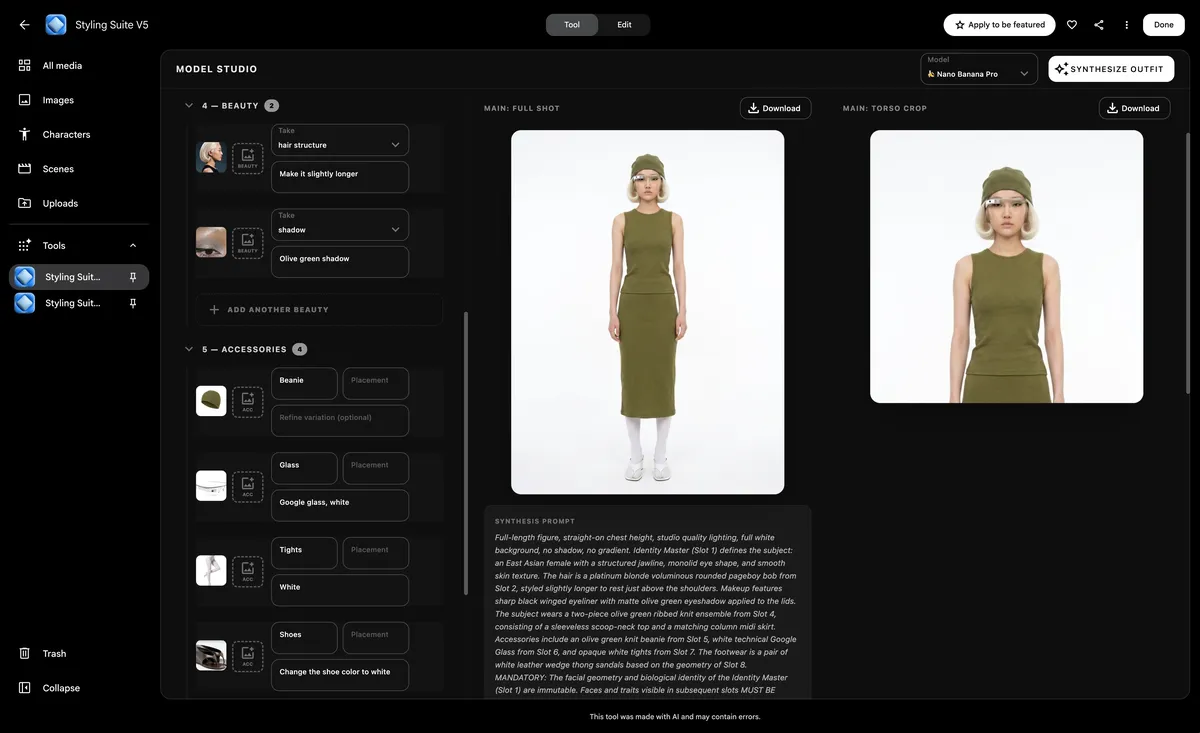
For Jane Wade, the pre-production phase of a runway collection traditionally demands an intensive investment of time, labor, and material resources. In standard fashion houses, in-person model casting and physical garment fittings consume up to three full days of a design team’s schedule. During this window, stylists must manually assemble looks, layer garments, test accessories, and ensure that every element from head to toe coheres into a unified aesthetic narrative.
To address this challenge, the Google Envisioning Studio co-developed the "Styling Suite" within Google Flow. This specialized tool allowed Wade to map every facet of her runway looks digitally before cutting a single yard of fabric or commissioning physical samples. Using the Styling Suite, Wade could curate hair, makeup, accessories, footwear, and garments on digital models, experimenting with combinations in real time.
The implications of this virtual styling approach extend far beyond mere convenience. By balancing each look and identifying missing aesthetic components digitally, Wade reduced the need to produce speculative physical samples that might ultimately be discarded. This capability not only accelerated her pre-production timeline but also offered a sustainable pathway to minimize textile waste—a critical consideration for independent labels operating under strict budget and material constraints.

Grounding Runway Architecture in Real-Time Budgets
While Jane Wade focused on garment curation, Sergio Hudson faced a different logistical hurdle: staging a high-impact runway show within the strict boundaries of a modest studio budget. Historically, producing a runway show involves a costly cycle of trial and error. When a designer requests changes to lighting schemes, spatial configurations, or physical props, production crews typically require entirely new three-dimensional renderings. Each iteration incurs additional financial costs and valuable time, forcing designers to make compromises between their creative vision and their balance sheets.
To eliminate this friction, Hudson and the Google team built "Runway Visualization," a custom tool within Google Flow that simulates the physical runway environment in real time. The software allowed Hudson to manipulate the layout of his venue digitally, instantly swapping lighting fixtures, testing different prop arrangements, and evaluating spatial aesthetics without ordering costly physical mock-ups.
Furthermore, the Runway Visualization tool enabled Hudson to choreograph the exact paths models would walk down the runway. By visualizing audience sightlines and model trajectories in a simulated environment, Hudson could harmonize the physical architecture of the show with the spectator experience. The result was a streamlined production process that maximized visual impact while eliminating the unpredictable expenses traditionally associated with last-minute set modifications.
Moving Fashion AI Out of Pilot Mode
The fruits of these collaborative efforts were prominently displayed on the runways of New York Fashion Week, signaling a broader shift in how creative industries approach artificial intelligence. For years, the integration of AI into fashion has largely remained confined to theoretical testing, pilot programs, or generalized consumer applications that fail to address the granular, day-to-day realities of garment production and show execution.
Industry analysts note that the success of the Google Flow initiative lies in its design philosophy: putting the creator firmly in the driver’s seat. Rather than using AI to automate the creative process entirely, these bespoke tools were engineered to remove administrative and logistical friction while leaving aesthetic decisions strictly in the hands of the human designers. By utilizing natural language prompts to construct these workflows—allowing users to describe the tool they need in plain English—Google Labs has lowered the technological barrier to entry for independent creators who lack dedicated software engineering teams.
Broader Industry Implications and the Future of Work
The intersection of artificial intelligence and fashion design arrives at a pivotal moment for the global apparel industry, which faces mounting economic pressures, tightening consumer budgets, and increasing scrutiny regarding environmental sustainability. Independent designers, who operate with razor-thin margins compared to multinational luxury conglomerates, stand to benefit the most from workflow automation and resource optimization.
By demonstrating that complex 3D rendering and virtual styling suites can be built spontaneously via natural language platforms like Google Flow, the collaboration between Google and designers like Wade and Hudson points toward a more accessible future for creative industries. As these tools transition from experimental pilots into standard industry practices, they threaten to redefine the relationship between technology and craft.
For aspiring designers and independent labels looking to replicate these results, Google has made the underlying technology accessible through its official developer platforms. Creators can build their own bespoke workflow tools within Google Flow by simply describing their desired operational outcomes using natural language processing—opening up new possibilities for efficiency, creativity, and financial sustainability across the global fashion landscape.