Gen Z and the Analog Revival: Why the Digital Generation is Reclaiming Vinyl and Redefining Physical Value

The resurgence of vinyl records, once dismissed as a niche interest for nostalgic collectors and audiophiles, has transformed into a dominant cultural and economic force driven by a demographic that has never known life without the internet. Recent market data and behavioral studies suggest that Gen Z—the first generation to grow up with the infinite convenience of Spotify, YouTube, and TikTok—is leading a profound shift back toward physical media. This movement is not merely a fleeting trend or a play at retro-cool aesthetics; it represents a fundamental reevaluation of what it means to own, experience, and cherish creative work in an increasingly ephemeral digital landscape.
The Current State of the Vinyl Market
According to data released by the Vinyl Alliance, the commitment Gen Z shows toward physical records is both striking and consistent. Their research indicates that 76% of Gen Z vinyl enthusiasts purchase at least one record per month. This high frequency of purchase is remarkable considering the average cost of a new vinyl LP, which typically ranges from $30 to $50. In an era where a monthly subscription to a streaming service costs less than a single record and provides access to nearly every song ever recorded, this financial commitment signals a deliberate choice to prioritize quality of experience over the convenience of access.
The broader economic indicators confirm this upward trajectory. In the United Kingdom, vinyl LP sales reached 6.7 million units in 2023, marking the highest level of sales the country has seen in over three decades. This growth is not being fueled by middle-aged consumers revisiting their youth, but rather by 16 to 24-year-olds who are discovering the format for the first time. In the United States, the story is similar: vinyl revenues have grown for 17 consecutive years. What was once considered a "dead" format now generates over $1 billion in annual revenue, proving that the analog economy is not just surviving but thriving alongside its digital counterparts.
A Chronology of the Analog Resurgence
To understand the magnitude of this shift, it is necessary to view the history of recorded music over the last half-century. The trajectory of vinyl has moved from ubiquity to obsolescence and back to premium status.
- The Dominance and Decline (1970s–1980s): Vinyl was the primary medium for music consumption until the introduction of the Compact Disc (CD) in the early 1980s. By the late 1980s and early 1990s, vinyl had been largely relegated to the fringes, used primarily by DJs and niche collectors.
- The Digital Disruption (1990s–2000s): The rise of MP3s and file-sharing platforms like Napster, followed by the launch of the iTunes Store, nearly decimated the market for physical music. During this period, the industry focused entirely on "frictionless" consumption and portability.
- The Turning Point (2007–2008): Record Store Day was established in 2007 to celebrate the culture of the independent record store. This coincided with the first signs of a vinyl "revival" as a younger generation began to tire of the low-quality audio and lack of physicality associated with early digital music.
- The Growth Phase (2010s): Major labels began pressing vinyl again in significant quantities. Artists like Taylor Swift and Adele started releasing multiple color variants of their albums, turning records into "must-have" collectibles.
- The Gen Z Explosion (2020–Present): The COVID-19 pandemic accelerated the trend as consumers sought tactile hobbies while stuck at home. Since 2020, vinyl has officially overtaken the CD in terms of unit sales in the US for the first time since 1987.
The Psychology of Ownership and "Intentionality"
The shift toward vinyl is deeply rooted in the concept of "intentionality." Digital streaming, while efficient, often treats music as background noise—a utility that is constantly available but rarely focused upon. Music therapists and psychologists noted in the Vinyl Alliance report that the act of playing a record requires a series of deliberate physical actions: selecting the album, removing it from the sleeve, placing it on the turntable, and carefully lowering the needle.
This process forces the listener to commit to a "side" of an album, typically about 20 minutes of music, without the ability to easily skip tracks or shuffle the playlist. For a generation that reports high levels of digital fatigue and "scroll paralysis," this forced focus provides a much-needed mental break. Nearly half of Gen Z respondents in recent surveys stated that vinyl gives them a necessary reprieve from their digital lives.
Furthermore, the concept of ownership has changed. In the streaming economy, users do not own the music they listen to; they essentially "rent" access to a library that can be changed or revoked at any time by the service provider. For Gen Z, 76% of whom purchase records specifically to own a physical copy, vinyl represents a permanent stake in the culture they love. They view these records as items they will "cherish forever," a sentiment rarely applied to a digital file.
Aesthetic Value and the Creative Canvas
For creative professionals—graphic designers, photographers, and art directors—the vinyl revival has restored the importance of the "album as an object." A 12-inch vinyl sleeve provides a canvas that is roughly 144 square inches, compared to the tiny thumbnail image seen on a smartphone screen.
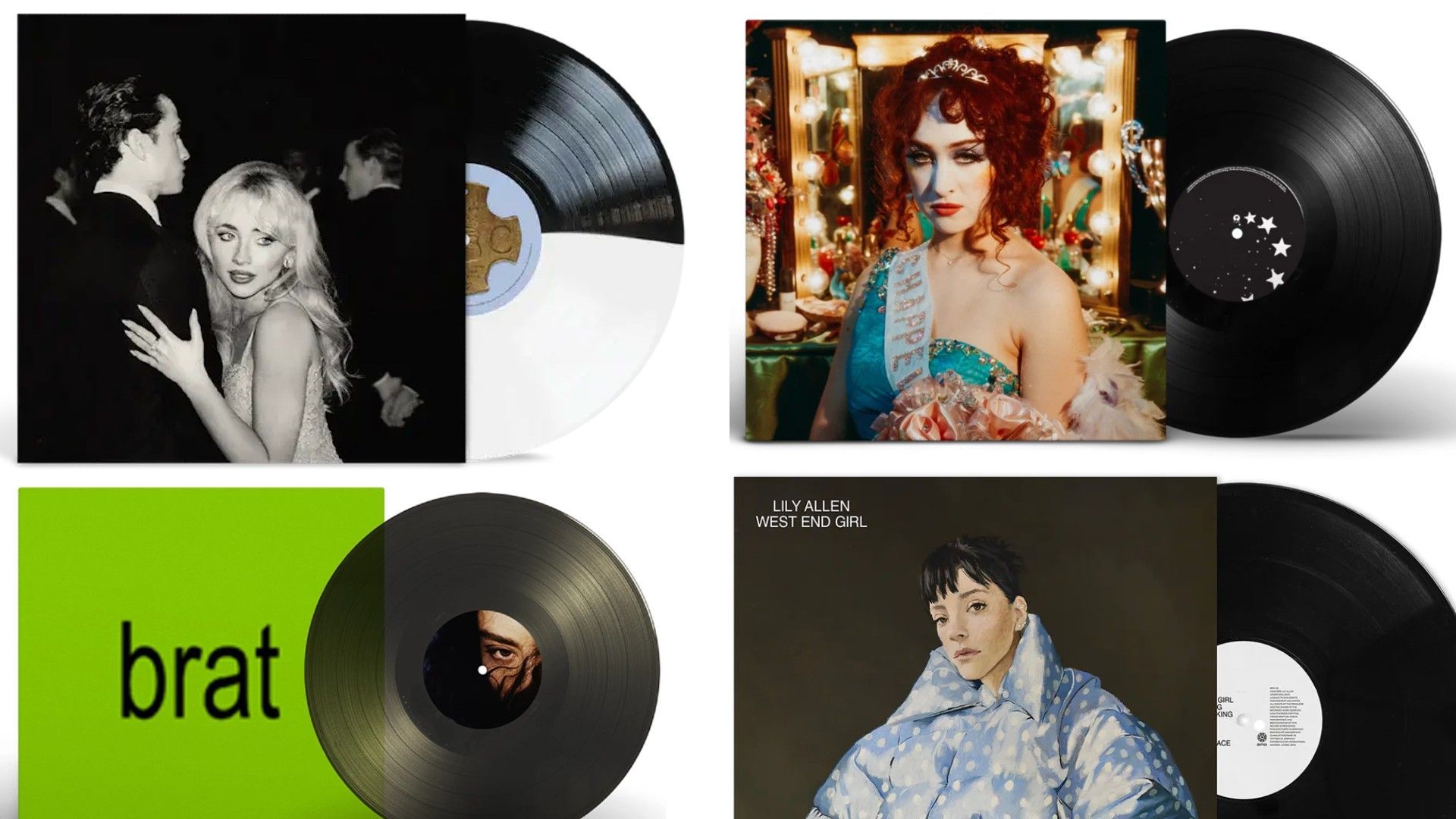
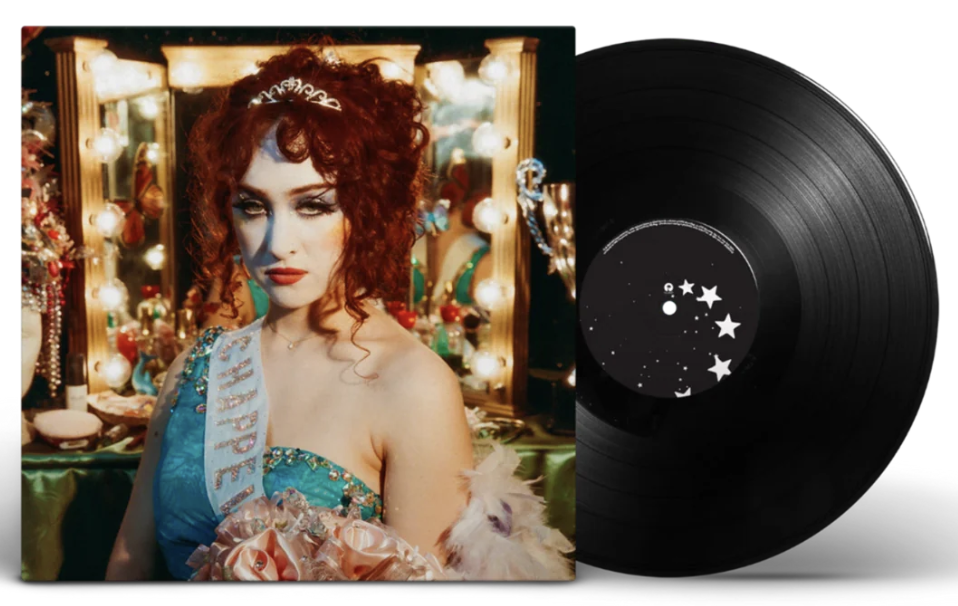
Data shows that 56% of Gen Z buyers cite aesthetic value as a central reason for their purchase. They are not just buying the music; they are buying the art. This has led to a renaissance in physical packaging design. Modern releases, such as Chappell Roan’s The Rise and Fall of a Midwest Princess or Lily Allen’s special editions, utilize high-quality paper stocks, gatefold jackets, lyric booklets, and translucent or marbled "colored" vinyl to create a premium product.
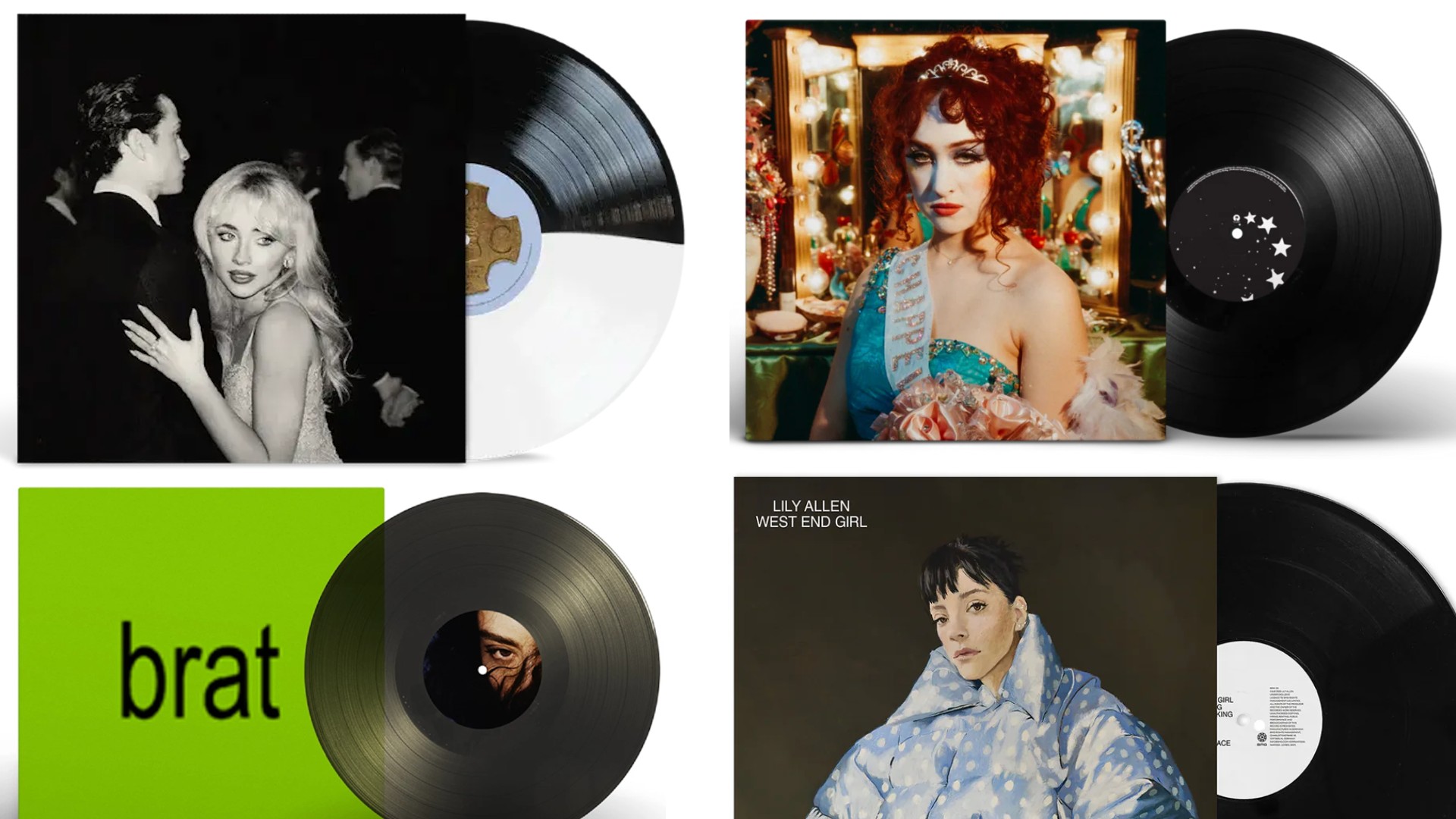
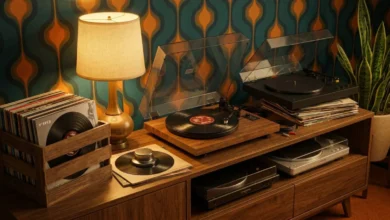
This visual and tactile appeal makes vinyl a centerpiece of home decor. For many young fans, the record is a trophy—a physical manifestation of their identity and taste that can be displayed on a shelf or a wall. This "social" aspect of vinyl, where a physical collection can be browsed by friends in a room, contrasts sharply with the private, isolated nature of listening to music on headphones via a digital app.
The Impact on Independent Retail and Local Communities
The revival has also breathed new life into independent record stores, which serve as community hubs. The Vinyl Alliance found that 84% of young fans prefer buying their records in-store rather than online. This preference highlights a desire for discovery and human interaction that algorithms cannot replicate.
In-store shopping is described by many Gen Z fans as "participating" rather than just "shopping." The experience of "crate-digging"—flipping through rows of records to find a hidden gem—is a form of modern treasure hunting. For independent retailers, this influx of young customers has stabilized their business models and allowed them to expand, even as other brick-and-mortar retail sectors struggle against the dominance of e-commerce.
Broader Implications for the Creative Economy
The lessons learned from the vinyl resurgence are beginning to ripple across other sectors of the creative economy. We are seeing similar "analog revivals" in the world of print books, where physical sales continue to outpace e-books among younger readers, and in the sudden popularity of film photography and "dumb phones."
The overarching takeaway for brands and creators is that convenience is no longer the only metric for success. For two decades, the goal of technology was to remove "friction"—to make everything instant, weightless, and invisible. However, the data suggests that Gen Z is looking for meaningful friction. They want things that have weight, texture, and a sense of permanence.
As we look toward 2026 and beyond, the most successful creative endeavors will likely be those that find ways to bridge the gap between digital accessibility and physical value. The smart question for a creator is no longer "How do I make this easier to consume?" but rather "How do I make this worth keeping?"
Conclusion: A Future Built on Substance
The vinyl revival is a clear signal that the "disposable" era of digital content may be reaching its limit. While streaming will remain the primary way the world consumes music due to its sheer utility, vinyl has reclaimed its place as the primary way the world values music.
By choosing to spend their money on physical records, Gen Z is making an emphatic statement about the importance of the tangible. They are rejecting the idea that culture should be weightless and fleeting. Instead, they are investing in objects that occupy space in their homes and their lives, ensuring that the artists they love are supported and that the music they cherish remains a permanent part of their personal history. The analog revival is not a step backward; it is a sophisticated recalibration of what it means to live a meaningful life in a digital age.