Website Marketing in 2026: Why the Customer Journey Now Happens Beyond Your Domain


The paradigm of digital marketing has shifted profoundly, dismantling the long-standing assumption that a company’s website is the alpha and omega of its customer acquisition funnel. Traditionally, website marketing operated on a linear model: businesses deployed promotional tactics to drive raw traffic directly to their landing pages, where persuasive copywriting and intuitive design were expected to seal the deal. Today, that approach is largely obsolete.
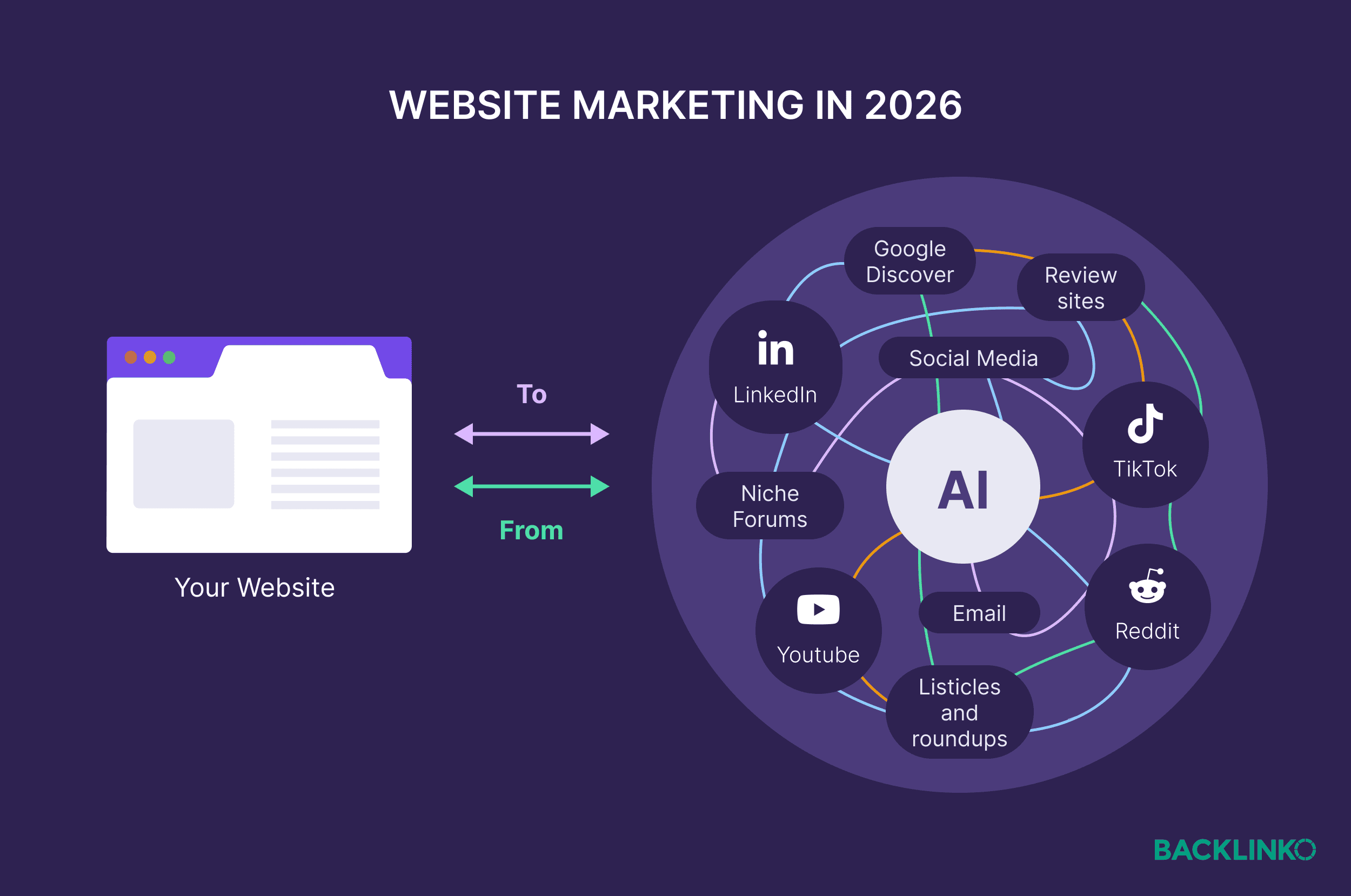
Modern consumer behavior studies indicate that a vast majority of buyers now conduct extensive pre-purchase research across decentralized platforms—ranging from generative artificial intelligence search tools and peer-to-peer discussion forums like Reddit to specialized social media channels—long before they ever navigate to a brand’s primary domain. Consequently, a company’s web presence is no longer the starting point of the buyer’s journey; rather, it serves as the final validation checkpoint for a narrative that has already been constructed elsewhere.
This structural evolution has forced digital marketing strategists to rethink how visibility, credibility, and conversions are engineered in an increasingly fragmented digital ecosystem.

The Rise of AI-Driven Discovery and Reputation Engineering
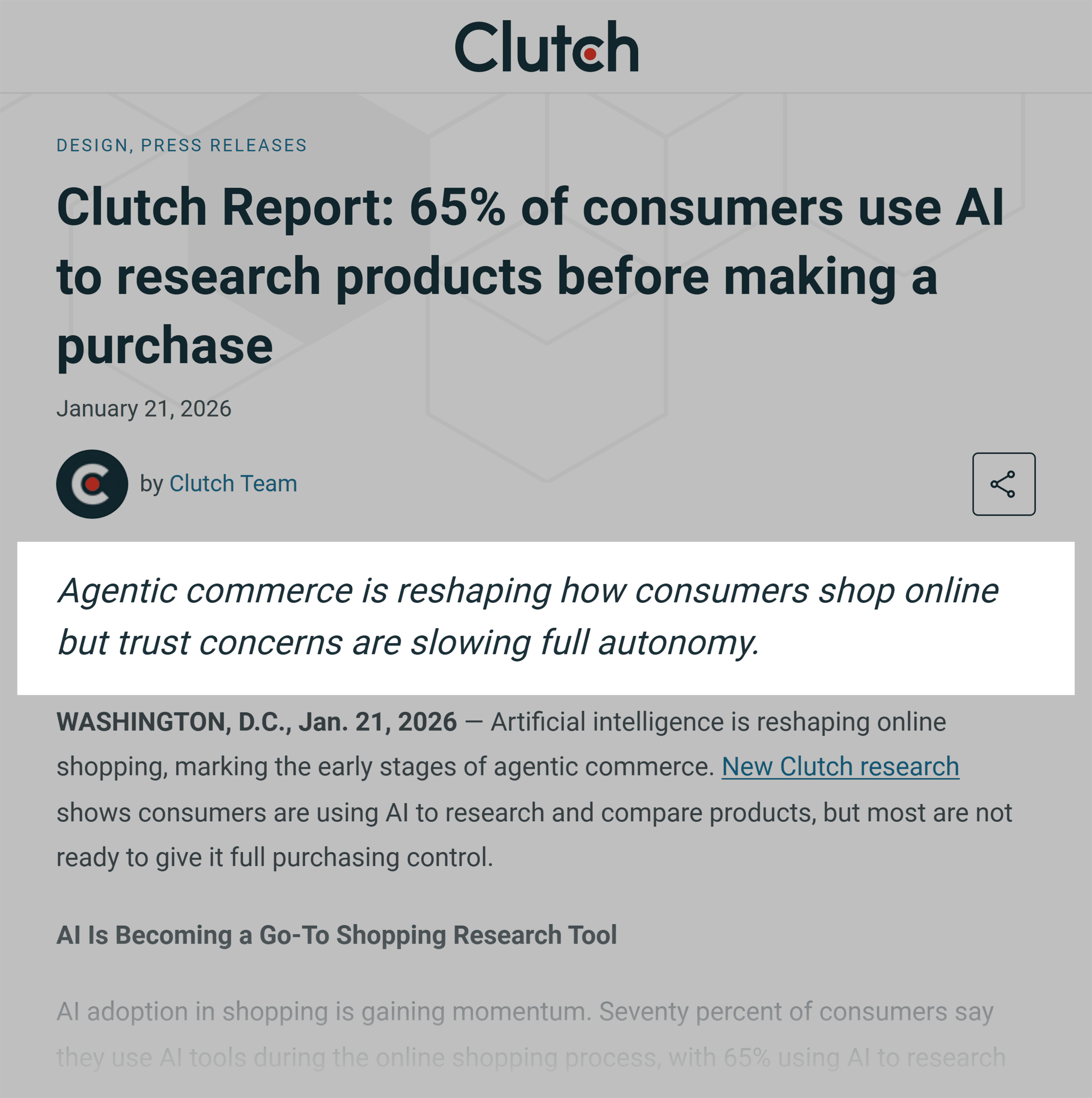
Recent industry data underscores the urgency of this transformation. According to comprehensive market research published by Clutch, over 65% of modern consumers utilize generative AI tools to research products, services, and brands prior to making a purchasing decision. By the time an individual clicks through to a corporate website, they have frequently synthesized an AI-generated consensus regarding the brand’s positioning, reliability, and market standing.
This behavioral shift means that digital marketers can no longer afford to leave their digital reputation to chance. Controlling how the internet—and by extension, large language models (LLMs)—describes a brand requires deliberate reputation engineering. This process begins with the establishment of a rigorous brand messaging strategy.
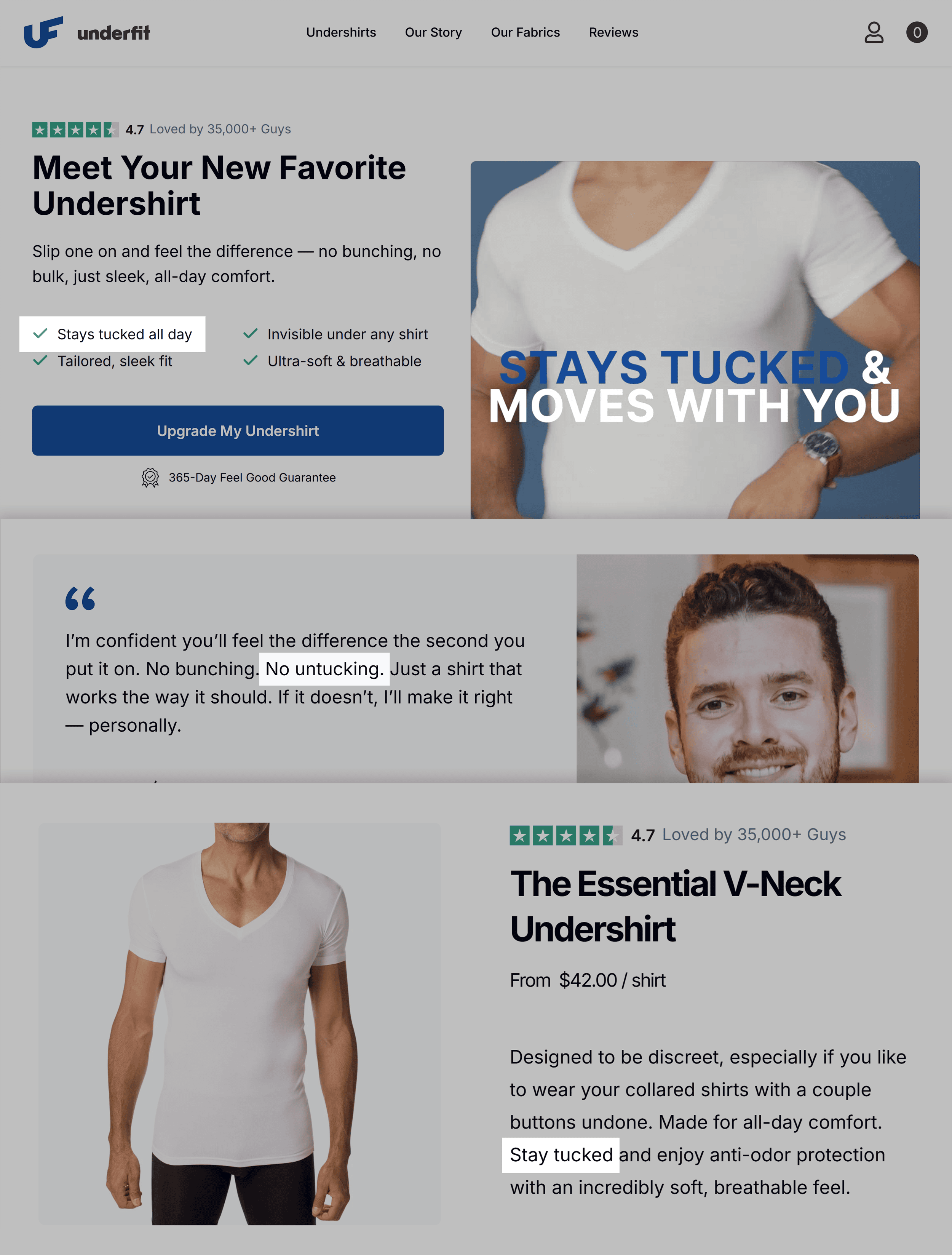
A well-documented brand messaging framework acts as a single source of truth for an entire organization, dictating the precise vocabulary, core values, category positioning, and problem-solving claims associated with a company. When this messaging is deployed consistently across internal departments—from marketing and sales to executive leadership and external partners—it establishes a linguistic footprint. Over time, this consistent repetition not only reinforces the brand category in human memory but also trains large language models to accurately associate the brand with specific high-value benefits.
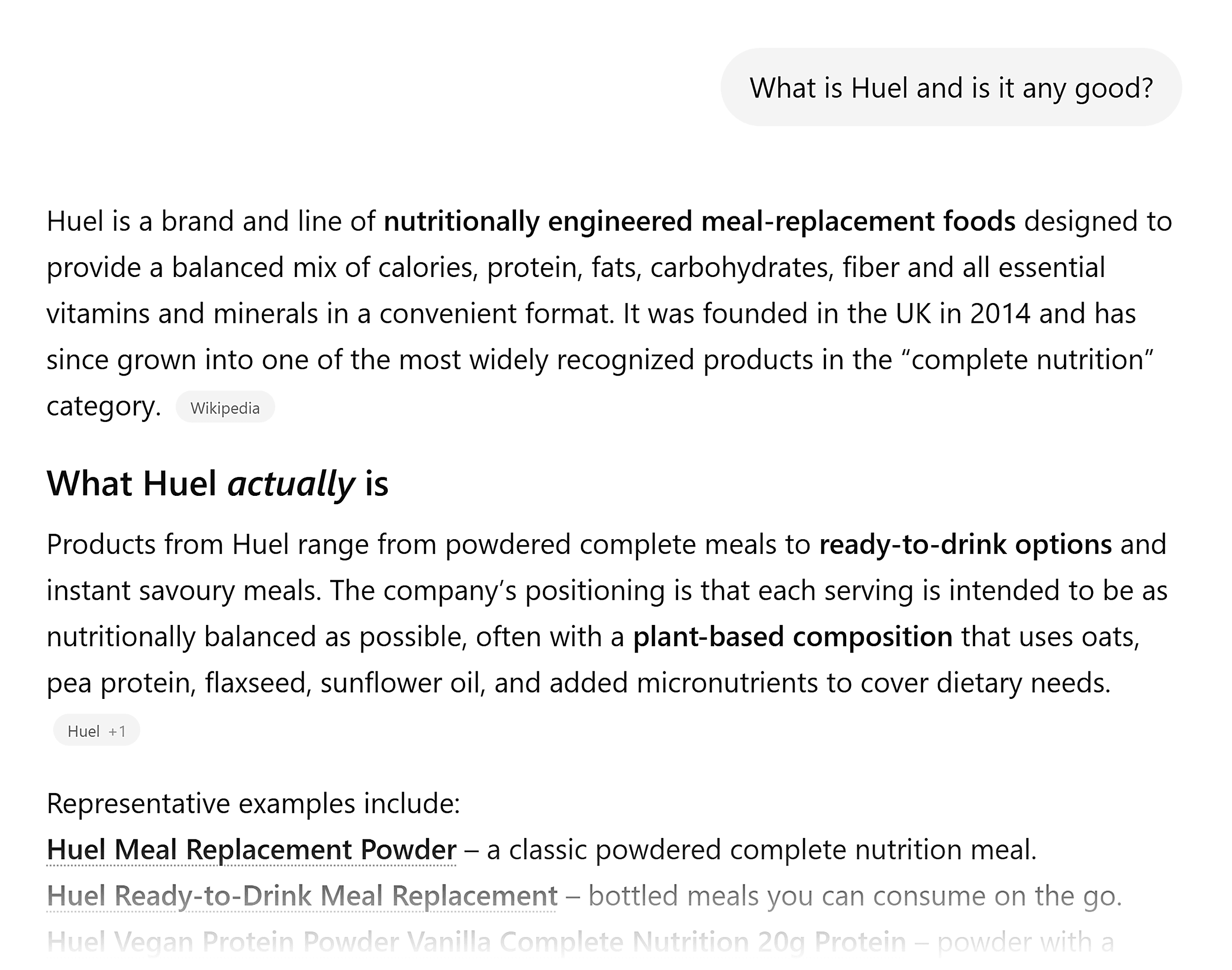
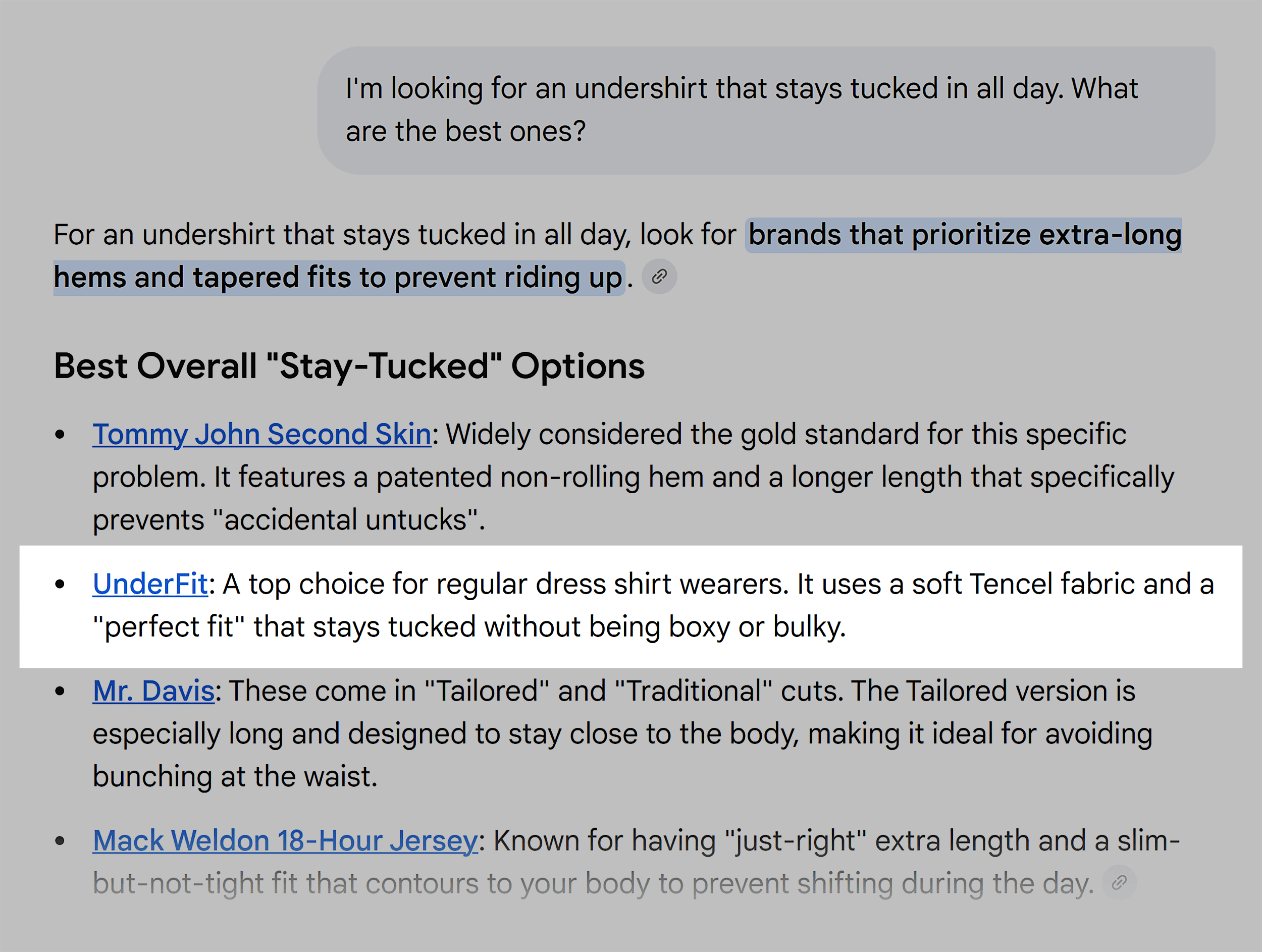
For instance, consumer goods brands that repeatedly emphasize specific product attributes—such as apparel companies highlighting shirts designed to remain tucked throughout the workday—frequently surface as primary recommendations in generative AI search engines. Because the phraseology is ubiquitous across review sites, forums, and corporate pages, LLMs easily parse and index the correlation, driving high-intent traffic straight to the source.
Structural Architecture: Designing for Both Humans and Algorithms
While cultivating an authoritative footprint across the wider web is critical, it must be paired with an equally disciplined on-page strategy. Modern website architecture must be meticulously organized to satisfy both human users seeking rapid answers and algorithmic parsers attempting to interpret content hierarchy.

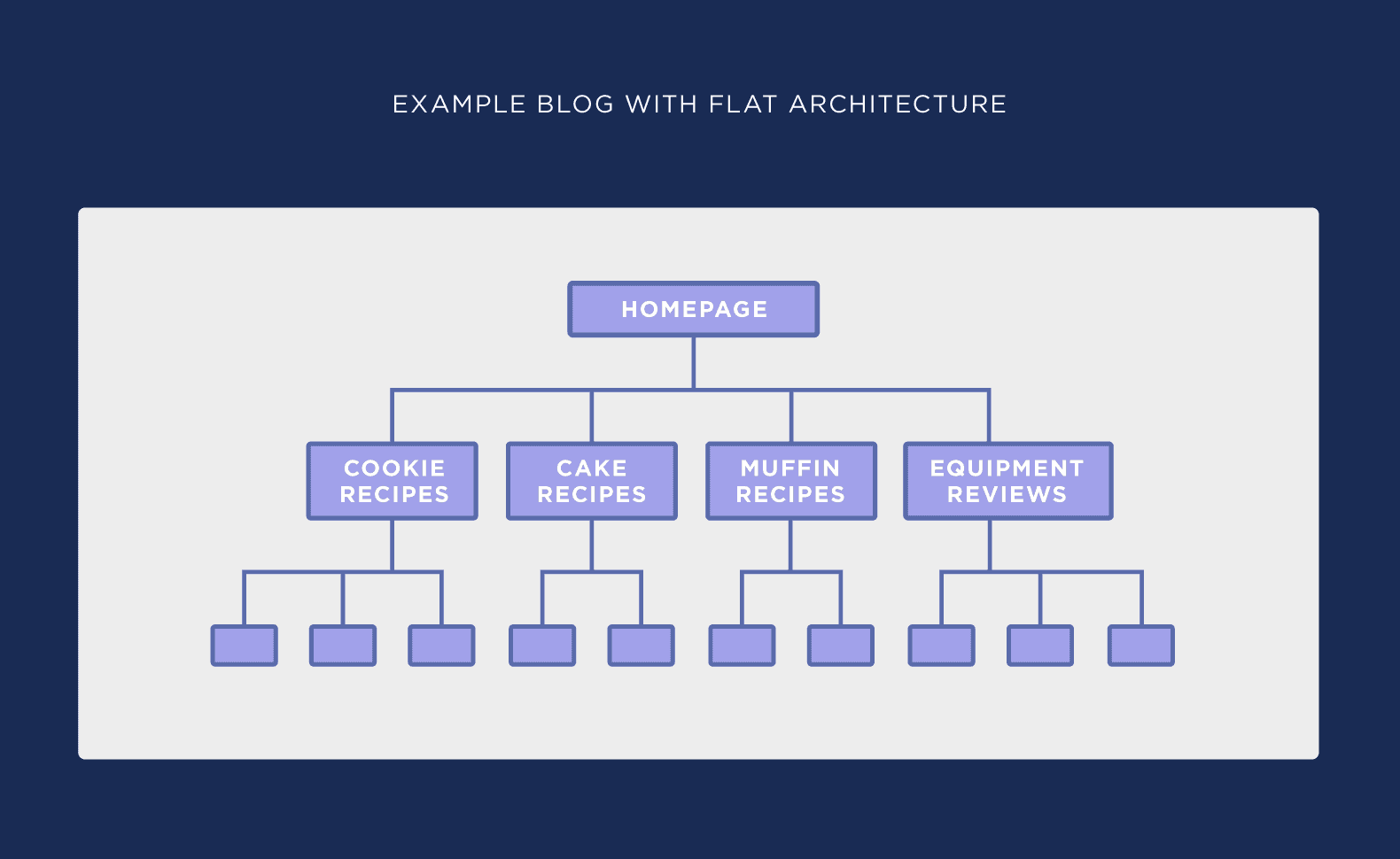
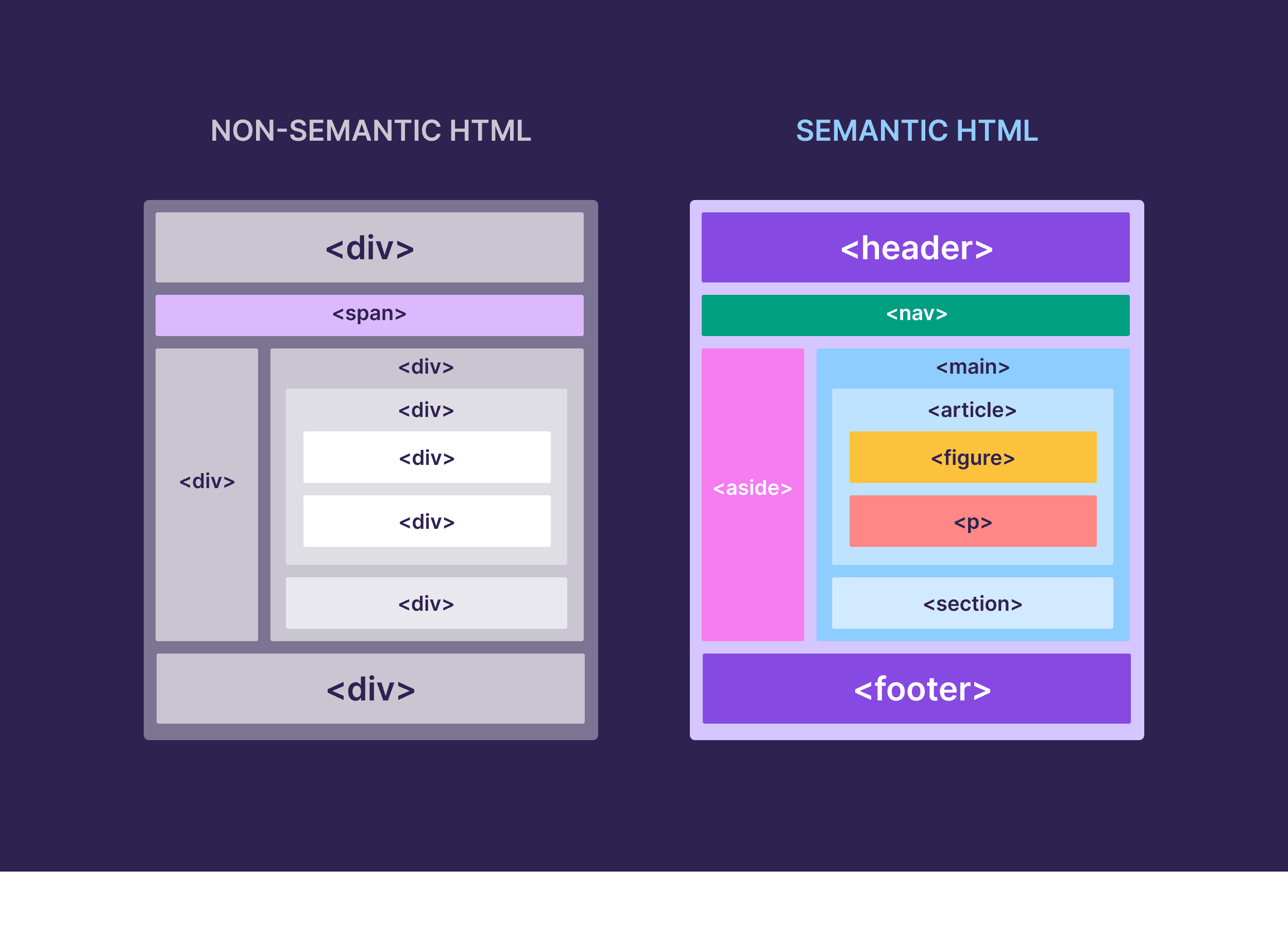
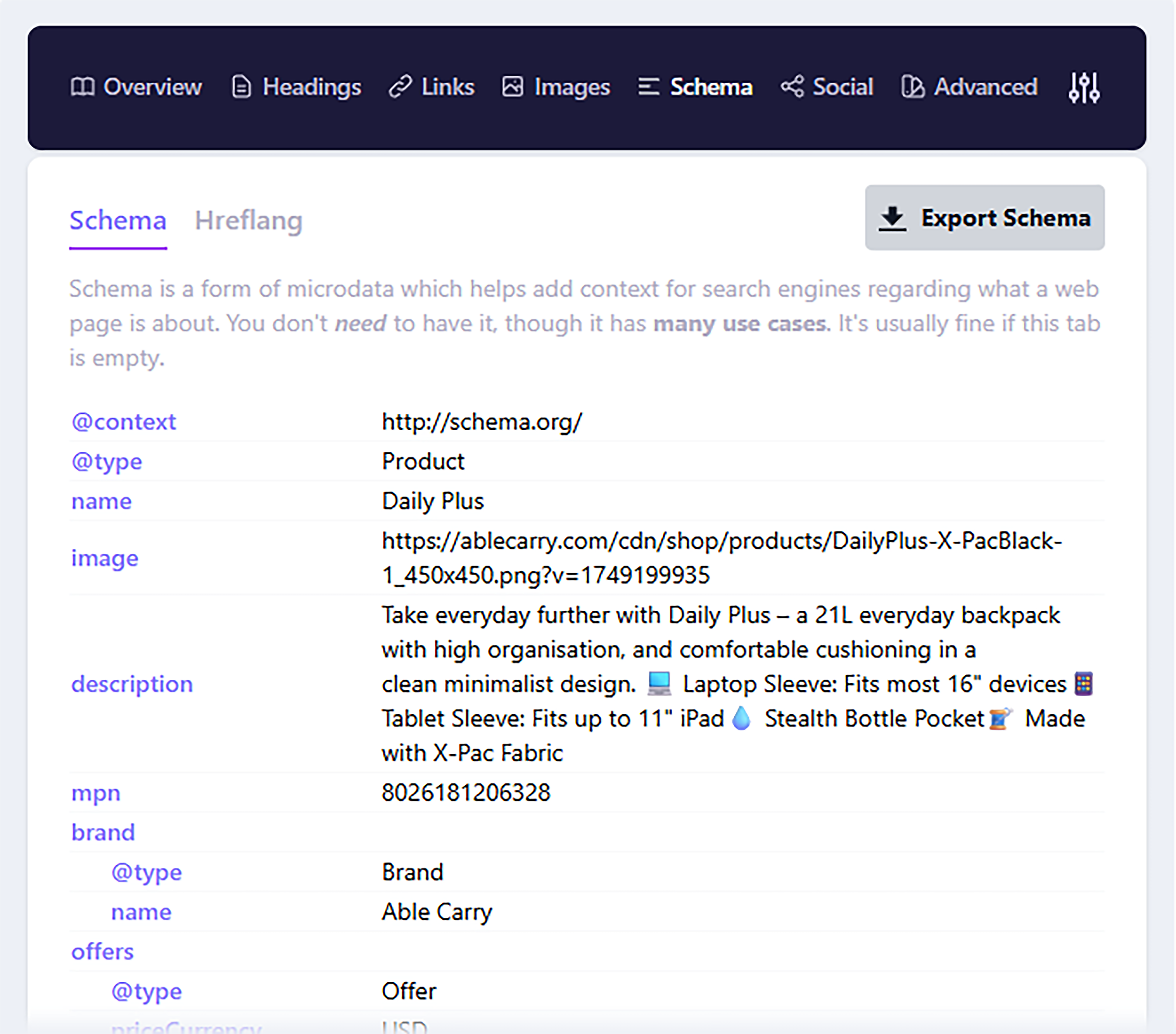
A flat, logical site architecture paired with semantic HTML elements ensures that search engine crawlers and AI systems can efficiently crawl, read, and contextualize a webpage. Utilizing proper heading tags (H1, H2, H3), structured data markup, and clear categorical categorization allows systems to understand the exact intent and subject matter of a given page.
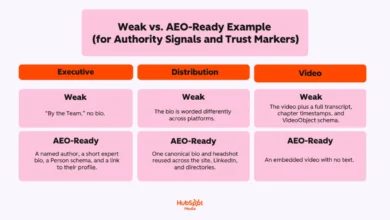
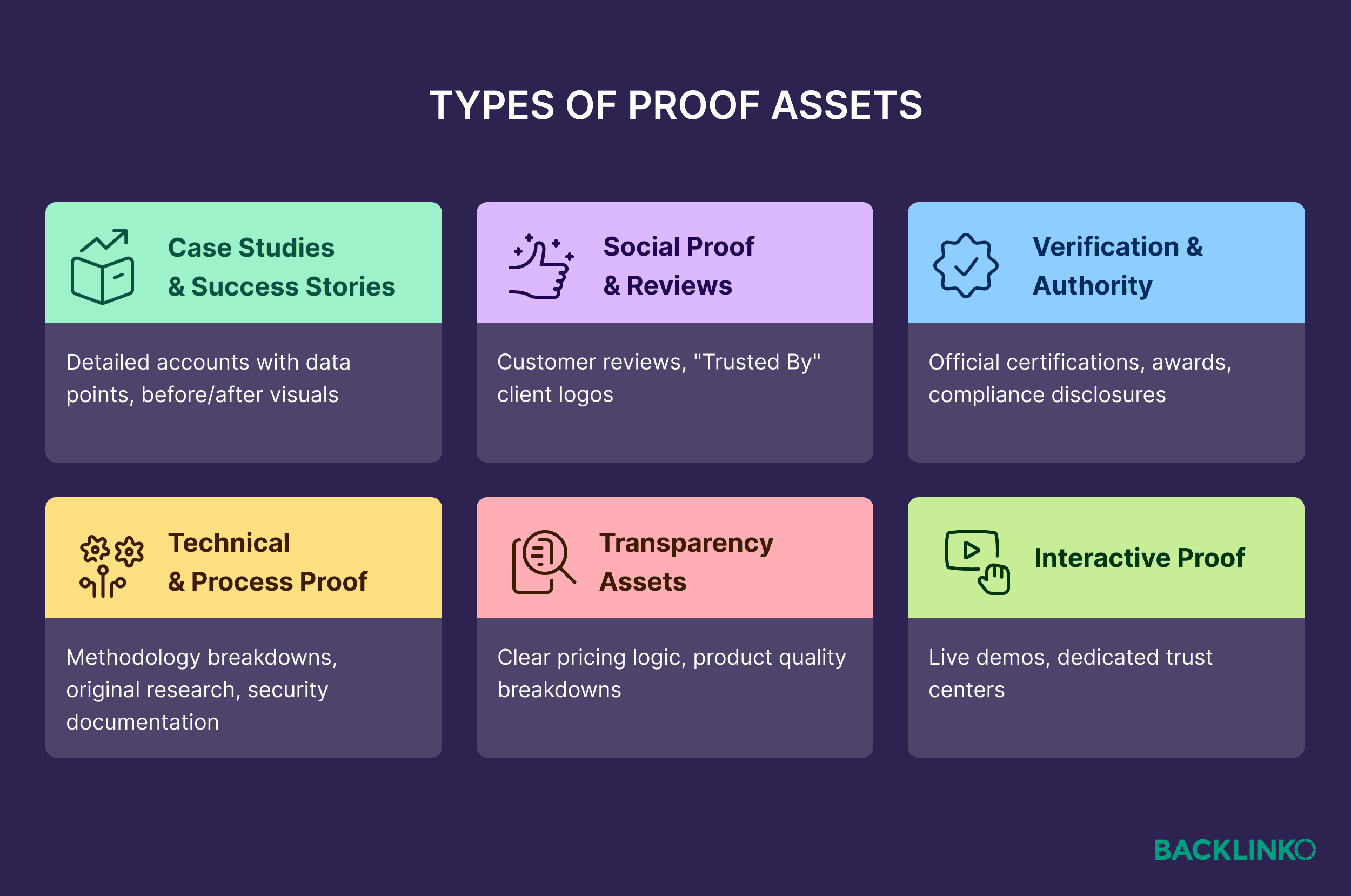
Furthermore, digital strategists must publish and prominently feature robust "proof assets"—such as empirical case studies, verifiable uptime data, security certifications, customer testimonials, and transparent return policies. Because skepticism remains high, particularly in complex sectors like financial services and enterprise software, these evidence-based assets act as crucial trust signals that alleviate buyer anxiety during the final conversion phase.
The Multimedia Multiplier: Video, Trust, and Long-Form Engagement
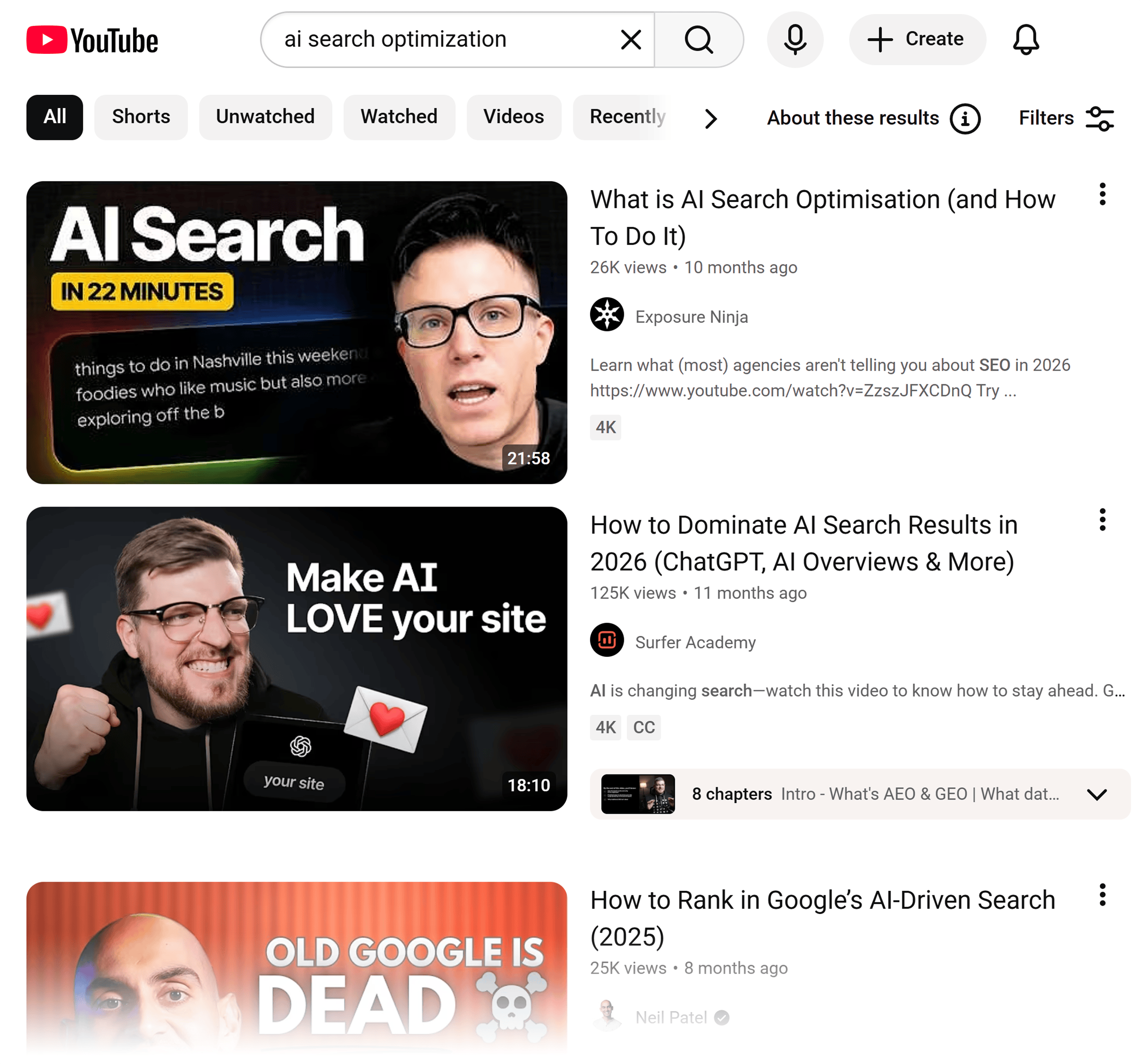
As text-based content saturates the digital landscape, video has emerged as a vital medium for establishing genuine human connection and brand familiarity. Long-form video platforms, webinars, and structured educational training allow prospective buyers to bridge the psychological gap between anonymity and trust.
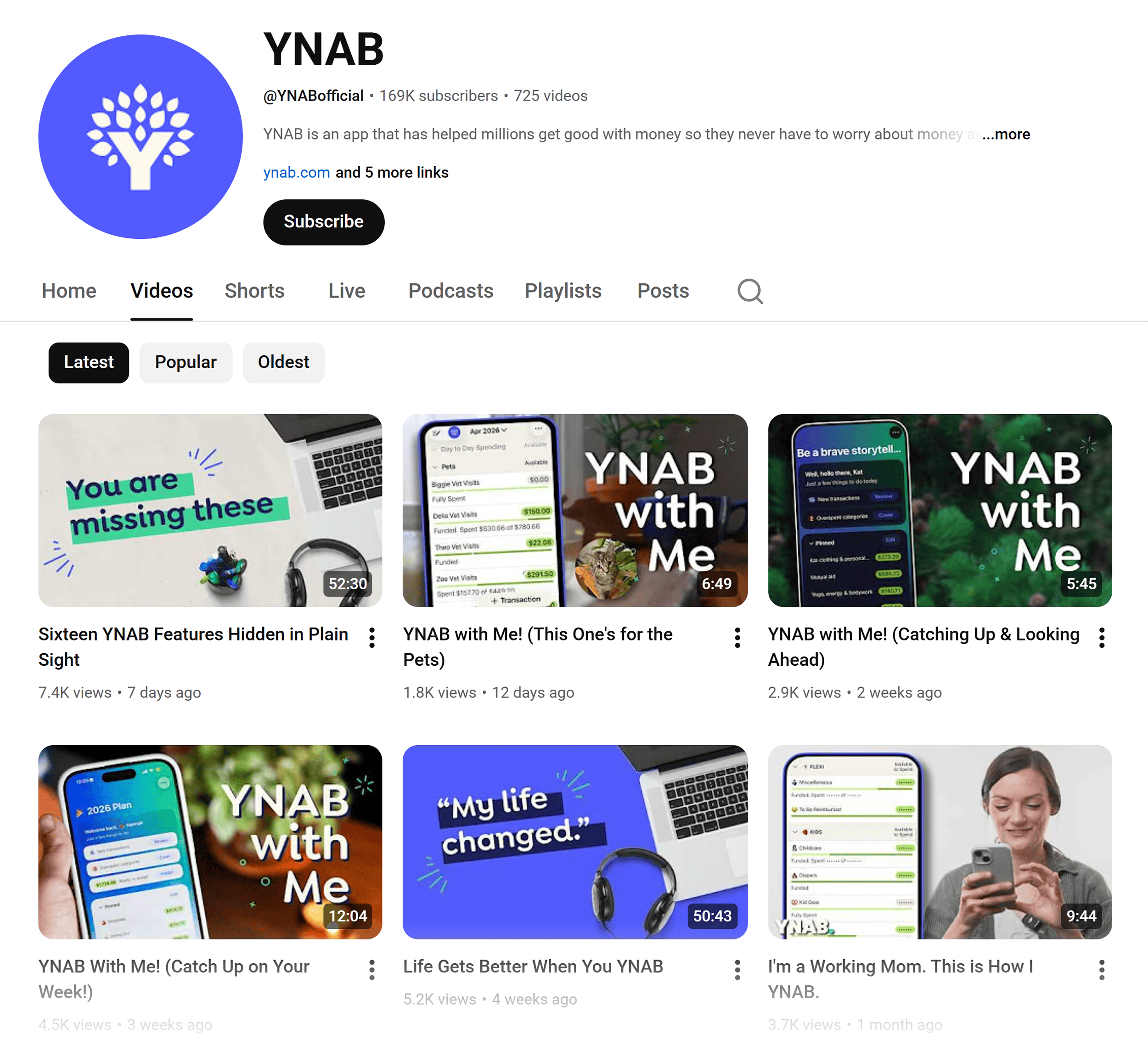
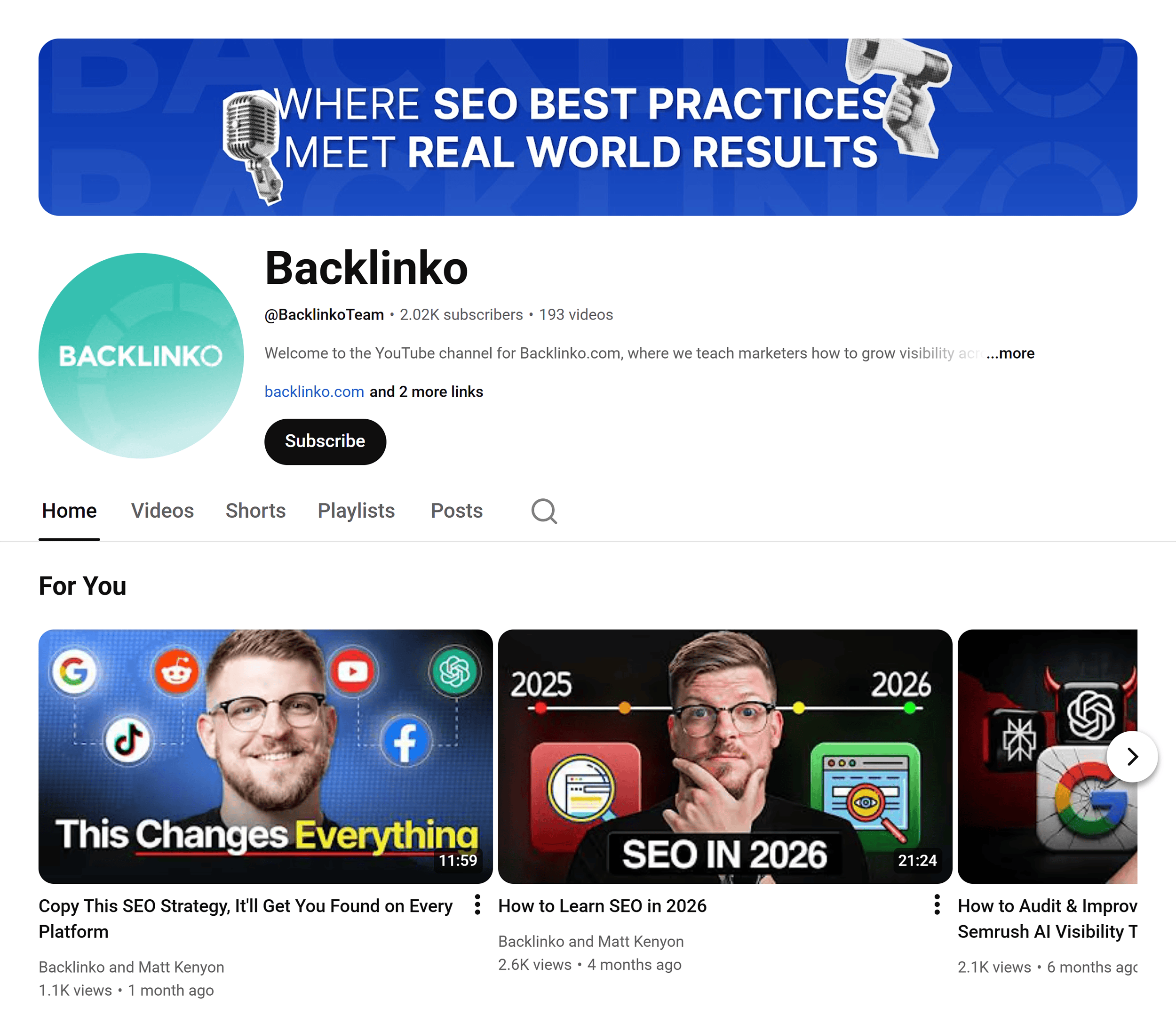
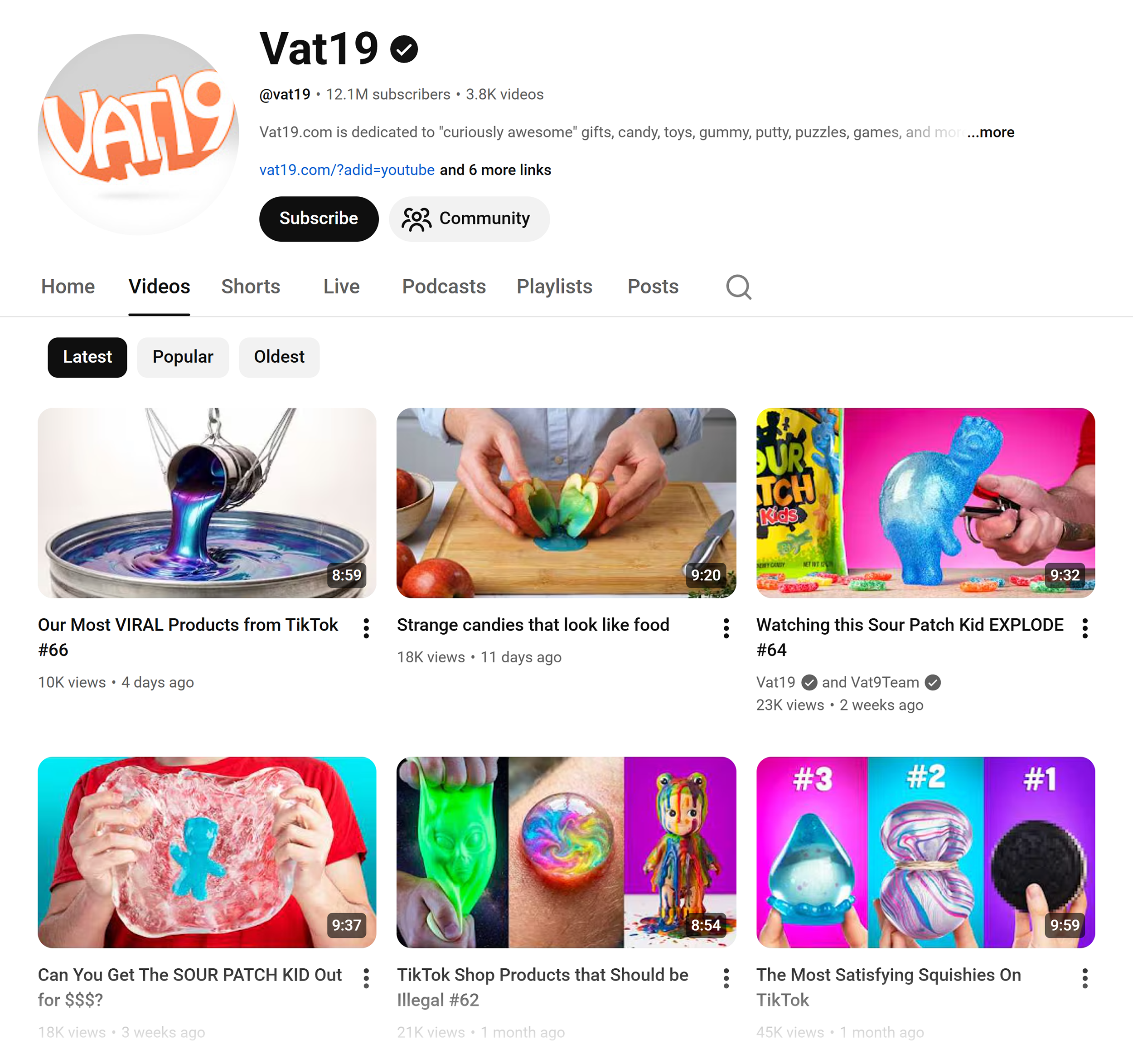
Brands utilizing YouTube strategically often segment their video output to match specific organizational goals. Enterprise software companies frequently deploy long-form tutorials and evaluation guides to help prospects navigate complex purchasing decisions, while direct-to-consumer ecommerce brands leverage visually dynamic demonstrations to showcase product utility. Crucially, these video assets are rarely kept in silos; high-performing channels consistently bridge off-platform viewers back to specific, highly relevant web pages via optimized descriptions and in-video calls to action.

Simultaneously, short-form video formats—including TikTok, Instagram Reels, and YouTube Shorts—build frequency and brand recall through consistent, bite-sized value delivery. By answering recurring customer questions gathered from sales calls, support tickets, and search queries, brands can maintain persistent visibility in fast-moving social feeds.

Capitalizing on Discovery Feeds and Zero-Click Ecosystems
The proliferation of personalized content feeds, such as Google Discover, has introduced new avenues for capturing high-volume, interest-based traffic. Unlike traditional search traffic, which relies on explicit queries, Discover surfaces content based on a user’s demonstrated browsing behavior and topical interests.
Securing visibility in Discover requires a specialized editorial approach. Content destined for these feeds must be exceptionally timely, framed around clear stakes, tension, or emerging industry developments. Packaging is paramount: because users scroll through Discover in rapid, highly competitive environments alongside global news, sports, and entertainment, articles must be anchored by high-resolution visual assets and compelling headlines that instantly communicate why a topic matters at that exact moment.
Concurrently, the expansion of "zero-click" search experiences—where users receive direct answers via search snippets or AI summaries without visiting a website—has elevated the importance of conversion rate optimization (CRO). Because visitors arriving from external touchpoints are already pre-educated and further down the funnel, websites must aggressively eliminate friction and anxiety. Streamlining navigation, accelerating page load speeds, and placing clear, unambiguous calls to action on high-intent pages (such as product, pricing, and demo pages) ensures that qualified traffic immediately translates into measurable business outcomes.
Humanizing the Brand and Engaging Niche Communities
In an era defined by automated content generation, human-centric marketing commands a substantial premium. Forward-thinking organizations are increasingly placing recognizable faces, voices, and personalities at the forefront of their operations. Thought leadership initiatives—ranging from opinionated industry reports and original research to active executive participation on professional networks—humanize corporate entities and significantly reduce perceived risk for prospective buyers.

Moreover, effective website marketing now requires active participation in third-party niche communities where target audiences congregate. Rather than deploying overt, disruptive promotional tactics, successful brands position themselves as helpful contributors within subreddits, specialized Discord servers, industry Slack channels, and local forums. By observing community dynamics, answering complex questions transparently, and supporting users without immediate commercial self-interest, brands build foundational credibility that ultimately flows back to their primary web properties.
Ultimately, digital marketing in 2026 demands a holistic perspective. By recognizing that the customer journey begins long before a user lands on a corporate domain—and by integrating AI discovery, multi-platform video, rigorous proof assets, and human-led thought leadership into a unified framework—organizations can build resilient marketing ecosystems designed for sustained, high-intent conversion.