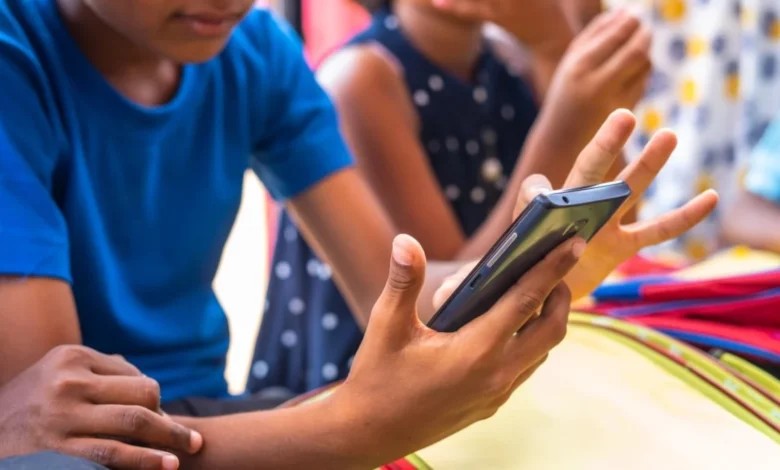
A global legislative wave is sweeping across continents, with an increasing number of nations moving to restrict or outright ban social media access for children. What began as a nascent concern has rapidly escalated into a widespread policy trend, driven by escalating worries over youth mental health, online exploitation, and the pervasive influence of digital platforms. As governments grapple with the complexities of the digital age, Australia’s pioneering efforts have set a significant precedent, inspiring similar initiatives worldwide, transforming the landscape of online interaction for minors.
The Genesis of a Global Movement: Protecting Digital Natives
The impetus behind these unprecedented legislative actions stems from a confluence of factors, primarily centered on the well-being of young people. Decades of research and a growing body of anecdotal evidence have highlighted the detrimental effects of excessive social media exposure on children and adolescents. Concerns range from the insidious rise of cyberbullying and body image issues to heightened anxiety, depression, sleep disturbances, and even links to self-harm among vulnerable youth. Governments worldwide are now citing the need to address these profound societal challenges, often pointing fingers at the "addictive" design features embedded within popular platforms and the prevalence of harmful content, including violent material and pornography.
The debate is not without its complexities. While proponents argue that these bans are a necessary intervention to safeguard a generation growing up in an unregulated digital "Wild West," critics raise significant questions about the efficacy of such laws, potential infringements on digital privacy, and the delicate balance with freedom of expression. There is also the practical challenge of enforcement, as tech-savvy children often find innovative ways to circumvent age restrictions, rendering some legislative efforts less effective than intended.
A Chronology of National Interventions
The global push for social media regulation for minors has unfolded rapidly, with various countries announcing or implementing measures over a relatively short period. Australia ignited this movement, and since then, a domino effect has been observed, with diverse approaches to a shared problem.
Australia: The Pioneer (December 2025)
Australia led the charge, setting a global benchmark in December 2025 with its Online Safety Amendment (Social Media Minimum Age) Act. This groundbreaking legislation mandated that social media giants like TikTok, Instagram, Facebook, YouTube, X, and Snapchat implement robust age verification mechanisms to prevent children under 16 from creating accounts. The government’s intent was clear: to protect young minds from online harms. However, an early assessment in July 2026 by Australian government advisors suggested the ban’s effectiveness was limited, indicating that children were already finding ways to bypass the restrictions. The legal landscape was further complicated by Reddit’s decision to sue, challenging the scope and implications of the new law.
Malaysia: Early Adopter in Southeast Asia (November 2025 / January 2026)
Following closely on Australia’s heels, Malaysia announced its Online Safety Act 2025 (ONSA) in November 2025, with enforcement commencing on January 1, 2026, and a significant rollout by June 1, 2026. This act prohibits individuals under 16 from holding social media accounts on platforms with over 8 million users, encompassing major players like YouTube, TikTok, Instagram, and Facebook. The law also places a strong emphasis on limiting features designed to prolong engagement, such as infinite scrolls, aiming to curb addictive online behavior. The Malaysian government highlighted the need to shield its youth from the pervasive negative influences of unchecked digital exposure.
Brazil: A Comprehensive Digital Statute (March 2026)
Brazil’s Digital Statute of Children and Adolescents, effective March 2026, represents a comprehensive legislative effort. It mandates that children under 16 link their social media accounts to a legal guardian, thereby introducing a layer of parental oversight. Furthermore, tech platforms are required to implement age verification for access to adult content and, critically, to limit "features designed to artificially increase, sustain, or extend" the time children spend on their platforms, including autoplay videos. This multi-pronged approach underscores Brazil’s commitment to creating a safer online environment for its younger citizens.

Austria: Focus on Age and Education (March 2026)
In March 2026, Austria proposed a bill to ban social media use for children under 14. Beyond the direct age restriction, the Austrian initiative distinguished itself by proposing a new compulsory school subject, "Media and Democracy." This educational component aims to equip young people with the critical thinking skills necessary to navigate the digital world, recognize disinformation, and understand the risks of radicalization, reflecting a belief that regulation must be complemented by digital literacy.
Indonesia: Targeting "High Risk" Platforms (March 2026)
Indonesia announced its intention to ban social media for children under 16 in March 2026. The Minister of Communication and Digital Affairs, Meutya Hafid, declared that accounts belonging to under-16s on "high risk" platforms—explicitly naming YouTube, TikTok, Facebook, Instagram, Threads, X, Bigo Live, and Roblox—would be deactivated by the end of March. This swift and broad action demonstrated Indonesia’s resolve to protect its vast youth population from perceived online dangers.
Greece: Addressing Sleep and Addiction (April 2026)
Prime Minister Kyriakos Mitsotakis of Greece announced plans in April 2026 to ban social media for children under 15, with the measure slated to take effect on January 1, 2027. Mitsotakis, notably using TikTok to convey his message, cited widespread issues among children such as sleep disturbances and anxiety, attributing them to "the pressure to always be online" and the "addictive design of certain applications." The Greek proposal also emphasizes the necessity of robust age verification systems.
Turkey: Rapid Legislative Action (April 2026)
Turkey passed a bill in April 2026, blocking social media access for children under 15. The legislation requires platforms to implement age verification, respond swiftly to "harmful" content, and expand parental control options. This move reflects a concerted effort by the Turkish government to exert greater control over online content and protect minors from its negative repercussions.
Canada: Expanding Scope to AI Chatbots (June 2026)
Canada’s proposed Safe Social Media Act, announced on June 11, 2026, aims to ban users under 16 from social media accounts. Crucially, the Canadian law extends its purview beyond traditional social media platforms to include companies utilizing AI chatbots such as ChatGPT, Gemini, and Claude. This broad interpretation reflects an understanding of the evolving digital landscape and the potential harms posed by emerging technologies, alongside traditional social media, to young users. The act will enforce age verification and legally mandated safety requirements for online services.
United Kingdom: Following Australia’s Blueprint (June 2026)
The UK confirmed its impending social media ban for under-16s on June 15, 2026, building upon the age verification rollout implemented in July 2025. The government explicitly stated its intention to adopt a model similar to Australia’s, with plans to expand the law to cover livestreaming and gaming sites. Additionally, the UK is considering more granular regulations, such as overnight curfews for teens aged 16 and 17 and blocking infinite-scroll mechanisms for minors, signaling a deep dive into mitigating specific addictive design elements.
European Union: A Unified Approach (July 2026)
A potential EU-wide social media ban for children under 13 was announced on July 13, 2026. Ursula von der Leyen, President of the European Commission, presented a report on online safety for children, recommending age-appropriate restrictions across platforms. The EU, which has already launched its own age verification app, insists that digital platforms "must prove that their services do no harm." This comprehensive approach is not limited to social media but extends to "other digital services such as AI companions, video-sharing platforms, and video games," underscoring a holistic view of online safety.
France: First European Enactment (July 2026)
France reached a legislative compromise on July 20, 2026, and is set to become the first European country to officially enact a social media ban for children under 15. The law will prohibit under-15s from creating new accounts as of September 1, and by January 2027, all existing accounts for this age group will fall under the new regulations. This decisive action positions France at the forefront of European efforts to protect minors online.
Spain: Tackling the "Digital Wild West" (February 2026)
Spain announced plans in February 2026 to ban social media for children under 16. Prime Minister Pedro Sánchez vowed to "protect them from the digital Wild West," emphasizing that the proposed bill would hold social media companies, including their executives, liable for "illegal or harmful content." Sánchez also stated intentions to criminalize "algorithmic manipulation and amplification of illegal content," reflecting a strong stance against the structural elements of platforms that can exacerbate harm.

Poland and Slovenia: Advancing Similar Legislation (February 2026)
In February 2026, Poland’s Education Minister Barbara Nowacka announced plans for a social media ban for children under 15, which would include age verification and significant fines for non-compliant companies. Similarly, Slovenia’s Deputy Prime Minister Matej Arčon announced draft legislation on February 5, 2026, aiming to ban social media access for kids under 15. These developments highlight a broader European trend towards stricter online protections for minors.
Denmark, Germany, and Thailand: In the Discussion Phase
Denmark announced in October 2025 that it is planning a social media ban for kids under 15, with potential implementation in 2026, though specific details are still emerging. Reports suggest parents might be able to grant permission for children as young as 13. Germany’s expert panel has suggested a social media ban for under-13s, indicating a government consideration. Thailand, too, is engaged in extensive discussions regarding potential social media restrictions for children, reflecting a regional awareness of the issue.
Broader Implications and Challenges
This burgeoning global movement to regulate children’s access to social media represents a profound shift in digital policy. While the stated intentions are clear—to protect children from online harm and foster healthier development—the implementation and long-term impact are fraught with challenges.
Effectiveness and Enforcement: Critics consistently point to the practical difficulties of enforcing these bans. Children are often technologically adept, capable of using VPNs, creating fake accounts, or utilizing parental devices to circumvent restrictions. Studies, such as the initial findings from Australia, suggest that these bans may be only partially effective, leading to a "whack-a-mole" scenario where new bypass methods emerge as quickly as regulations are enacted. The onus on tech companies to develop foolproof age verification systems is immense, and the technology to do so reliably, without infringing on privacy, is still evolving.
Privacy and Free Speech Concerns: Age verification methods, often requiring personal data such as ID scans or biometric information, raise significant privacy concerns. Civil liberties advocates argue that such measures could lead to increased surveillance and data collection on young users, potentially creating new vulnerabilities. Furthermore, broad bans could be seen as impinging on the freedom of expression and access to information for older adolescents, who may use social media for educational purposes, social connection, or civic engagement.
Digital Literacy as a Complementary Solution: Several countries, like Austria, are recognizing that legislative bans alone may not be sufficient. Integrating digital literacy and media education into school curricula is seen as a vital complementary strategy. By teaching children to critically evaluate online content, understand algorithmic biases, and develop healthy digital habits, governments aim to empower them to navigate the internet safely and responsibly, regardless of specific platform restrictions.
Impact on Tech Giants: For social media companies, this patchwork of national regulations presents a significant operational and legal challenge. Developing distinct compliance mechanisms for varying age limits, verification standards, and content restrictions across numerous jurisdictions will require substantial investment and adaptation. The potential for large fines, as proposed by Poland, and legal liabilities, as outlined by Spain, places considerable pressure on these platforms to prioritize child safety in their design and operations.
The Future Landscape: As more countries consider and enact these bans, the global online environment for children is rapidly changing. The trend suggests a future where access to digital platforms will be increasingly gatekept by age verification and parental consent, with governments asserting greater control over the digital lives of their youngest citizens. The long-term success of these interventions will depend on a continuous dialogue between policymakers, tech companies, educators, parents, and, crucially, young people themselves, to strike a balance between protection, privacy, and digital empowerment. The evolving legislative landscape underscores a collective global acknowledgment that the digital realm, much like the physical world, requires robust safeguards for its most vulnerable inhabitants.