Nintendo Launches Massive Customer Appreciation Sale Following Supreme Court Tariff Refund Ruling

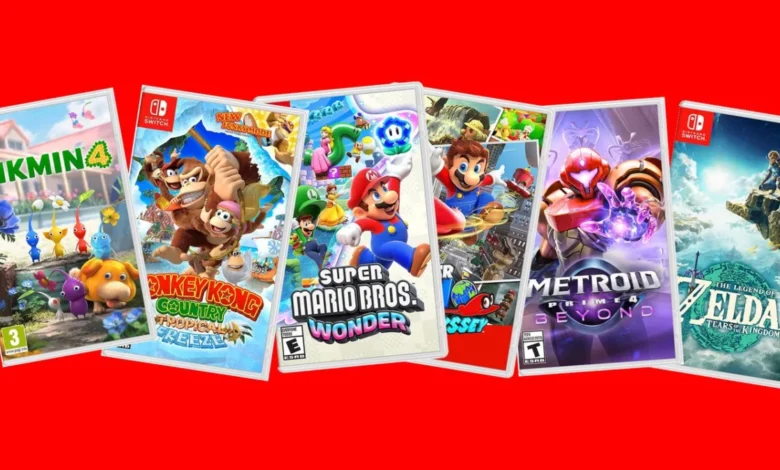
Nintendo has officially kicked off its two-week Customer Appreciation Sale in the United States, offering sweeping discounts of up to 30% on Nintendo Switch games, accessories, amiibo figures, and branded apparel. The promotional event, which runs through September 26, represents one of the largest company-wide discount initiatives in Nintendo’s history. According to corporate representatives, the event was explicitly designed to give something back to American consumers who ultimately absorbed the costs of import duties during a turbulent period of international trade policy.
The launch of this nationwide sale follows a sequence of high-stakes legal and economic developments earlier this year. Nintendo successfully reclaimed approximately $300 million in federal refunds from the United States government after the Supreme Court struck down controversial trade tariffs implemented under former President Donald Trump. While the legal victory resulted in a massive capital windfall for the Japanese multinational video game giant, its initial decision to retain the funds without issuing immediate, direct consumer rebates drew criticism from retail analysts and budget-conscious gamers alike. With the rollout of the Customer Appreciation Sale, Nintendo is attempting to bridge that gap, framing the markdowns as a direct acknowledgment of its consumer base’s unwavering loyalty through economic uncertainty.
The Economic Catalyst: Trade Tariffs and the Supreme Court Ruling
To understand the genesis of Nintendo’s current promotional campaign, one must examine the complex intersection of global supply chains, international trade law, and domestic taxation that dominated the consumer electronics sector. During the height of trade tensions, broad-scale tariffs imposed on goods manufactured overseas—particularly hardware components and consumer electronics produced in Asia—significantly inflated the operational costs of importing products into the United States.
Like many hardware manufacturers and software publishers, Nintendo faced a difficult choice: absorb the surging overhead costs or pass the financial burden onto retail buyers. To maintain profit margins and navigate supply chain volatility, the company adjusted its pricing strategies, meaning American consumers frequently encountered higher price points for consoles, physical game cartridges, and peripheral equipment.
However, the legal landscape shifted dramatically earlier this year when the United States Supreme Court ruled that certain executive-level trade tariffs had exceeded the statutory authority granted by Congress. The landmark judicial decision declared the duties unlawful, opening the floodgates for retroactive challenges and mandatory government refunds. Nintendo was among the corporate entities that filed for and successfully recovered a staggering $300 million in overpaid duties.
When the refund was initially secured, corporate leadership opted against issuing direct monetary reimbursements or automatic account credits to individual buyers. Industry insiders suggested at the time that the hesitation stemmed from corporate caution, as executives feared lingering volatility in international trade relations and the potential for subsequent tariff implementations under shifting political administrations. Nevertheless, the accumulation of hundreds of millions of dollars in federal refunds left the company under mounting public pressure to demonstrate corporate responsibility to the very consumer base that financed those tariffs at the retail counter.
Inside the Nintendo Customer Appreciation Sale
The newly established Customer Appreciation Sale is Nintendo’s operational response to that public scrutiny. Billed by the company as a gesture of gratitude, the event provides targeted financial relief to American gamers who bore the brunt of past price inflation.
"This is our way of saying thank you to Nintendo players for their continued support, and it is made possible in part by tariff-related refunds," Nintendo stated in an official release detailing the event.
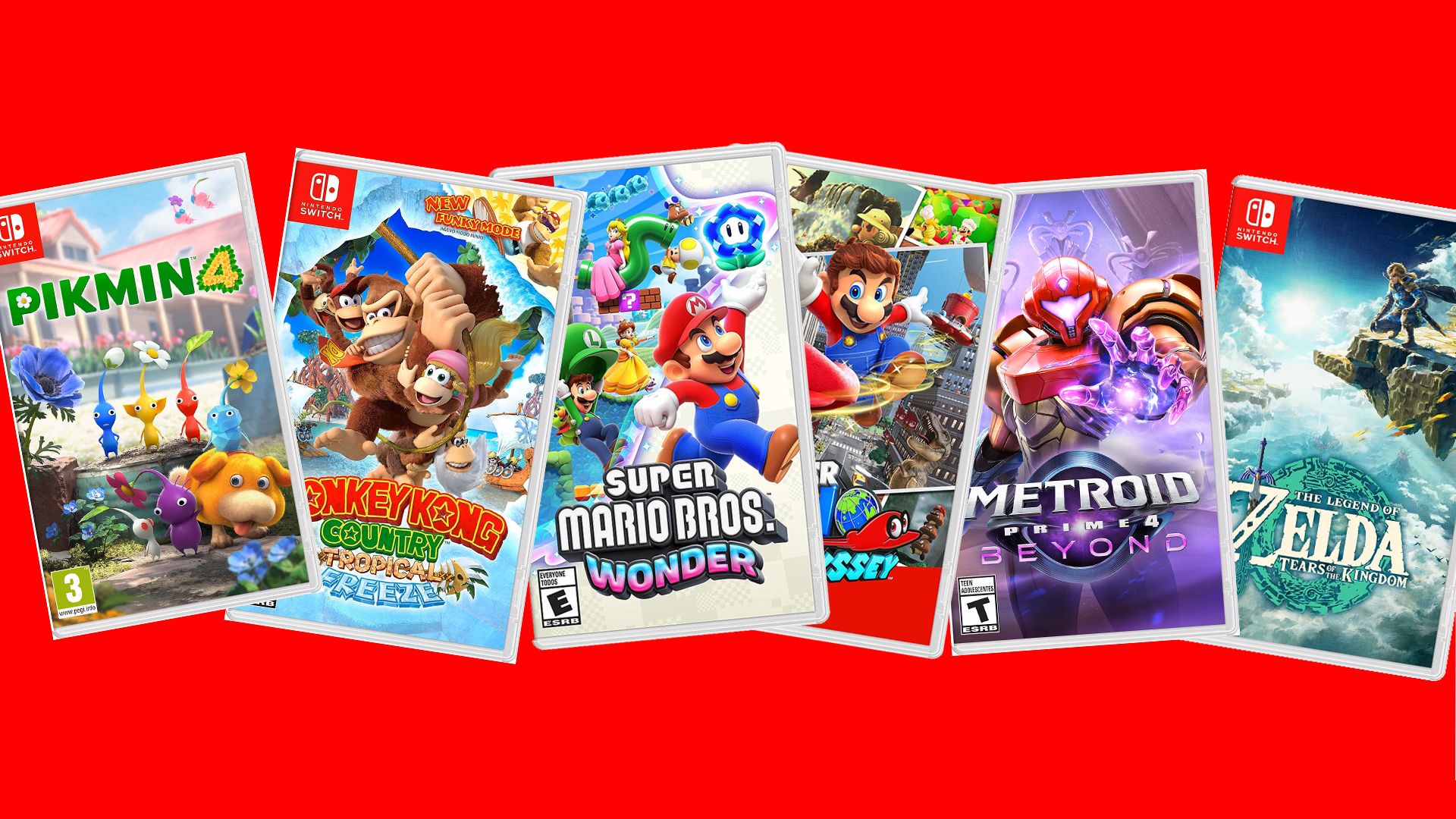
The promotional structure encompasses a broad spectrum of the Nintendo ecosystem. While the discounts do not extend to the recently launched hardware iterations or generational exclusives—such as high-profile titles tied exclusively to next-generation console architectures—they apply extensively to the robust library of standard Nintendo Switch software. Consumers can secure a flat 30% discount on a wide array of universally compatible first-party and third-party games. Furthermore, the price reductions cross over into physical merchandise categories, slashing costs for hardware accessories, collectible amiibo figurines, and official apparel lines.
Simultaneously, major third-party digital and brick-and-mortar retailers, including Amazon, have rolled out supplementary price matching and independent discounts on Switch software to capitalize on the heightened consumer interest generated by Nintendo’s announcement. Industry observers note that this dual-pronged discounting strategy has effectively stimulated a late-third-quarter surge in retail activity for the platform.
Market Implications and Consumer Reception
The broader implications of Nintendo’s refund-funded promotion extend far beyond immediate retail savings, offering a fascinating case study in corporate public relations and macroeconomic accountability. Historically, when corporations receive multi-million-dollar windfalls from retroactive tax or tariff relief, those funds are typically absorbed into quarterly earnings reports, allocated toward research and development, or distributed to shareholders via dividends and share buybacks.
Nintendo’s decision to channel a portion of these recovered funds back into a consumer-facing promotion establishes a rare precedent. By explicitly linking the discount event to the Supreme Court’s tariff ruling, the company has successfully reframed a dry legal victory into a consumer-centric narrative. Financial analysts point out that this maneuver helps neutralize potential reputational damage stemming from the company’s initial decision to retain the refund without direct consumer payouts.
Consumer advocacy groups and gaming communities have offered a largely positive, albeit pragmatically cautious, response to the sale. While many players acknowledge that a software and merchandise discount does not equate to a direct cash refund for past overpayments, the general consensus views the 30% price cuts as a welcome compromise. For households that delayed purchasing standard-price titles due to inflationary pressures over the past few years, the two-week promotional window provides a timely opportunity to acquire back-catalog hits and physical collectibles at a significantly reduced cost.
Looking Ahead: Hardware Transitions and Market Strategy
The timing of the Customer Appreciation Sale also aligns with a transitional period for Nintendo’s hardware ecosystem. As the original Nintendo Switch continues to manage a mature market lifecycle alongside the newer, highly anticipated hardware generations—such as the widely discussed successor platforms that have increasingly captured the attention of digital artists, 3D editors, and core gamers alike—maintaining engagement with the massive existing install base is crucial.
By incentivizing software adoption and clearing out peripheral and apparel inventory, Nintendo is effectively lubricating its retail pipeline. This strategy keeps the legacy platform vibrant and profitable while drawing consumer attention toward the broader brand ecosystem.
As the two-week sale marches toward its September 26 conclusion, retail metrics will ultimately determine the financial success of this unprecedented promotional experiment. Whether other multinational technology and entertainment corporations will follow Nintendo’s lead in using regulatory refunds to fund consumer appreciation initiatives remains to be seen. For now, American Nintendo enthusiasts are taking advantage of a rare alignment of constitutional law, corporate restitution, and deep retail discounts.
Related posts: